Why Are Betta Fish Kept in Small Tanks
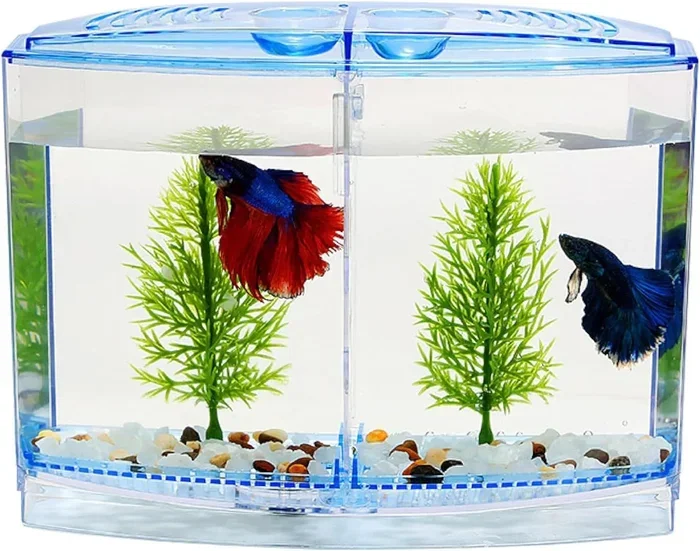
Betta fish are kept in small tanks for several reasons, including their natural habitat, ease of care, and cultural traditions. While bettas can survive in small spaces, they truly thrive with more room to swim and explore. Understanding why small tanks are used helps you make better choices for your betta’s health and happiness.
This is a comprehensive guide about why are betta fish kept in small tanks.
Key Takeaways
- Natural Habitat: Bettas come from shallow, warm waters in Southeast Asia, which explains why they adapt to small spaces.
- Ease of Care: Small tanks are easier to manage, clean, and maintain for beginners and busy fish keepers.
- Not Ideal for Health: While bettas can live in small containers, they do better and live longer in larger tanks with more space.
- Common Practice: Many pet stores and breeders keep bettas in small cups and bowls for practical and economic reasons.
- Upgrade Is Better: Moving your betta to a bigger tank improves their well-being, color, and activity levels significantly.
[FEATURED_IMAGE_PLACEHOLDER]
Why are betta fish kept in small tanks? This is a question that almost every betta fish owner has asked at some point. If you have ever walked into a pet store and seen bettas packed into tiny cups, you might have wondered whether this is really okay for them. The truth is, there are many reasons why betta fish are kept in small tanks, and not all of them are bad.
In this guide, we will explore the real reasons behind this common practice. We will look at the history, the science, and what you can do to give your betta a better life. Whether you are a new betta owner or have had one for years, this article will help you understand why betta fish are kept in small tanks and what you can do about it.
The practice of keeping bettas in small spaces goes back decades. In many parts of Southeast Asia, bettas were originally found in shallow rice paddies, slow-moving streams, and warm ponds. These natural habitats are not huge bodies of water. They are small, warm, and often shallow. Because bettas evolved in these conditions, they can tolerate small volumes of water much better than many other fish species.
Today, the pet trade has made bettas one of the most popular aquarium fish in the world. Their bright colors, flowing fins, and relatively low maintenance needs make them attractive to beginners. But the way they are displayed and sold in stores often involves small containers. This is where the question of tank size becomes really important.
There are several reasons why betta fish are kept in small tanks. Let us break them down so you can understand the full picture.
### Natural Habitat of Betta Fish
Bettas are native to Thailand, Cambodia, Vietnam, and other parts of Southeast Asia. In the wild, they live in shallow, warm waters. Rice paddies, flood plains, and slow-moving streams are their natural homes. These environments are not deep or wide. They are often just a few inches deep and spread across a small area.
Because bettas evolved in these shallow waters, their bodies are built to handle low-oxygen environments. They have a special organ called the labyrinth organ, which allows them to breathe air directly from the surface. This adaptation means they can survive in small amounts of water where other fish would struggle.
So when people ask, why are betta fish kept in small tanks, part of the answer lies in their natural history. Bettas are not like goldfish or tropical community fish that need large, deep tanks. Their body structure makes them more forgiving of small spaces.
### Practical Reasons for Small Tanks
There are very practical reasons why small tanks are used, especially in stores and breeding facilities.
First, small tanks take up less space. A pet store may have hundreds of fish to display. Keeping each betta in a small cup or container allows the store to fit more fish in a limited area. This is a business decision, not necessarily a cruelty decision.
Second, small tanks are easier to manage. Cleaning a small container is faster and uses less water. For stores that sell a high volume of fish, this efficiency matters. It also makes it easier to monitor each fish for signs of illness or stress.
Third, small tanks cost less. Both the containers and the water changes are cheaper. For budget-conscious breeders and sellers, this is a real factor.
Many people also wonder about why are betta fish kept in small bowls. The answer is similar. Bowls are simple, inexpensive, and easy to set up. They are often used in homes where space or budget is limited.
### The Labyrinth Organ and Small Spaces
One of the most important reasons bettas can survive in small tanks is their labyrinth organ. This unique breathing adaptation sets bettas apart from most other freshwater fish.
Most fish rely entirely on their gills to extract oxygen from water. But bettas can also gulp air from the surface and absorb oxygen through a special chamber in their gills. This means they can live in water with low oxygen levels, which is common in small, unfiltered containers.
However, just because bettas can survive in small spaces does not mean they thrive there. Think of it like living in a tiny apartment. You can survive, but you would be much happier with more room to move around. The same is true for your betta.
If you want to learn more about how bettas handle small living conditions, check out this article on why are betta fish kept in small containers for a deeper dive.
### What the Pet Trade Looks Like
Walk into any pet store and you will likely see bettas displayed in small cups or jars. Each fish sits in a tiny amount of water, often with no filter or heater. This is the standard practice in the industry, and it has been this way for a long time.
The display cups serve a purpose. They make it easy for customers to see each fish clearly. They also keep the fish separate, which is important because male bettas are highly territorial and will fight each other. You can read more about why male bettas are kept separate here.
But here is the thing. Just because something is common does not mean it is best. Many betta owners are now moving away from small display tanks and choosing larger setups for their fish. The trend in the betta keeping community is shifting toward better living conditions.
While bettas can survive in small tanks, keeping them in tiny containers for a long time can lead to serious health and behavioral problems. Understanding these risks is key to being a responsible betta owner.
### Water Quality Issues
The biggest problem with small tanks is water quality. In a small volume of water, toxins like ammonia and nitrite build up very quickly. Even with regular water changes, it is hard to keep the water stable and clean.
Ammonia comes from fish waste, uneaten food, and decaying plant matter. In a large tank, these toxins get diluted. In a small tank, they concentrate fast. This can cause stress, illness, and even death in bettas.
A small tank also means the water temperature fluctuates more easily. Bettas need warm water, ideally between 76 and 82 degrees Fahrenheit. In a tiny bowl without a heater, the temperature can drop quickly at night or change with the room temperature. This temperature stress weakens the fish’s immune system.
### Limited Swimming Space
Bettas are active fish. They like to swim, explore, and patrol their territory. In a small tank, they do not have much room to do any of this. Over time, this can lead to boredom and stress.
A stressed betta may show signs like clamped fins, loss of color, lethargy, or aggression. Some bettas kept in very small containers stop eating or become reclusive. These are clear signs that the fish is not happy with its living conditions.
If you have ever asked, why are betta fish kept in small tanks, and felt concerned about your own fish, know that upgrading their home is one of the best things you can do. Even moving from a 1-gallon bowl to a 5-gallon tank can make a huge difference in your betta’s quality of life.
### Shorter Lifespan
On average, bettas live between 3 and 5 years in captivity. But bettas kept in poor conditions often live shorter lives. The stress of small living spaces, poor water quality, and temperature swings all contribute to a shorter lifespan.
When you give your betta a properly sized tank with a filter, heater, and room to swim, you are setting them up for a longer, healthier life. It is one of the simplest and most impactful things you can do as a betta owner.
### The Role of Tank Size in Betta Health
Tank size affects everything from water chemistry to your betta’s mood. Here is a quick comparison of common tank sizes for bettas.
| Tank Size | Pros | Cons |
|---|---|---|
| 1 Gallon or Less | Easy to manage, cheap, good for temporary housing | Poor water quality, temperature swings, limited swimming space |
| 3 to 5 Gallons | Better water stability, room to swim, can add a small filter | Requires more maintenance than a 1-gallon, costs more |
| 10 Gallons or More | Stable water parameters, lots of swimming room, can add plants and decor | Takes up more space, costs more upfront |
As you can see, bigger is almost always better for your betta. If you are wondering whether your betta can live in a small tank long-term, the honest answer is yes, but with compromises. The fish will not be as healthy or as happy as it would be in a larger setup.
If you want to explore whether bettas can thrive in bigger tanks, this article on do betta fish do well in big tanks has great insights.
### Common Mistakes People Make with Small Tanks
Many well-meaning betta owners make mistakes that come from keeping their fish in small tanks. Here are a few to avoid.
- Skipping water changes: In a small tank, water changes are even more important. You should do 50 percent water changes at least once a week.
- No filter: Even a small sponge filter can make a big difference in keeping the water clean and safe for your betta.
- No heater: Room temperature water is often too cold for bettas. A small aquarium heater is a must for keeping the water in the right range.
- Overcrowding: Some people think they can keep multiple bettas or other fish in a tiny tank. This almost always leads to stress and fighting.
- Too much decoration: While plants and caves are great, too many decorations in a small tank leave no room to swim and can trap waste.
Avoiding these mistakes will help your betta stay healthy and happy, no matter what size tank you choose.
### How to Set Up a Better Tank for Your Betta
If you are ready to give your betta a better home, here are some simple steps to follow.
Start with at least a 5-gallon tank. This is the minimum recommended size for a single betta. It gives them enough room to swim and helps keep the water stable.
Add a small sponge filter. This will help remove waste and keep the water clean without creating too much current. Bettas do not like strong water flow, so a gentle filter is best.
Install a heater. A small aquarium heater set to around 78 to 80 degrees Fahrenheit will keep your betta comfortable year-round.
Add live or silk plants. Plants give your betta places to hide and explore. Live plants also help absorb toxins and produce oxygen. Avoid sharp plastic plants that can tear their delicate fins.
Keep the tank in a quiet spot. Bettas get stressed by loud noises and constant movement near their tank. Place it somewhere calm and stable.
### The Truth About Betta Fish and Small Spaces
So, can betta fish stay in small volumes of water? The short answer is yes, they can survive. But surviving and thriving are two very different things.
Many people assume that because bettas are sold in small cups at pet stores, they must be fine in small spaces. This is a common misconception. The conditions in pet stores are often temporary and far from ideal. Your job as a responsible owner is to provide the best possible home for your fish.
If you are curious about whether bettas can live in small bowls specifically, check out this article on can betta fish live in small bowls for a detailed breakdown.
The trend in the betta keeping community is clear. More and more owners are moving toward larger, enriched tanks that mimic the betta’s natural environment. This shift is great news for the fish and for the hobby as a whole.
### What Experts Say About Betta Tank Size
Most experienced aquarists and fish veterinarians agree that a 5-gallon tank is the minimum for a betta. Some experts even recommend 10 gallons or more for the best results.
Dr. Jessie Sanders, a certified aquatic veterinarian, has spoken publicly about the importance of tank size for bettas. She emphasizes that while bettas can survive in small containers, they need more space to express natural behaviors like swimming, exploring, and building bubble nests.
The key takeaway is simple. The bigger the tank, the better the water quality, and the happier your betta will be. It is one of the easiest ways to improve your fish’s life.
### Quick Tips for Betta Tank Setup
Here are some quick tips to keep in mind when setting up or upgrading your betta’s tank.
- Always cycle your tank before adding your betta. This means letting the filter run for at least two weeks to build beneficial bacteria.
- Use a gentle filter to avoid strong currents that tire your betta out.
- Keep the lid on tight. Bettas are jumpers and can escape from open tanks.
- Test the water regularly with a simple liquid test kit to catch ammonia or nitrite spikes early.
- Add a few hiding spots with plants or caves so your betta feels safe and secure.
These small steps can make a big difference in your betta’s daily life and long-term health.
### Final Thoughts on Why Betta Fish Are Kept in Small Tanks
The reasons why betta fish are kept in small tanks are varied and complex. From their natural history to the practical demands of the pet trade, small tanks have become the norm. But as a caring betta owner, you have the power to change your fish’s story.
Understanding why are betta fish kept in small tanks is the first step toward giving your betta a better life. Whether you are upgrading from a tiny bowl to a 5-gallon tank or simply being more diligent with water changes, every improvement counts.
Your betta fish deserves a home that lets them thrive, not just survive. With the right setup, a little knowledge, and a bit of effort, you can create a tank that brings out the best in your betta. Start small if you need to, but start. Your fish will thank you with brighter colors, more energy, and a longer, happier life.
Frequently Asked Questions
What is why are betta fish kept in small tanks?
why are betta fish kept in small tanks is an important topic with many practical applications.