Can a Betta Fish Live with a Pleco

Can a betta fish live with a pleco? In most cases, yes — a betta and a pleco can coexist peacefully when set up correctly. This guide covers everything you need to know about betta fish compatibility with plecos, including tank size, water conditions, feeding habits, and potential risks. Whether you’re a new fishkeeper or a seasoned hobbyist, you’ll find practical advice to make your community tank a success.
Key Takeaways
- Size matters: A 20-gallon tank minimum is strongly recommended for housing a betta and pleco together to ensure enough space.
- Species choice is critical: Smaller pleco species like the bristlenose pleco are far safer tank mates for bettas than larger common plecos.
- Territorial behavior: Both bettas and plecos can be territorial, so careful planning and tank layout are essential to reduce aggression.
- Diet differences: Plecos are bottom-feeding algae eaters, while bettas are top-level feeders, which naturally reduces food competition.
- Water parameters: Both species prefer similar warm, slightly acidic water, making them compatible in terms of habitat needs.
- Monitor closely: Even with ideal conditions, always watch for signs of stress or aggression, especially during the first few weeks.
- Escape artists: Some pleco species can climb or jump, so a secure lid is absolutely necessary for a shared tank.
📑 Table of Contents
- Can a Betta Fish Live with a Pleco? A Complete Guide
- Understanding Betta Fish and Plecos
- Why Betta and Pleco Compatibility Can Work
- Potential Risks of Keeping a Betta with a Pleco
- Best Pleco Species for a Betta Tank
- Setting Up the Perfect Tank for a Betta and Pleco
- Feeding a Betta and Pleco Together
- Common Mistakes to Avoid
- Tips for Long-Term Success
- Conclusion
Can a Betta Fish Live with a Pleco? A Complete Guide
If you love keeping freshwater aquariums, you have probably wondered about can a betta fish live with a pleco. These two popular fish are some of the most common choices for home aquariums, and many hobbyists dream of housing them together. The good news is that, with the right setup, a betta and a pleco can live together happily. However, getting the details right matters a lot.
Both species have strong personalities. Bettas are known for their bold, colorful fins and territorial streak. Plecos, on the other hand, are hardworking bottom feeders that spend their days cleaning algae off glass and decorations. At first glance, they seem like a perfect match. But in reality, success depends on several important factors. Tank size, species selection, diet, and behavior all play a role in whether this pairing works.
In this article, you will learn exactly how to keep a betta and a pleco together. We will cover everything from the best tank size to common mistakes that cause problems. By the end, you will feel confident about creating a thriving community tank with these two species.
Understanding Betta Fish and Plecos
What Is a Betta Fish?
The betta fish, also called the Siamese fighting fish, is one of the most popular freshwater fish in the world. Bettas are known for their brilliant colors and flowing fins. Males, in particular, are very territorial. They often flare their gills and attack other fish that look similar or encroach on their space. A betta tank should always be set up with care, especially if you plan to add tank mates.
In the wild, bettas live in warm, shallow waters across Southeast Asia. They prefer calm currents and plenty of hiding spots. In captivity, they do best in water temperatures between 76°F and 82°F. They are labyrinth fish, meaning they can breathe air from the surface. This unique trait makes them more resilient than many other fish, but it does not mean they can handle poor water conditions.
What Is a Pleco?
A pleco is a type of armored catfish from the family Loricariidae. These fish are famous for their sucking mouth, which they use to scrape algae off surfaces. Many fishkeepers keep plecos as algae eaters because they help keep the tank clean. They are generally peaceful and stay active near the bottom of the aquarium.
There are many pleco species, and they vary widely in size and temperament. The bristlenose pleco is one of the most popular choices for smaller tanks. A common pleco, by contrast, can grow over a foot long and is not always suitable for a shared aquarium. Choosing the right species is one of the most important decisions you will make.
Why Betta and Pleco Compatibility Can Work
So, why does betta fish compatibility with a pleco even seem possible? The answer lies in how these two fish occupy different areas of the tank. Bettas are mid-level swimmers. They spend most of their time in the upper and middle portions of the water. Plecos stay near the bottom. This natural separation reduces the chance of direct conflict.
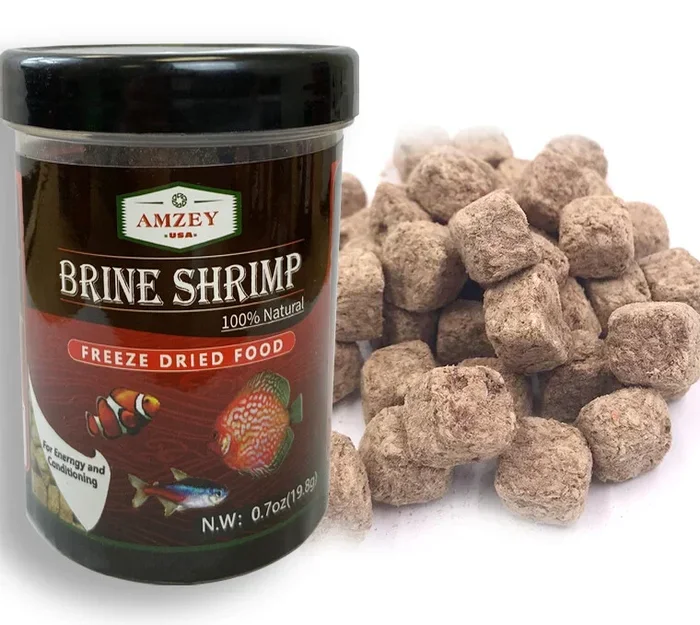
Another reason this pairing works is diet. Bettas are carnivores that prefer high-protein foods like pellets, frozen bloodworms, and brine shrimp. Plecos are primarily herbivores that feed on algae and plant matter. Because they eat different foods, there is less competition at feeding time. This is a big advantage over pairing two fish that compete for the same meals.
Additionally, both species enjoy similar water parameters. They thrive in warm water with a pH between 6.5 and 7.5. A well-maintained heater and filter will keep conditions stable for both. When their basic needs overlap, the chances of a peaceful coexistence go up significantly.
Potential Risks of Keeping a Betta with a Pleco
Territorial Aggression
Even though the two species occupy different zones, aggression can still happen. Male bettas are famously territorial. They may chase a pleco that wanders too close to their favorite spot. A large pleco can also accidentally bully a smaller betta by blocking access to food or hiding places. This is why tank layout is so important.
Some pleco species are also known to nip at the fins of slower-moving fish. If a betta has long, flowing fins, a nipping pleco can cause real damage. Fin rot and stress are common outcomes. Always observe your fish during the first few weeks and look for signs of bullying.
Size Differences
A common pleco can reach 12 inches or more. A betta, by comparison, usually stays around 2 to 3 inches. A fish that large can easily overwhelm a betta, even if it is not trying to be aggressive. The sheer size difference creates an imbalance. This is why choosing a smaller pleco species is strongly recommended.
Oxygen and Waste Concerns
Plecos produce a significant amount of waste. In a tank that is too small, this can quickly spike ammonia and nitrite levels. Bettas are sensitive to poor water quality. A freshwater snail or another small cleaner might handle waste better in a tiny setup, but a pleco needs a properly sized tank with strong filtration. Do not underestimate the bioload a pleco adds to your system.
Best Pleco Species for a Betta Tank
Not all plecos are created equal. Some are too large or too active for a shared betta fish tank. Here is a comparison of the most common pleco species and how they fit with bettas.
| Pleco Species | Max Size | Min Tank Size | Betta Compatibility |
|---|---|---|---|
| Bristlenose Pleco | 5-6 inches | 20 gallons | Excellent |
| Clown Pleco | 3-4 inches | 10-15 gallons | Very Good |
| Royal Pleco | 10-12 inches | 50+ gallons | Risky |
| Common Pleco | 12-24 inches | 75+ gallons | Not Recommended |
| Zebra Pleco | 3-4 inches | 15 gallons | Good |
Top Picks
The bristlenose pleco is hands down the best option for most betta keepers. It stays small, stays active on the bottom, and rarely bothers a betta. The clown pleco is another excellent choice for smaller tanks. Both species are peaceful and focus on eating algae rather than bothering other fish. If you want a safe and rewarding pairing, one of these two is your best bet.
Setting Up the Perfect Tank for a Betta and Pleco
Tank Size
Go big. A tank of at least 20 gallons is ideal for housing a betta and a pleco together. A smaller tank makes it harder to establish territories and can lead to constant confrontation. A larger tank gives both fish room to retreat and reduces stress. Think of it this way: more space means fewer arguments. You may also want to check if a betta fish can live with another fish in similar-sized setups for additional ideas.
Decorations and Hiding Spots
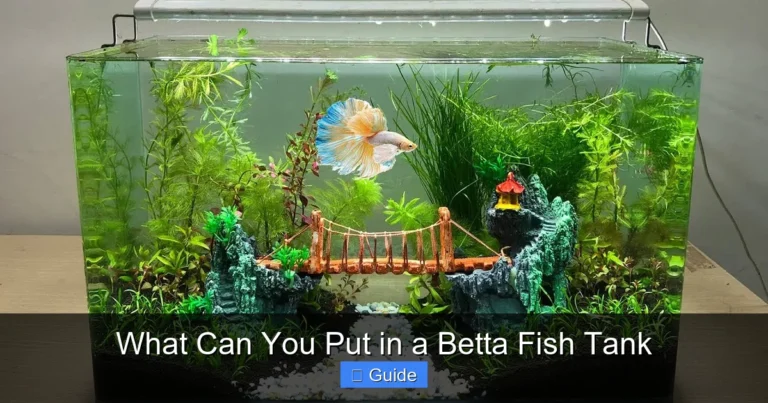
Both fish appreciate plenty of cover. Add caves, driftwood, rocks, and dense plants to break lines of sight. Bettas love floating plants like water lettuce, which also provide shade. Pleco-safe plants like java fern and anubias are great additions. The goal is to create multiple territories so each fish feels secure in its own space. A well-decorated tank mimics a natural habitat and calms aggressive tendencies.
Filtration and Heating
Use a filter that can handle at least twice the tank volume per hour. A hang-on-back or canister filter works well. Make sure the filter intake is covered with a sponge so a small pleco or betta cannot get sucked in. A reliable heater keeps the water between 76°F and 80°F, which suits both species. Stable conditions are the foundation of a healthy community tank.
Lighting
Moderate lighting is best. Avoid overly bright setups that stress a betta. LED lights with a timer set to 8-10 hours per day work well. This also supports any live plants you add, which in turn benefit the pleco by promoting algae growth for grazing.
Feeding a Betta and Pleco Together
Feeding time can be tricky, but it is manageable with a simple routine. Since bettas and plecos eat different foods, you can feed them separately within the same tank. Drop high-quality betta pellets near the surface for your betta. At the same time, place a sinking wafer or algae flake near the bottom for the pleco. This ensures both fish get proper nutrition without food competition.
Supplement their diets occasionally. A betta enjoys frozen or live foods like daphnia and bloodworms. A pleco loves blanched vegetables like zucchini, cucumber, and spinach. Feed small amounts twice a day rather than one large feeding. This keeps the water cleaner and reduces the chance of overfeeding. Uneaten food can spike ammonia, which harms both fish. If you are unsure about diet choices, it may help to read about what types of fish can live with a male betta for broader feeding compatibility tips.
Watch their eating habits closely. A pleco that stops eating may be stressed or outcompeted. A betta that becomes lethargic after feeding may have consumed something it should not have. Adjust food types and placement until both fish are healthy and active.
Common Mistakes to Avoid
Choosing the Wrong Pleco Size
This is the number one mistake. A common pleco in a 20-gallon tank is a disaster waiting to happen. They outgrow their environment fast, produce massive waste, and can become aggressive. Always research the adult size of a pleco before buying. A small pleco at the store can still grow into a large fish within months.
Skipping the Lid
Some pleco species are notorious for climbing. A bristlenose pleco can crawl up glass and even escape through gaps in a lid. A missing lid means a lost fish. Always use a tight-fitting cover. This also helps maintain humidity and keeps the water temperature stable.
Overcrowding the Tank
Adding too many fish leads to stress, disease, and fighting. A betta and a pleco should be the main focus of the tank. If you want additional companions, choose carefully. Small, peaceful species like neon tetras or ghost shrimp can sometimes work, but always research compatibility first. A crowded tank is a stressed tank.
Ignoring Water Changes
Regular maintenance is non-negotiable. Perform a 25% water change every one to two weeks. Test water parameters weekly using a reliable liquid test kit. Ammonia and nitrite should always be at zero. Nitrate should stay below 20 ppm. Clean water keeps both your betta and pleco healthy and reduces the risk of disease. For more on water conditions, you can explore whether a betta fish can live in tap water with filter setups.
Tips for Long-Term Success
Once your betta and pleco are sharing a tank, a few habits will keep things running smoothly. First, always feed before adding any new fish. A well-fed betta is less likely to be territorial. Second, rearrange decorations occasionally. This resets territorial boundaries and prevents any one fish from claiming the entire tank. Third, quarantine new additions for at least two weeks before introducing them. This protects everyone from parasites and illness.
Pay attention to behavior. If a betta constantly chases the pleco or the pleco hides all the time, something is wrong. Add more plants or rearrange rocks to create new escape routes. Sometimes simply moving a decoration can defuse tension. Patience is key. It can take several weeks for a new pairing to settle down. Give them time, and they often surprise you with how well they adjust. A successful betta tank with a pleco is not just possible, it can be one of the most rewarding setups in home fishkeeping.
Conclusion
So, can a betta fish live with a pleco? Absolutely, as long as you plan carefully. Choose the right pleco species, provide a large enough tank, and set up plenty of hiding spots. Feed them appropriately and maintain clean water. Watch for signs of stress and be ready to adjust. When done right, a betta and a pleco make a fascinating and low-maintenance pairing that brings life and activity to any freshwater aquarium. Use the tips in this guide, avoid the common mistakes, and enjoy watching your two very different fish coexist in harmony.
Frequently Asked Questions
Can a common pleco live with a betta fish?
A common pleco is generally not recommended for a betta tank. Common plecos can grow over 12 inches long and produce large amounts of waste. Their size alone can stress a betta, and they often need tanks of 75 gallons or more. A smaller species like the bristlenose pleco is a much safer choice.
What size tank do I need for a betta and a pleco together?
A 20-gallon tank is the minimum recommended size for housing a betta and a pleco together. This gives both fish enough space to establish separate territories. Larger tanks are always better and make it easier to maintain stable water conditions for both species.
Do plecos eat betta fish?
Plecos are not known to eat bettas, but they may nip at long, flowing fins. This is more likely with larger pleco species. A bristlenose or clown pleco rarely causes this behavior. To protect your betta, choose a small, peaceful pleco species and provide plenty of hiding places.
How do I feed a betta and a pleco at the same time?
Feed them different foods in different areas. Drop betta pellets near the surface for your betta and place sinking algae wafers near the bottom for the pleco. This prevents food competition. Feed small amounts twice a day and remove any uneaten food after a few minutes.
Are there other fish that pair well with a betta besides a pleco?
Yes, several species can coexist with a betta in the right conditions. Neon tetras, ghost shrimp, and freshwater snails are popular options. Always research compatibility before adding any tank mate. A larger tank with good decor and hiding spots makes any pairing more successful.
Can a pleco survive in a small tank with a betta?
A small pleco like a clown pleco can survive in a 10 to 15-gallon tank with a betta, but a larger tank is always better. Small tanks are harder to keep clean and can lead to aggression. Ideally, aim for at least 20 gallons so both the betta and pleco have room to thrive comfortably.