Do Betta Fish Eat Ants
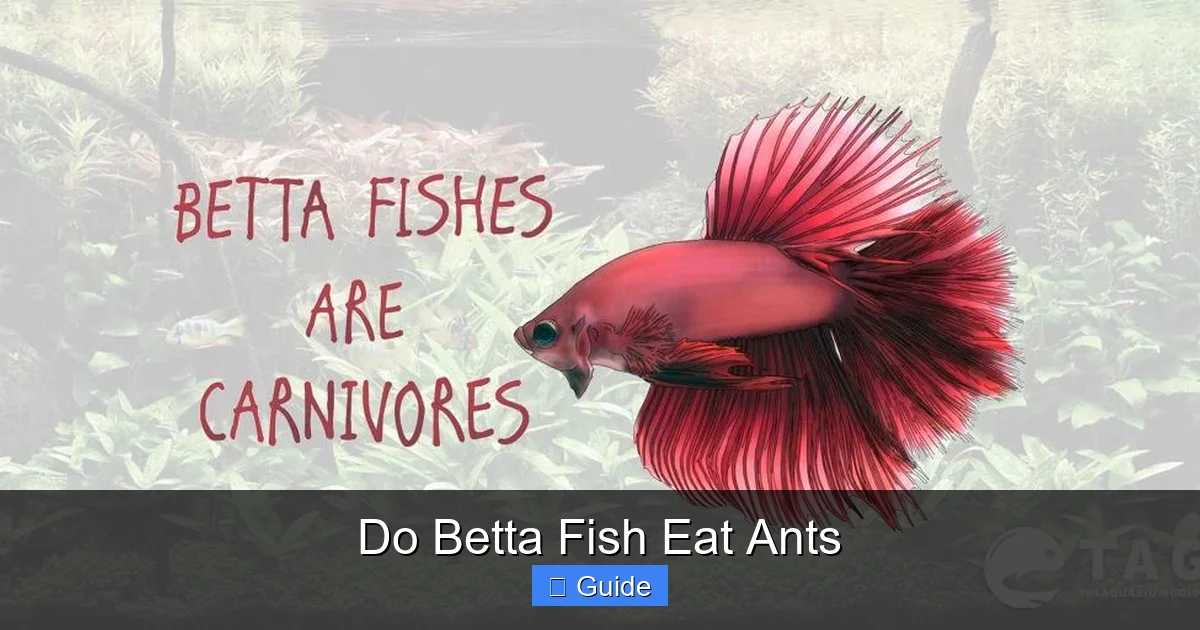
Betta fish are opportunistic feeders and may consume ants if they enter their tank, but it is not recommended. While a single, pesticide-free ant is unlikely to be toxic, the risks of introducing harmful chemicals, formic acid burns, or injury from the ant’s exoskeleton far outweigh any marginal nutritional benefit. Prioritize a consistent diet of high-quality betta pellets, frozen, or live foods like brine shrimp instead.
Key Takeaways
- Opportunistic Eaters: Bettas will investigate and eat small moving insects like ants due to their natural predatory instinct, but this doesn’t mean it’s safe or nutritious.
- Significant Risks Outweigh Benefits: The primary dangers are pesticides/fertilizers on the ant, formic acid causing internal/external burns, and potential injury from the ant’s hard exoskeleton.
- Not a Nutritional Staple: Ants provide minimal nutritional value for bettas compared to specialized foods designed for their carnivorous needs (high protein, fatty acids).
- Species Matters Greatly: Fire ants and carpenter ants pose severe threats due to powerful bites/stings and formic acid. Even common black ants carry risks from environmental contaminants.
- Safer Alternatives Abound: Excellent, safe protein sources include high-quality betta pellets, frozen foods (bloodworms, brine shrimp), and culture-based live foods (daphnia, microworms).
- Prevention is Best Practice: The safest approach is to meticulously prevent any terrestrial insects from entering your betta’s aquarium through a secure lid and careful tank maintenance.
📑 Table of Contents
- The Curious Case of Bettas and Ants: A Deep Dive
- Understanding Your Betta: A Predator’s Instincts and Needs
- The Ant Species Spectrum: From Harmless to Hazardous
- The Science of Danger: Why Ants Are Problematic for Bettas
- What SHOULD You Feed Your Betta? The Safe & Nutritious Alternatives
- Practical Tank Management: Keeping Unwanted Visitors Out
- Conclusion: Prioritizing Predictable Safety Over Wild Whimsy
The Curious Case of Bettas and Ants: A Deep Dive
You’re peacefully enjoying your beautifully aquascaped betta tank when you spot a tiny, dark speck crawling along the glass. It’s an ant. Your first thought might be, “Will my betta eat it? Should I let him?” It’s a common question that bubbles up from observing nature. The short, direct answer is: yes, a betta fish will likely eat an ant if it falls into its aquatic world. However, the much more important and nuanced answer is: you should never intentionally feed your betta an ant, and you should strive to prevent them from entering the tank at all. This isn’t about being overly cautious; it’s about understanding the stark difference between a betta’s instinctual behavior in the wild and the safe, controlled environment we must provide for them in captivity. This guide will thoroughly explore the “why” behind this, separating myth from aquatic reality.
Betta splendens, the Siamese fighting fish, are labyrinth fish native to the shallow, warm, and often plant-choked waters of Southeast Asia. Their diet in the wild consists primarily of small aquatic and semi-aquatic invertebrates: mosquito larvae, tiny crustaceans, zooplankton, and the occasional insect that lands or crawls onto the water’s surface. This makes them natural predators of anything small and moving. An ant, therefore, fits the profile of potential prey. But the wild ecosystem is a complex web, and what a betta *might* encounter and consume in a rice paddy is not the same as what you should offer in your filtered, heated aquarium. The risks associated with modern ants—largely due to human influence—make them a hazardous choice. Let’s break down the biology, the risks, and the superior alternatives.
Understanding Your Betta: A Predator’s Instincts and Needs
The Carnivorous Nature of Betta Fish
First and foremost, it’s critical to dispel the myth that bettas are herbivores or can thrive on plant matter. They are carnivorous by design. Their upturned mouths are perfectly adapted for snatching prey from the water’s surface. Their digestive tracts are short and acidic, designed to process animal protein efficiently, not to break down cellulose from plant material. This fundamental biological fact dictates their dietary requirements: a diet high in animal-based protein and fats, with minimal carbohydrates and indigestible matter.
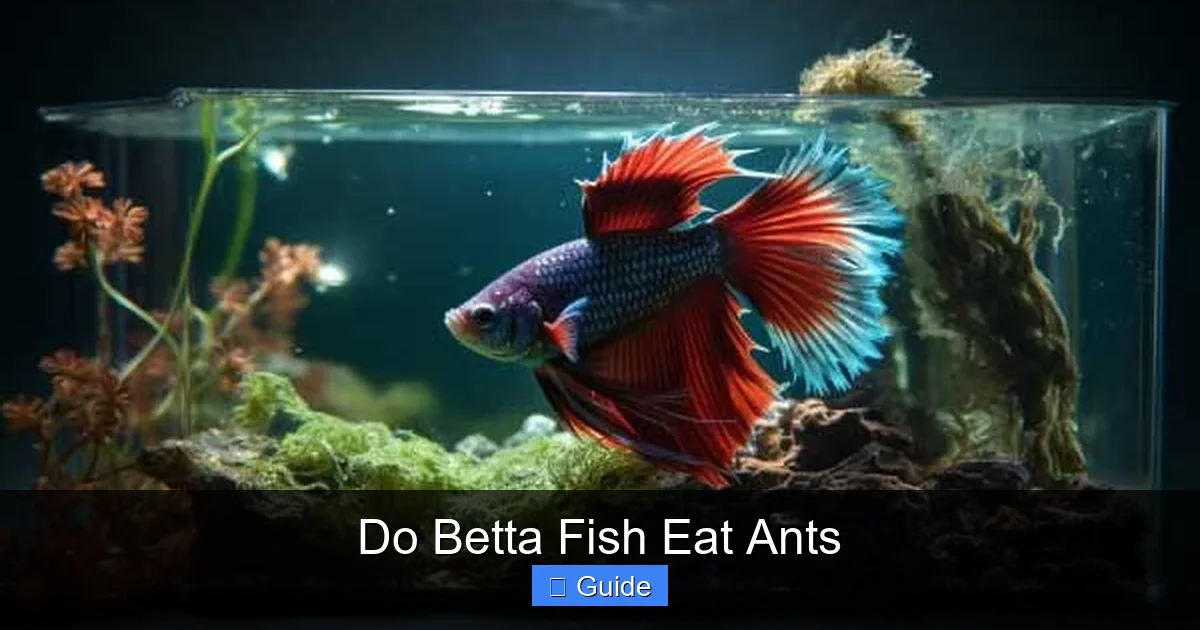
Visual guide about Do Betta Fish Eat Ants
Image source: bettafishnest.com
A quality commercial betta pellet is formulated to meet these needs, typically containing 40-50% crude protein from sources like fish meal, shrimp meal, and squid. This is the benchmark. Any food you consider, including “treats” like ants, must be evaluated against this standard of high-quality, digestible protein. An ant’s body is mostly chitin (a tough polysaccharide) and muscle, but its protein content is not optimally balanced for a betta’s specific needs and comes with a host of potential problems.
The Surface-Feeding Behavior
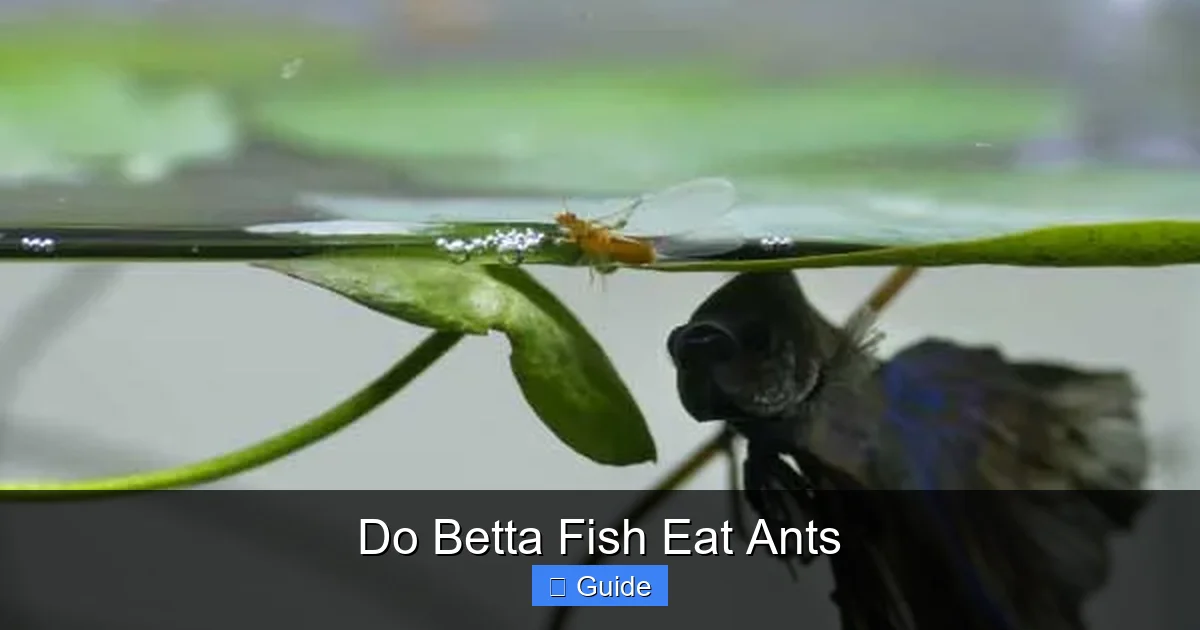
Bettas are instinctual surface feeders. They are more likely to grab something floating or sinking slowly than pursue food deep into the water column. This is why floating pellets are ideal. An ant that falls into the tank will likely float or be trapped in the surface tension, making it a perfect target for a betta’s ambush-style hunting. You might see your betta flare at it, nip at it, and eventually consume it if it’s small enough. This behavior is a demonstration of their natural hunting drive, not an endorsement of the food’s quality.
The Ant Species Spectrum: From Harmless to Hazardous
Not all ants are created equal, and the specific type of ant that finds its way into your betta tank drastically changes the risk assessment. While we often think of “ants” as a single entity, there are thousands of species with vastly different physiologies and defenses.
Visual guide about Do Betta Fish Eat Ants
Image source: bettafishnest.com
Common Household & Garden Ants (e.g., Black Garden Ants)
These are the most likely accidental visitors. The immediate risk from the ant itself is relatively low—they don’t have powerful stings or bites that can harm a betta through its skin. The major threat here is external contamination. These ants crawl across pesticides, fertilizers, cleaning chemicals, and polluted surfaces in your home and garden. Their exoskeletons can carry trace amounts of these substances, which are highly toxic to fish even in microscopic quantities. A single ant could introduce enough neonicotinoid insecticide or pyrethroid to poison your betta, damaging its gills, nervous system, or liver.
Fire Ants & Stinging Ants
This is a severe emergency. Fire ants (Solenopsis spp.) and other stinging ants like jack jumper ants possess a potent sting delivered by an abdomen-mounted stinger. Their venom contains piperidine alkaloids, which cause intense pain and tissue damage. If a live fire ant enters the tank and stings the betta—likely on its sensitive fins, barbels, or body—it can cause immediate physical trauma, significant stress, and a severe inflammatory reaction. The betta may flare, panic, and injure itself further on tank decor. This is not a situation to observe; the ant must be removed immediately with a net.
Carpenter Ants & Biting Ants
Carpenter ants are large and possess powerful mandibles capable of delivering a painful bite. While they don’t sting, a bite can break the delicate skin of a betta’s fins or body, creating an open wound. This wound is a direct pathway for bacterial or fungal infections (like fin rot), which are common in the warm, microbial-rich environment of an aquarium. An injury from a bite, combined with the stress of the encounter, can compromise the betta’s immune system.
The Science of Danger: Why Ants Are Problematic for Bettas
The Formic Acid Factor
Many ant species, including the common black ant, can spray or release formic acid as a defensive mechanism. Formic acid is a corrosive, irritating substance. In the confined, aqueous environment of a betta tank, if an ant releases this acid upon being attacked or stressed, it can dissolve into the water. For a betta with sensitive gills and mucous membranes, exposure to formic acid can cause chemical burns. Internally, if consumed, it can irritate the digestive tract, potentially leading to inflammation, loss of appetite, and internal discomfort. The betta might spit the ant out, but the damage to the water chemistry and the fish’s health may already be done.
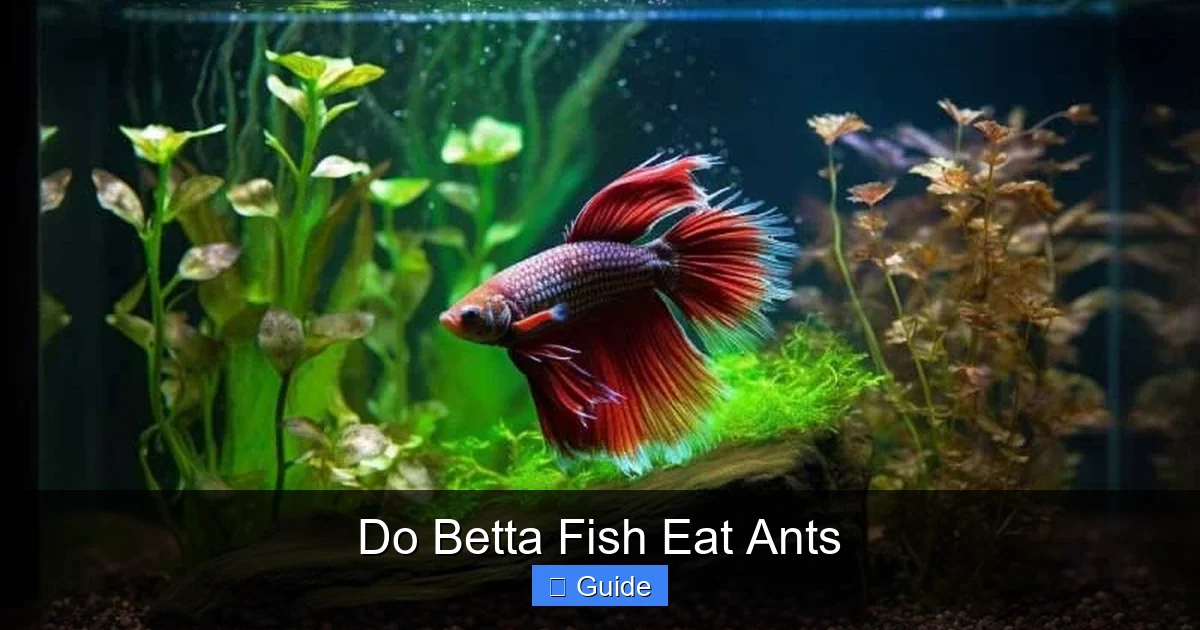
Visual guide about Do Betta Fish Eat Ants
Image source: bettafishnest.com
The Chitin Conundrum: Indigestible Armor
The ant’s exoskeleton is made of chitin, a very tough, fibrous polysaccharide. Bettas lack the specific enzymes (chitinases) to digest chitin effectively. While a small amount from a prey item like a brine shrimp (which has a softer exoskeleton) is fine and can even provide fiber, a full ant is a dense packet of indigestible material. Consuming it can lead to constipation, bloating, and digestive discomfort. A constipated betta is a stressed betta, prone to swim bladder issues and lethargy. It offers no nutritional “roughage” benefit that outweighs the risk of intestinal blockage.
The Pesticide Peril (The Biggest Threat)
This cannot be stressed enough. In our modern world, the greatest danger from an ant is what is on its body, not its body itself. Ants are common targets of household ant baits and sprays. These contain slow-acting poisons like boric acid or borax, or fast-acting neurotoxins. If an ant has walked through a bait station or across a treated perimeter, it carries a lethal dose for a small fish. Even ants from a garden treated with commercial insecticides or fungicides pose this risk. The toxin is absorbed through the ant’s cuticle and will leach directly into your betta’s tank water upon contact or when the ant is consumed. Symptoms of poisoning can be rapid and severe: gasping at the surface, loss of equilibrium, violent convulsions, and death. There is no antidote; prevention is the only cure.
What SHOULD You Feed Your Betta? The Safe & Nutritious Alternatives
Given the clear and present dangers of ants, the logical question is: what should you feed your betta to ensure a long, healthy, and vibrant life? The answer is a varied, high-quality diet centered on appropriate commercial foods and supplemented with safe, clean frozen or live foods.
The Foundation: High-Quality Betta Pellets
This should be the staple of your betta’s diet, making up 80-90% of its intake. Look for pellets where the first ingredient is a whole animal protein source (e.g., whole fish, shrimp, squid). Avoid pellets with fillers like wheat, soy, or potato starch as the primary ingredient. A good pellet is nutritionally complete, containing not just protein but essential fatty acids (omega-3s), vitamins (A, C, D, E), and minerals. Feed only what your betta can consume in 2-3 minutes, once or twice daily. Overfeeding is a leading cause of poor water quality and health problems.
Premium Frozen & Freeze-Dried Foods
These are excellent supplements that mimic a betta’s natural diet and provide dietary variety. Always thaw frozen foods in a cup of tank water before offering. Top choices include:
- Frozen Bloodworms: The larvae of midges, rich in protein and a true betta favorite. A great occasional treat.
- Frozen Brine Shrimp: Packed with natural carotenoids that enhance color. Their soft shells are easy to digest.
- Frozen Daphnia: Water fleas. Excellent for aiding digestion (they have a laxative effect) and are very nutritious.
- Freeze-Dried Foods: Convenient and shelf-stable. Soak them in tank water for a few minutes first to rehydrate and prevent digestive issues from expansion in the stomach.
Live Foods: The Gold Standard (With Caveats)
Live foods like microworms, vinegar eels, or small cultures of daphnia are the ultimate in stimulation and nutrition. They are packed with enzymes and are completely digestible. However, they come with a major caveat: you must culture them yourself or obtain them from a 100% trusted, pesticide-free source. Never collect live foods from your garden or yard, as they will be contaminated with pesticides, herbicides, and other chemicals. The risk of introducing a deadly pathogen or toxin to your closed aquarium system is too great. If you cannot guarantee a clean source, stick to frozen foods.
Practical Tank Management: Keeping Unwanted Visitors Out
Since the goal is to prevent ants from ever becoming an issue, proactive tank management is your best defense. This is about creating a physical barrier and maintaining a habitat that doesn’t attract foraging insects.
The Non-Negotiable: A Secure, Tight-Fitting Lid
If you have a betta, you must have a lid. Bettas are labyrinth fish and need access to atmospheric air, but that doesn’t mean your tank should be open. A mesh or solid lid with no gaps larger than a few millimeters is essential. It prevents ants, spiders, moths, and even small frogs from jumping or falling in. Check the lid daily for any gaps around the filter tubing, heater cords, or airline tubing. Use foam inserts or aquarium sealant to close any potential entry points. This is the single most effective step you can take.
Location, Location, Location
Place your betta tank away from external doors, windows left open, and kitchen counters where food is prepared (attracting ants). Avoid placing the tank directly on the floor if you have an ant infestation in your home, as foraging ants might climb the stand. Ensure the stand and surrounding area are clean and free of food debris or sticky residues that could attract ants.
What To Do If an Ant *Does* Get In
If you discover an ant in the tank, act quickly but calmly.
- Do not panic and do not encourage your betta to eat it.
- Remove it immediately. Use a fine mesh net to scoop it out. If it’s on the glass, you can sometimes slide the net behind it and gently lift.
- If the ant is alive and aggressive (like a fire ant), prioritize removing your betta temporarily to a clean, prepared hospital tank with water from the main aquarium. This prevents a sting and reduces stress.
- Perform a partial water change (25-30%) after removal, just in case any formic acid or surface contaminants were released. This is a good general practice after any foreign object enters the tank.
- Observe your betta closely for 24-48 hours for signs of distress: clamped fins, lethargy, rapid gill movement, loss of appetite, or visible sores.
Conclusion: Prioritizing Predictable Safety Over Wild Whimsy
The question “Do betta fish eat ants?” is answered with a biological yes, but a husbandry no. Your betta’s instinct to pursue a crawling insect is a remnant of its wild ancestry, a spark of the fierce, independent hunter it was born to be. But our role as keepers is to channel that instinct in safe, enriching ways—through a varied diet of appropriate foods, a stimulating environment with plants and hiding spots, and our interactive care. Introducing ants into this controlled environment is like offering a child a brightly colored, poisonous berry because it looks interesting. The potential for catastrophic harm—from invisible pesticides, corrosive formic acid, or a painful sting—is far too high for a nutritional benefit that is negligible at best.
Your betta’s health and longevity depend on the consistency and quality of what you provide. By committing to a diet of high-grade pellets, frozen treats, and (if sourced impeccably) live foods, you are giving your fish the best possible foundation for a life of vibrant color, active swimming, and bubble-nesting joy. By securing the tank lid and maintaining a clean, ant-free zone around the aquarium, you build a fortress against unpredictable dangers. Embrace your betta’s predatory spirit by offering it the safe, nutritious prey it craves, and take pride in the clear, calm, and thriving aquatic world you have created for it. That is the true mark of an expert and caring betta keeper.
Frequently Asked Questions
Can a single ant kill my betta fish?
It’s possible, especially if the ant was exposed to pesticides or is a stinging species like a fire ant. Even an untreated ant can cause stress or minor injury. The risk of death, while not guaranteed with every single ant, is significant enough to make it unacceptable as a food source.
What should I do if I see my betta has already eaten an ant?
First, do not panic. Observe your betta closely for the next 24-48 hours. Watch for signs of distress like gasping, lethargy, or clamped fins. Perform a 25% water change immediately to dilute any potential contaminants. If the ant was a fire ant or your betta shows concerning symptoms, consider consulting an aquatic veterinarian and be prepared with a hospital tank.
Are there any types of ants that are safe for bettas to eat?
There is no such thing as a “safe” ant for intentional feeding. Even pesticide-free ants from an untreated garden carry formic acid and indigestible chitin. The concept of safety in this context refers to the absence of human-applied toxins, but the ant’s own biological defenses still pose risks. No ant species is a nutritionally appropriate or risk-free food item.
Why do bettas seem so interested in ants if they’re not good for them?
>Their interest is pure instinct. In the wild, small, moving insects at the surface are part of a varied diet. Your betta’s brain is wired to recognize that movement as prey. This hardwired behavior does not equate to an understanding of nutritional value or modern risks like pesticides. It’s our job to override that instinct with safer, better options.
What is the safest way to give my betta a “live” food experience?
The safest way is to use commercially frozen foods that are thawed before feeding, like frozen brine shrimp or daphnia. These are harvested and processed in controlled environments, free from pesticides and pathogens. For the ultimate live experience, culture your own microworms or daphnia from a guaranteed clean starter culture, ensuring you control every aspect of their environment.
Do betta fish eat ants in the wild, and is that why they’re curious about them?
Yes, in their natural habitat, bettas will opportunistically consume terrestrial insects that fall into the water, including small ants. This historical diet is the root of their curiosity. However, the wild ecosystem is vastly different from our tap-water aquariums. Wild ants are not exposed to concentrated synthetic pesticides, and the betta’s environment is not a closed, finite system where a single toxin can concentrate and harm it. We cannot replicate wild conditions in our homes, so we must not replicate the diet without extreme caution.