Can a Betta Fish Live with Neon Tetras
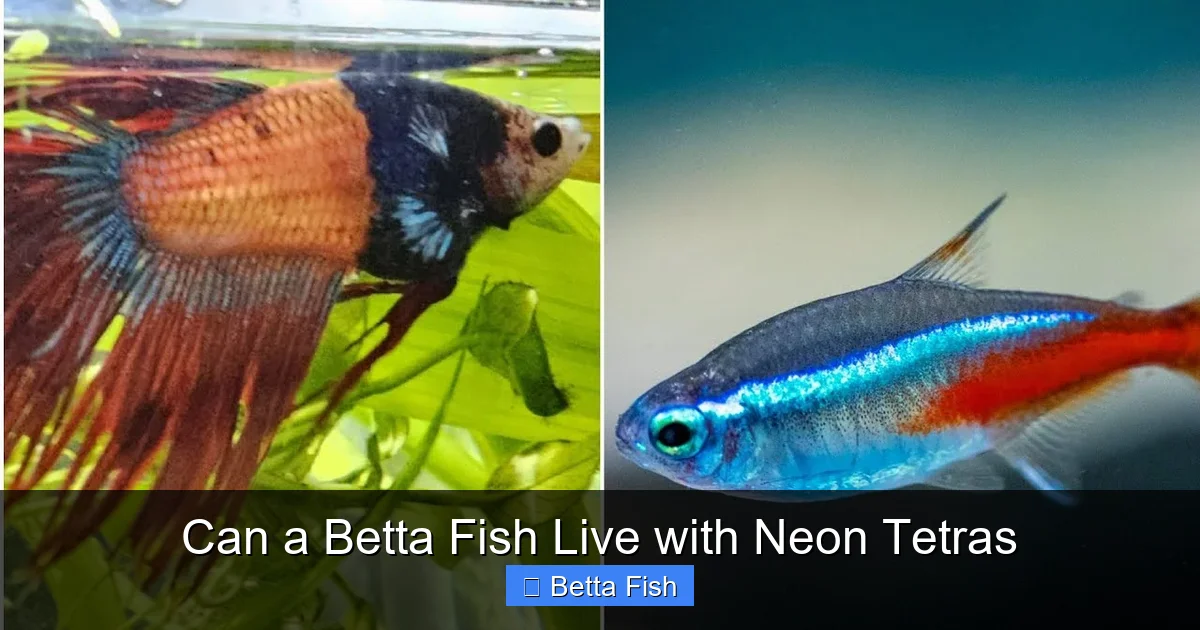
Betta fish can share a tank with neon tetras, but success depends on temperament, tank size, and careful planning. Provide plenty of hiding spots, keep the water conditions stable, and monitor behavior to ensure both species thrive together.
Key Takeaways
- Temperament matters: Choose a calm male betta and healthy, active neon tetras.
- Tank size is crucial: A minimum of 20 gallons gives enough space for territories.
- Water parameters must match: Both species prefer 76‑82 °F and a pH of 6.5‑7.5.
- Provide plenty of cover: Plants, driftwood, and decorations reduce stress.
- Observe closely: Early aggression signs mean you may need to separate them.
- Compatible tank mates exist: Small peaceful fish like guppies or rasboras can also work.
- Regular maintenance: Clean water and balanced feeding keep both species healthy.
📑 Table of Contents
- Introduction: Why the Question Pops Up
- Understanding the Basics of Both Species
- Matching Water Parameters: The First Compatibility Test
- Tank Size, Layout, and Hiding Places
- Introducing the Betta and Neon Tetras
- Feeding Strategies for a Mixed Community
- Potential Problems and How to Solve Them
- Success Stories: Real‑World Examples
- Alternative Tank Mates If Neon Tetras Don’t Work
- Conclusion: Making the Decision
Introduction: Why the Question Pops Up
When you first see a dazzling neon tetra swimming in a school, it’s hard not to imagine it sharing a vibrant home with the flamboyant betta. Both fish are popular among beginners, yet they have very different personalities. The betta (Betta splendens) is known for its bold fins and, sometimes, its feisty nature. Neon tetras (Paracheirodon innesi) are tiny, peaceful, and love to move in groups. So, can a betta fish live with neon tetras? The short answer is “yes, it’s possible,” but the long answer involves careful planning, a suitable tank, and ongoing observation.
In this article we’ll break down everything you need to know—from water requirements to tank decoration—so you can decide if this pairing is right for you. We’ll also sprinkle in real‑world examples, practical tips, and a few common pitfalls to avoid.
Understanding the Basics of Both Species
Betta Fish: Personality and Needs
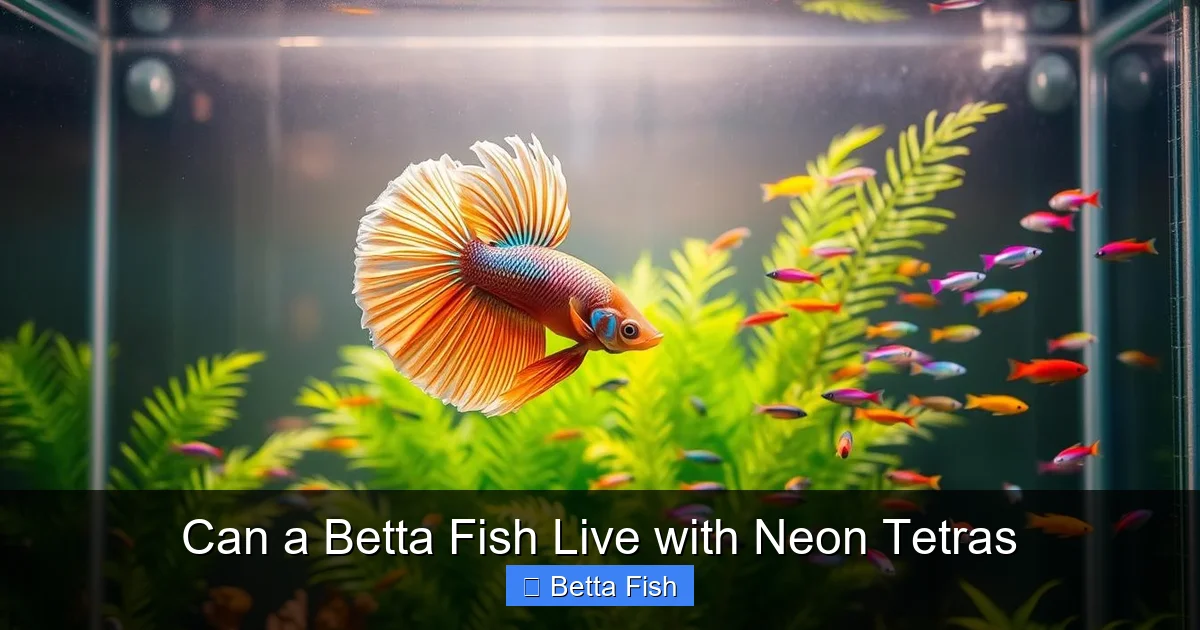
Betta fish are labyrinth fish, meaning they can breathe air from the surface. They are native to shallow, warm waters of Thailand and Vietnam, where they often live alone. Males, in particular, are territorial and will flare their fins at perceived rivals. Despite this reputation, many bettas are surprisingly calm when given enough space and visual barriers.
Visual guide about Can a Betta Fish Live with Neon Tetras
Image source: koibettafish.com
Key care points:
- Temperature: 76‑82 °F (24‑28 °C)
- pH: 6.5‑7.5
- Tank size: Minimum 5 gallons for a single betta, larger for community setups.
- Diet: High‑protein pellets, frozen or live foods.
Neon Tetras: Schooling Behavior and Requirements
Neon tetras are small (about 1.5 inches) and thrive in groups of six or more. In the wild they inhabit slow‑moving, heavily planted streams in the Amazon basin. Their bright blue and red stripes are most vivid in soft, slightly acidic water.
Key care points:
- Temperature: 72‑78 °F (22‑26 °C)
- pH: 6.0‑7.0, slightly softer water.
- Tank size: At least 10 gallons for a small school.
- Diet: Flake foods, micro‑pellets, and occasional live or frozen daphnia.
Matching Water Parameters: The First Compatibility Test
Finding the Overlap
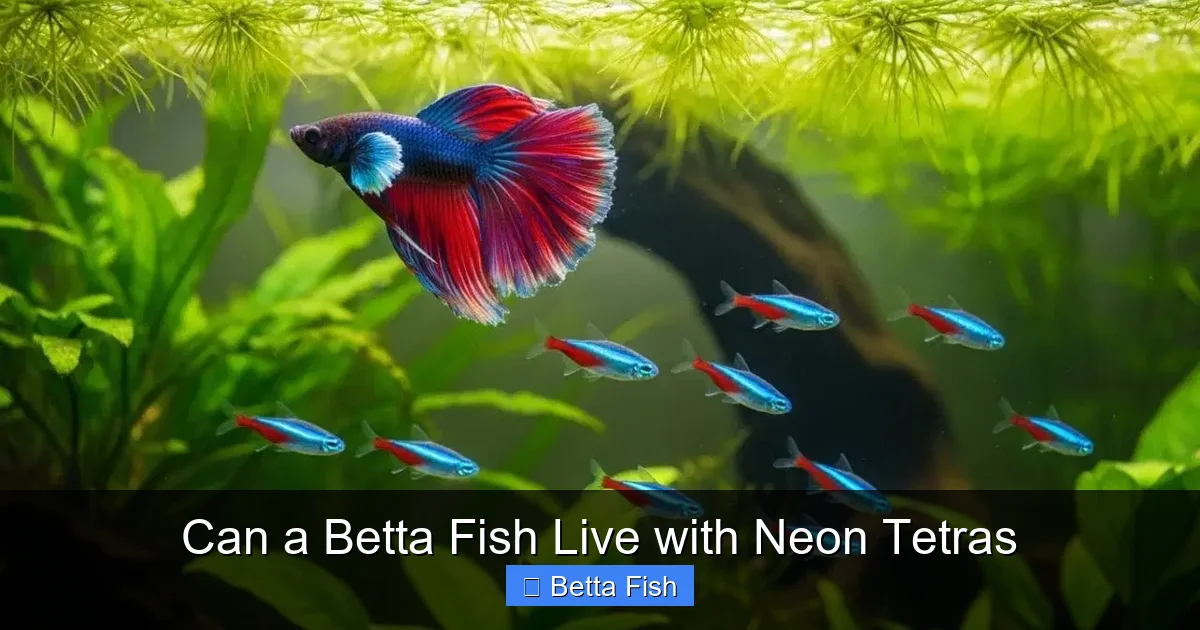
Both bettas and neon tetras enjoy a temperature range that overlaps nicely at 76‑78 °F. This makes it easy to set a thermostat that satisfies both. The pH overlap is also comfortable; aim for a neutral 7.0 to keep things simple.
Visual guide about Can a Betta Fish Live with Neon Tetras
Image source: ekk4j69ebaa.exactdn.com
Hardness and Filtration
Neon tetras prefer softer water (3‑8 dGH) while bettas can tolerate a wider range. Using a gentle filter—like a sponge filter—helps maintain water quality without creating a strong current that might stress tetras.
Testing and Adjusting
Invest in a reliable test kit. If your tap water is too hard, add driftwood or peat to lower hardness naturally. Remember to change 25‑30% of the water weekly to keep nitrate levels low.
Tank Size, Layout, and Hiding Places
Why Bigger Is Better
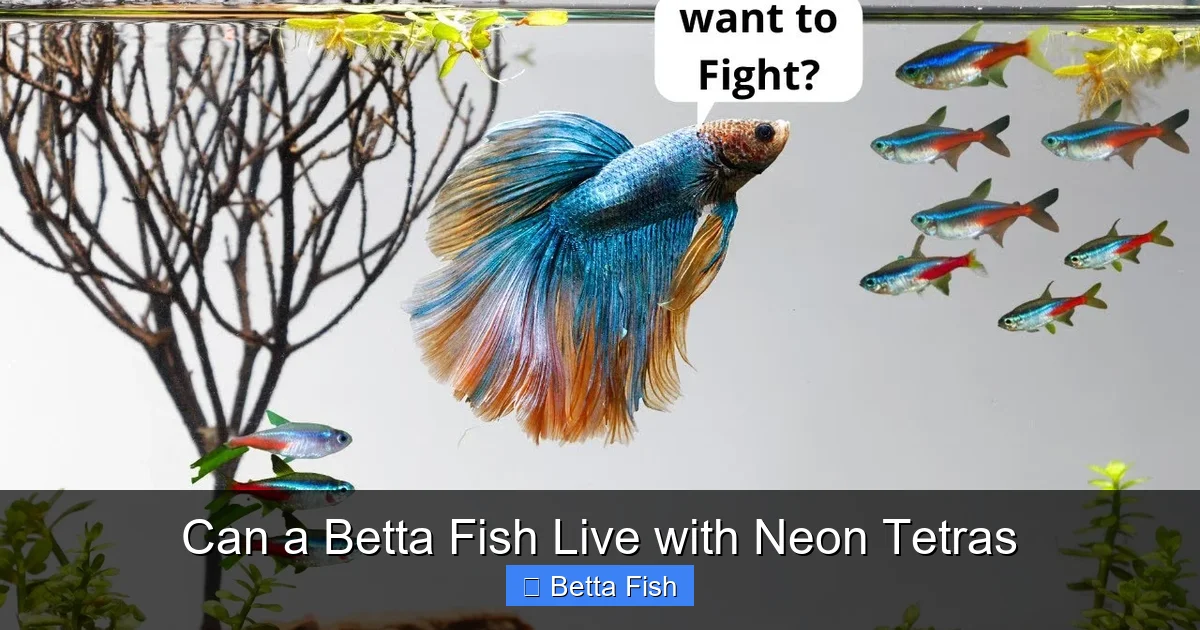
A 20‑gallon long tank is ideal for a betta‑neon community. It provides enough horizontal swimming space for tetras and separate zones for the betta to claim. In a smaller 10‑gallon tank, the betta may become territorial, leading to stress or aggression.
Visual guide about Can a Betta Fish Live with Neon Tetras
Image source: i.ytimg.com
Creating Distinct Territories
Use live plants such as Java fern, Anubias, and floating “budding” plants to break sight lines. Add pieces of driftwood, smooth rocks, and ceramic caves. The goal is to give the betta a “home base” and the tetras plenty of places to dart in and out of.
Lighting and Flow
Neon tetras love subdued lighting that mimics their shaded forest habitat. A dimmable LED with a 10‑hour day cycle works well. Keep water flow gentle; a strong current can exhaust tetras and make the betta feel exposed.
Introducing the Betta and Neon Tetras
Quarantine First
Always quarantine new fish for at least two weeks. This prevents the spread of disease to your betta and existing tetras.
Acclimation Steps
- Float the bag in the tank for 15‑20 minutes to equalize temperature.
- Gradually add 1 cup of tank water to the bag every 5 minutes for an hour.
- Release the neon tetras gently, preferably into a planting area.
Introducing the Betta
After the tetras have settled (usually 24‑48 hours), turn off the aquarium lights for a short “dark period.” This reduces visual aggression. Then, using a clear divider, place the betta on the opposite side of the tank for a few hours. Observe any flaring or chasing. If the betta remains calm, remove the divider and watch closely for the first 24 hours.
When to Separate
If the betta continuously chases, bites, or the tetras show signs of stress (faded colors, hiding all the time), it’s best to move the betta to a separate tank. Remember, every betta is an individual; some will never accept tank mates.
Feeding Strategies for a Mixed Community
Feeding the Betta
Offer a small pellet or a frozen bloodworm once daily. Bettas have small stomachs; overfeeding can cause constipation.
Feeding the Neon Tetras
Scatter a pinch of high‑quality flake food near the surface twice a day. The tiny particles sink slowly, giving tetras time to eat before the betta reaches them.
Joint Feeding Tips
- Use a feeding ring to localize food.
- Feed betta in the evening and tetras in the morning to reduce competition.
- Consider occasional live foods like daphnia for the tetras, which also act as enrichment.
Potential Problems and How to Solve Them
Aggression from the Betta
If flaring becomes frequent, increase the number of plants or add a tall background to break the line of sight. Sometimes moving the betta’s favorite perch to a higher spot helps it feel more secure.
Fin Nipping by Tetras
While rare, some neon tetras may nip at a betta’s fins if they’re unusually long. Trim the betta’s fins slightly (using aquarium scissors) and ensure the tetras have enough schooling space.
Water Quality Issues
Both species are sensitive to ammonia and nitrite spikes. Use a reliable bio‑filter and perform weekly water changes. If you notice cloudy water or fish gasping at the surface, test immediately.
Illness Detection
Look for white spots (Ich), faded colors, or ragged fins. Early treatment with appropriate medication (e.g., copper‑based for Ich) can save both the betta and the tetras.
Success Stories: Real‑World Examples
Case Study 1: A 25‑Gallon Community
Sarah set up a 25‑gallon long tank with a male betta, a school of eight neon tetras, and a few cherry shrimp. She used live plants and a gentle sponge filter. After a week of observation, the betta displayed occasional curiosity but never chased the tetras. Both species flourished, and the shrimp helped clean leftover food.
Case Study 2: A 15‑Gallon Tank Gone Wrong
Mike tried to keep a male betta with six neon tetras in a 15‑gallon tank that lacked plants. Within two days, the betta began flaring and chasing, causing the tetras to hide and lose color. Mike learned that tank size and cover are essential, and he later moved the betta to a separate 5‑gallon tank.
Alternative Tank Mates If Neon Tetras Don’t Work
If you find that neon tetras and your betta just can’t get along, there are other peaceful fish that often coexist well with bettas. For example, guppies, small rasboras, and even some dwarf gouramis can be good options. Check out our guide on what fish can live with a male betta for more ideas.
Another popular choice is a small algae eater like the Siamese algae eater. Learn how to pair them safely in our article can a betta fish live with an algae eater.
Conclusion: Making the Decision
So, can a betta fish live with neon tetras? Yes—provided you give them a spacious, well‑planted tank, match water parameters, and monitor their behavior closely. The key is to respect the betta’s territorial nature while offering the tetras ample room to school and hide. With patience and a bit of trial and error, many aquarists enjoy the striking contrast of a vibrant betta alongside a shimmering school of neon tetras.
Remember, every fish is an individual. If aggression persists, it’s perfectly okay to keep them separate and still enjoy a beautiful, thriving aquarium. Happy fishkeeping!
Frequently Asked Questions
Can a betta fish live with neon tetras in a small tank?
It’s possible, but a tank smaller than 20 gallons often leads to stress and aggression. A larger tank provides enough space for territories and hiding spots.
What size tank is best for betta and neon tetras together?
A minimum of 20‑gallon long tank is recommended. This gives the betta a defined area and the tetras room to school.
Do neon tetras need a school when kept with a betta?
Yes. Neon tetras feel safest in groups of six or more. A school reduces stress and makes them less likely to become targets.
How often should I feed a betta and neon tetras in the same tank?
Feed the betta once daily with a small pellet or frozen food, and offer the tetras two small feedings of flake or micro‑pellet food each day.
What signs indicate that the betta is being aggressive?
Look for frequent flaring, chasing, or nipping at the tetras’ fins. If the tetras hide all the time or lose color, it’s a warning sign.
Can I add other peaceful fish if neon tetras don’t work?
Yes. Species like guppies, rasboras, or dwarf gouramis often coexist well with bettas. See our article on what fish can live with a male betta for more options.