Can Betta and Koi Fish Live Together
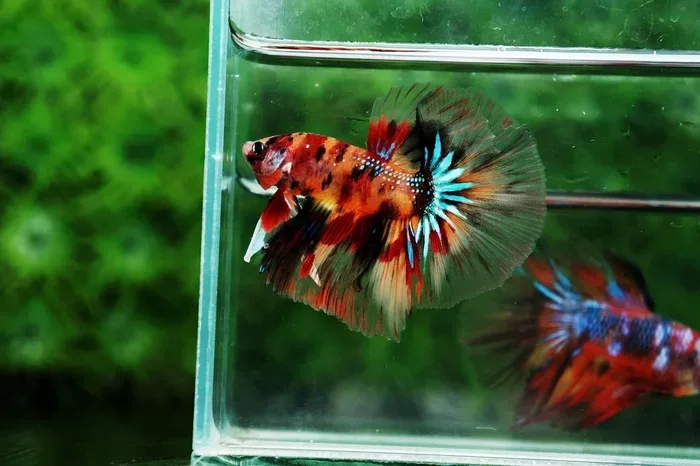
Can betta and koi fish live together? The short answer is it depends on your setup. While these two species have very different needs, there are situations where they can coexist. This guide covers everything you need to know about betta and koi fish live together arrangements, from tank size to water temperature and behavior.
Many fish keepers dream of a stunning tank where betta and koi fish live together. The bright colors of a koi carp combined with the flowing fins of a betta create an eye-catching display. But can this dream actually work in a real aquarium? The truth is more complicated than most people think.
Both bettas and koi are popular freshwater fish. They each bring beauty and personality to a tank. But they also have very different needs. Understanding these differences is the first step toward making any betta fish compatibility situation work. In this guide, we break down everything you need to know.
If you have ever searched for koi fish tank mates, you are not alone. This is a common question among hobbyists. Whether you are a beginner or a seasoned aquarist, this article will give you the honest answers you need. Let us dive in.
Key Takeaways
- Koi fish grow very large: A koi can reach 24+ inches, which makes small tanks a bad idea for housing both species.
- Temperature differences matter: Bettas prefer warm water around 78-80°F, while koi thrive in cooler water between 65-75°F.
- Betta fish can be aggressive: Their territorial nature may cause stress when housed with large, active fish like koi.
- A massive tank or pond is essential: If you want to try keeping them together, you need at least 200+ gallons or an outdoor pond.
- Not all bettas are the same: Some bettas are more peaceful and may adjust better to a community setup with koi.
- Monitor closely: Always watch for signs of stress, fin nipping, or disease when introducing any two species.
- Consider alternatives: There are better tank mate options for bettas, such as dwarf gouramis or algae eaters.
📑 Table of Contents
Understanding Betta and Koi Fish
Before you even think about putting these fish in the same tank, you need to understand where each species comes from and what they need. Both fish are beautiful, but they are very different in behavior and care requirements.
What Is a Betta Fish?
Betta fish, also called Siamese fighting fish, come from Southeast Asia. They live in warm, slow-moving waters like rice paddies and shallow ponds. Bettas are known for their long, colorful fins and their territorial behavior. Male bettas especially can be very aggressive toward other fish that look similar or have long fins.
Here are some key facts about bettas:
- Size: 2 to 3 inches long
- Temperature: 78 to 80 degrees Fahrenheit
- Temperament: Territorial and sometimes aggressive
- Lifespan: 3 to 5 years with proper care
- Tank size minimum: 5 gallons for a single betta
Bettas are also known as labyrinth fish. This means they can breathe air from the surface. This unique trait helps them survive in low-oxygen water in the wild. It also means they need access to the water surface in a tank.
What Is a Koi Fish?
Koi fish are a type of carp. They originate from East Asia and are bred for their vibrant patterns and colors. Koi are much larger than bettas and they grow fast. A full-grown koi can reach 24 inches or more in length.
Here are some key facts about koi:
- Size: 12 to 24+ inches long
- Temperature: 65 to 75 degrees Fahrenheit
- Temperament: Active and curious
- Lifespan: 25 to 35 years or more
- Tank size minimum: 200+ gallons or outdoor pond
Koi are also known to be active diggers. They like to root around in the substrate, which can disturb plants and decorations. This behavior can stress more timid fish like bettas.
Can Betta and Koi Fish Live Together?
The honest answer is it is very difficult. While it is technically possible in some cases, there are many challenges. The size difference alone is a big concern. A koi fish can easily outgrow a small tank and may accidentally harm a betta with its movements.
Here is the main problem: betta and koi fish live together only under very specific conditions. You need a huge tank or an outdoor pond. A standard 10 or 20-gallon aquarium will not work. In a small space, the koi will become stressed, and the betta will feel threatened.
That said, some aquarists have had success in large setups. If you have a 300-gallon tank or a spacious garden pond, the chances improve. But even then, you must watch their behavior closely. Not every combination will work.
If you are looking for easier betta fish tank mates, consider species that are closer in size and temperament. For example, you might want to read about can betta fish and dwarf gourami live together for a more practical community tank option.
Tank Size and Setup Requirements
If you are serious about making betta and koi fish live together work, the tank setup is everything. You cannot just drop both species into any aquarium and hope for the best. A proper setup reduces stress and prevents fights.
Minimum Tank Size
The general rule is simple: the bigger, the better. For koi fish, a minimum of 200 gallons is recommended for just one fish. Add a betta to the mix, and you should go even larger. A 300-gallon tank or more gives both fish enough room to swim without constantly crossing paths.
Here is a quick size guide:
- Under 50 gallons: Not suitable. Too small for koi and stressful for both species.
- 50 to 100 gallons: Still too small for koi. A betta might survive, but the koi will struggle.
- 100 to 200 gallons: Better, but still tight for a full-grown koi.
- 300+ gallons or outdoor pond: The sweet spot for a koi and betta community tank.
Tank Setup Tips
A good setup helps reduce aggression and keeps both species healthy. Here are some tips:
- Add plenty of hiding spots. Plants, caves, and decorations give the betta a place to retreat if it feels threatened.
- Use soft substrate. Koi like to dig, so avoid sharp gravel. Sand is a safer choice.
- Install strong filtration. Koi produce a lot of waste. A powerful filter keeps the water clean.
- Provide open swimming space. Both fish need room to move around freely.
- Add floating plants. Bettas love resting near the surface. Floating plants like water lettuce give them a cozy spot.
For more ideas on keeping bettas with other species, check out can betta fish and algae eaters live together for peaceful community tank inspiration.
Water Temperature and Parameters
One of the biggest challenges when trying to make betta and koi fish live together is the temperature difference. These two species come from very different environments, and their ideal water conditions do not always overlap.
Temperature Preferences
Bettas are tropical fish. They need warm water between 78 and 80 degrees Fahrenheit. Koi, on the other hand, are coldwater fish. They prefer temperatures between 65 and 75 degrees Fahrenheit. This creates a conflict.
In a perfect world, you would find a middle ground around 74 to 76 degrees Fahrenheit. This range is tolerable for both species, but it is not ideal for either. Over time, the slight temperature stress can weaken their immune systems and make them more prone to disease.
Here is a quick comparison:
- Bettas: 78-80°F (ideal), can tolerate 74-82°F
- Koi: 65-75°F (ideal), can tolerate 60-80°F
- Overlap zone: 74-76°F (acceptable but not perfect)
pH and Water Quality
Both species prefer a slightly neutral pH between 6.5 and 7.5. Koi can tolerate a wider range, but bettas are more sensitive. Regular water testing and maintenance are essential. You should test the water at least once a week and perform partial water changes every one to two weeks.
Good water quality prevents fish disease and keeps both species healthy. A filtration system rated for a tank larger than yours is always a smart choice. It helps handle the heavy waste load that koi produce.
Behavior and Compatibility
Understanding how both species behave is key to deciding if they can share a space. Not all fish get along just because they are in the same tank. Compatibility depends on temperament, activity level, and physical traits.
Betta Behavior
Betta fish are known for their aggressive tendencies. Male bettas will often flare at fish that have bright colors or long fins. A koi fish, with its bold patterns and flowing movements, can trigger this response. The betta may see the koi as a rival and start chasing it.
Female bettas are generally less aggressive than males. A female betta might adjust better to a shared tank. However, even female bettas can become territorial in small spaces.
Koi Behavior
Koi are curious and active fish. They swim fast and can accidentally bump into a betta. A koi might also try to eat small particles near a betta’s fins, which can cause stress. In most cases, koi do not intentionally harm bettas, but their size and energy can be a problem.
If you want to explore easier community tank options, many aquarists have success keeping bettas with smaller, peaceful species. For instance, you can read about can guppy and betta fish live together in one aquarium for a more compatible pairing.
Signs of Stress to Watch For
Whether you are trying to house bettas with koi or any other species, watch for these warning signs:
- Clamped fins: The fish holds its fins close to its body.
- Loss of color: The fish looks pale or faded.
- Hiding constantly: The fish refuses to come out.
- Not eating: The fish ignores food for more than a day.
- Flaring or chasing: The betta constantly displays at the koi or other tank mates.
If you notice any of these signs, it is time to separate the fish. No tank setup is worth the health of your animals.
Practical Tips for Success
If you have decided to try making betta and koi fish live together, here are some practical tips to improve your chances of success.
Start with a Large Tank
Do not attempt this in a small aquarium. A large tank gives both fish space to establish their own territories. The more room there is, the less likely they are to cross paths and get into conflicts.
Introduce Them Slowly
Do not add both fish to the tank at the same time. Start by placing the koi in the tank first and letting the filter run for a few days. Then, add the betta last. This gives the betta time to adjust to the new environment without feeling immediately threatened.
Feed Them Separately
Bettas and koi have different feeding habits. Bettas are carnivores and prefer small pellets or frozen foods. Koi are omnivores and eat a wider variety of foods. Feed them in different areas of the tank to prevent competition and overfeeding.
Monitor Water Parameters Daily
Koi produce a lot of waste. This can quickly dirty the water and harm the betta. Test ammonia, nitrite, and nitrate levels regularly. Keep ammonia and nitrite at zero, and nitrates below 20 ppm.
Be Ready to Separate
Sometimes, despite your best efforts, the fish simply do not get along. Have a backup tank or divider ready. Being prepared saves both fish from unnecessary stress and injury.
When to Keep Them Separate
Not every situation works for housing bettas with koi. Here are some clear signs that you should keep them apart:
- Your tank is under 100 gallons.
- Your koi is still growing and will soon outgrow the tank.
- Your betta shows signs of aggression or stress.
- Your water parameters are unstable.
- You do not have a strong filtration system.
In these cases, it is better to keep them in separate tanks. Both fish will be happier and healthier. You can still enjoy their beauty by placing their tanks side by side.
If you are looking for other options, consider species that are naturally better suited to live with bettas. There are many peaceful fish and invertebrates that make great betta fish tank mates. The key is finding a match that shares similar water conditions and temperament.
Conclusion
So, can betta and koi fish live together? The answer is yes, but only under the right conditions. You need a very large tank or outdoor pond, compatible water parameters, and close monitoring. The temperature difference and size gap make this a challenging combination for most hobbyists.
If you are a beginner, it is better to start with easier betta fish compatibility options. Species like dwarf gouramis, algae eaters, or certain peaceful community fish are more forgiving and much easier to manage.
For experienced aquarists with a large setup, giving betta and koi a chance can be rewarding. Just remember to prioritize the health and safety of both fish. A successful koi and betta community tank is possible, but it takes planning, patience, and commitment.
Take what you have learned from this guide, plan your setup carefully, and enjoy the process. Fish keeping is all about learning and adapting. Whether your betta and koi live together or separately, the goal is always the same: happy, healthy fish.
Frequently Asked Questions
Can a betta fish live with koi in a 50-gallon tank?
No, a 50-gallon tank is too small for koi fish. Koi can grow over 24 inches and need at least 200 gallons. A tank that small would stress both the koi and the betta. Always choose a much larger tank if you want to attempt this combination.
What is the best temperature for both betta and koi fish?
The best compromise temperature is around 74 to 76 degrees Fahrenheit. This range is tolerable for both species but not ideal for either. Bettas prefer warmer water while koi prefer cooler water. A good heater and thermometer help you maintain a stable temperature.
Will a koi fish eat a betta fish?
Koi are not likely to intentionally eat a betta, but they can accidentally harm it. Koi are large and active swimmers that may bump into or nip at a betta’s long fins. Always provide plenty of hiding spots and space to reduce the risk of injury.
Can female bettas live with koi fish?
Female bettas are generally less aggressive than males, which makes them slightly better candidates for a shared tank. However, the size difference and water temperature challenges still apply. A very large tank or pond is still required for any success.
Are there better tank mates for bettas than koi?
Yes, there are many better options. Peaceful species like dwarf gouramis, algae eaters, and certain community fish are much more compatible with bettas. These species share similar water conditions and are closer in size, which reduces the risk of conflict.
How do I know if my betta is stressed living with koi?
Watch for clamped fins, loss of color, hiding behavior, not eating, or constant flaring. These are clear signs that your betta is not comfortable. If you notice these behaviors, separate the fish immediately and reassess your tank setup.