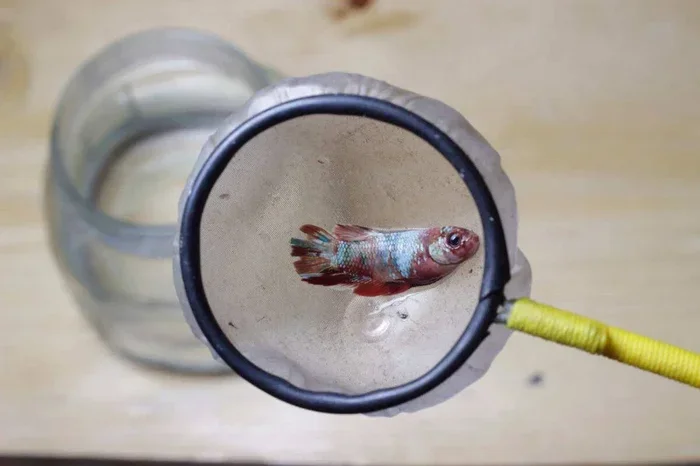
Can a Female Betta Fish Lay Eggs Without a Male
Yes, a female betta fish can lay eggs without a male present. However, these eggs are typically unfertilized and will not hatch into baby fish. Understanding the egg-laying process helps you care for your female betta better and avoid common mistakes.
Key Takeaways
- Female bettas can lay eggs on their own: They do not need a male to produce or release eggs.
- Unfertilized eggs will not hatch: Without a male to fertilize them, the eggs are infertile and will not develop into fry.
- Egg-laying is a natural process: It happens as part of a female betta’s reproductive cycle, not necessarily because a male is nearby.
- You can prevent egg-laying: Proper tank conditions and diet management can reduce the frequency of egg production.
- Remove unfertilized eggs promptly: This keeps the tank clean and prevents water quality issues.
- Know the difference between male and female roles: Males build bubble nests and fertilize eggs, while females release them.
- Health matters: A well-cared-for female betta is less likely to experience stress related to egg production.
📑 Table of Contents
- Can a Female Betta Fish Lay Eggs Without a Male?
- Why Do Female Bettas Lay Eggs Without a Male?
- Should You Be Concerned About Unfertilized Eggs?
- How to Tell If Eggs Are Fertilized or Unfertilized
- Common Mistakes Fish Owners Make With Female Betta Eggs
- Quick Tips for Female Betta Care During Egg-Laying
- Can You Prevent a Female Betta From Laying Eggs?
- Final Thoughts
Can a Female Betta Fish Lay Eggs Without a Male?
If you own a female betta fish, you might have noticed tiny eggs or a swollen belly and wondered what is going on. The short answer is yes, a female betta fish can lay eggs without a male. But there is a lot more to this story that every fish owner should understand.
Female bettas have a natural reproductive cycle. Their bodies produce eggs regularly, whether or not a male is present. This process is completely normal and does not always mean your fish is pregnant or unwell. However, knowing what to expect can save you a lot of confusion and stress.
Many first-time betta owners panic when they see eggs in the tank. Some think something is wrong. Others worry about finding tiny fry swimming around. In reality, female betta egg-laying without a male is a common and well-understood phenomenon. Let us break it all down for you.
How Betta Reproduction Works
To understand why a female can lay eggs alone, you need to know the basics of betta reproduction. In the wild, bettas breed in shallow rice paddies and slow-moving waters. The process involves both a male and a female working together.
When a male and female are ready to mate, the male builds a bubble nest at the surface of the water. He then wraps his body around the female in a behavior called “spawning.” During this embrace, the female releases eggs, and the male fertilizes them right away. The male then carefully places the fertilized eggs into the bubble nest.
But here is the key point. The female’s body produces eggs on its own. She does not need the male to create the eggs. He is only needed to fertilize them. This is why can a female betta fish lay eggs without a male has a clear yes as the answer.
What Happens When a Female Lays Eggs Without a Male
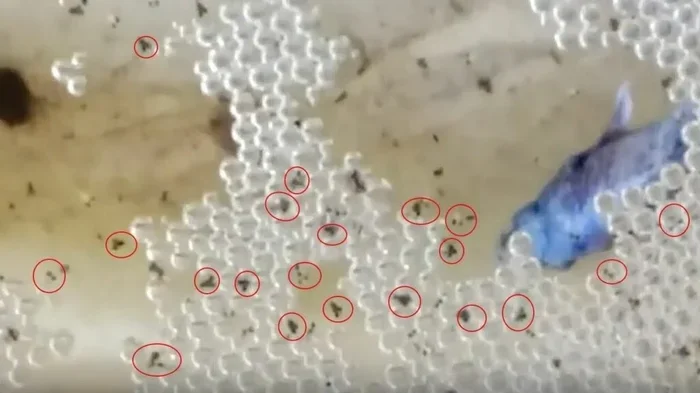
When a female betta lays eggs without a male nearby, those eggs are unfertilized. They will not develop into baby bettas. The eggs are usually small, white, and translucent. You might find them floating on the surface or settling at the bottom of the tank.
Unfertilized eggs typically do not last long in the tank. They may get eaten by the female herself or start to decay. Decaying eggs can affect water quality if they are not removed. This is why it is a good idea to check your tank regularly if you know your female is prone to laying eggs.
Some fish owners confuse unfertilized eggs with a sign of illness. That is not the case. Egg-laying is a healthy, natural function. It shows that your female betta is in good reproductive health. If anything, it means her body is working as it should.
Signs Your Female Betta Is About to Lay Eggs
Watch for these signs if you think your female betta is getting ready to lay eggs:
- Swollen or rounded belly: The abdomen may look larger than usual.
- White spot on the underside: This is the ovipositor, where eggs will come out.
- Increased appetite: She may eat more than usual before laying.
- Restlessness: Swimming more frantically or hiding more often.
- Vertical stripes on the body: These are called “breeding bars” and appear when she is ready.
Not all female bettas show every sign. Some are very subtle. Others display several clear signals. The important thing is to observe your fish regularly so you know what is normal for her.
Why Do Female Bettas Lay Eggs Without a Male?
This is one of the most common questions people ask. The reason is simple. A female betta’s body is designed to reproduce. Egg production is driven by biology, not by the presence of a male. Think of it like this. A hen lays eggs whether or not a rooster is around. The same principle applies to bettas.
Several factors can trigger egg-laying in female bettas:
- Age and maturity: Female bettas reach breeding age around 4 to 6 months. Once mature, their bodies start producing eggs regularly.
- Water temperature: Warmer water can stimulate the reproductive system and encourage egg development.
- Tank conditions: A well-maintained tank with good food and low stress can promote healthy reproductive cycles.
- Presence of a male: Even if the male is in a separate tank, a female might still lay eggs because she can sense his presence through the water.
The frequency of egg-laying varies from fish to fish. Some females lay eggs every few weeks. Others do it only a couple of times a year. Both patterns are perfectly normal.
The Role of the Male Betta in Egg Fertilization
While the female produces the eggs, the male plays a critical role in making them viable. Without the male, the eggs simply cannot be fertilized. This means no baby bettas will result from eggs laid without a male present.
The male betta’s job starts with building a bubble nest. He blows tiny bubbles that stick together at the water’s surface. This nest serves as a safe place for fertilized eggs. During spawning, the male wraps around the female and squeezes gently. This causes the female to release her eggs, and the male releases milt to fertilize them simultaneously.
If you are interested in breeding bettas, you need both a healthy male and a healthy female. You also need the right setup, including a separate breeding tank and a bubble nest. If you do not want fry, keeping males and females apart is the safest approach.
Many people ask can you put a male and female betta fish together for breeding. The answer is yes, but only under controlled conditions. They should be introduced carefully and monitored closely during the process.
Should You Be Concerned About Unfertilized Eggs?
The short answer is no. Unfertilized eggs are not harmful to your female betta or to other fish in the tank. However, there are a few things you should keep in mind.
First, unfertilized eggs can decay if they are not eaten. Decaying organic matter can raise ammonia levels in the water. This can be harmful to all fish in the tank. If you notice a lot of eggs, it is a good idea to remove them with a small net or siphon.
Second, some female bettas eat their own unfertilized eggs. This is normal behavior. They do it to recover nutrients and maintain energy. Do not be alarmed if you see your female consuming her eggs. It is part of her natural instinct.
Third, frequent egg-laying can drain a female’s energy. If you notice your betta looking thin or lethargic after laying eggs, consider adjusting her diet. High-quality food with extra protein can help her recover faster.
How to Manage Egg-Laying in a Community Tank
If your female betta lives with other fish, unfertilized eggs can become a problem. Other fish might eat the eggs, which can lead to aggression or overfeeding. Here are some tips to manage this situation:
- Remove eggs promptly: Use a small net to scoop them out before they decay.
- Monitor water parameters: Test ammonia, nitrite, and nitrate levels more often during egg-laying periods.
- Provide hiding spots: Plants and decorations give your female a place to deposit eggs safely.
- Feed other fish separately: This reduces the chance of tankmates eating the eggs and overeating.
Keeping a close eye on your tank during this time helps maintain a healthy environment for all your fish.
How to Tell If Eggs Are Fertilized or Unfertilized
It is important to know the difference between fertilized and unfertilized eggs. This helps you decide what to do with them and whether breeding might be happening.
Unfertilized eggs are usually white and translucent. They do not change much over time. They may float or sink depending on their size and the water current. Eventually, they will start to look fuzzy if they begin to decay.
Fertilized eggs, on the other hand, may develop a small dark spot in the center. This is the embryo. Over a few days, the eggs will grow slightly larger and the dot becomes more visible. In a proper breeding setup with a male, fertilized eggs are carefully guarded and placed in the bubble nest.
If you want to try breeding, learning about can male and female betta fish mate properly is essential. It takes patience and the right conditions, but it is a rewarding experience for experienced fish keepers.
Common Mistakes Fish Owners Make With Female Betta Eggs
Even experienced fish owners make mistakes when it comes to female betta egg-laying. Here are the most common ones to avoid:
- Thinking the fish is sick: Many owners panic when they see eggs or a swollen belly. Egg-laying is normal and healthy.
- Ignoring unfertilized eggs: Letting them decay in the tank can harm water quality and stress your fish.
- Overfeeding after egg-laying: While good nutrition matters, overfeeding can lead to obesity and poor water conditions.
- Keeping a male and female together without preparation: This can lead to aggression and injury if the tank is not set up properly.
- Assuming all eggs will hatch: Without a male, eggs will not produce fry. Setting expectations too high leads to disappointment.
Avoiding these mistakes keeps your female betta healthy and your tank running smoothly.
Quick Tips for Female Betta Care During Egg-Laying
Here are some fast tips to keep your female betta happy and healthy when she is laying eggs:
- Keep the water temperature between 78 and 80 degrees Fahrenheit.
- Feed high-quality betta pellets and occasional live or frozen foods.
- Perform regular water changes to maintain clean conditions.
- Provide plenty of plants and hiding spots in the tank.
- Observe your fish daily for any signs of stress or illness.
- Remove unfertilized eggs within 24 to 48 hours.
- Avoid sudden changes in lighting or tank setup during this time.
These simple steps make a big difference in your female betta’s comfort and overall health.
Can You Prevent a Female Betta From Laying Eggs?
If you do not want your female betta to lay eggs, there are a few things you can do. Keep the water temperature slightly cooler, around 75 to 77 degrees Fahrenheit. This can slow down the reproductive cycle. Also, reduce the amount of protein-rich food, as this can stimulate egg production.
Another option is to keep your female betta in a tank without any males nearby. Even though she will still lay eggs, the frequency may decrease without the hormonal triggers from a male’s presence. Some owners also choose to keep female bettas in groups called sororities. This can help distribute energy and reduce the focus on reproduction.
However, keep in mind that you cannot completely stop a healthy female from laying eggs. It is a natural part of her biology. The goal should be to manage the process, not eliminate it entirely.
Many people also ask can you keep a male and female betta fish together to manage breeding. While this is possible, it requires careful planning and a well-structured tank setup.
Final Thoughts
So, can a female betta fish lay eggs without a male? Absolutely. It is a natural, healthy, and common process. The eggs will simply be unfertilized and will not hatch into baby fish. Understanding this helps you be a better and more confident fish owner.
Whether you are a beginner or a seasoned hobbyist, knowing how female bettas reproduce gives you an edge in caring for them properly. Watch for the signs, manage the tank environment, and enjoy watching your fish thrive.
If you ever decide to breed your bettas, make sure you have the right setup and knowledge. Breeding bettas can be a fun and educational experience. But for now, rest easy knowing that your female betta laying eggs on her own is nothing to worry about. It simply means she is healthy and doing what nature intended.
Frequently Asked Questions
Do female betta fish get pregnant?
No, female bettas do not get pregnant in the traditional sense. They release eggs that need to be fertilized by a male to develop into fry. The eggs come from the female’s body, but they are not carried or developed internally like mammalian pregnancy.
How often can a female betta lay eggs?
A healthy female betta can lay eggs every two to four weeks under good conditions. However, the frequency varies depending on age, tank temperature, diet, and overall health. Some females lay eggs more often, while others do so less frequently.
What should I do if I find eggs in my female betta’s tank?
First, do not panic. The eggs are most likely unfertilized if no male is present. You can remove them with a small net to keep the water clean. If the female eats them, that is also normal and nothing to worry about.
Can unfertilized betta eggs harm my fish?
Unfertilized eggs themselves are not harmful. However, if they are left to decay in the tank, they can raise ammonia levels and lower water quality. This can stress your fish. Removing the eggs promptly is the best practice.
Is it possible to breed a female betta without a male?
No, you cannot produce viable offspring without a male betta to fertilize the eggs. The female can only release unfertilized eggs on her own. For breeding, you need both a healthy male and a healthy female in a properly set up tank.
How can I tell if my female betta is healthy enough to lay eggs?
A healthy female betta will have a good appetite, bright colors, and an active swimming pattern. She should not be overly thin or bloated. Regular tank maintenance and a balanced diet support her reproductive health and overall well-being.