How Many Times to Feed a Betta Fish for Best Health
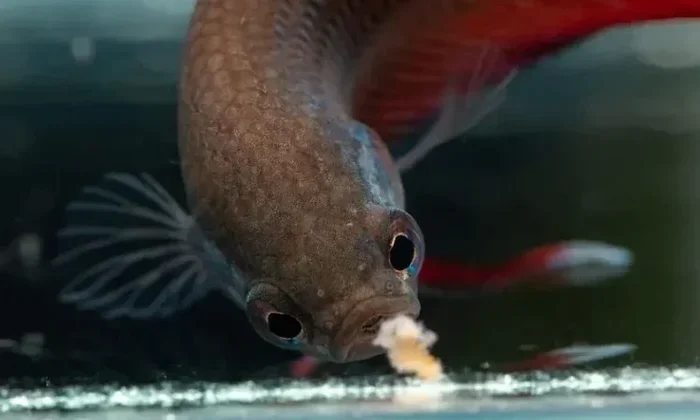
Knowing how many times to feed a betta fish is key to keeping your little buddy healthy and happy. Most experts agree that feeding your betta fish twice a day with small, manageable portions works best. Overfeeding can cause serious health issues, so sticking to a consistent betta fish feeding schedule matters more than you might think. In this guide, we will walk you through the right amounts, safe treats, and common mistakes to avoid so your betta thrives.
Key Takeaways
- Feed twice daily: Offering food two times a day mimics a natural rhythm and keeps your betta satisfied.
- Keep portions small: A betta stomach is roughly the size of its eye, so a few pellets or a pinch of flakes is enough.
- Watch for overfeeding: Uneaten food and a swollen belly are clear signs you are giving too much.
- Fast one day a week: A short break helps digestion and prevents bloating in your betta fish.
- Vary the diet: Mix pellets, frozen treats, and occasional live foods for balanced nutrition.
- Remove leftovers: Uneaten food spoils water quality, so clean up after each feeding session.
- Adjust for age and activity: Baby bettas and highly active fish may need slight tweaks to the standard schedule.
📑 Table of Contents
- How Many Times to Feed a Betta Fish for Best Health
- Understanding the Betta Fish Diet Basics
- How Many Times to Feed a Betta Fish Each Day
- Portion Control and Serving Size
- Best Foods and Safe Treats for Bettas
- How Often to Feed a Betta Fish: Building a Routine
- Common Feeding Mistakes to Avoid
- How Feeding Changes with Age, Health, and Tank Setup
- Expert Insights and Best Practices
- Conclusion
How Many Times to Feed a Betta Fish for Best Health
Caring for a betta fish starts with a simple question: how many times to feed a betta fish each day? It sounds easy, but the answer can make a big difference in your fishs long-term health. Too little food leads to weakness. Too much food causes bloating, dirty water, and even shorter lifespans. The good news is that finding the right balance is straightforward once you know the basics.
In this guide, we will break down the ideal feeding routine, portion sizes, safe food options, and warning signs to watch for. You will also learn how to build a betta fish feeding schedule that fits your daily life. Whether you are a first-time owner or someone who wants to fine-tune care, this article will give you clear, practical steps to keep your betta thriving.
Understanding the Betta Fish Diet Basics
Bettas are naturally carnivorous. In the wild, they eat insects, larvae, and small crustaceans. This means their bodies are built for protein-rich meals rather than plant-heavy diets. A good betta fish diet should focus on high-quality protein while keeping fats and fillers low. When you understand what your fish needs, it becomes much easier to plan a healthy routine.
What Bettas Need in Their Bowl
A balanced diet supports bright colors, strong fins, and a healthy immune system. Look for foods that list whole proteins near the top of the ingredient list. Avoid products loaded with cheap fillers, since these offer little nutrition and can cloud your water. Variety also matters. Rotating between pellets, frozen treats, and occasional live foods keeps meals interesting and nutritionally complete.
Signs of a Healthy Feeding Routine
A well-fed betta is active, alert, and eager to come to the front of the tank during mealtime. Its fins stay full, and its body looks firm rather than swollen. The water stays clearer for longer because there is less waste. These are all good signs that your betta fish feeding schedule is on the right track.
How Many Times to Feed a Betta Fish Each Day
So, how many times to feed a betta fish for best health? The sweet spot for most adult bettas is two times a day. This schedule gives your fish enough energy without overwhelming its small stomach. Some owners prefer once a day, which can work if the portion is correct. However, splitting the food into two smaller meals often helps with digestion and keeps your betta more engaged.
Morning and Evening Meals
Feeding in the morning and again in the evening creates a predictable rhythm. Bettas are not strict daytime or nighttime eaters, so you can adjust the timing to fit your routine. Just try to keep the gap between meals consistent. A steady routine helps your fish feel secure and makes it easier for you to notice changes in appetite.
Adjusting for Age and Activity
Baby bettas and younger fish often need more frequent meals because they are growing fast. In those cases, offering small amounts three times a day can support healthy development. Highly active bettas may also burn through energy quicker, especially in larger, enriched tanks. On the other hand, older or less active fish may do better with slightly smaller portions or a simpler once-a-day routine.
Portion Control and Serving Size
Portion size matters just as much as frequency. A bettas stomach is roughly the size of its eye, which is very small. This means a few pellets or a light pinch of flakes is usually enough for one meal. It is easy to assume that more food equals more care, but that is not true for these little fish.
Pellets Versus Flakes
Pellets are a popular choice because they sink slowly and are easy to measure. Flakes can work too, but they sometimes float away or break apart quickly. If you use flakes, crumble them into smaller pieces so your betta can grab them without making a mess. Whichever form you choose, start with a small amount and watch how your fish responds.
Quick Tips for Measuring Food
- Start small: Offer two to three pellets or a tiny pinch of flakes per meal.
- Watch consumption: If your betta finishes the food in a few minutes, you can keep that amount.
- Reduce if needed: If food sinks uneaten, lower the portion next time.
- Use a consistent spoon or tweezers: This helps you keep portions steady day after day.
Best Foods and Safe Treats for Bettas
A strong betta fish diet does not rely on one single food. Variety keeps your fish interested and helps cover different nutritional needs. High-quality betta pellets should form the base of most meals. From there, you can add safe treats a few times a week to mix things up.
Safe Treat Options
Frozen or live foods like bloodworms, brine shrimp, and daphnia are excellent choices when offered in moderation. These treats are rich in protein and closely resemble what bettas would eat in nature. You can also offer small pieces of suitable foods on occasion, but always keep the portions tiny. If you are curious about other options, you may want to read more about feeding earthworms to betta fish or feeding sea monkeys to betta fish before trying anything new.
Treats to Use Carefully
Some foods are safe only in very small amounts, while others should be avoided altogether. Bread, crackers, and other human snacks are not suitable for bettas. They can swell in the stomach and cause digestive trouble. If you are wondering about common kitchen items, it is worth checking guides like feeding a betta fish bread and feeding a betta fish crackers so you know what to skip.
How Often to Feed a Betta Fish: Building a Routine
Consistency is one of the best tools for keeping your betta healthy. When you set a clear routine, your fish learns when to expect food, and you become better at spotting appetite changes. A good betta fish feeding schedule should fit both your lifestyle and your fishs needs.
A Simple Weekly Pattern
Here is an easy pattern many owners follow:
- Monday through Saturday: Feed twice a day, once in the morning and once in the evening.
- Sunday: Give a light fast or a very small single meal to let the digestive system rest.
- Treats: Offer frozen or live treats one to two times a week instead of a regular meal.
This kind of routine helps prevent overfeeding while still giving your betta enough energy. If you ever need to adjust the plan, do it gradually so your fish can adapt without stress.
When Life Gets Busy
Sometimes your schedule changes, and that is okay. If you miss a feeding, do not panic and double the next meal. Just return to your normal routine as soon as you can. Bettas are resilient, and one skipped meal will not harm a healthy adult fish. What matters most is the overall pattern over time.
Common Feeding Mistakes to Avoid
Even well-meaning owners can make mistakes when learning how many times to feed a betta fish. The good news is that most of these errors are easy to fix once you know what to look for. Avoiding them will protect your fish and keep your tank cleaner.
Overfeeding and Its Effects
Overfeeding is one of the most common problems. Extra food does not just disappear. It breaks down in the tank, raises waste levels, and can upset the water balance. Inside the fish, too much food can lead to bloating and sluggish behavior. If you want to understand the risks in more detail, it helps to review whether you can overfeed a betta fish and learn the warning signs early.
Feeding the Wrong Foods
Another mistake is offering foods that do not suit a bettas digestive system. Some owners assume any fish food will work, but bettas have specific needs. For example, if you are curious whether betta food suits other species, you can explore feeding betta food to tropical fish or feeding betta food to koi fish to see why species matter. Likewise, questions about goldfish food and bettas often come up, so it is smart to check feeding goldfish food to a betta fish before mixing foods.
Ignoring Uneaten Food
Leftover food is more than a mess. It can decay quickly and affect water quality. After each feeding, check the tank and remove anything your betta did not eat. This simple habit keeps the environment cleaner and reduces stress on your fish.
Common Mistakes at a Glance
- Giving too much food: Leads to bloating and dirty water.
- Feeding human snacks: Bread, crackers, and similar items are poor choices.
- Skipping water checks: Uneaten food and waste build up faster than many people expect.
- Changing portions suddenly: Big swings in feeding can confuse your fish and disrupt digestion.
- Assuming more food means more love: Small, steady meals are better than large, occasional ones.
How Feeding Changes with Age, Health, and Tank Setup
Your bettas needs are not frozen in time. They can shift based on age, health, and living conditions. A thoughtful owner pays attention to these changes and adjusts the routine when needed.
Baby Bettas and Growing Fish
Young bettas are still developing, so they usually need more frequent, small meals. Their bodies use energy quickly, and steady nutrition supports healthy growth. As they mature, you can slowly move toward the standard adult routine.
Health Issues and Appetite Changes
If your betta stops eating or seems less interested in food, do not ignore it. A sudden appetite change can point to stress, poor water quality, or illness. On the other hand, a swollen belly and lethargy may suggest overfeeding or digestion trouble. In serious cases, owners sometimes ask whether it is ever appropriate to force feed a betta fish, but that should only be considered with careful guidance and when a fish is clearly unable to eat on its own.
Tank Conditions and Feeding Success
The environment around your betta affects how well it eats. Clean water, stable temperature, and enough space all support a healthy appetite. If you are unsure whether your setup is helping or hurting your fishs eating habits, you may find it useful to review whether a betta fish has to be in a filtered tank. A comfortable habitat makes feeding easier and more predictable.
Expert Insights and Best Practices
Experienced betta keepers often say that simple routines work best. You do not need a complicated plan to raise a healthy fish. You just need consistency, observation, and a willingness to adjust when something changes.
Expert Tips for Smoother Feeding
- Keep a feeding log: A small note on your phone or a sticky note can help you track portions and timing.
- Use the same food at first: Sticking with one main food makes it easier to spot appetite changes.
- Rotate treats wisely: Too many treats can unbalance the diet, so keep them occasional.
- Watch behavior, not just the bowl: Active interest in food is a better sign than simply seeing food disappear.
- Clean gently and regularly: Good maintenance supports better water quality and healthier eating habits.
When to Ask for Help
If your betta refuses food for several days, looks swollen, or shows unusual behavior, it is wise to seek advice from a knowledgeable fish vet or an experienced aquarist. Early attention often prevents small problems from becoming bigger ones.
Conclusion
If you are still wondering how many times to feed a betta fish for best health, the answer is usually twice a day with small, careful portions. A steady betta fish feeding schedule helps your fish stay active, colorful, and comfortable. It also makes it easier for you to notice problems early, before they grow into bigger concerns.
Remember that portion control matters just as much as frequency. Offer high-quality food, add safe treats in moderation, and remove anything your betta does not eat. Avoid human snacks and other unsuitable foods, and pay attention to changes in appetite or body shape. With a little consistency and observation, you can give your betta a healthy routine that supports a long, vibrant life.
Frequently Asked Questions
How many times a day should I feed my betta fish?
Most adult bettas do well when fed twice a day with small portions. You can also feed once a day if the amount is right, but splitting the meal often helps digestion and keeps your fish more active.
How much food should I give my betta fish at one time?
A good rule is to offer only as much as your betta can eat in a few minutes, usually a few pellets or a tiny pinch of flakes. Since a betta stomach is small, it is better to start with less and adjust if needed.
Can I feed my betta fish every other day?
Some owners do feed every other day, but that may not be ideal for every betta, especially younger or more active ones. If you want to try a lighter schedule, it helps to learn more about feeding a betta fish every other day so you can match the plan to your fishs needs.
What happens if I overfeed my betta fish?
Overfeeding can cause bloating, sluggishness, and poor water quality from leftover food breaking down in the tank. If you are worried about this, it is worth reviewing whether you can feed a betta fish too much and watch for signs like uneaten food or a swollen belly.
Can I give my betta fish treats like worms or shrimp?
Yes, treats like appropriate worms or small shrimp pieces can be offered in moderation as part of a varied diet. If you are exploring options, you might look at feeding earthworms to betta fish or feeding a betta fish a piece of shrimp before adding new foods.
Should I fast my betta fish sometimes?
A short fast once in a while can help support digestion and reduce the risk of bloating. Many owners use a lighter day each week, but the exact plan should fit your bettas age, activity level, and overall health.