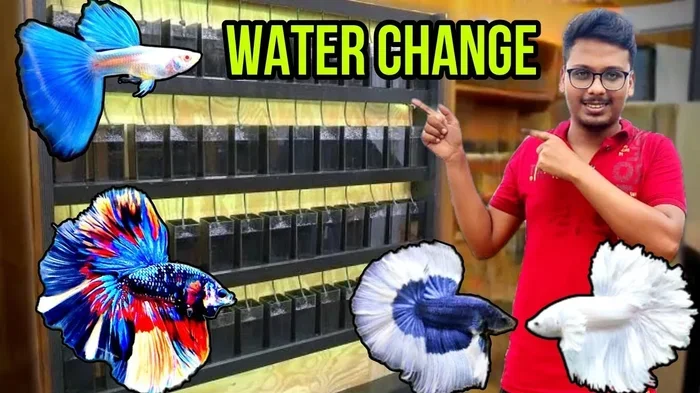
How to Start a Betta Fish Tank for Beginners the Easy Way

Starting a betta fish tank does not have to be hard or expensive. You can create a safe and beautiful home for your fish with just a few basic supplies. This guide shows you how to start a betta fish tank step by step. We cover water choices, tank size, filters, and simple care tips. You will feel confident and ready to begin.
Key Takeaways
- Choose the right tank size: A 5-gallon tank gives your betta enough space to swim and stay healthy.
- Pick safe water: Tap water works well if you treat it with a dechlorinator first.
- Add a gentle filter: A quiet filter keeps water clean without stressing your fish.
- Test water before adding fish: Check ammonia, nitrite, and pH levels to keep fish safe.
- Decorate with care: Use smooth plants and safe items that do not trap your fish.
- Feed the right amount: Small meals twice a day prevent waste and keep water clean.
- Clean on a schedule: Weekly water changes remove dirt and keep the tank fresh.
📑 Table of Contents
- Why Learning How to Start a Betta Fish Tank Matters
- Choose the Best Tank Size for Your Betta
- Water Choices and How to Make It Safe
- Filters, Heaters, and the Right Equipment
- Decorating the Tank and Making It Safe
- Cycling the Tank and Adding Your Betta
- Daily Care and Simple Feeding Tips
- Common Mistakes to Avoid
- Expert Tips for a Smooth Start
- Final Thoughts on Setting Up Your Tank
Why Learning How to Start a Betta Fish Tank Matters
Setting up a home for your betta fish is one of the most rewarding parts of fish keeping. A good start keeps your fish healthy and happy for a long time. Many beginners rush into buying supplies and end up with cloudy water or stressed fish. You can avoid those problems by learning the basics first.
A betta fish needs clean water, steady temperature, and enough room to move. When you set up the tank the right way, you spend less time fixing problems later. You also give your fish a calm space to show off its bright colors. Learning how to start a betta fish tank gives you confidence and peace of mind.
This guide walks you through each step in plain language. You will learn about tank size, water choices, filters, decorations, and daily care. We also share common mistakes so you can skip them. By the end, you will know exactly what to buy and how to set everything up.
Choose the Best Tank Size for Your Betta
Tank size is the first big decision you will make. A small bowl looks cute, but it does not give your fish enough space. A 5-gallon tank is the sweet spot for most beginners. It holds enough water to stay stable and gives your betta room to swim. Larger tanks are easier to maintain because water quality changes more slowly.
You might wonder if a bigger tank is better. In many cases, yes. A larger tank gives you more room for plants and decorations. It also makes water changes simpler because the water stays balanced longer. If you have space and budget, a 10-gallon tank is a great choice too.
Why Small Bowls Fall Short
Small bowls heat up and cool down very fast. That swing can stress your fish. They also hold very little water, so waste builds up quickly. You end up cleaning more often, which can be tiring. A proper tank saves you time and keeps your fish safer.
Picking the Right Shape
A longer tank is usually better than a tall one. Bettas like to swim side to side, so a wider surface helps them move comfortably. A tank with a good lid also matters because bettas can jump. A secure lid keeps your fish inside and helps keep the temperature steady.
If you want more ideas about tank size, you can read can you put betta fish in a big tank for helpful tips.
Water Choices and How to Make It Safe
Water quality is the foundation of a healthy tank. You may think bottled water is the safest choice, but that is not always true. Tap water often works well once you treat it properly. The key is to remove chlorine and chloramines before adding fish.
Always use a water conditioner when you fill the tank. This simple step neutralizes harmful chemicals found in tap water. It also helps protect your fish during the first few weeks. You do not need fancy water unless your local supply has unusual problems.
Tap Water Basics
Tap water is convenient and affordable. Most cities treat it to make it safe for people, but that same treatment can hurt fish. A good conditioner fixes that problem fast. You just add the right amount to the water before it goes into the tank.
If you want a deeper look at water safety, check out can you use tap water in a betta fish tank for clear guidance.
Bottled and Distilled Water
Bottled water can work, but it is not always necessary. Some bottled water lacks the minerals fish need. Distilled water is very pure, but it may be too empty for a stable tank. If you use these options, you may need to add minerals back in.
For most beginners, treated tap water is the easiest path. It is practical, consistent, and simple to manage. If you are curious about bottled options, you can explore can you use bottled water in a betta fish tank before deciding.
Filters, Heaters, and the Right Equipment
Good equipment keeps your tank stable. A filter helps remove waste and keeps water moving. A heater keeps the temperature steady, which bettas love. You do not need a huge setup, just the right size for your tank.
A gentle filter is best for bettas. They prefer calm water because strong currents can tire them out. Look for a filter with an adjustable flow or a sponge filter. These options clean the water without pushing your fish around.
Do You Really Need a Filter
Some people ask if a betta can live without one. It is possible in a very small setup, but a filter makes care much easier. It helps control waste and supports better water quality. If you want to compare options, read do betta fish have to be in a filtered tank for more detail.
A filter also helps you build a healthier cycle in the tank. That means helpful bacteria can grow and break down waste. This process takes time, but it makes the tank safer for your fish. If you are considering a filter, you may also like can you use a filter in a betta fish tank.
Heater Needs
Bettas come from warm water, so a steady temperature matters. A small adjustable heater works well in most beginner tanks. Keep the water in a comfortable range and avoid sudden changes. A thermometer helps you watch the temperature every day.
If you ever need to adjust warmth safely, see can i add warm water to a betta fish tank for practical advice.
Quick Equipment Checklist
- 5-gallon or larger tank
- Gentle filter or sponge filter
- Adjustable heater
- Thermometer
- Water conditioner
- Fish-safe decorations and plants
- Net and siphon for cleaning
Decorating the Tank and Making It Safe
Decorations make the tank look nice and help your fish feel secure. Bettas like places to rest and explore. The trick is to choose items that are smooth and safe. Sharp edges can tear their fins, so always check carefully.
Live plants are a great choice because they help absorb waste and add oxygen. Soft artificial plants also work if they are made for aquariums. Avoid items with rough surfaces or tiny holes where a betta can get stuck.
Plants and Hiding Spots
Plants give your betta a sense of cover. That can reduce stress and make the tank feel more natural. Java fern and anubias are popular choices because they are hardy and easy to care for. You can also add a simple cave or smooth ornament for variety.
If you want to try live plants, you might enjoy reading can you put lucky bamboo in a betta fish tank to see what works safely.
What to Avoid
Some decorations look fun but cause problems. Heavy items can crack the glass if placed with force. Rough plastic can damage fins. Small openings can trap a curious fish. Before you add anything, run your fingers over it and check for sharp spots.
Also think about the lid. A secure cover keeps your betta from jumping out and helps hold heat in. If you are unsure about lids, you can read can i put a lid on my betta fish tank for simple guidance.
Cycling the Tank and Adding Your Betta
Before you add fish, the tank needs time to settle. This step is called cycling. It helps build up beneficial bacteria that break down fish waste. Skipping this step can lead to cloudy water and sick fish. A little patience now saves a lot of trouble later.
Start the cycle before your betta moves in. You can add a small amount of fish food or a cycling product to begin the process. Test the water regularly until ammonia and nitrite levels drop. When the water reads safely, your tank is ready for fish.
Testing the Water
A simple test kit helps you watch the tank’s progress. You want to check ammonia, nitrite, and nitrate. These numbers tell you how mature the tank is. Do not add your betta until the dangerous levels are low.
Testing also helps you catch problems early. If ammonia rises, you can do a partial water change and give the tank more time. This routine keeps your fish safe and your water clear.
Moving Your Betta In
When the tank is ready, introduce your betta slowly. Float the bag in the tank for a short time so the temperature matches. Then mix a little tank water into the bag before releasing the fish. This gentle process reduces shock.
If you are bringing a betta home from a store, you may also find can you return a betta fish to petsmart useful if you have questions about buying and returns.
Daily Care and Simple Feeding Tips
Once your betta is settled, daily care becomes easy. The main goal is to keep the water clean and the fish comfortable. Watch your betta each day for bright color, active movement, and healthy fins. Small routine checks help you spot problems early.
Feeding is simple, but portion control matters. Bettas do best with small meals they can finish quickly. Overfeeding leaves waste in the tank and can cloud the water. Feed only what your fish can eat in a few minutes.
Feeding Basics
A good routine is to feed once or twice a day with small amounts. Betta pellets are a common choice because they are easy to measure. You can also offer frozen or live foods as a treat now and then. Variety can keep your fish interested in meals.
Avoid giving too much at once. Extra food sinks and breaks down, which adds waste. If you are ever unsure about feeding choices, you can read can you feed peanut butter to a betta fish to learn what to avoid.
Cleaning Routine
Weekly water changes keep the tank healthy. You do not need to empty the whole tank each time. A partial change removes waste and refreshes the water. Use a gentle siphon to clean the bottom and replace the water with treated water at a similar temperature.
If you want help with cleaning tools, see can i use a vacum for betta fish tank for practical cleaning ideas.
Spotting Stress Early
A happy betta usually swims with confidence and explores the tank. Signs of stress can include hiding often, fading color, or torn fins. If you notice changes, check the water first. Temperature swings, poor water quality, or strong flow are common causes.
When you keep the routine steady, your betta usually stays calm and active. Simple care goes a long way.
Common Mistakes to Avoid
Even easy setups can go wrong if you miss a few basics. The good news is that these mistakes are simple to prevent. Here are the most common ones beginners face.
- Starting with a tank that is too small
- Adding fish before the water is ready
- Using untreated tap water
- Choosing decorations with sharp edges
- Feeding too much food
- Skipping water changes
- Using a filter that is too strong
Avoiding these problems keeps your tank stable. A careful start makes the whole experience more enjoyable.
Expert Tips for a Smooth Start
A few small habits make a big difference. Keep a simple schedule for feeding and water changes. Write down your test results so you can notice trends. Store your supplies together so you can grab them fast when needed.
It also helps to choose a spot for the tank away from direct sunlight and heavy traffic. A quiet location keeps temperature and light more stable. If you want to make the tank more interesting, you can add gentle enrichment over time. Some owners even enjoy learning can you train a betta fish to do tricks once the fish is settled.
The best setup is the one you can maintain comfortably. Start simple, stay consistent, and adjust as you learn.
Final Thoughts on Setting Up Your Tank
Learning how to start a betta fish tank is really about building a safe, steady home for your fish. Choose a tank with enough space, treat your water, and add gentle equipment that fits your setup. Take time to cycle the tank before adding your betta, and keep a simple care routine after that.
A good tank does not need to be fancy. It just needs to be clean, stable, and safe. When you follow the basics, your betta can thrive and show off its beautiful colors. You will spend less time fixing issues and more time enjoying your new hobby.
Start with the essentials, stay patient, and build from there. Your betta will thank you with better health and a more active life in a well-prepared tank.
Frequently Asked Questions
How big should a beginner betta tank be?
A 5-gallon tank is a great starting point for most beginners. It gives your betta enough room and helps keep water conditions more stable.
Can I use tap water in a betta tank?
Yes, tap water usually works well if you treat it with a dechlorinator first. This removes harmful chemicals and makes the water safer for your fish.
Do betta fish need a filter?
A filter is helpful because it keeps water cleaner and supports beneficial bacteria. A gentle filter is best since bettas prefer calm water.
How often should I feed my betta fish?
Feed small amounts once or twice a day so your fish can finish the food quickly. Overfeeding can dirty the water and cause health problems.
When can I add my betta to a new tank?
Add your betta after the tank has cycled and the water tests safely for ammonia and nitrite. This waiting period helps prevent stress and illness.
What decorations are safe for a betta tank?
Choose smooth plants, soft ornaments, and items without sharp edges or tight holes. Safe decorations protect your betta’s fins and give it places to rest.