How Many Times Do You Feed Betta Fish A Day For Health
Feeding your betta fish the right amount at the right time is crucial for their long-term health and happiness. Most experts agree that adult bettas thrive on a consistent schedule, but the exact frequency depends on their age and activity level. Understanding how many times do you feed betta fish a day helps prevent common issues like bloating, water pollution, and nutritional deficiencies. This guide breaks down everything you need to know about creating a safe and effective feeding routine.
Key Takeaways
- Feeding Frequency: Adult betta fish typically need 2-3 small meals per day, while babies require more frequent feedings.
- Portion Control: Offer only what your betta can eat in 2-3 minutes to avoid overfeeding and tank pollution.
- Age Matters: Younger bettas have faster metabolisms and need smaller, more frequent meals throughout the day.
- Fasting Benefits: Skipping one day per week helps digestion and reduces the risk of constipation.
- Watch for Signs: Adjust feeding based on your fish’s behavior, belly size, and overall activity level.
- Water Quality: Uneaten food breaks down quickly, so remove leftovers promptly to keep your tank clean.
- Consistency Wins: A steady routine builds trust and keeps your betta healthy and active.
📑 Table of Contents
- Understanding How Many Times Do You Feed Betta Fish A Day
- The Ideal Feeding Schedule for Adult Bettas
- Feeding Baby Betta Fish: What Changes?
- Portion Control: How Much Is Too Much?
- The Benefits of a Weekly Fasting Day
- Adjusting Your Routine for Health and Behavior
- Water Quality and Feeding Go Hand in Hand
- Treats and Variety: Keep It Balanced
- Building a Routine That Lasts
Understanding How Many Times Do You Feed Betta Fish A Day
If you just brought home your first betta, you probably have a lot of questions. One of the most important is how many times do you feed betta fish a day. It seems simple, but getting it right makes a huge difference. Overfeeding is one of the fastest ways to harm your fish. Underfeeding can leave them weak and stressed. The good news is that once you learn the basics, it becomes a simple daily habit.
Bettas are not like dogs or cats. They do not need big bowls of food. They are small, active fish with fast metabolisms. They thrive on small, regular meals. Think of it like snacking throughout the day instead of eating one giant dinner. When you match their natural eating patterns, they stay energetic and healthy. Let us walk through exactly what works best.
The Ideal Feeding Schedule for Adult Bettas
Most adult betta fish do best with two to three small meals per day. This keeps their energy steady without overwhelming their digestive system. You can split their daily food into morning and evening portions. Some owners even add a tiny midday snack. The key is keeping each portion very small.
Why Two to Three Meals Work Best
Bettas naturally forage in the wild. They eat small insects and larvae throughout the day. Replicating this pattern at home supports their natural instincts. Feeding them two to three times daily also helps you spot changes in appetite quickly. If your fish suddenly stops eating, you will notice it right away. That early warning can save their life.
How to Split the Daily Amount
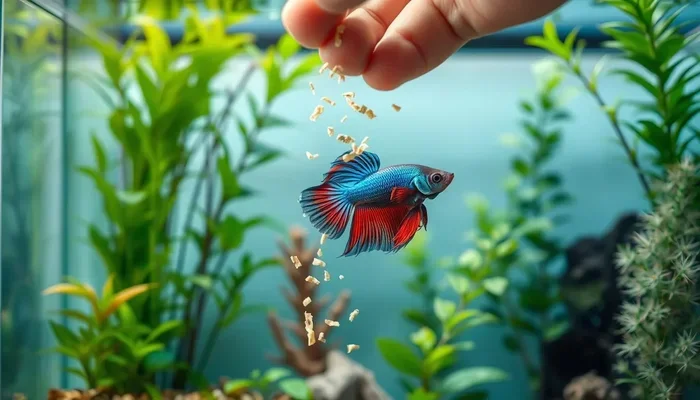
You do not need to measure every single pellet with a scale. Just use your eyes. A good rule is to offer only what your betta can finish in two to three minutes. If food sinks to the bottom, remove it. Leftover food turns into waste and clouds your water. You can easily divide a small pinch into two or three separate feedings.
Quick Tips for Adult Feeding
- Feed at the same times each day to build a routine.
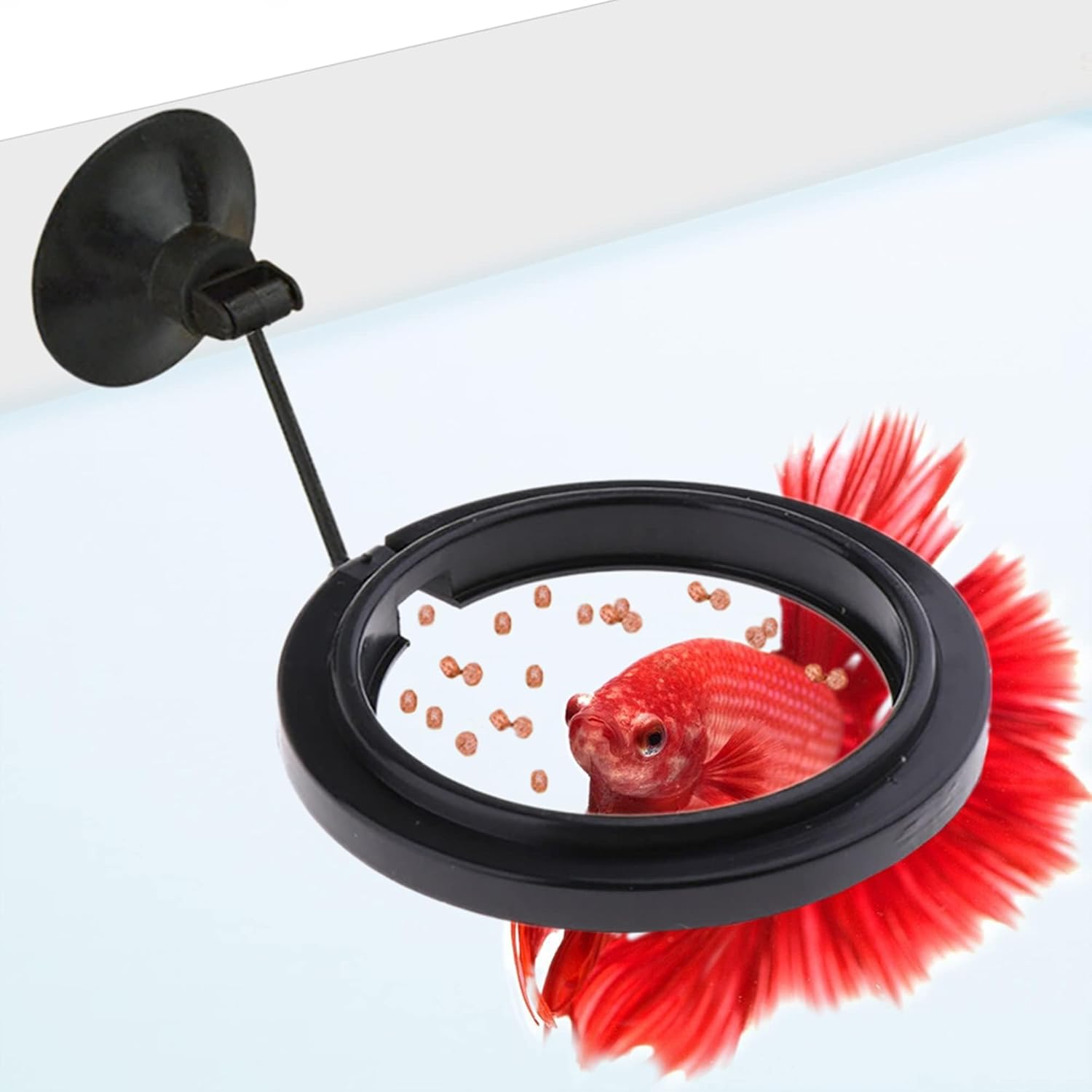
- Use a small dish or drop food directly in front of your fish.
- Remove uneaten food after three minutes.
- Watch your betta swallow each piece before adding more.
Feeding Baby Betta Fish: What Changes?
Young bettas have different needs. They are growing fast and need more energy. If you are wondering how many times do you feed betta fish a day when they are babies, the answer is more often. Fry and juvenile bettas usually need food every three to four hours. That means four to six small meals daily.
Why Babies Need More Frequent Meals
Baby bettas have tiny stomachs. They cannot hold much food at once. Their bodies burn energy quickly as they develop fins and color. Small, frequent feedings support steady growth. You can use finely crushed pellets or special fry food. Make sure everything is small enough for them to swallow safely.
Feeding Schedule for Juveniles
As your betta grows, you can slowly reduce the number of meals. Start by dropping one feeding every week or two. Watch their belly size and activity level. If they look full and active, you are on the right track. If they seem restless or thin, add a small snack back into the routine.
Portion Control: How Much Is Too Much?
Knowing how many times do you feed betta fish a day is only half the battle. The amount matters just as much. Overfeeding is a common mistake, even for experienced owners. Bettas have small stomachs. A good visual is that their stomach should never look bigger than their eye.
Signs You Are Overfeeding
- Food sinks to the bottom and stays there.
- Your betta looks bloated or round.
- The water gets cloudy faster than usual.
- Your fish becomes less active or hides often.
What Happens When You Overfeed
Extra food breaks down into ammonia. That harms your water quality and stresses your fish. It can also cause digestive problems. Constipation is very common in bettas. It makes them swim awkwardly and lose their appetite. Sticking to small portions prevents most of these issues.
Expert Insight on Portions
Many betta keepers swear by the two-minute rule. If your fish eats everything in two minutes, the portion is right. If food remains, reduce the next serving. You can always add a tiny bit later, but you cannot undo a big meal once it is in the tank.
The Benefits of a Weekly Fasting Day
Giving your betta a break from food once a week is actually a smart move. Many experts recommend skipping one feeding day. This helps their digestive system reset. It also reduces the risk of constipation and keeps the tank cleaner. You might wonder if this fits with how many times do you feed betta fish a day. The answer is yes. A weekly fast is part of a healthy routine.
How to Plan a Fasting Day
Pick one day that works for your schedule. Saturday or Sunday often makes sense. Just do not offer any food that day. Your betta will be fine. Fish can handle short breaks without any harm. In fact, many wild bettas go through periods with less food. A fasting day mimics that natural rhythm.
Who Should Skip the Fast
Baby bettas and very young juveniles should not fast. They need steady nutrition for growth. Also, if your fish is sick, pregnant, or recovering from stress, talk to a vet or experienced keeper before changing their routine. Healthy adults handle a weekly break very well.
Adjusting Your Routine for Health and Behavior
Every betta is a little different. Some are active eaters. Others are picky or slow. You should always watch your fish and adjust as needed. The goal is to find a rhythm that keeps them bright, active, and comfortable. Your daily schedule should support their unique personality.
Reading Your Betta’s Body Language
Healthy bettas swim with confidence. They approach food quickly and swallow without struggle. Their fins stay open and their color looks vibrant. If your fish hides, floats oddly, or ignores food, something may be wrong. Check your water first. Then look at your feeding routine. Small changes often fix the problem.
When to Change the Schedule
- If your betta leaves food behind, reduce the portion.
- If they look thin or search constantly for food, add a tiny extra snack.
- If the water gets dirty fast, feed less and clean more often.
- If your fish seems sluggish, test the water and review your routine.
Common Mistakes to Avoid
- Feeding one huge meal instead of small portions.
- Leaving uneaten food in the tank overnight.
- Using the same schedule for babies and adults.
- Ignoring changes in appetite or behavior.
- Forgetting that treats should stay occasional, not daily.
Water Quality and Feeding Go Hand in Hand
Food and water quality are closely linked. Every pellet that breaks down adds waste to your tank. That is why how many times do you feed betta fish a day matters for your filter and your water tests. Clean water keeps your betta strong. Dirty water weakens their immune system and invites disease.
Simple Habits That Keep Water Clean
- Remove leftovers within three minutes.
- Do small water changes weekly.
- Vacuum the substrate gently during cleaning.
- Test ammonia and nitrite levels regularly.
- Never use soap or harsh chemicals near the tank.
Quick Comparison: Feeding Approaches
| Approach | Frequency | Best For | Main Benefit |
|---|---|---|---|
| Two small meals | Morning and evening | Most adults | Steady energy, easy routine |
| Three tiny meals | Morning, midday, evening | Active or younger adults | Matches natural foraging |
| Four to six meals | Every 3-4 hours | Baby and juvenile bettas | Supports fast growth |
| Weekly fasting | One day off per week | Healthy adults | Better digestion, cleaner water |
Treats and Variety: Keep It Balanced
Bettas enjoy variety, but treats should stay occasional. You can offer frozen or live foods like bloodworms or brine shrimp once or twice a week. These add excitement and extra nutrients. Just remember that treats count toward the daily amount. Do not double up on portions when you add a treat.
Safe Treat Ideas
- Frozen bloodworms (thawed first)
- Brine shrimp (small and easy to digest)
- Daphnia (great for digestion)
- High-quality betta pellets as the main diet
What to Avoid
Never feed bread, crackers, rice, or peanut butter. These do not suit a betta’s digestive system and can cause serious problems. If you are curious about human foods, you can read more about why bread is not a safe choice. Stick to foods made for fish. Your betta will stay healthier and live longer.
Building a Routine That Lasts
The best feeding plan is the one you can keep doing. Consistency matters more than perfection. Pick times that fit your day. Set a simple reminder if needed. Watch your betta, adjust portions, and keep the water clean. Over time, you will learn exactly what your fish prefers.
A Simple Daily Plan
- Morning: Offer a small pinch of pellets.
- Evening: Offer another small pinch.
- Watch your betta eat and remove leftovers.
- Once a week, skip one feeding for a digestive break.
- Once or twice a week, add a safe treat for variety.
Final Thoughts on Feeding Frequency
When you think about how many times do you feed betta fish a day, remember that small and steady wins. Two to three meals work for most adults. Babies need more frequent feedings. A weekly fast supports digestion. Clean water and portion control keep everything balanced. Your betta will thank you with bright color, active swimming, and a long healthy life.
Frequently Asked Questions
How many times a day should I feed my adult betta fish?
Most adult bettas do best with two to three small meals per day. Keep each portion tiny so your fish can finish it in two to three minutes. This routine supports steady energy and keeps the water cleaner.
Can I feed my betta fish once a day?
You can, but it is not ideal for most adults. One large meal can overwhelm their small stomach and lead to bloating. Splitting the same amount into two or three smaller feedings is usually safer and healthier.
Do baby betta fish need to eat more often?
Yes, baby and juvenile bettas need food more frequently because they grow quickly. They usually need small meals every three to four hours, which adds up to four to six times a day. As they mature, you can slowly reduce the number of feedings.
Is it okay to skip a feeding day each week?
Yes, a weekly fasting day is often recommended for healthy adult bettas. It gives their digestive system a break and helps prevent constipation. It also reduces waste in the tank, which supports better water quality.
What should I do if my betta leaves food uneaten?
Remove the leftover food after two to three minutes so it does not spoil the water. Then reduce the next portion slightly. If this keeps happening, your betta may be full, stressed, or dealing with a water quality issue.
How can I tell if I am feeding my betta too much?
Signs of overfeeding include a bloated belly, cloudy water, and food sinking to the bottom. Your betta may also become less active or hide more often. Cut back on portion size and watch for improvement over the next few days.