Can You Have 2 Betta Fish in One Tank Successfully
Can you have 2 betta fish in one tank? The short answer is usually no, especially if they are both males. Bettas are naturally territorial and often fight when forced to share space. However, with the right setup, careful species selection, and proper tank size, some pairings can work. This guide explains the risks, the exceptions, and the best practices for keeping multiple bettas safely.
Key Takeaways
- Male bettas usually fight: Two male betta fish in one tank often leads to stress, injury, or death.
- Tank size matters: Small bowls or nano tanks increase aggression and reduce escape routes.
- Female groups can work: A sorority of female bettas may succeed in a large, heavily planted tank.
- Tank mates are possible: Peaceful, non-colorful fish may coexist with a single betta in a spacious tank.
- Water quality is critical: Clean, stable water reduces stress and lowers the chance of conflict.
- Watch behavior closely: Early signs of aggression mean you should separate fish right away.
- Plan before you pair: Research compatibility, tank size, and hiding spots before adding any new fish.
📑 Table of Contents
- Can You Have 2 Betta Fish in One Tank? The Honest Answer
- Understanding Betta Fish Temperament and Behavior
- Tank Size and Setup for Multiple Bettas
- Tank Size and What It Usually Means for Bettas
- Tank Mates and Alternative Companions
- Water Quality, Stress, and Long-Term Health
- How to Introduce Bettas Safely and When to Separate
- Common Mistakes to Avoid
- Expert Insights and Realistic Expectations
- Conclusion
Can You Have 2 Betta Fish in One Tank? The Honest Answer
Many new fish keepers ask the same question: can you have 2 betta fish in one tank without trouble? It is a fair question. Bettas are beautiful, calm, and full of personality. It is tempting to want more than one. The reality is a bit more complicated. Bettas are famous for their bright colors and flowing fins, but they are also known for being territorial. That means they often defend their space against other fish, especially other bettas.
The safest answer is that one betta per tank is usually the best choice. This does not mean every multi-betta setup fails. It means you need to understand betta behavior first. If you skip that step, you may end up with stressed fish, torn fins, or a constant battle at the surface. If you want to keep more than one betta, you need the right tank, the right gender mix, and a smart layout. You also need to know when to stop and separate them.
This guide will walk you through the basics of betta temperament, tank size, gender differences, and safe alternatives. You will learn why some setups work and why many do not. You will also find practical tips for making any community tank safer. If you are wondering can you put two betta fish in a tank together, the answer depends on several important factors.
Understanding Betta Fish Temperament and Behavior
Bettas are not like many peaceful community fish. They are not always friendly with their own kind. In the wild, male bettas defend small territories and use their bright colors to warn rivals. That natural instinct does not disappear in a home aquarium. Even in a calm tank, a male betta may see another male as a threat.
This behavior is why people often describe bettas as aggressive. That label is not always fair. Bettas are not violent by nature. They are protective. They want a safe space, access to the surface for air, and a clear area to patrol. When another fish enters that space, the betta may flare, chase, or nip. Sometimes this is just a warning. Other times it turns into real fighting.
A few key behaviors help you read what your betta is feeling:
- Flaring: The betta spreads its fins and opens its gill covers to look bigger.
- Chasing: One fish follows another around the tank.
- Hiding: A fish stays behind plants, rocks, or decor all day.
- Fin damage: Torn fins, missing scales, or pale patches can signal conflict.
- Constant surface hovering: This can mean stress, especially if one fish blocks the top.
If you notice these signs, do not ignore them. Stress can weaken a betta’s immune system and lead to illness. A peaceful-looking tank can still hide serious tension. That is why it helps to learn the meaning of betta fish compatibility before you add another fish.
Why Two Males Are Usually a Bad Match
Two male bettas in one tank is one of the most common mistakes beginners make. The problem is simple. Each male wants to claim the space as his own. In a small tank, there is nowhere to escape. In a larger tank, the risk drops a little, but it does not disappear. Even with lots of plants and decorations, one male may still guard the whole tank.
Some people think a big aquarium solves everything. It helps, but it is not a guarantee. If the tank is too narrow, the fish may still see each other often. If the decor is sparse, there are too few barriers. If the water is dirty, both fish become more irritable. That is why can you have two male betta fish in one tank is usually answered with a cautious no.
There are rare cases where two males appear to coexist. This is not something to aim for as a beginner. It is also not a reason to risk injury. A safer approach is to keep one male per tank and focus on making that tank rich, clean, and interesting.
Female Bettas and Sorority Tanks
Female bettas can be different. They are often less flashy, but they can still be territorial. A betta fish sorority means keeping several females together in one tank. This can work, but only under the right conditions. You need a larger tank, plenty of hiding places, and a careful introduction process.
A group of females is not automatically peaceful. In fact, some females are quite feisty. The goal is to reduce direct competition. That means breaking the line of sight with plants and hardscape. It also means adding more than one female at the same time, so no single fish claims the whole tank first.
If you are considering can you have 2 betta fish in one tank with females, start with a spacious setup. Give them vertical and horizontal room. Add live plants, broad leaves, and visual barriers. Then monitor them closely for the first few weeks. If one fish is constantly bullied, you may need to separate her.
Male and Female Pairings
A male and a female betta may seem like a natural pair, but this is not a simple yes-or-no situation. In breeding scenarios, a male and female are brought together carefully and often separated after spawning. That is very different from permanent cohabitation.
For a regular home tank, a male and female can sometimes live together, but the risk of harassment is real. The male may chase the female repeatedly. That can stress her and cause injury. If you want to try this, you need a large tank, lots of cover, and a clear plan to separate them if needed.
So if you are asking can i have 2 betta fish in 1 tank with one male and one female, the answer is maybe, but only with caution. It is not the easiest setup for beginners. It is also not necessary for a beautiful tank. One betta can live a full, active life without a companion of the same species.
Tank Size and Setup for Multiple Bettas
Tank size is one of the biggest factors in any multi-fish setup. Small tanks make every problem worse. They limit movement, reduce hiding spots, and make water quality harder to control. If you want more than one betta, you need room for each fish to establish some personal space.
A cramped tank can also lead to unstable water conditions. Waste builds up faster. Oxygen exchange is lower. Temperature changes happen more quickly. All of this adds stress, and stressed fish are more likely to fight. That is why betta fish tank size matters so much when you think about cohabitation.
Here is a simple comparison of common setups:
Tank Size and What It Usually Means for Bettas
| Tank Size | Typical Betta Use | Risk Level for Two Bettas |
|---|---|---|
| 1 to 2 gallons | Too small for long-term health | Very high |
| 5 gallons | Minimum for one betta | High |
| 10 gallons | Better for one betta or a carefully planned community | Moderate to high |
| 20 gallons or more | More stable, more cover possible | Lower, but still not guaranteed |
Even a large tank does not make aggression disappear. It simply gives the fish more options. A bigger space can reduce the chance that one fish controls every corner. It also makes it easier to add plants, driftwood, and rockwork that break up sightlines.
The Role of Plants and Decor
A well-decorated tank can help a lot. Plants are especially useful because they create natural barriers. Bettas like to rest on broad leaves, so live or silk plants can provide both comfort and cover. Hard decor should have smooth edges so it does not tear fins.
Good setup choices include:
- Live or silk plants: They soften the tank and reduce direct views.
- Driftwood or rock formations: These create separate zones.
- Open swimming areas: Bettas still need space to move.
- Quiet filter outflow: Strong currents can stress bettas.
- Easy access to the surface: Bettas breathe air from above.
If you are wondering can you put plants in with betta fish, the answer is yes, and it is often a great idea. Just avoid sharp or plastic plants that can damage fins. A planted tank can make a single betta happier and can also make a multi-betta setup safer, if you are attempting one.
Tank Mates and Alternative Companions
Sometimes the best way to enjoy a community tank is not to add another betta at all. A single betta can share a tank with other peaceful species, as long as the tank is large enough and the tank mates are chosen carefully. This is often a safer and more relaxed option than trying to keep two bettas together.
The key is to avoid fish that are too colorful, too flashy, or too similar in shape to a betta. Bright colors and flowing fins can trigger chasing. You also want to avoid fin nippers and highly aggressive species. Calm bottom dwellers or small schooling fish are often better choices.
If you are thinking about can you have other fish in a betta tank, start by asking whether the tank is large enough for everyone. A betta needs space, and so do the other fish. Overcrowding creates competition and dirty water. That is a recipe for trouble.
Best Types of Tank Mates
Good tank mates are usually quiet, non-threatening, and able to live in similar water conditions. They should not bother the betta, and the betta should not constantly chase them. Some common choices include small schooling fish and gentle bottom dwellers.
Helpful traits to look for:
- Peaceful behavior
- Similar water temperature needs
- No fin-nipping habits
- A size that is not too small or too intimidating
- A calm swimming style
If you want to read more about can you put other fish in with a betta fish, it helps to study each species carefully. What works in one tank may not work in another. Temperament varies, and the betta’s personality matters too. Some bettas are surprisingly relaxed. Others are very assertive.
Fish to Avoid
Some fish simply do not fit well with bettas. These include species that are aggressive, overly active, or likely to nip fins. You should also avoid fish that compete hard for the same surface space.
Common problems come from:
- Fin nippers: They can damage betta fins quickly.
- Highly territorial fish: They may fight over hiding spots.
- Very active swimmers: They can stress a betta that prefers calm water.
- Brightly colored fish with flowing fins: These may trigger chasing.
If you are unsure, it is better to keep the tank simple. One betta, good plants, clean water, and a stable routine can create a beautiful aquarium without the risk of constant conflict.
Water Quality, Stress, and Long-Term Health
A tank with more fish is harder to manage. More bodies mean more waste. More waste means more ammonia and more work for your filter. If water quality slips, stress rises. When stress rises, behavior often gets worse. That is why water care is not just a maintenance issue. It is a behavior issue too.
Bettas do best in clean, warm, stable water. They are resilient, but they still need good conditions. A stable environment helps them feel secure. Secure fish are less likely to act defensively. That is especially important if you are trying any kind of shared tank.
If you want to know can you use tap water in a betta fish tank, the answer is usually yes, but only after treating it properly. Tap water can contain chlorine or chloramine, which are harmful to fish. A good water conditioner can make tap water safe. You also need to match the temperature and avoid sudden changes.
Keeping the Tank Stable
Stable water is one of the best ways to reduce problems. Sudden swings in temperature, pH, or cleanliness can irritate fish. A regular maintenance routine helps prevent that.
A simple care routine should include:
- Partial water changes: Replace a portion of the water regularly.
- Filter maintenance: Keep the filter flowing without disturbing beneficial bacteria.
- Temperature checks: Avoid cold drops or overheating.
- Waste removal: Vacuum debris from the substrate.
- Careful feeding: Too much food pollutes the tank.
If you are considering can you use a filter in a betta fish tank, the answer is yes in most cases. A gentle filter is usually helpful because it keeps water cleaner. The main goal is to avoid strong flow that pushes the betta around. A calm tank is easier on the fish and easier on you.
How to Introduce Bettas Safely and When to Separate
If you decide to attempt any multi-betta setup, the introduction matters a lot. Do not just drop a new fish into the tank and hope for the best. That can create instant conflict. A slower, more controlled approach gives you a better chance to observe behavior and react early.
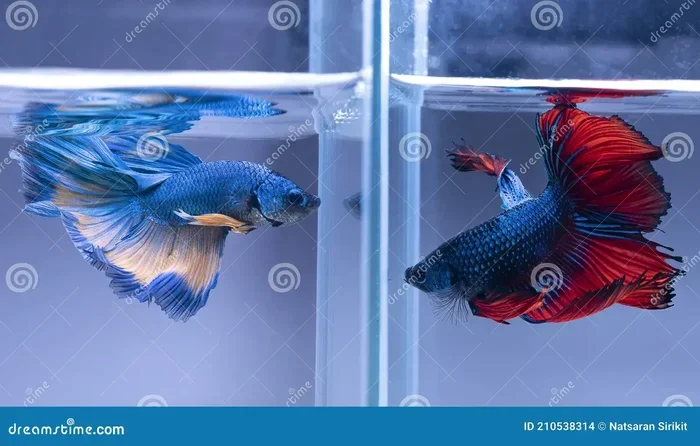
One useful method is to prepare the tank first. Make sure the water is cycled, the temperature is stable, and there are enough hiding spots. Then introduce the fish in a way that limits immediate confrontation. Some keepers use a divider at first so the fish can see each other without touching. That can help them adjust gradually.
Warning Signs That Mean Separation Is Needed
Even with preparation, things can go wrong. You need to watch the fish daily. If you see repeated chasing, hiding, clamped fins, loss of appetite, or visible injuries, act quickly. Waiting too long can turn a manageable problem into a serious one.
Signs that separation may be necessary:
- One fish cannot reach the surface peacefully
- Constant flaring and chasing
- Torn fins or missing scales
- A fish that stays hidden all day
- Noticeable weight loss or lethargy
If you are asking can you put two betta fish in a tank together and the answer starts to look like no, do not panic. It is better to separate them than to let them suffer. A tank divider or a second tank can save both fish from stress. Sometimes the kindest choice is to give each betta its own space.
A Simple Compatibility Checklist
Before you add another fish, run through a quick checklist. This can help you avoid a bad setup.
Ask yourself:
- Is the tank large enough for each fish to have space?
- Are there enough plants and barriers to break sightlines?
- Are the fish the same gender, or is the pairing safe for your experience level?
- Is the filter gentle and the water stable?
- Do you have a backup plan if aggression starts?
- Are you prepared to monitor the tank daily?
If you cannot answer yes to most of those questions, it is probably too soon to mix bettas. That does not mean you cannot enjoy a community tank. It just means you should build the tank around safety first.
Common Mistakes to Avoid
A lot of problems come from the same repeated mistakes. Avoiding them can save your fish and your money. Here are some of the most common ones.
- Using a tank that is too small: This increases aggression and water quality issues.
- Adding fish without a plan: Random pairings rarely work well.
- Ignoring early aggression: Small signs can become big problems fast.
- Overcrowding the tank: Too many fish create stress and dirty water.
- Skipping water treatment: Untreated tap water can harm fish.
- Using sharp decor: Rough items can tear fins and cause injury.
- Assuming all bettas are the same: Personalities vary a lot.
If you keep your setup simple and watch your fish closely, you will learn their behavior faster. That makes it easier to spot trouble before it gets serious.
Expert Insights and Realistic Expectations
The most important thing to remember is that bettas are individuals. Some are calm and easygoing. Others are bold and defensive. That means there is no perfect rule that works for every tank. You have to observe, adjust, and sometimes change your plan.
A good keeper focuses on welfare, not just appearance. A peaceful single-betta tank can be stunning. A well-planned community tank can also work, but it takes more effort. If your goal is a relaxed aquarium, do not rush the process. Build the environment first, then add fish carefully.
If you are still wondering can you have 2 betta fish in one tank, think about what kind of success you want. If success means two bettas living side by side without stress, that is hard to guarantee. If success means a healthy, stable tank where each fish feels safe, then you may want to choose a setup that gives each betta more space and less competition.
Final Tips for a Safer Tank
A few simple habits make a big difference:
- Start with the right tank size.
- Use plants and smooth decor to create zones.
- Keep water clean and stable.
- Watch behavior every day.
- Separate fish early if problems appear.
- Choose tank mates carefully.
- Keep expectations realistic.
Betta fish can be wonderful pets. They are colorful, active, and full of character. They do best when their environment matches their needs. Sometimes that means one betta per tank. Sometimes it means a carefully managed group. The key is to make decisions based on the fish’s comfort, not just the look of the aquarium.
Conclusion
So, can you have 2 betta fish in one tank successfully? In many cases, the safest answer is no, especially with two males. Bettas are territorial, and shared space can lead to stress and fighting. That does not mean every multi-betta setup fails, but it does mean you need the right tank size, the right gender mix, and careful monitoring.
If you want a community aquarium, you have better options than forcing two bettas together. A single betta can live happily with peaceful tank mates in a larger tank. Female groups may work with strong planning. A male and female pairing is possible in some cases, but it is not beginner-friendly. No matter what you choose, clean water, smooth decor, and daily observation matter a lot.
The best aquarium is one where every fish feels secure. When you focus on that, you give your betta the chance to thrive. And that is the real goal behind every good tank setup.
Frequently Asked Questions
Can you have 2 betta fish in one tank without fighting?
Sometimes, but it is risky and depends on gender, tank size, and setup. Two males usually fight, while a carefully planned female group or a male and female pair may work in a large, planted tank.
Can you put two betta fish in a tank together if the tank is large?
A larger tank helps because it gives the fish more space and more places to hide. Even so, two male bettas may still become aggressive, so size alone does not guarantee peace.
Can you have two male betta fish in one tank safely?
Usually no. Male bettas are highly territorial, and keeping two together often leads to chasing, injury, and stress. A divider or separate tanks is a safer choice.
Can you have other fish in a betta tank instead of another betta?
Yes, many keepers choose peaceful tank mates instead of a second betta. Small schooling fish or calm bottom dwellers can work in a spacious tank, as long as they are not fin nippers or too flashy.
Can you put betta fish in tap water in a shared tank?
Tap water can be used if it is treated with a proper conditioner to remove chlorine or chloramine. The water should also be temperature-matched and stable before adding fish.
Can you put plants in with betta fish to reduce aggression?
Yes, plants and other visual barriers can help by breaking up sightlines and giving fish places to rest and hide. Smooth live or silk plants are usually better than sharp plastic decor.