How Much and How Often to Feed a Betta Fish Right
Feeding your betta fish the right amount at the right time keeps them vibrant, active, and healthy. How much and how often to feed a betta fish depends on their age, size, and activity level, but most adults thrive on small meals twice a day. Overfeeding causes cloudy water, bloating, and even fatal health issues, so sticking to a simple routine is essential. This guide will show you exactly what to offer, when to offer it, and how to spot feeding problems before they harm your fish.
Key Takeaways
- Portion size matters: Feed only what your betta can eat in two minutes, usually two to four pellets per meal.
- Twice daily is ideal: Most adult bettas do best with morning and evening feedings, spaced about twelve hours apart.
- Young fish need more frequent meals: Fry and juveniles require smaller, more frequent feedings to support rapid growth.
- Watch for overfeeding signs: Bloating, lethargy, and cloudy water mean you are giving too much food too often.
- Vary the diet for better health: Rotate high-quality pellets with frozen or live treats like brine shrimp and bloodworms.
- Skip one day a week: A short fasting day helps digestion and prevents constipation in adult bettas.
- Adjust for temperature and activity: Warmer water and active fish may need slightly more food, while cooler or resting fish need less.
📑 Table of Contents
- How Much and How Often to Feed a Betta Fish for Best Results
- The Right Portion Size for Your Betta
- The Best Daily Feeding Schedule
- Choosing the Best Betta Food Types
- How to Spot Overfeeding and Underfeeding
- Special Feeding Situations and Tank Mates
- Practical Feeding Tips for Healthy Water and Fish
- Key Takeaways for a Healthy Feeding Routine
How Much and How Often to Feed a Betta Fish for Best Results
Betta fish are beautiful, but they are also easy to overfeed. Many new owners think a full belly means a happy fish, yet the opposite is often true. How much and how often to feed a betta fish is one of the most important care questions you will face. The right routine keeps your fish strong, your water clean, and your maintenance simple. This article breaks down the exact amounts, the best schedule, and the small details that make a big difference.
You will learn what a proper meal looks like, how to adjust for age and size, and why variety matters. We will also cover signs of trouble, quick feeding tips, and simple ways to build a routine that works. By the end, you will feel confident about every bite you offer your betta.
The Right Portion Size for Your Betta
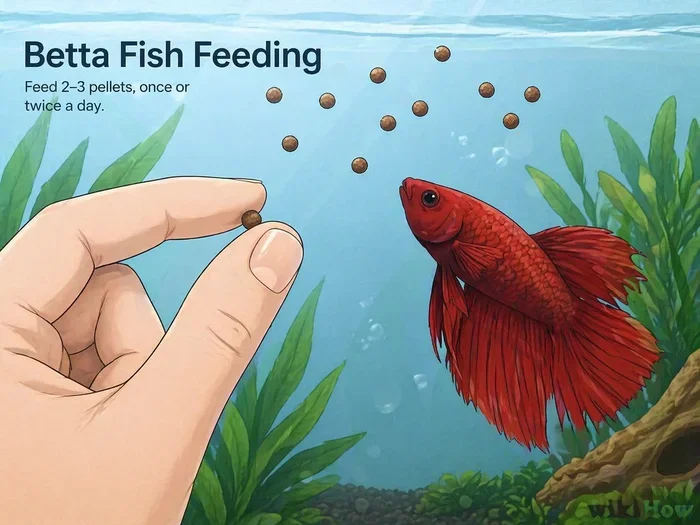
The most common mistake is giving too much food at once. Bettas have small stomachs, roughly the size of their eye. That means a proper meal is quite small. A good rule is to offer only what your fish can finish in about two minutes. For most adults, that equals two to four standard pellets per feeding.
Your betta should eat every bite quickly. If food sinks to the bottom or floats for long, you gave too much. Leftover food breaks down, clouds the water, and raises ammonia levels. That extra waste stresses your fish and makes tank care harder. Start small, watch how your fish responds, and adjust from there.
What a Single Meal Should Look Like
- Two to four pellets for a typical adult betta
- A small pinch of finely crushed food for younger fish
- A few frozen or live treats, such as three to five brine shrimp
- No more than the fish can clear in about two minutes
Some pellets are larger or denser than others. If your brand is big, you may only need one or two pieces. If you use tiny micro-pellets, you might need a slightly larger pinch. The key is to watch the fish, not just count the pieces. A healthy betta will show interest, eat eagerly, and swim away with a rounded but not swollen belly.
Signs You Are Giving Too Much Food
- Food left over after two minutes
- A belly that looks distended or round for hours
- Cloudy water or foul smell within a day
- Reduced activity or sinking to the bottom
If you notice these clues, cut back right away. Remove uneaten food with a net or siphon. Then reduce the next meal by half. You can always increase slowly once your fish returns to normal. How much and how often to feed a betta fish is partly trial and error, but your fish will tell you what works.
The Best Daily Feeding Schedule
A steady schedule helps your betta feel secure and makes your care routine simple. Most healthy adults do well with two small meals each day. Space them about twelve hours apart, such as morning and evening. This pattern supports steady energy and healthy digestion.
Young bettas and growing juveniles need a slightly different approach. Fry and babies have fast metabolisms and smaller stomachs, so they benefit from tiny meals more often. You can offer small amounts three to four times daily for very young fish. As they grow, you can shift toward the adult schedule.
Sample Feeding Routine for Adults
- Morning: Two to four pellets, given slowly
- Evening: Two to four pellets, or a small treat portion
- Once a week: Skip one meal to give the digestive system a break
Consistency matters more than perfection. Try to feed at similar times each day. Your betta will learn the routine and may even swim to the front when you approach. That behavior is normal and shows your fish is healthy and alert. If your schedule changes sometimes, that is fine. Just keep the portions small and the timing as steady as you can.
Adjusting for Age and Size
- Fry and babies: Tiny amounts, three to four times a day
- Juveniles: Small meals, two to three times a day
- Adults: Two small meals a day, with one fasting day weekly
- Seniors or less active fish: Slightly smaller portions, same schedule
Temperature also affects appetite. Warmer water increases metabolism, so your fish may want a bit more. Cooler water slows digestion, so offer less and watch for uneaten food. If your tank runs on the cooler side, stay conservative with portions. How much and how often to feed a betta fish should always match the conditions in your tank.
Choosing the Best Betta Food Types
Not all fish food is equal. High-quality betta pellets should be the core of the diet because they are balanced for protein, fats, and vitamins. Look for clear ingredient lists and a reputation for freshness. Pellets are easy to measure, easy to store, and simple to use in a routine.
Frozen and live foods make excellent supplements. Brine shrimp, daphnia, bloodworms, and mysis shrimp add variety and encourage natural hunting behavior. These treats should remain just that, treats. They are rich and should not replace the main pellet diet. A good balance keeps your fish interested and supports bright color and strong fins.
How to Rotate Foods Safely
- Base diet: Premium betta pellets, twice a day
- Treats: Frozen or live foods, one to two times per week
- Observation: Watch for bloating after rich treats
- Storage: Keep frozen foods sealed and pellets dry
Some owners like to add occasional vegetables, but bettas are primarily carnivorous. They do best with protein-focused meals. A tiny amount of safe, soft vegetable matter is not harmful, but it should never be the main course. If you want to explore safe treats, you can read more about whether bettas can eat lettuce before trying anything new.
Quick Tip: Build a Simple Weekly Plan
Use a basic rotation to keep meals interesting without overcomplicating care. For example, offer pellets every morning and evening, then add a frozen treat on Wednesday and Saturday. This plan gives variety, keeps portions controlled, and makes grocery shopping easy. You will also notice what your fish prefers, which helps you fine-tune future meals.
How to Spot Overfeeding and Underfeeding
Balance is the goal, and your fish will show you when things are off. Overfeeding is the more common problem, and it can cause real harm. Underfeeding is less common, but it can happen if portions are too small or meals are skipped too often. Learning the signs helps you react quickly.
Overfeeding often shows up in the water first. Cloudiness, foam, or a bad smell can appear within a day. Your betta may also look sluggish, hide more, or swim with a swollen belly. Constipation is a frequent result of rich, excessive meals. If you see these signs, reduce portions, remove leftovers, and consider a short fasting day.
Common Overfeeding Symptoms
- Uneaten food on the substrate or floating for long
- Bloating that lasts more than a few hours
- Lethargy, clamped fins, or less interest in swimming
- Cloudy water or rising ammonia between changes
Underfeeding looks different. A hungry betta may seem weak, lose color, or show a thin body profile. The dorsal fin may appear less full, and the fish may spend more time searching the bottom. If your betta looks too thin, increase portions slightly and ensure meals are happening on schedule. Slow changes are safer than sudden large increases.
Common Mistakes to Avoid
- Feeding a whole day’s worth in one large meal
- Leaving leftover food to decay in the tank
- Switching foods too often without watching reactions
- Ignoring water quality after treat days
If you are worried about giving too much, you are not alone. Many owners ask whether they can feed a betta fish too much, and the answer is yes. The good news is that small adjustments usually fix the problem fast. For a deeper look at overfeeding risks, you can also check can you overfeed a betta fish to understand the warning signs.
Special Feeding Situations and Tank Mates
Your betta’s needs can change with age, health, and tank setup. Fry need frequent tiny meals. Sick fish may need softer food or shorter intervals. Fish in a community tank may face competition, so you must watch who eats what. Clear planning prevents stress and keeps everyone healthy.
If you ever keep more than one betta, remember that males are territorial. You should never house two males together, and pairing a male with a female requires careful planning. If you want to understand those dynamics before trying anything, see how often you should feed a betta fish for general scheduling, and review whether a girl and boy betta fish can live together before mixing sexes.
Community Tank Considerations
- Feed your betta in a quiet corner so it can eat in peace
- Watch for faster tank mates stealing food
- Use sinking pellets if bottom dwellers share the tank
- Separate feeding may be needed in busy setups
Some owners also wonder about frogs, turtles, or other species sharing the same water. Those setups need careful research because needs and behaviors differ a lot. For example, you can read keeping a betta fish and dwarf frog together if you are considering a small companion. If you are curious about turtles, review putting a turtle and a betta fish together before making any changes. These guides help you avoid risky combinations.
Expert Insight: Keep It Simple
The best routine is the one you can repeat. Pick a quality pellet, set two feeding times, and add a treat now and then. Simple plans are easier to maintain, easier to adjust, and easier to track. When in doubt, feed less and watch your fish. A slightly hungry betta is safer than an overfed one.
Practical Feeding Tips for Healthy Water and Fish
Good feeding is about more than the food itself. It is also about timing, cleanup, and observation. A few small habits make a big difference in water quality and fish health. Use these practical tips to keep your routine smooth and reliable.
First, offer food slowly. Sprinkle a few pieces, wait, and add more only if your betta is still eating. This method reduces waste and helps you judge appetite. Second, remove leftovers after two minutes. A small net or siphon keeps the tank clean and prevents decay. Third, keep a simple log if you are adjusting portions. Notes help you spot patterns and avoid guesswork.
Quick Tips for Daily Care
- Feed at the same times each day for consistency
- Start with two to four pellets per meal for adults
- Remove uneaten food within two minutes
- Add one fasting day each week for adults
- Store food in a cool, dry place to keep it fresh
- Rotate treats slowly and watch for bloating
Water temperature and cleanliness matter too. A stable, clean tank supports healthy digestion and strong immunity. If your tank needs filtration, you can learn more about whether betta fish need a filtered tank to keep conditions stable. Good filtration does not replace careful feeding, but it helps manage the waste that food creates.
Common Mistakes and How to Fix Them
- Large once-daily meals: Split into two smaller feedings
- Leftovers on the bottom: Reduce portions and siphon waste
- Too many treats: Limit rich foods to once or twice a week
- Ignoring thin fish: Increase portions gradually and monitor
If you ever suspect your fish is seriously ill or not eating at all, act quickly. A fish that stops feeding may need help, and early care matters. You can read bringing a betta fish back to life for emergency context, though prevention through proper feeding is always the best path.
Key Takeaways for a Healthy Feeding Routine
A strong feeding routine is simple, steady, and responsive. Offer small meals, watch your fish, and adjust based on what you see. How much and how often to feed a betta fish is not a mystery once you focus on portion size, schedule, and water quality. Keep the core diet balanced, add variety carefully, and clean up leftovers every time.
Remember that every betta is a little different. Age, activity, temperature, and food type all change the picture. Start with the basics, then refine as you learn your fish’s habits. With a calm routine and close observation, you will keep your betta healthy, colorful, and active for the long run.
Final Checklist Before You Feed
- Check that the tank is clean and the water is stable
- Measure a small portion, about two to four pellets for adults
- Offer food slowly and watch for eager eating
- Remove leftovers after two minutes
- Keep a weekly fasting day for adults
- Note any bloating, color changes, or behavior shifts
When you follow these steps, feeding becomes easy and reliable. Your betta gets the nutrition it needs, your water stays clearer, and your care routine stays manageable. That is the real goal: a healthy fish and a peaceful tank.
Frequently Asked Questions
How much should I feed my betta fish each day?
Most adult bettas do well on two to four pellets per meal, given twice a day. The total daily amount should be whatever your fish can finish in about two minutes per feeding. Always adjust based on size, age, and appetite.
How often should I feed a betta fish?
Feed healthy adults twice a day, about twelve hours apart. Young fish and fry may need smaller meals more often, usually three to four times daily. One fasting day each week can help adult digestion.
Can I feed my betta fish once a day?
Once a day can work for some adults, but two smaller meals are usually better for digestion and energy. If you choose once a day, keep the portion small and watch for signs of hunger or bloating. Consistency matters more than the exact number of meals.
What happens if I overfeed my betta fish?
Overfeeding can cause bloating, constipation, lethargy, and poor water quality from decaying food. It may also raise ammonia levels and stress your fish. Reduce portions, remove leftovers, and consider a short fasting day if you see these signs.
Can betta fish eat frozen or live food instead of pellets?
They can, but pellets should remain the main diet because they are balanced and easy to measure. Frozen or live foods like brine shrimp and bloodworms work well as occasional treats. Use treats in small amounts to avoid overfeeding.
How do I know if my betta is hungry or too thin?
A hungry betta may search for food and swim to the front when you approach. A too-thin fish may show a narrow body profile, dull color, or low energy. Increase portions gradually if your fish looks underfed, and monitor changes closely.