Are Betta Fish Hard to Take Care of Best Beginner Guide
Are betta fish hard to take care of? Not really, but they need specific conditions to thrive. Many beginners think they are easy, but proper care matters. This guide covers tank size, water quality, and feeding. You will learn how to keep your betta healthy and happy.
Many people ask the same question when they start fish keeping. Are betta fish hard to take care of? The answer is not a simple yes or no. These beautiful fish are popular for a reason. They look amazing and have big personalities. But they also have specific needs that many new owners miss.
You might see them in tiny cups at the store. This makes them look like easy pets. But those small spaces are not good for long term life. Your fish needs space to swim and clean water to breathe. If you ignore these needs, your fish will get sick. This guide will help you avoid common mistakes.
We will walk through everything you need to know. You will learn about tank setup and daily care. We will also talk about food and health signs. By the end, you will feel confident about your new pet. Let us dive into the details of betta care.
Key Takeaways
- Tank Size Matters: A small bowl is not enough. Your betta needs at least 5 gallons of water to swim comfortably.
- Water Quality is Key: Clean water prevents disease. You must change the water regularly to keep ammonia low.
- Temperature Control: Bettas are tropical fish. They need warm water between 78 and 80 degrees Fahrenheit.
- Feeding Basics: Overfeeding is common. Feed small amounts once or twice a day for good health.
- Solo Living: Male bettas should live alone. They can fight with other fish or even their own reflection.
- Filter Needs: A gentle filter helps clean the water. Strong currents can stress your fish out.
- Health Signs: Watch for bright colors and active swimming. Hiding too much can mean your fish is sick.
📑 Table of Contents
Understanding the Basics of Betta Care
Before you buy a tank, you need to understand your fish. Bettas come from shallow waters in Asia. They are used to warm and still water. This background affects how you should care for them at home. Knowing this helps you answer the question, are betta fish hard to take care of?
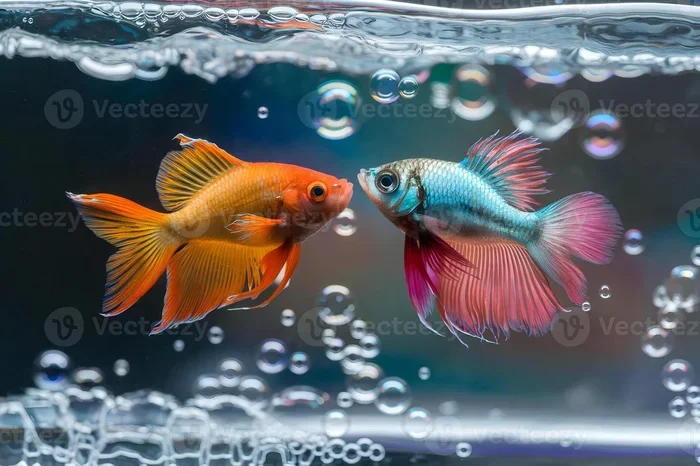
These fish are often called Siamese Fighting Fish. Males are very aggressive toward each other. You should never put two males in the same tank. They will fight until one is hurt. This is a key rule for every owner to follow.
Bettas are also known for their long fins. These fins look great but can tear easily. Sharp decorations in the tank can hurt them. You need to choose smooth rocks and plants. Silk plants are better than plastic ones. This keeps your fish safe from injury.
Why Tank Size Matters
One of the biggest myths is that bettas like small spaces. People think they live in puddles in the wild. This is not true. They live in rice paddies and streams that are big. A small bowl is too cramped for a healthy life.
A small tank gets dirty very fast. Waste builds up quickly in little water. This creates toxins that can kill your fish. A bigger tank gives the waste more space to dilute. It also gives your fish room to exercise. You should aim for a tank that holds at least 5 gallons.
If you want to know more about space needs, check out this guide on do betta fish like a lot of space. It explains why room to swim is vital for their happiness.
Setting Up the Perfect Tank
Setting up your tank is the first big step. You need more than just water and a bowl. The right equipment makes care much easier. Here is a simple list of what you need.
- Heater: Bettas need warm water to stay active.
- Filter: This keeps the water clean without strong currents.
- Light: A gentle light helps plants and shows off colors.
- Substrate: Gravel or sand at the bottom looks nice.
- Decor: Use smooth items to hide and rest.
Once you have the gear, you must cycle the tank. This means building good bacteria before adding fish. These bacteria eat harmful waste products. Skipping this step is a common mistake. It can shock your fish when you first bring them home.
Water Quality and Maintenance
Water quality is the most important part of care. Bad water causes most health problems. You need to test the water often. There are kits available to check pH and ammonia levels. Keeping these levels safe is not hard if you are consistent.
Tap water often has chlorine in it. This chemical is bad for fish. You must use a water conditioner before adding water. This makes the water safe for your betta. You should also check the temperature before adding new water.
Many owners wonder about water changes. You do not need to change all the water every day. But you do need to change some of it weekly. This removes waste and adds fresh minerals. For more details, read about do betta fish have to have water changes.
Temperature and Filtration
Temperature control is vital for tropical fish. Cold water slows down their metabolism. This makes them sick and lazy. You should keep the water between 78 and 80 degrees. A simple aquarium heater can do this job.
Filtration is also key for a healthy tank. Some people think bettas do not need filters. They worry about the water flow. But a filter helps keep the water clean. You just need a gentle one. Sponge filters are great for bettas.
If you are unsure about filters, learn more at do betta fish have to be in a filtered tank. This resource explains why filtration helps long term health.
Signs of Poor Water
How do you know if the water is bad? Your fish will show you signs. Look for clamped fins or dull colors. Gasping at the top of the tank is also a bad sign. This means they cannot get enough oxygen.
Cloudy water is another warning sign. It means there is too much waste or bacteria. You should test the water immediately. Doing a partial water change can help fix this. Always clean your filter media in old tank water. Never use tap water on the filter.
Feeding Your Betta Fish
Feeding seems simple, but it is easy to get wrong. Bettas are carnivores in the wild. They eat insects and larvae. You should feed them high quality pellets made for bettas. These have the right nutrients they need.
Do not feed them too much food. Overfeeding causes bloating and dirty water. A good rule is to feed what they can eat in two minutes. You can feed them once or twice a day. Skipping one day a week is also okay.
You might wonder if you can give them treats. Frozen bloodworms are a great treat. You can give these once a week. Some people ask about other foods too. For example, you should not feed them peanut butter. It is not safe for fish.
Dietary Needs and Mistakes
Your fish needs a varied diet for best health. Only feeding one type of food can cause issues. Mix up their meals with different pellets. You can also try frozen brine shrimp. This keeps them interested in eating.
Watch out for common feeding mistakes. Do not feed them human food. Bread and crackers are bad for their stomachs. Also, remove any uneaten food after feeding. Leftover food rots and pollutes the tank.
Some owners ask strange questions about food. You might wonder if you can give betta food to other fish. Some tropical fish can eat it, but it is not ideal. You can learn more at can you feed betta food to tropical fish. It is best to feed each fish what they need.
Behavior and Social Needs
Bettas have unique personalities. Some are shy and some are bold. You will get to know your fish over time. They can even recognize their owners. They may swim to the glass when you walk by.
Many people worry about loneliness. They ask, are betta fish hard to take care of because they think they need friends. Actually, male bettas prefer to be alone. They do not get lonely like dogs or cats. Adding other fish can cause stress and fights.
If you want tank mates, you must be careful. Some small fish can live with them. But you need to watch their behavior. If you want to know more, read can you put other types of fish with a betta. It is often safer to keep them solo.
Sleep and Rest Patterns
Fish do not sleep like humans do. They do not close their eyes. But they do rest and become less active. You might see them hovering still at night. This is normal behavior for them.
They need a day and night cycle. You should turn the tank light off at night. This lets them rest properly. If the light stays on, they get stressed. Stress weakens their immune system.
Sometimes owners worry when their fish hides. They ask if hiding means the fish is dying. Usually, hiding is just a way to rest. But if they hide all the time, check the water. You can find more info on do betta fish hide to die. Context matters when looking at behavior.
Health and Common Issues
Keeping your fish healthy is the main goal. Prevention is better than cure. Clean water and good food prevent most diseases. But you still need to watch for signs of illness. Early detection saves lives.
Common issues include fin rot and ich. Fin rot makes the fins look torn or white. Ich looks like white salt grains on the body. Both are treatable if you catch them early. You may need medicine from a pet store.
If your fish looks very sick, you might need help. Some people ask if they can take their fish to a vet. It is rare but possible. You can read about can i take my betta fish to the vet petco. Most issues are handled at home with water changes.
Signs of a Happy Fish
A healthy fish is active and colorful. Their fins should be spread out. They should eat well during feeding time. These are signs that your care is working.
Sometimes their color changes. This can happen when they are stressed or happy. You can learn about this at do betta fish change color to show their emotions. Watching these changes helps you understand your pet better.
Advanced Care Tips
Once you master the basics, you can try more. Some owners like to breed their fish. This is more complex than just keeping them. You need a separate tank for babies. The water conditions must be perfect.
Breeding involves mating the fish. You might wonder if they have to mate to survive. They do not. They live happy lives without breeding. You can read do betta fish have to mate to understand their lifecycle. Breeding is optional for pet owners.
You can also train your fish. They can learn simple tricks. This is a fun way to bond with them. It shows how smart they really are. Training takes patience and small rewards.
Travel and Moving
Life happens and you might need to travel. You cannot leave your fish alone for long. They need food and clean water. If you go on a trip, ask a friend to help. Or use an automatic feeder.
Moving is also stressful for fish. You need to pack them safely. Temperature changes during travel can be dangerous. If you fly, there are rules to follow. Check can you take betta fish on a plane for travel tips. Planning ahead makes moving easier.
Conclusion
So, are betta fish hard to take care of? They are not hard, but they do need respect. You cannot just put them in a cup and forget them. They need a warm tank with clean water. They need the right food and space to swim.
If you follow these steps, your fish will thrive. You will see their colors shine and their personality grow. Taking care of a betta is a rewarding hobby. It teaches you responsibility and patience. Start with a good tank and enjoy your new friend.
Frequently Asked Questions
How often should I change my betta fish water?
You should change about 25 percent of the water every week. This keeps the water clean without shocking your fish. Always use a water conditioner to remove chlorine before adding new water.
Can betta fish live in a bowl?
Bettas can survive in a bowl, but they will not thrive. Bowls are usually too small and get dirty very fast. A 5 gallon tank is much better for their health and happiness.
Do betta fish need a heater?
Yes, betta fish are tropical and need warm water. The ideal temperature is between 78 and 80 degrees Fahrenheit. A heater keeps the water stable and helps their immune system.
What do I do if my betta fish is hiding?
Hiding is normal if they are resting or adjusting to a new tank. But if they hide all the time, check your water quality. Poor water or stress can cause them to hide constantly.
Can I put other fish with my betta?
Male bettas are aggressive and should usually live alone. Some peaceful tank mates might work, but there is a risk of fighting. It is safest to keep them in their own tank.
How do I know if my betta fish is sick?
Look for signs like clamped fins, white spots, or loss of color. Lethargy and not eating are also common signs of illness. Test your water first, as bad water causes most health issues.