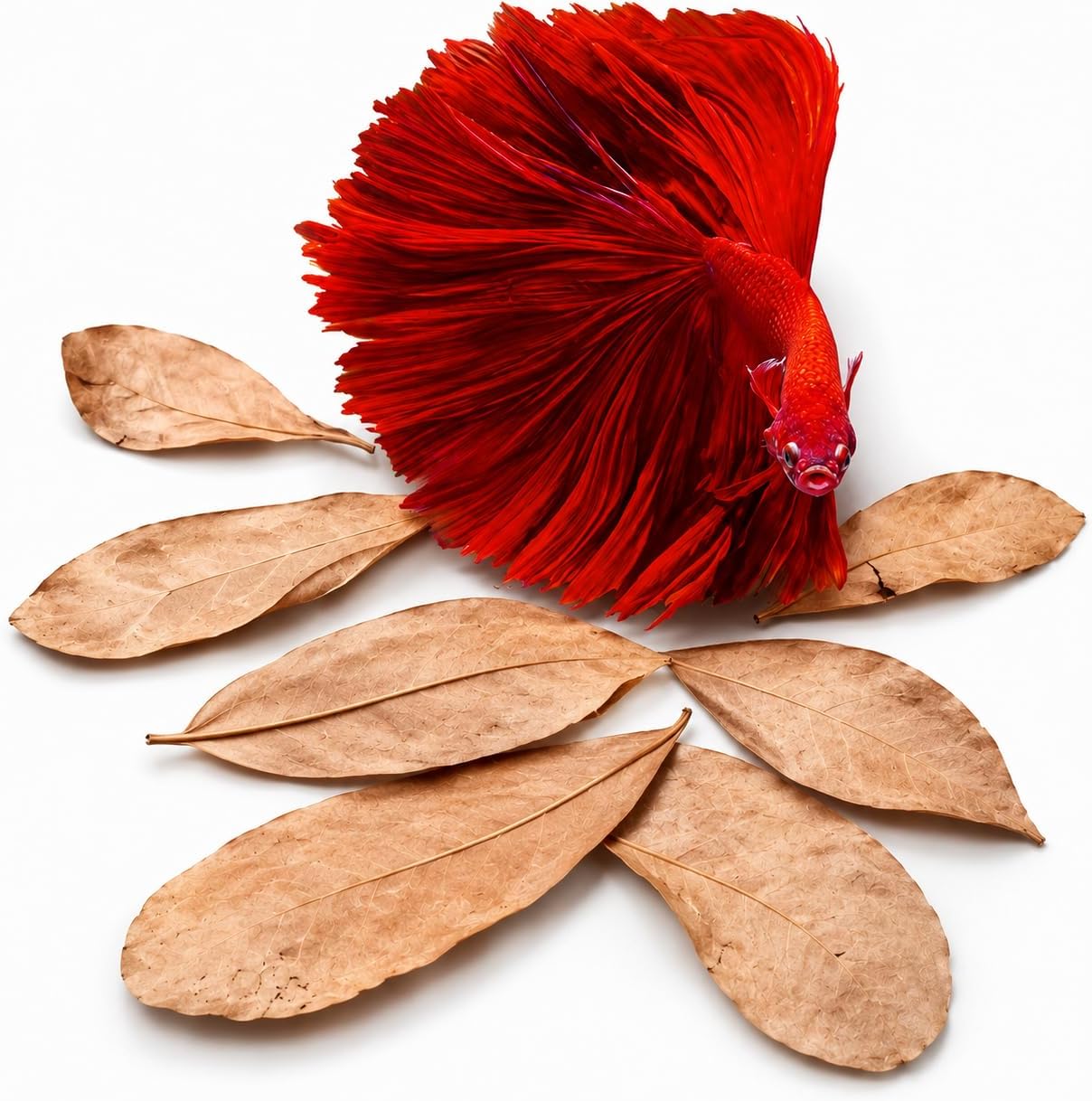
Betta fish betta care is simple when you know the basics. This guide walks you through tank selection, water quality, feeding, and health checks so your betta stays bright and active. Follow these friendly tips and enjoy a happy, healthy betta every day.
Key Takeaways
- Tank size matters: A minimum of 5 gallons provides space and stability.
- Temperature is critical: Keep water between 76‑82 °F (24‑28 °C) for optimal health.
- Gentle filtration: Use a low‑flow filter or a sponge to keep water clean without stressing the fish.
- Balanced diet: Offer high‑quality pellets, frozen foods, and occasional live treats.
- Regular water changes: Change 25‑30 % weekly to prevent toxin buildup.
- Watch for stress signs: Faded colors, clamped fins, or rapid breathing signal a problem.
- Enrichment matters: Add plants, caves, and toys to stimulate natural behaviors.
📑 Table of Contents
Introduction
Thinking about adding a splash of color to your home? A betta fish might be the perfect choice. These little fighters are famous for their flamboyant fins and feisty personality, but they are also surprisingly easy to keep when you understand the basics of betta fish betta care. In this article we’ll walk through everything you need—from choosing the right tank to spotting early signs of illness—so you can feel confident and enjoy a thriving betta for years.
We’ll keep the tone casual, like chatting with a friend over coffee. Short sentences, simple words, and plenty of practical tips will make the information easy to digest. Let’s dive in!
1. Setting Up the Perfect Home
Choosing the Right Tank
The biggest myth about bettas is that they can live happily in tiny bowls. In reality, a 5‑gallon (19‑liter) tank is the sweet spot. It gives your fish room to swim, stabilizes temperature, and makes water changes easier. If you have space, a 10‑gallon tank is even better and allows for gentle community housing with compatible species.

Visual guide about A Betta Fish Betta Care
Image source: 2momart.vn
Read more about tank size in our What Size Tank For A Betta Fish guide.
Water Parameters
Betta fish are tropical, so they love warm water. Aim for 76‑82 °F (24‑28 °C). Use a reliable aquarium heater and a thermometer to keep the temperature steady. pH should sit between 6.5 and 7.5, and hardness can be moderate. Test kits are inexpensive and worth the peace of mind.
For a deeper dive on temperature, check out What Temperature Should A Betta Fish Water Be.
Filtration and Aeration
Betas breathe air from the surface, so a strong current can stress them. Choose a low‑flow filter or a sponge filter that creates gentle water movement. An air stone is optional; many bettas do fine without one as long as the surface is not stagnant.
If you wonder whether a pump is needed, see Does A Betta Fish Need An Air Pump.
Substrate, Plants, and Hiding Spots
Fine sand or smooth gravel works well. Live plants like Java fern, Anubias, or Marimo moss not only look great but also help maintain water quality. Add caves, driftwood, or silicone‑sealed decorations for your betta to explore and rest.
2. Feeding Your Betta Right
Choosing Quality Food
High‑quality betta pellets should be the staple—look for products with real protein and no fillers. Supplement with frozen or live foods such as bloodworms, daphnia, or brine shrimp a few times a week for enrichment.
Visual guide about A Betta Fish Betta Care
Image source: notebookandpenguin.com
How Much and How Often
Feed small amounts 2‑3 times daily. A pea‑sized portion per feeding is enough; bettas have tiny stomachs. Remove any uneaten food after 5 minutes to keep the water clean.
Our article How Often Should U Feed A Betta Fish offers a quick feeding schedule.
Common Feeding Mistakes
- Overfeeding leads to constipation and cloudy water.
- Feeding only pellets can cause nutritional gaps.
- Giving too much live food can introduce parasites.
3. Maintaining Water Quality
Weekly Water Changes
Swap out 25‑30 % of the tank water each week. Use a water conditioner to neutralize chlorine and chloramines. This routine removes nitrates and keeps the environment stable.

Visual guide about A Betta Fish Betta Care
Image source: cdn.rockislandauction.com
Testing and Monitoring
Invest in a test kit for ammonia, nitrite, nitrate, and pH. Test weekly and after any major changes. If ammonia or nitrite spikes, perform an immediate partial water change.
Cleaning the Tank
Scrape algae from the glass, vacuum the substrate, and rinse filter media in tank water (not tap water) to preserve beneficial bacteria.
4. Health and Wellness
Recognizing Stress Signs
Watch for faded colors, clamped fins, rapid gill movement, or loss of appetite. These can indicate poor water quality, temperature swings, or disease.
Common Diseases
- Fin rot: White, frayed edges on fins; treat with antibacterial medication.
- Ich: Tiny white spots; raise temperature slightly and add medicated salt.
- Swim bladder issues: Floatation problems; fast‑feed peas to relieve constipation.
When to Seek Help
If symptoms persist after 48 hours of treatment, consult a vet or an experienced hobbyist. Our guide How To Know If A Betta Fish Is Dying outlines warning signs.
5. Enrichment and Social Needs
Interaction and Play
Betas enjoy mental stimulation. Use a soft brush or a finger to “train” simple tricks like swimming to a target. Always be gentle—sharp movements can stress them.
Tank Mates
Male bettas are territorial and should not be housed with other males. However, a single male can share a spacious tank with peaceful, non‑fin‑nipping species such as small rasboras, neon tetras (in a larger tank), or snails.
Read more about compatible fish in What Fish Is Compatible With A Betta Fish.
Breeding Basics (Optional)
If you’re curious about breeding, provide a shallow sloping surface for bubble nest building. Keep water temperature at the high end of the range and reduce lighting to mimic dusk. Once the nest is ready, introduce a conditioned female and monitor closely.
Conclusion
Betta fish betta care is all about consistency—steady temperature, clean water, balanced diet, and a bit of enrichment. By following the steps above, you’ll create a vibrant, healthy environment where your betta can show off its dazzling colors and lively personality. Remember, a happy betta is a sign of a well‑maintained tank, so keep up with routine checks and enjoy the rewarding experience of caring for one of the most charismatic freshwater fish.
Frequently Asked Questions
How often should I change the water in a betta tank?
Change 25‑30 % of the water weekly. If you notice cloudy water or a spike in ammonia, increase the frequency until the tank stabilizes.
Can bettas live in a bowl?
While bettas can survive in a bowl, they thrive better in a filtered tank of at least 5 gallons where temperature and water quality are easier to control.
What temperature is ideal for a betta fish?
Maintain water between 76‑82 °F (24‑28 °C). Consistent temperature reduces stress and supports immune health.
Do bettas need a heater?
Yes. In most homes room temperature drops below the ideal range, so a reliable aquarium heater is essential.
Can I keep other fish with my betta?
Yes, if the tank is large enough and the tank mates are peaceful, non‑fin‑nipping species. Avoid other male bettas and aggressive fish.
How can I tell if my betta is male or female?
Male bettas have longer, flowing fins and brighter colors, while females have shorter fins and may display a more muted hue. For detailed identification, see How To Tell The Gender Of A Betta Fish.