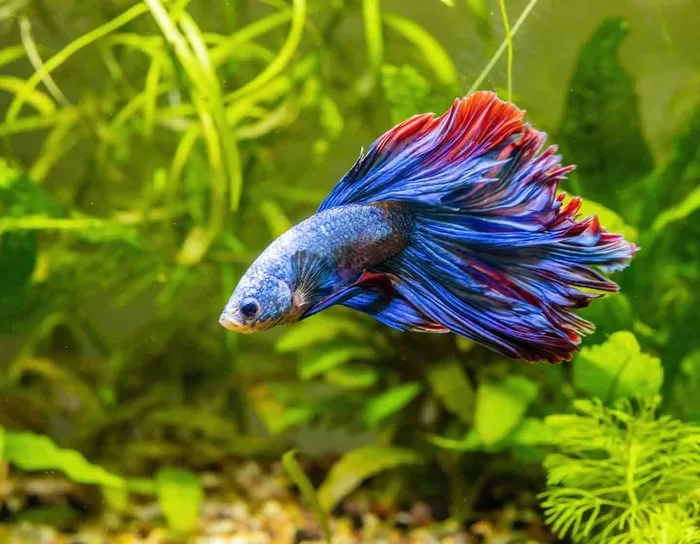
What Temperature Should a Betta Fish Water Be

Betta fish thrive in warm water, typically between 76°F and 82°F (24°C‑28°C). Maintaining this temperature keeps them active, colorful, and disease‑free. Use a reliable heater and monitor regularly for the best results.
Key Takeaways
- Optimal range: Keep betta water between 76°F‑82°F (24°C‑28°C) for peak health.
- Consistent temperature: Sudden swings stress bettas and can trigger illness.
- Heater choice: A submersible, adjustable aquarium heater works best for small tanks.
- Thermometer placement: Position the thermometer where water circulates evenly.
- Seasonal adjustments: Room temperature changes may require heater tweaks.
- Backup plan: Have a battery‑operated heater or spare in case of power loss.
- Water quality matters: Proper temperature works hand‑in‑hand with clean, filtered water.
📑 Table of Contents
- Introduction: Why Temperature Is the Heartbeat of a Betta’s Life
- 1. The Science Behind the Ideal Betta Water Temperature
- 2. Determining the Perfect Temperature for Your Betta
- 3. Setting Up and Maintaining the Right Temperature
- 4. Common Temperature‑Related Problems and How to Fix Them
- 5. Enhancing Betta Comfort Beyond Temperature
- Conclusion: Keep It Warm, Keep It Happy
Introduction: Why Temperature Is the Heartbeat of a Betta’s Life
Imagine trying to run a marathon in a freezing snowstorm. That’s what it feels like for a betta fish when its water is too cold. These bright, feisty little swimmers hail from the warm, slow‑moving waters of Southeast Asia, so they expect a cozy environment that mimics their natural habitat. If the temperature drops, they become sluggish, lose color, and become prone to disease. If it rises too high, their metabolism spikes, they can become hyperactive, and the oxygen level in the water can drop dramatically.
Getting the temperature right isn’t just a “nice‑to‑have” detail; it’s the foundation of good betta care. In this guide, we’ll walk through the science behind the ideal range, how to measure and maintain it, and what to do when things go off‑track. By the end, you’ll feel confident that your betta’s water is always at the perfect, tropical sweet spot.
1. The Science Behind the Ideal Betta Water Temperature
1.1. Natural Habitat and Evolution
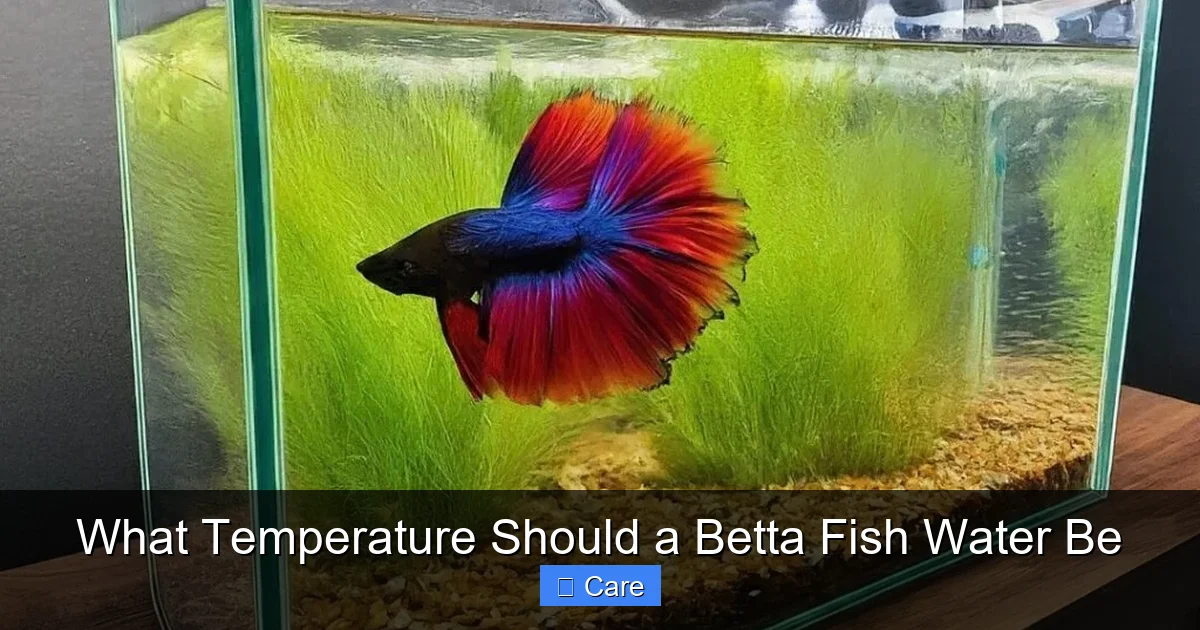
Betta splendens, the Siamese fighting fish, originated in the shallow rice paddies, swamps, and slow‑moving streams of Thailand, Cambodia, and Vietnam. These waters stay warm year‑round, usually hovering around 78°F (25.5°C). Over thousands of years, bettas evolved to thrive at this temperature, developing a metabolism that works best in warm water.
Visual guide about What Temperature Should a Betta Fish Water Be
Image source: fishkeepertank.com
1.2. Metabolism and Immune Function
Temperature directly influences a fish’s metabolic rate. At 76°F‑82°F (24°C‑28°C), a betta’s enzymes function efficiently, digestion is smooth, and the immune system stays strong. Drop the temperature below 72°F (22°C), and the metabolism slows, making the fish lethargic and more susceptible to bacterial infections. Raise it above 84°F (29°C) for extended periods, and you risk oxygen depletion and stress‑related illnesses like fin rot.
1.3. Oxygen Solubility and Temperature
Warmer water holds less dissolved oxygen. That’s why a well‑aerated tank is crucial when you keep the heater set toward the higher end of the range. A simple air stone or a gentle surface agitation can keep oxygen levels healthy, even at 82°F.
2. Determining the Perfect Temperature for Your Betta
2.1. The Goldilocks Zone: 76°F‑82°F (24°C‑28°C)
Most experts agree that 78°F (25.5°C) is the sweet spot, but a range of 76°F‑82°F gives you flexibility. Younger bettas and those in breeding tanks may prefer the slightly warmer side, while an older, more sedentary fish can be comfortable near 76°F.

Visual guide about What Temperature Should a Betta Fish Water Be
Image source: img.thepets.net
2.2. Factors That May Shift the Ideal Range
- Tank size: Smaller tanks lose heat faster, so a heater with a higher wattage may be needed.
- Room temperature: In colder climates, the heater works harder; in hot climates, you may need a fan or a cooler.
- Fish health: Sick fish sometimes benefit from a slightly higher temperature (up to 84°F) for a short “thermal boost,” but only under veterinary guidance.
2.3. Choosing the Right Thermometer
A digital stick‑on thermometer is cheap and accurate, but a floating glass thermometer gives a visual cue at a glance. Place the thermometer in an area with good water flow, away from direct heater output, to get a true reading of the tank’s average temperature.
3. Setting Up and Maintaining the Right Temperature
3.1. Selecting a Heater
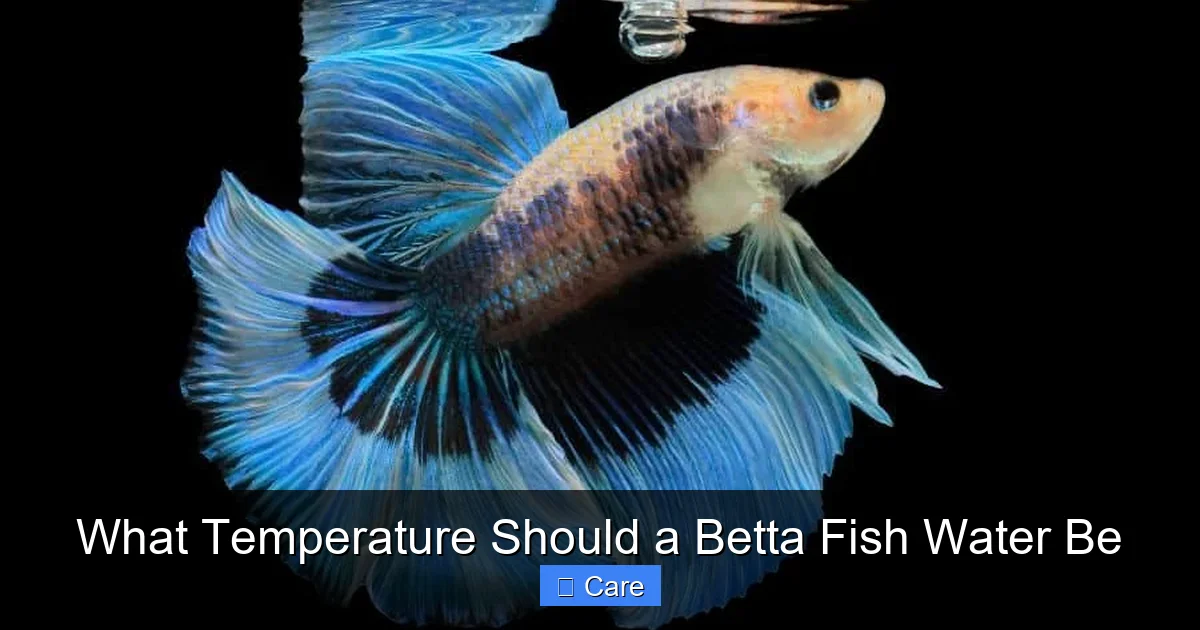
For a typical 2‑5 gallon betta tank, a 25‑50 watt submersible heater is ideal. Look for these features:
Visual guide about What Temperature Should a Betta Fish Water Be
Image source: ouraquariumlife.com
- Adjustable dial: Allows fine‑tuning within the 76°F‑82°F range.
- Built‑in thermostat: Prevents overheating.
- Shatter‑proof glass: Safety in case the heater cracks.
3.2. Installation Steps
- Rinse the heater with dechlorinated water (no soap).
- Place it near the water surface, preferably on the side opposite the filter inlet for even distribution.
- Plug it in and set the dial to the desired temperature (start at 78°F).
- Allow 24‑48 hours for the water to stabilize, checking the thermometer every few hours.
3.3. Monitoring and Adjusting
Check the temperature twice daily for the first week. Once stable, a once‑daily check is enough. If you notice a drift of more than 2°F, adjust the heater dial or verify that the thermostat isn’t stuck.
3.4. Dealing with Seasonal Changes
In winter, room temperature can drop 10°F or more, causing the heater to work overtime. Insulating the tank with a foam board or placing it away from drafts helps. In summer, if the room climbs above 85°F, consider a small desktop fan blowing across the water surface to boost evaporation and cooling.
4. Common Temperature‑Related Problems and How to Fix Them
4.1. Temperature Fluctuations
Rapid changes (>4°F in an hour) stress bettas. Causes include a faulty heater, power outages, or moving the tank near a window. Solution: Use a heater with a “dual‑probe” safety feature, and keep a backup battery‑operated heater on hand.
4.2. Overheating
Signs: frantic swimming, loss of color, rapid gill movement. Turn off the heater, add a few ice cubes in a sealed bag, and float it near the surface. Replace the heater if it continues to run hot.
4.3. Under‑heating
Signs: lethargy, pale fins, reduced appetite. Increase the heater setting by 2°F and ensure the heater is fully submerged. If the room is cold, consider a small space heater for the room (set on low).
4.4. Heater Failure
Test the heater before each water change by placing it in a cup of water and watching the temperature rise. A sudden loss of heat is a red flag; replace immediately.
5. Enhancing Betta Comfort Beyond Temperature
5.1. Water Quality and Filtration
Even the perfect temperature can’t save a betta in dirty water. Perform 25% water changes weekly, use a gentle sponge filter, and keep ammonia and nitrite at 0 ppm.
5.2. Tank Size and Decoration
A 2‑5 gallon tank provides enough water volume to buffer temperature changes. Add live plants like Anubias or Java fern; they help stabilize temperature and oxygen levels.
5.3. Feeding and Activity
Warm water speeds digestion, so feed small amounts 2‑3 times a day. Overfeeding can cloud the water, making temperature regulation harder. Provide a few floating toys or a small cave for enrichment.
Conclusion: Keep It Warm, Keep It Happy
Maintaining the right water temperature is the single most important factor in betta care. Aim for the 76°F‑82°F (24°C‑28°C) sweet spot, use a reliable heater, and monitor consistently. Pair stable temperature with clean water, proper filtration, and a modestly sized tank, and your betta will reward you with vibrant colors, bold personality, and a long, healthy life. Treat the temperature like a daily check‑in—just as you would greet a friend— and you’ll both enjoy a thriving aquarium.
Frequently Asked Questions
What is the exact temperature range a betta fish needs?
Betta fish thrive best in water that is kept between 76°F and 82°F (24°C‑28°C). The ideal midpoint is around 78°F (25.5°C).
Can I keep a betta without a heater?
In a consistently warm room (above 78°F) a heater isn’t strictly necessary, but most homes experience temperature drops, so a heater is strongly recommended for stability.
How often should I check the water temperature?
Check twice daily for the first two weeks after setting up the tank, then once a day is sufficient as long as the temperature remains stable.
What type of thermometer is best for a betta tank?
A floating glass thermometer or a digital stick‑on probe works well. Place it where water circulates evenly for an accurate reading.
My heater keeps turning off—what should I do?
Make sure the heater is fully submerged, the thermostat isn’t stuck, and the power outlet is stable. If problems persist, replace the heater with a new, reliable model.
Is it safe to raise the temperature temporarily if my betta is sick?
A short‑term increase to 84°F (29°C) can sometimes boost the immune response, but only do this under the guidance of a veterinarian and return to the normal range once the fish recovers.