Where Can You Buy Female Betta Fish

Finding a healthy female betta fish requires knowing where to look. Reputable specialty breeders and dedicated local fish stores are the top sources for vibrant, well-cared-for females. While online retailers offer convenience, careful vetting is crucial to avoid shipping stress and unhealthy specimens. Always inspect the fish’s behavior and tank conditions before purchasing, and never buy from big-box stores. Setting up a proper 5+ gallon heated, filtered tank is non-negotiable for your new betta’s long-term health and happiness.
So, you’ve decided to add a stunning female betta fish to your aquatic family. Excellent choice! Often overlooked in favor of their more flamboyant male counterparts, female bettas are incredible pets. They boast captivating personalities, a huge variety of colors and fin types (like the elegant halfmoon and the feisty plakat), and can often be kept in carefully chosen community tanks. But your journey truly begins with one critical question: where can you buy a female betta fish that is healthy, ethically sourced, and will thrive with you for years to come? This guide will walk you through every option, from the best local shops to vetted online sources, and arm you with the knowledge to make a smart, compassionate purchase.
The world of betta retail is a mixed bag. For every wonderful, knowledgeable hobbyist breeder, there’s a seller prioritizing profit over welfare. Female bettas, in particular, can be harder to find in top condition because the industry focuses heavily on selling flashy males. But don’t worry—by the end of this article, you’ll know exactly where to look, what to look for, and how to prepare for your new finned friend. Let’s dive in.
Key Takeaways
- Specialty Breeders Are Gold Standard: Dedicated betta breeders, found online or at fish shows, offer the healthiest, most vibrant females with known genetics and care histories.
- Local Fish Stores Can Be Excellent: A good local fish store (LFS) that properly quarantines and cares for its bettas is often a better choice than large pet chains.
- Online Retailers Require Diligence: Buying online offers vast selection but carries shipping risks. Research sellers thoroughly, read reviews, and understand their live-arrival guarantee policies.
- Health Inspection is Mandatory: Look for active swimming, intact fins, clear eyes, and no bloating. Avoid fish in dirty cups with faded colors or clamped fins.
- Proper Tank Setup Comes First: You must have a cycled, heated (78-80°F), filtered tank (minimum 5 gallons) ready before bringing any female betta fish home.
- Avoid Big-Box Stores for Bettas: Department and pet superstores typically keep bettas in deplorable conditions, leading to high stress, disease, and short lifespans.
- Females Are Not “Milder” Males: Female betta fish have distinct personalities and fin types. They can still be aggressive towards each other and require careful research for tank mates.
📑 Table of Contents
- Understanding the World of Female Betta Fish
- Top Tier Source #1: Reputable Specialty Betta Breeders
- Top Tier Source #2: Committed Local Fish Stores (LFS)
- Top Tier Source #3: Online Retailers and Auctions (With Caution)
- The Critical Buyer’s Checklist: Inspecting Your Female Betta
- Setting the Stage: Preparing for Your New Female Betta
- Common Pitfalls and How to Avoid Them
- Conclusion
Understanding the World of Female Betta Fish
Before we talk about *where* to buy, it’s helpful to understand *what* you’re looking for. Female betta fish (Betta splendens) are not just “lesser” males. They are distinct individuals with their own needs and charms.
The Personality and Temperament of Female Bettas
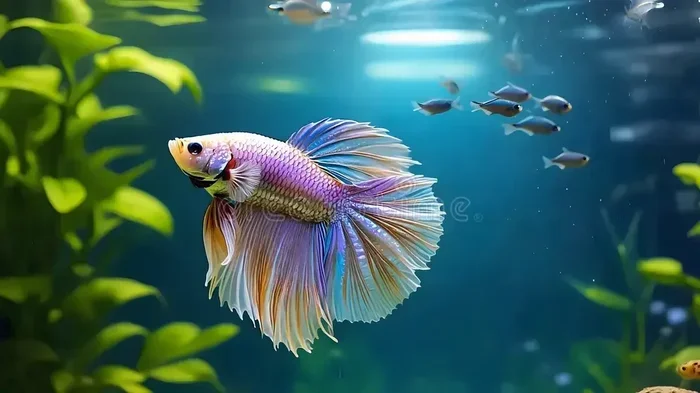
While both sexes are labyrinth fish (meaning they breathe atmospheric air) and share a reputation for aggression, female bettas are generally less territorial than males. However, “less aggressive” does not mean “docile.” A female betta can and will flare her gills, chase, and bite if provoked or housed incorrectly. Their personalities range from shy and reclusive to bold and curious. Many females are excellent candidates for “sorority” tanks (groups of 4-6 females), but this requires specific setup and monitoring. They also often fare better with certain peaceful tank mates like Corydoras catfish, Kuhli loaches, or small neon tetras in a properly sized community tank.
The Stunning Variety of Female Bettas
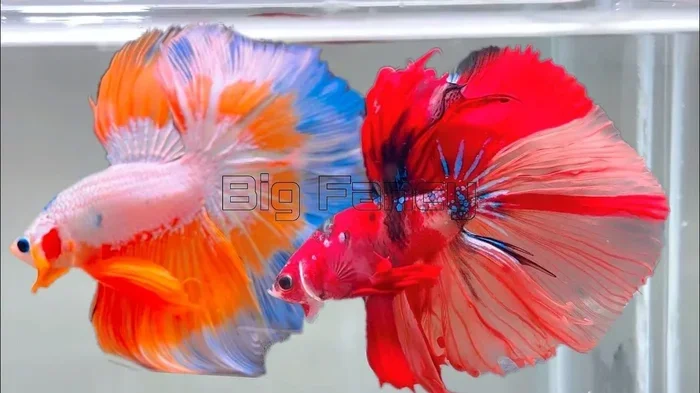
Gone are the days when only males had pretty fins. Modern breeding has produced spectacular female bettas. You can find females in almost every color—red, blue, turquoise, mustard gas, koi, and even multicolored marbles. Fin types include the flowing halfmoon (HM), the shorter but spiky plakat (PK), the elegant veil tail (VT), and the dramatic crown tail (CT). Specialized breeders are your best bet for finding specific, high-quality females in these varieties, as they work with genetic lines to enhance color and form.
Why Their Source Matters More Than You Think
The environment a female betta comes from directly impacts her health and hardiness. Bettas from stressful, overcrowded, or dirty conditions often arrive with latent diseases like velvet, dropsy, or fin rot. Their immune systems are compromised, making the transition to your home tank perilous. A well-sourced betta from a clean, temperature-controlled system with proper filtration and feeding has a vastly higher chance of thriving. This makes your choice of seller the single most important factor in your success as a betta keeper.
Top Tier Source #1: Reputable Specialty Betta Breeders
If you want the absolute best start for your female betta, seek out a dedicated betta breeder. These are passionate hobbyists who breed bettas for the love of the fish and the improvement of the species, not for mass profit.

Visual guide about Where Can You Buy Female Betta Fish
Image source: light.fish
Finding a Breeder: Fish Shows and Online Communities
Specialty breeders often showcase their stock at local or national aquarium society fish shows. Attending one is a fantastic way to see fish in person, ask questions, and build a relationship. Online is the most common avenue. Websites like Aquabid, Facebook groups (search for “Betta Breeders” or “Female Betta Sales”), and dedicated breeder forums are treasure troves. Look for breeders who:
- Photograph Their Actual Fish: They provide clear, well-lit photos and videos of each individual fish for sale, not just stock images.
- Detail Care and Lineage: They share information about the fish’s parents, feeding regimen (often high-quality foods like frozen brine shrimp), and water parameters.
- Have a Clear Shipping Policy: They use insulated boxes with heat/cold packs, ship via overnight or 1-2 day express, and have a robust, fair live arrival guarantee (DOA policy).
- Are Knowledgeable and Responsive: They answer your pre-purchase questions about tank setup, feeding, and temperament eagerly and in detail.
The Premium You Pay For
Expect to pay more from a breeder—often $40 to $100+ for a high-quality female. This price reflects months of selective breeding, individual care, pristine water conditions, and the expertise behind the fish. You are paying for a healthy, genetically robust betta with a known background. This is an investment in a pet that can live 3-5 years (or more with exceptional care). Many breeders also offer “pick” options where you can choose your specific fish from a photo lineup.
A Note on Imported “Wild-Type” or “Fancy” Females
Some online sellers offer stunning females imported from Southeast Asia (Thailand, Indonesia, Malaysia). These can be breathtakingly beautiful and affordable. However, the import process is inherently stressful. Only buy from sellers who specialize in importing and have a flawless reputation for acclimating and quarantining these fish for several weeks before sale. Never buy a freshly imported betta; it needs time to recover from its journey.
Top Tier Source #2: Committed Local Fish Stores (LFS)
A truly excellent local fish store can be a sanctuary for bettas and a wonderful place to find a female. The key is finding a *committed* one, not just any store with fish tanks.

Visual guide about Where Can You Buy Female Betta Fish
Image source: petshun.com
Identifying a High-Quality Local Fish Store
Walk in and look. Do the betta cups (if they use them) sit in clean, warm water? Are the fish active and responsive? Is the staff knowledgeable, asking you about your tank setup before even suggesting a fish? Here are the hallmarks of a good LFS for bettas:
- Proper Display Systems: The best stores house their bettas in filtered, heated community tanks or divided systems, not in isolated, stagnant cups. This is a huge green flag.
- Cleanliness: The store should smell clean, not like decaying matter. Algae should be minimal, and water should be clear.
- Staff Expertise: Employees should be able to tell you the betta’s approximate age, feeding habits, and any known health issues. They should quiz you on your readiness.
- Quarantine Practices: Ask! A reputable store quarantines all new fish for at least 2-4 weeks to observe for disease before putting them on the sales floor.
The Advantages of Buying Local
Buying from a good LFS means you can see the fish in person, assess its health and personality directly, and get immediate, tailored advice. There’s no shipping stress, and you can often bring a water sample from your home tank to discuss parameters. Building a relationship with a local store is invaluable for future advice and support. Prices at a good LFS will be higher than a big-box store but often lower than a top breeder, representing a good middle ground for quality and convenience.
Supporting Your Local Hobby
By choosing a dedicated LFS, you support your local aquarium hobby economy. These stores are typically run by passionate aquarists who care deeply about the animals. They are also your best resource for local water chemistry advice, which can vary dramatically by region.
Top Tier Source #3: Online Retailers and Auctions (With Caution)
The internet has opened up a world of betta selection. Sites like Aquabid, eBay, and specialized betta shop websites (e.g., Betta4U, Thai Betta World) offer thousands of females from around the globe. This convenience comes with significant risks that must be managed.

Visual guide about Where Can You Buy Female Betta Fish
Image source: hepper.com
The Allure and Peril of Online Shopping
The selection is staggering. You can find every color, fin type, and pattern imaginable. However, you cannot inspect the fish personally. You are relying entirely on the seller’s photos, descriptions, and reputation. Shipping is the biggest hurdle. Bettas are tropical fish sensitive to temperature extremes and stress. A poorly packed shipment or a delay can be fatal.
How to Vet an Online Seller: A Checklist
Do not buy on a whim. Create a vetting checklist:
- Read Reviews Relentlessly: Search for the seller’s name on forums like Fishlore, Seriously Fish, and Reddit (r/bettafish). Look for consistent praise about healthy arrivals and good customer service, not just pretty pictures.
- Examine Their Shipping Policy: Do they ship year-round? Do they use insulated boxes with proper heat/cold packs? Do they guarantee live arrival and have a clear, fair process for filing a claim (usually requiring photos within a set time)?
- Look for Transparency: Do they show videos of their fish in their actual tanks? Do they discuss their water change schedule and feeding practices? A transparent seller has nothing to hide.
- Payment Method: Use a secure method like PayPal that offers buyer protection.
- Start Small: For your first online purchase, consider a less expensive, common variety female to test the seller’s process and shipping quality.
Understanding the “Drop Ship” Model
Be aware that many online stores are “drop shippers.” They don’t keep the fish you see on their site. They purchase the fish from a wholesaler or breeder and have it shipped directly to you, often without ever seeing it. This adds layers of risk and makes accountability difficult. Prefer sellers who hold and photograph their own inventory.
The Critical Buyer’s Checklist: Inspecting Your Female Betta
Whether you buy online from a photo or in person at a store, you must know how to assess a betta’s health. This skill is your most important defense against bringing home a sick fish.
Physical Examination: What to Look For
If you’re in a store, observe the fish for at least 5-10 minutes. If buying online, scrutinize the provided photos and videos.
- Fins: Should be intact, without tears, splits, or rot (which looks like ragged, blackened, or fuzzy edges). No signs of biting or nipping.
- Body: Should be symmetrical, not swollen or bloated (a sign of constipation, internal infection, or dropsy). No visible sores, lumps, or parasites (like tiny salt-like grains of velvet).
- Eyes: Should be clear, bright, and protruding normally. Cloudy or “popped” eyes are a severe bad sign.
- Gills: Should open and close evenly. No rapid, labored breathing (gasping at the surface can indicate poor water quality or disease).
- Scales: Should lie flat. “Pineconing” (scales standing out like a pinecone) is a classic, late-stage symptom of dropsy.
- Color: Should be vibrant and Even. Faded, dull, or patchy color, especially in a young betta, can indicate chronic stress or illness.
Behavioral Red Flags
A healthy betta is curious and active.
- Good Sign: Swims deliberately, flares at its reflection (or your finger), explores its environment, rests occasionally on a plant or decor but is easily roused.
- Bad Signs: Lethargy, floating listlessly at the top or bottom, inability to swim straight (swim bladder disorder), frantic darting and rubbing (itchiness from parasites), clamped fins (held tightly against the body—a major stress indicator).
Assessing the Seller’s Environment
This is where an in-store visit is invaluable. Look at the betta’s current home.
- Water Clarity: Is the water clear? Cloudy, dirty water is a breeding ground for disease.
- Tankmates: Are other fish in the same system showing signs of disease (spots, frayed fins, lethargy)? Disease spreads quickly.
- Temperature: The water should be warm (78-80°F). Cold water slows metabolism and immunity.
- Food: Are they being fed? A store that doesn’t feed its bettas isn’t providing basic care.
Setting the Stage: Preparing for Your New Female Betta
You cannot bring a female betta fish home without being fully prepared. The “fish-in-cycle” is dangerous and outdated. Your tank must be fully cycled and stable before the betta arrives.
The Non-Negotiable Tank: Size and Equipment
Forget the tiny vase or bowl. A single female betta needs a minimum of a 5-gallon (19-liter) tank. Larger is always better. This volume provides stable water parameters and room to explore. Essential equipment includes:
- Heater: A reliable, adjustable aquarium heater to maintain 78-80°F (25.5-26.5°C). Bettas are tropical fish.
- Filter: A gentle filter is crucial. Sponge filters are perfect for bettas as they provide bio-filtration without a strong current that can stress them and damage their fins. A hang-on-back (HOB) filter with a flow diffuser is also good.
- Lid/Hood: Bettas are jumpers! A secure lid is mandatory.
- Thermometer: To verify heater accuracy.
- Water Conditioner: To dechlorinate tap water.
- Test Kit: Liquid tests (API Master Test Kit) are essential to monitor the cycle (ammonia, nitrite, nitrate, pH).
Cycling the Tank: The Nitrogen Cycle Explained Simply
Cycling is the process of establishing beneficial bacteria that convert toxic fish waste (ammonia) into less harmful nitrates. This takes 4-6 weeks. You must do this before adding your betta.
- Set up the tank with all equipment. Add substrate, plants (live or silk), and decor (no sharp edges!).
- Add a source of ammonia. This can be fish food, a piece of shrimp, or pure ammonia (from a hardware store, unscented).
- Test daily. You will see ammonia spike, then drop as nitrite appears. Then nitrite will spike and drop as nitrate appears. When you can add ammonia and it converts to nitrate within 24 hours with zero ammonia and zero nitrite, the cycle is complete.
- Perform a large water change to lower nitrates below 20 ppm before adding the betta.
Alternatively, you can use a “bacteria in a bottle” starter to shorten the process, but still test diligently.
Acclimating Your New Arrival
For an online arrival: The bag may be cold. Float it in the tank (unopened) for 15-20 minutes to equalize temperature. Then, open the bag and use a clean cup to slowly add tank water to the bag over 30-45 minutes. Finally, use a net to transfer the betta to the tank, discarding the shipping water (which may contain toxins). For a store purchase, a similar drip acclimation over 20-30 minutes is ideal, especially if their water parameters differ from yours.
Common Pitfalls and How to Avoid Them
Even with the best sources, mistakes happen. Here’s how to navigate the most common pitfalls.
The Big-Box Store Trap
It’s tempting to see a beautiful, cheap betta at a large pet chain. Resist. These stores receive massive shipments of bettas, often kept for weeks in tiny, unheated cups with no filtration. Mortality rates are high, and survivors are chronically stressed and diseased. You are supporting a system of animal neglect. The low price tag is a false economy when you factor in the likely vet bills and shortened lifespan.
Ignoring Quarantine
Even a healthy-looking betta can be carrying an illness. If you have other fish, a new betta must be quarantined in a separate, bare tank for 4-6 weeks before joining the main display tank. This allows you to observe it for any signs of disease and treat it without risking your entire ecosystem. A hospital tank is a necessary piece of equipment for any serious aquarist.
Misjudging Tank Mates
A common mistake is assuming a female betta will automatically get along with other community fish. While many do, some are exceptionally territorial. Research thoroughly. Avoid long-finned, slow-moving fish (like guppies or fancy goldfish) as the betta may nip their fins. Avoid other anabantoids (like gouramis) as they can be aggressive. Always have a backup plan (a separate tank) if aggression occurs.
Overfeeding and Water Neglect
Bettas have small stomachs. Overfeeding leads to constipation, swim bladder issues, and polluted water. Feed a high-quality pellet or frozen food no more than 2-3 times a day, only what she can eat in 2 minutes. Weekly water changes of 25-50% are non-negotiable in a cycled tank to remove nitrates and replenish minerals.
Conclusion
Your quest to buy a female betta fish is more than a transaction; it’s the first step in a rewarding multi-year companionship. The best places to buy—dedicated breeders and committed local fish stores—are those that prioritize the fish’s welfare over a quick sale. They provide transparency, expertise, and a healthy start. While online options can yield incredible specimens, they require diligent research to avoid the risks of shipping and unreliable sellers.
Remember, the money you save by buying from a questionable source will almost certainly be spent later on medication, replacement fish, and heartache. Invest in your future joy by investing in a healthy, well-sourced female betta. Prepare her tank meticulously, acclimate her gently, and provide consistent, clean water. In return, you’ll be gifted with a fish of remarkable intelligence and personality, a living jewel that will recognize you, beg for food, and display her stunning colors with pride. Happy hunting, and welcome to the wonderful world of betta keeping.
Frequently Asked Questions
Are female betta fish less aggressive than males?
Generally, females are less intensely territorial than males, but they are not inherently peaceful. Individual personality varies greatly. Some females are docile, while others are quite feisty. They can and will flare and bite if stressed or housed with incompatible tank mates. Always research and observe behavior.
What is the average lifespan of a well-cared-for female betta?
With proper care—including a heated, filtered tank of at least 5 gallons, a high-quality diet, and clean water—a female betta fish can live 3 to 5 years. Some exceptional individuals reach 6 or 7 years. The key is consistent, optimal water quality and a stress-free environment.
Can I keep a female betta with other fish?
Yes, many female bettas thrive in carefully selected community tanks. Ideal tank mates are peaceful, fast-moving, and do not have long, flowing fins that might trigger the betta’s nipping instinct. Good options include schooling tetras (like neon or ember), rasboras, Corydoras catfish, and Kuhli loaches. Always have a backup plan and a separate tank in case aggression develops.
How much should I expect to pay for a quality female betta?
The price range is vast. From a big-box store, you might pay $5-$15, but quality is highly suspect. From a good local fish store, expect $15-$40. From a reputable specialty breeder, prices start around $40 and can go well over $100 for top-tier show-quality females with rare colors or fin types. The premium reflects better genetics, care, and health.
Is it better to buy a female betta online or in person?
Both have pros and cons. Buying in person at a reputable local fish store allows you to inspect the fish and its environment directly, with no shipping stress. Buying online from a vetted breeder offers a vastly wider selection of colors and fin types. The best choice depends on your priority: immediate inspection and no shipping risk (local) versus specific variety and potentially higher quality (online breeder).
How long should I quarantine a new female betta?
You should quarantine any new fish, including a seemingly healthy female betta, for a minimum of 4 weeks in a separate, bare hospital tank with its own filter and heater. This observation period allows you to watch for signs of latent diseases like ich, velvet, or internal parasites that may not be apparent at purchase. Treat any issues in quarantine before introducing her to your main tank.