A Betta Fish Blowing Bubbles

A betta fish blowing bubbles is a natural behavior that usually signals healthy breathing or the start of a bubble nest. Understanding the reasons behind this activity helps you provide the right environment and spot any potential health issues early.
Key Takeaways
- Normal breathing: Most bubbles are simply a sign that your betta is taking in oxygen.
- Bubble nest building: Male bettas create nests for breeding; many bubbles are part of this process.
- Water quality matters: Poor water can cause excessive bubbling and stress.
- Temperature & flow: Proper temperature and gentle water movement reduce unnecessary bubble blowing.
- Health check: Sudden changes in bubbling behavior may indicate illness.
- Tank setup tips: Adding plants, a lid, and the right tank size supports natural bubble activity.
- When to seek help: Persistent, frothy bubbles or gas‑gasping require immediate attention.
📑 Table of Contents
- Introduction: The Curious Case of a Betta Fish Blowing Bubbles
- 1. The Science Behind Bubble Production
- 2. Reasons a Betta Fish Might Blow Bubbles
- 3. How to Tell If Your Betta’s Bubbles Are a Problem
- 4. Optimizing Tank Conditions for Healthy Bubble Behavior
- 5. When Bubbles Signal Breeding Readiness
- 6. Common Myths About Betta Bubble Blowing
- Conclusion: Embrace the Bubbles, Keep the Tank Happy
Introduction: The Curious Case of a Betta Fish Blowing Bubbles
If you’ve ever watched a betta fish glide across the surface of its tank and suddenly puff out a stream of tiny bubbles, you might have wondered what’s going on. Is it a sign of stress? A quirky habit? Or maybe a secret language only bettas understand?
In reality, a betta fish blowing bubbles is a perfectly normal and often healthy behavior. It can tell you a lot about the water conditions, the fish’s gender, and even its future plans for a family. In this article we’ll break down every reason a betta might bubble, how to tell the difference between good and bad bubbling, and what you can do to keep your finned friend thriving.
1. The Science Behind Bubble Production
How Betta Gills Work
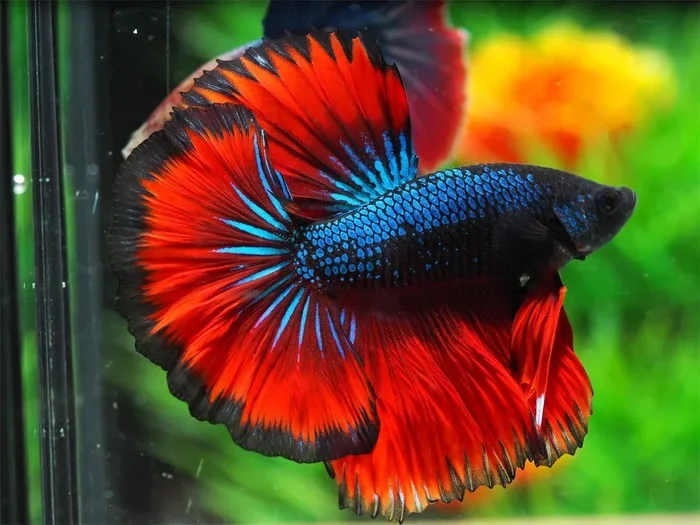
Betta fish, like all fish, breathe by pulling oxygen‑rich water over their gills. When a betta opens its mouth and gulps water, a small amount of air can be trapped and expelled as bubbles. This is especially true in warm, low‑oxygen environments where the fish works harder to get enough oxygen.
Visual guide about A Betta Fish Blowing Bubbles
Image source: livedoor.blogimg.jp
Surface Breathing vs. Bubble Nesting
There are two main kinds of bubbles you’ll see:
- Breathing bubbles: Small, irregular bubbles that appear when the fish is simply gulping air.
- Bubble‑nest bubbles: Larger, more purposeful bubbles that stick together and float upward, forming a raft on the water’s surface.
Understanding which type you’re witnessing is the first step in interpreting your betta’s behavior.
2. Reasons a Betta Fish Might Blow Bubbles
2.1 Normal Respiration
Warm water holds less dissolved oxygen than cooler water. In a typical betta tank (78‑80°F), the fish often needs to surface for a quick gulp of air. This is why you’ll sometimes see a single bubble rise from the mouth—nothing to worry about.
Visual guide about A Betta Fish Blowing Bubbles
Image source: royallmagazine.com
2.2 Bubble Nest Building (Male Betta)
Male bettas are famous for constructing bubble nests when they are ready to breed. They blow bubbles that stick together, creating a floating platform where eggs will later be deposited and guarded. The nest can be as small as a few centimeters or as large as a palm‑sized raft.
If you notice a cluster of bubbles forming a cohesive “nest” near the water’s surface, you probably have a mature male preparing for courtship. This is a good sign that your tank conditions are suitable for breeding.
2.3 Stress or Poor Water Quality
Excessive bubbling can also be a red flag. Low oxygen, high ammonia, or a sudden temperature spike may cause your betta to gulp more air than usual, resulting in a flurry of bubbles. In these cases, the fish may appear frantic, hover near the surface, or gasp for air.
2.4 Playful or Curious Behavior
Betas are intelligent and sometimes blow bubbles simply out of curiosity. You might see a burst of bubbles after a new decoration is added or when a bright light reflects off the water.
3. How to Tell If Your Betta’s Bubbles Are a Problem
3.1 Observe Frequency and Pattern
Healthy bubbling is occasional and random. If your betta is constantly blowing bubbles, especially frothy or white‑foam bubbles, it could indicate low oxygen or a respiratory infection.

Visual guide about A Betta Fish Blowing Bubbles
Image source: blog.abit.vn
3.2 Look for Additional Symptoms
Check for these warning signs:
- Lethargy or loss of appetite
- Clamped fins or discoloration
- Rapid gill movement (gasping)
- White or cotton‑like growth on the body
If any of these appear, it’s time to test the water and possibly consult a vet.
3.3 Test Your Water
Use a reliable test kit to check ammonia, nitrite, nitrate, and pH. Ideal betta parameters are:
- Ammonia: 0 ppm
- Nitrite: 0 ppm
- Nitrate: <10 ppm
- pH: 6.5‑7.5
Keeping these levels stable reduces stress and unnecessary bubble blowing.
4. Optimizing Tank Conditions for Healthy Bubble Behavior
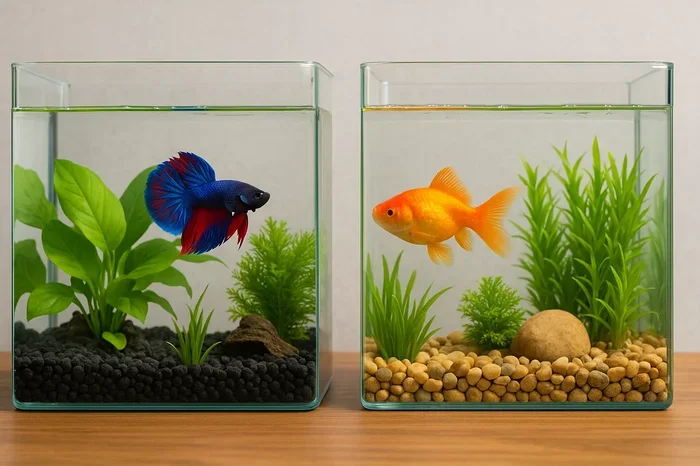
4.1 Choose the Right Tank Size
Even though bettas can survive in small bowls, a 5‑gal (19‑litre) tank gives them room to swim and maintain stable water parameters. For more detailed guidance, see What Size Tank For A Betta Fish.
4.2 Maintain Proper Temperature
Betta fish are tropical, thriving at 78‑80°F (25‑27°C). Use an adjustable heater and a thermometer to avoid sudden spikes that force the fish to gulp more air.
4.3 Ensure Adequate Oxygenation
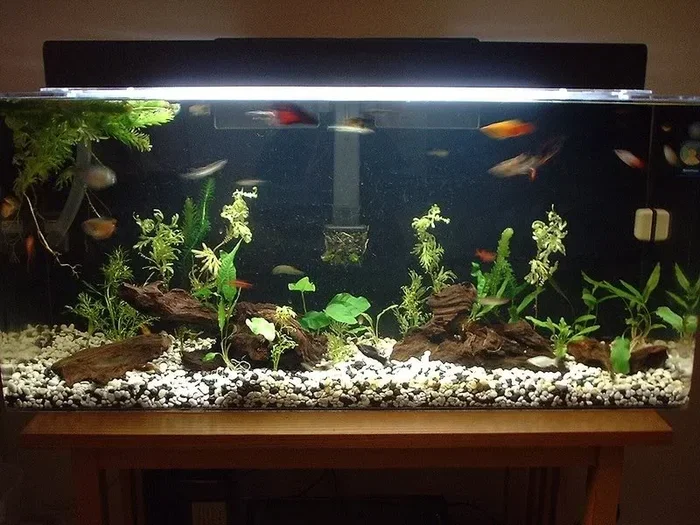
A gentle air stone or a low‑flow filter adds surface agitation, increasing dissolved oxygen without creating a strong current that can stress a betta.
4.4 Add Live or Silk Plants
Plants not only provide hiding spots but also release oxygen during photosynthesis. This reduces the need for surface breathing.
4.5 Keep a Secure Lid
Betas love to explore the water surface. A lid prevents them from jumping out while still allowing you to watch bubble activity.
5. When Bubbles Signal Breeding Readiness
5.1 Identifying a Male Betta
Male bettas are typically more colorful, have longer fins, and develop a broader, more pronounced ventral beard. If you’re unsure, check out How To Tell The Gender Of A Betta Fish for a quick guide.
5.2 Recognizing a Bubble Nest
A healthy bubble nest looks like a cluster of white, frothy bubbles stuck together. It may be anchored to a leaf, a piece of driftwood, or the tank glass. Once the nest is sizable, you can introduce a female for spawning.
5.3 Caring for Eggs and Fry
After spawning, the male will guard the nest, tending the eggs until they hatch (usually 24‑48 hours). Remove the female to avoid aggression. Keep water temperature steady and avoid sudden water changes during this period.
6. Common Myths About Betta Bubble Blowing
6.1 “Bubbles Mean My Betta Is Sick”
Not always. While excessive, frantic bubbling can be a sign of distress, occasional bubbles are normal and often harmless.
6.2 “Only Male Betta Blow Bubbles”
Both sexes can surface‑breathe, but only males build bubble nests. Females may produce occasional bubbles when gulping air.
6.3 “Bubbles Are Bad for Tank Aesthetics”
In fact, a well‑formed bubble nest can be a beautiful natural decoration and a sign of a thriving male.
Conclusion: Embrace the Bubbles, Keep the Tank Happy
Seeing your betta fish blowing bubbles is a window into its world. Whether it’s a quick gasp for oxygen, a sign of a budding bubble nest, or an alert that something isn’t right, the bubbles give you valuable clues. By maintaining proper water quality, temperature, and tank size, you’ll encourage healthy bubbling and a vibrant, active betta.
Remember to watch the pattern, check for other symptoms, and adjust the environment as needed. When in doubt, consult trusted resources such as Why Does A Betta Fish Blow Bubbles for deeper insight. With a little attention, your betta’s bubbles will remain a fascinating and reassuring part of its daily routine.
Frequently Asked Questions
Why does my betta fish blow bubbles when I first set up the tank?
New tanks often have lower dissolved oxygen. Your betta may surface‑breathe until the water stabilizes. Adding a gentle air stone helps.
Can a female betta also create a bubble nest?
Female bettas rarely build nests. If you see a nest, it’s almost certainly a male preparing for breeding.
What should I do if my betta is blowing a lot of frothy bubbles?
Test the water for ammonia and nitrite, check temperature, and increase surface agitation. Persistent froth may require a water change.
Is it safe to keep other fish with a bubble‑nesting betta?
Usually not. Other fish can disturb the nest and provoke aggression. If you want tank mates, choose peaceful species and provide plenty of hiding spots.
How can I encourage my male betta to start building a nest?
Provide a calm environment, stable temperature, and a few floating leaves or a piece of slate. A healthy diet also boosts breeding instincts.
Do bubble nests affect the lifespan of a betta?
Bubble nesting itself doesn’t impact lifespan. However, a well‑maintained tank that supports nesting will contribute to overall health and a longer life.