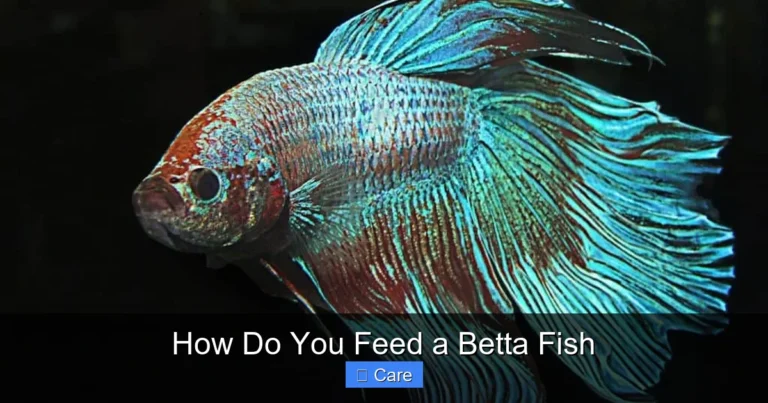
How Often Should U Feed a Betta Fish

Feeding a betta correctly is simple once you know the right schedule. Most bettas thrive on two small meals a day, but factors like age, temperature, and tank size can change that. Follow these guidelines to keep your finned friend healthy and active.
Key Takeaways
- Two meals a day is the baseline: Most adult bettas do best with two small feedings spaced 8‑12 hours apart.
- Adjust for age and temperature: Fry need more frequent feedings; cooler water slows metabolism, so you can feed less.
- Portion control prevents bloating: Offer only what your betta can eat in 2‑3 minutes.
- Quality matters more than quantity: High‑protein pellets or frozen foods provide better nutrition than cheap flakes.
- Fasted days help digestion: Skipping a feeding once a week reduces the risk of constipation.
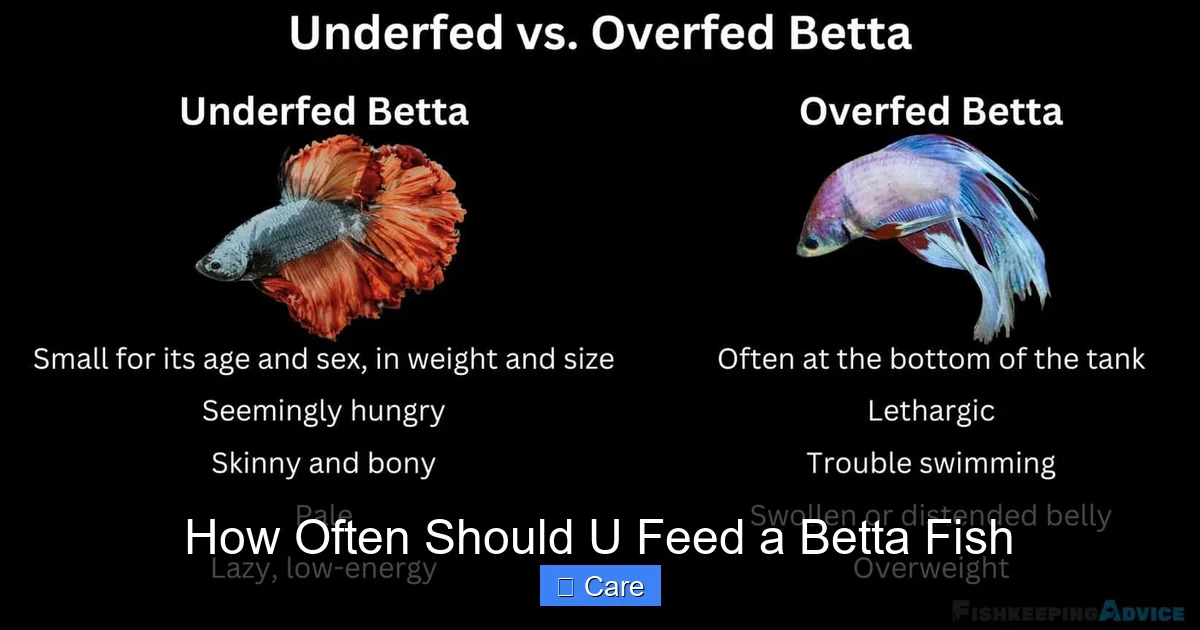
- Watch for signs of over‑ or under‑feeding: Bloated belly, cloudy water, or lethargy are red flags.
- Consistency builds trust: Feeding at the same times each day reduces stress and encourages natural behavior.
📑 Table of Contents
- Introduction: Why Feeding Frequency Matters
- 1. The Standard Feeding Schedule for Adult Bettas
- 2. Adjusting the Schedule for Different Life Stages
- 3. How Temperature Influences Feeding Frequency
- 4. Types of Food and Their Impact on Feeding Frequency
- 5. Signs of Overfeeding and Underfeeding
- 6. Practical Tips for Consistent Feeding
- Conclusion: Finding the Sweet Spot for Your Betta
Introduction: Why Feeding Frequency Matters
When you first bring home a betta, the excitement can be overwhelming. The bright colors, the flowing fins, the gentle “flaring” when they’re curious – it’s hard not to fall in love. But along with the joy comes responsibility. One of the most common questions new owners ask is, how often should u feed a betta fish? The answer isn’t a one‑size‑fits‑all, but the basics are easy to grasp.
Feeding frequency affects a betta’s growth, coloration, and overall health. Too much food can lead to bloating, constipation, and cloudy water. Too little, and your fish may become weak, lose its vibrant hue, and become prone to disease. In this guide we’ll break down the perfect schedule for bettas of all ages, explain how temperature and tank conditions alter that schedule, and give you practical tips to make feeding a stress‑free part of your daily routine.
1. The Standard Feeding Schedule for Adult Bettas
Two Small Meals a Day
The most widely recommended routine for a healthy adult betta is two feedings per day. Space them about 8‑12 hours apart – for example, once in the morning around 9 am and again in the evening around 7 pm. This mimics the natural feeding pattern of wild bettas, which hunt small insects and larvae at dawn and dusk.
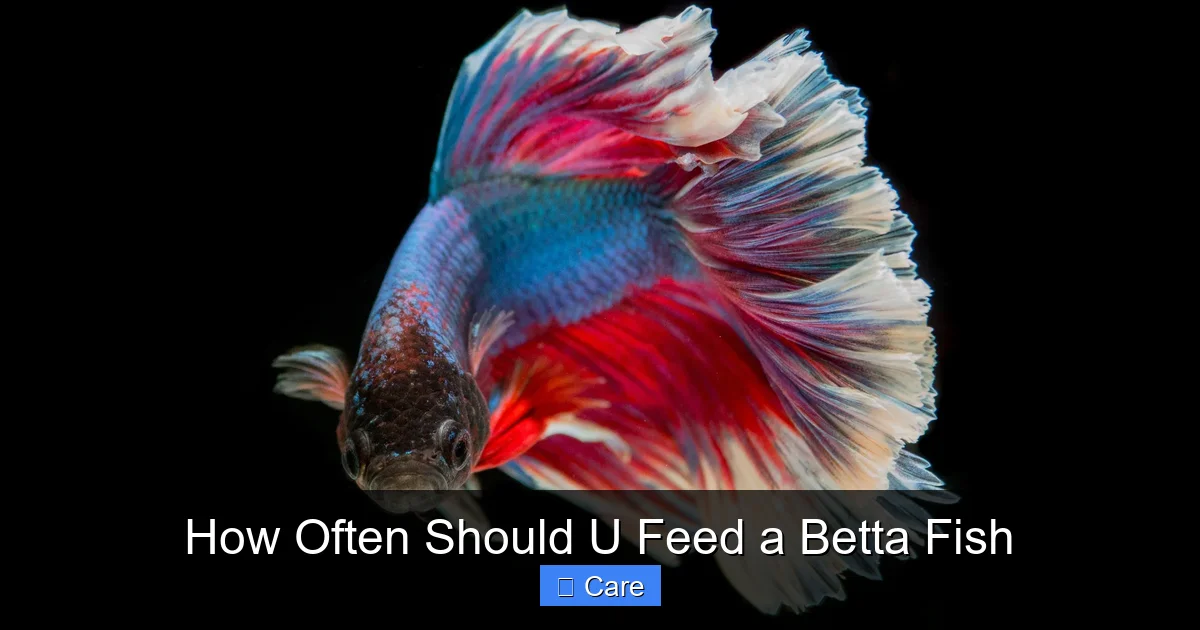
Visual guide about How Often Should U Feed a Betta Fish
Image source: yoyipet.com
How Much to Feed?
Portion size is crucial. A single betta pellet is roughly the size of a grain of rice. In a 2‑minute window, an adult should eat 2‑3 pellets per feeding. If you’re using frozen or live foods (brine shrimp, daphnia), aim for a pinch that the fish can swallow in a few bites. The rule of thumb: if any food remains after 2 minutes, you’ve given too much.
Why Two Meals?
- Metabolism control: Bettas have a relatively slow metabolism compared to fast‑swimming fish. Two meals keep blood sugar stable without overloading the digestive tract.
- Water quality: Less excess food means less waste, which translates to clearer water and fewer spikes in ammonia.
- Behavioral benefits: Regular feedings reinforce a bond with your fish; they’ll start to recognize you and may even “come to the surface” when you approach.
2. Adjusting the Schedule for Different Life Stages
Fry (0‑3 Months)
Betta fry are tiny and have extremely high energy needs. They should be fed 3‑4 times daily. Use liquid fry food or finely crushed high‑protein pellets. Feed small amounts every 4‑5 hours, ensuring they get enough to support rapid growth.
Visual guide about How Often Should U Feed a Betta Fish
Image source: tankarium.com
Juveniles (3‑6 Months)
As the fry mature, you can reduce feedings to 2‑3 times a day. Begin introducing frozen or live foods to diversify their diet. Watch for the first signs of adult coloration – that’s when you start tapering down to the adult schedule.
Senior Bettas (2+ Years)
Older bettas often become less active and may have slower digestion. Stick with the two‑meal routine but consider slightly smaller portions. Adding a “fast day” once a week can help keep the gut moving and prevent constipation.
3. How Temperature Influences Feeding Frequency
The Metabolism‑Temperature Link
Bettas are tropical fish that thrive at 76‑82°F (24‑28°C). Their metabolism speeds up as the water warms. In a tank set at the higher end of that range, you may notice your betta is more active and may benefit from a slightly larger portion or an extra tiny feeding.
Visual guide about How Often Should U Feed a Betta Fish
Image source: fishkeepingadvice.com
Cooler Water, Less Food
If the temperature drops below 75°F (24°C), the fish’s metabolism slows dramatically. In cooler water, you can reduce the portion size by about 20% and still meet nutritional needs. Always monitor for signs of under‑feeding such as weight loss or dull coloration.
Using a Heater Wisely
A reliable aquarium heater keeps the temperature stable, which means your feeding schedule stays consistent. Fluctuations of more than 2‑3°F can stress the fish and cause erratic appetite changes.
4. Types of Food and Their Impact on Feeding Frequency
Pellets – The Staple
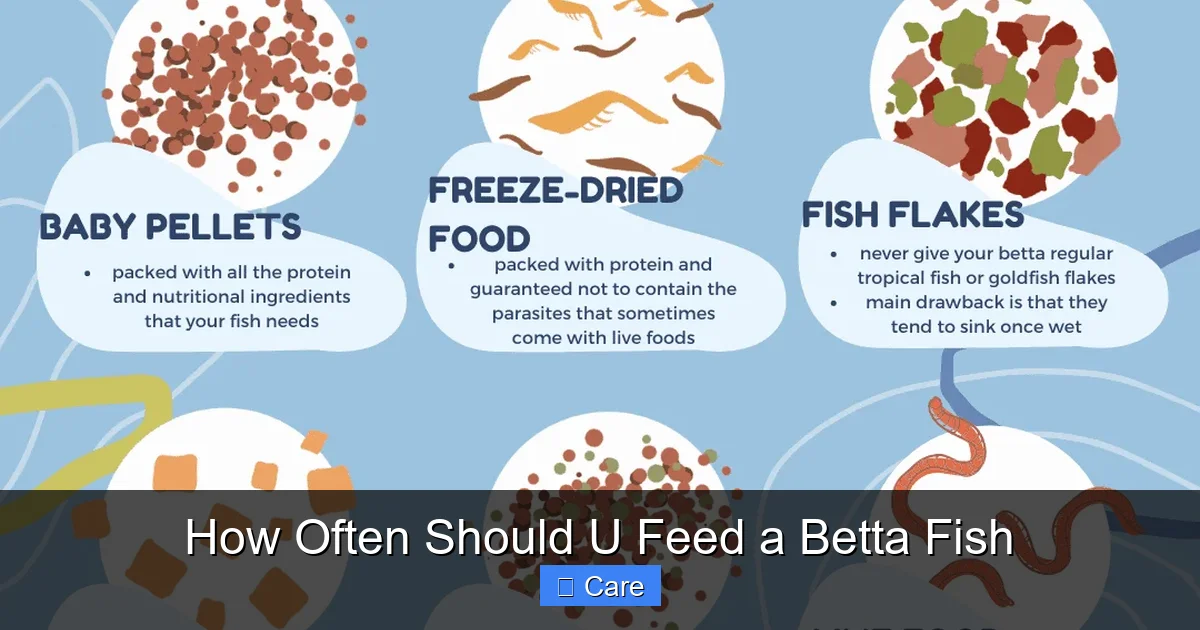
High‑quality betta pellets are formulated with 30‑40% protein, essential for vibrant fins. They sink slowly, giving your fish time to eat without gulping air. Feed 2‑3 pellets per meal.
Frozen and Live Foods
Brine shrimp, daphnia, and bloodworms are excellent treats. They’re rich in nutrients and stimulate natural hunting behavior. Because they’re more calorie‑dense, limit them to once a day or every other day as a supplement.
Flakes – Use Sparingly
Flake foods often contain fillers that can cloud water quickly. If you use flakes, crush them into fine particles and limit to once a week as a treat.
Food Rotation for Optimal Health
Rotating between pellets, frozen, and occasional live foods prevents nutritional gaps and keeps your betta interested. A typical weekly plan might look like:
- Monday‑Friday: Pellets (twice daily)
- Saturday: Frozen brine shrimp (once)
- Sunday: Live bloodworms (once)
5. Signs of Overfeeding and Underfeeding
Overfeeding Indicators
- Bloated or distended abdomen
- Frequent floating at the surface (gas buildup)
- Cloudy water within 24‑48 hours of feeding
- Lethargy or reduced swimming activity
Underfeeding Indicators
- Visible ribs or a thin body shape
- Dull, faded coloration
- Loss of appetite even when food is offered
- Weight loss over weeks
Adjusting Accordingly
If you notice any of these signs, tweak the portion size first. Reduce by one pellet per feeding and observe for 3‑4 days. If the problem persists, consider changing the type of food or checking water parameters.
6. Practical Tips for Consistent Feeding
Set a Feeding Alarm
Use a phone alarm or a kitchen timer to remind you of the two daily feedings. Consistency builds trust and reduces the chance of missed meals.
Use a Feeding Cup
A small plastic cup (like a 2‑oz medicine cup) lets you control exactly how many pellets you drop in. This prevents accidental over‑pouring.
Observe and Record
Keep a simple log – date, time, amount, and any behavior notes. Over a month you’ll see patterns and can fine‑tune the schedule.
Fast Days
Once a week, skip one of the two meals. This “fast day” helps clear the digestive tract and mimics natural periods of food scarcity in the wild.
Cleaning Up Uneaten Food
If any food remains after the 2‑minute window, use a small net or turkey baster to remove it. This keeps water quality high and prevents ammonia spikes.
Conclusion: Finding the Sweet Spot for Your Betta
Knowing how often should u feed a betta fish isn’t about memorizing a strict rule; it’s about understanding your fish’s unique needs and adjusting as conditions change. Start with the classic two‑meal‑a‑day routine, watch your betta’s behavior, and tweak portions based on temperature, age, and activity level. By feeding the right amount at the right times, you’ll enjoy a healthier, more colorful companion that greets you with a flick of its glorious fins.
Remember, consistency, quality food, and a clean tank are the three pillars of betta care. Follow the guidelines in this article, stay observant, and you’ll master betta feeding in no time. Happy fish‑keeping!
Frequently Asked Questions
How many pellets should I feed my adult betta each time?
Give 2‑3 small pellets per feeding. If any remain after 2 minutes, remove them to avoid overfeeding.
Can I feed my betta once a day instead of twice?
It’s possible, but two meals help maintain steady metabolism and prevent hunger spikes. If you must feed once, increase the portion slightly and watch for signs of over‑eating.
Do bettas need a “fast day”?
Yes. Skipping one feeding once a week helps clear the digestive system and reduces the risk of constipation.
What should I do if my betta’s water gets cloudy after feeding?
Remove any uneaten food, perform a partial water change (20‑25%), and ensure you’re not over‑feeding. Cloudiness often indicates excess waste.
How does water temperature affect feeding frequency?
Warmer water (78‑82°F) speeds up metabolism, so a slightly larger portion is fine. Cooler water (<75°F) slows digestion; reduce portions by about 20%.
Is it okay to give my betta live foods every day?
Live foods are nutritious but can be high in calories and may introduce parasites. Use them as occasional treats (1‑2 times per week) and rely on high‑quality pellets for the main diet.