How to Know If a Betta Fish Is Dying
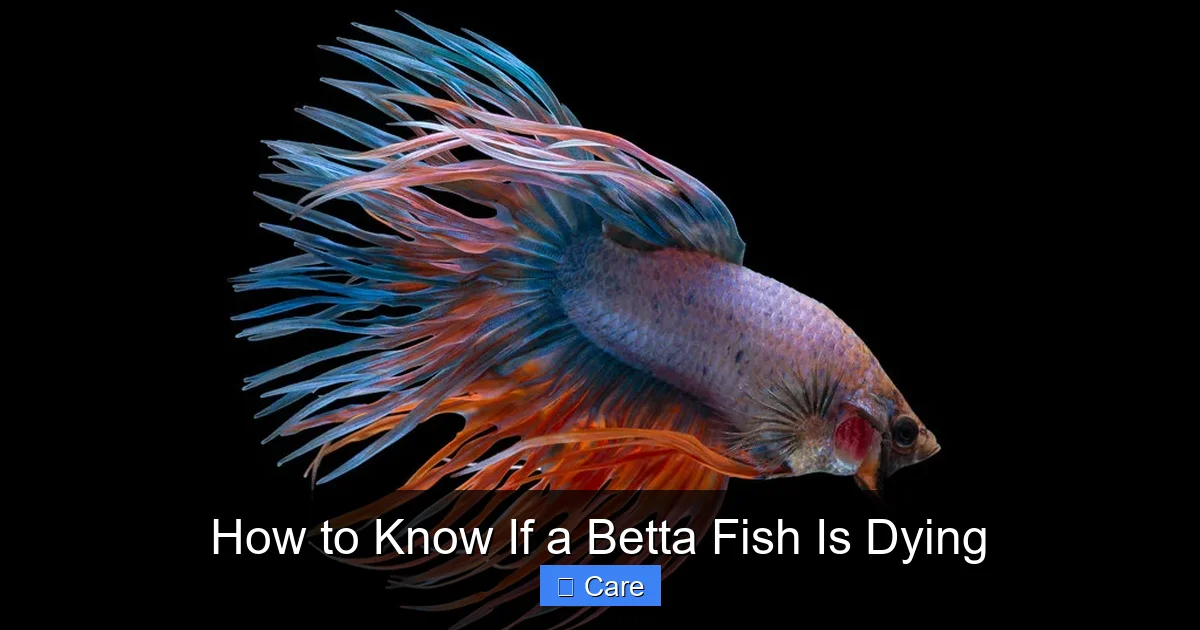
Betta fish are beautiful but fragile, and knowing the signs of trouble can be the difference between life and death. This guide walks you through the physical, behavioral, and environmental clues that indicate a betta is dying, and gives clear steps to intervene quickly. Act fast, and you could save your fish.
Key Takeaways
- Understanding how to know if a betta fish is dying: Provides essential knowledge
📑 Table of Contents
- Introduction: Why Knowing the Signs Matters
- 1. Physical Red Flags: What to Look for on the Body
- 2. Behavioral Changes That Signal Trouble
- 3. Water Quality: The Silent Killer
- 4. Common Diseases That Can Lead to Death
- 5. When to Intervene and How to Save a Dying Betta
- Conclusion: Stay Vigilant, Act Quickly
Introduction: Why Knowing the Signs Matters
Betta fish, also called Siamese fighting fish, are popular for their vivid colors and lively personalities. Their small size makes them perfect for beginners, but that also means they are easy to overlook when something goes wrong. A betta can go from bright and active to lifeless in a matter of hours if you miss the early warning signs.
Understanding how to recognize that a betta fish is dying isn’t about being a “fish doctor.” It’s about paying attention, asking the right questions, and taking simple steps before the situation becomes irreversible. In this article we’ll break down every clue—visual, behavioral, and environmental—that tells you your betta is in trouble, and we’ll give you a clear action plan to help you intervene.
1. Physical Red Flags: What to Look for on the Body
Fins That Look Like a Torn Flag
Healthy betta fins are smooth, bright, and flow like silk. When a fin becomes frayed, ragged, or starts to disintegrate, it usually means the fish is fighting a bacterial or fungal infection. Look for:

Visual guide about How to Know If a Betta Fish Is Dying
Image source: wikihow.com
- Ragged edges: torn or shredded fin rays.
- White or gray patches: early fungal growth.
- Red streaks: possible fin rot caused by bacteria.
If you see any of these, act fast with a water change and a suitable medication (e.g., a broad‑spectrum antibiotic).
Eyes That Have Lost Their Sparkle
Betta eyes should be clear and bright. Cloudiness, a white spot, or a bulging appearance can indicate:
- Velvet disease (Oodinium): a white, dusty coating on the eyes and body.
- Swim bladder infection: eyes may appear sunken.
- Internal parasites: can cause the eyes to look dull.
Check the eyes daily; a small change is often the first sign of a serious issue.
Mouth and Gill Issues
Open mouths, excessive mucus, or gill discoloration are warning signs. A swollen or ulcerated mouth can mean:
- “Pop eye” or Ich (Cryptocaryon irritans) – a white spot disease that attacks gills.
- Fungal infection spreading from a mouth injury.
If the fish is gasping at the surface, immediately test water for ammonia and nitrite spikes.
2. Behavioral Changes That Signal Trouble
Loss of Activity and Lethargy
A healthy betta spends time exploring, flaring its fins, and interacting with its environment. When a betta becomes sluggish, spends most of the day at the bottom, or floats motionless, it often means:
Visual guide about How to Know If a Betta Fish Is Dying
Image source: wikihow.com
- Stress from poor water conditions.
- Internal organ failure.
- Advanced infection.
Even a short period of lethargy (24‑48 hours) warrants a water test.
Erratic Swimming Patterns
Watch for swimming upside‑down, circling, or frantic darting. These patterns can indicate:
- Swim bladder disorder: the fish cannot control buoyancy.
- Neurological issues: caused by toxins or severe infection.
Adjust water temperature slowly (by 1‑2 °F) and consider a high‑protein diet to help rebuild swim bladder function.
Loss of Appetite
Betta fish are opportunistic eaters. If your fish refuses food for more than two days, it’s a red flag. Possible causes include:
- Water quality problems.
- Internal parasites.
- Stress from recent tank moves.
Offer a small amount of high‑quality frozen or live food (bloodworms, brine shrimp) to see if the appetite returns.
3. Water Quality: The Silent Killer
Testing Basics
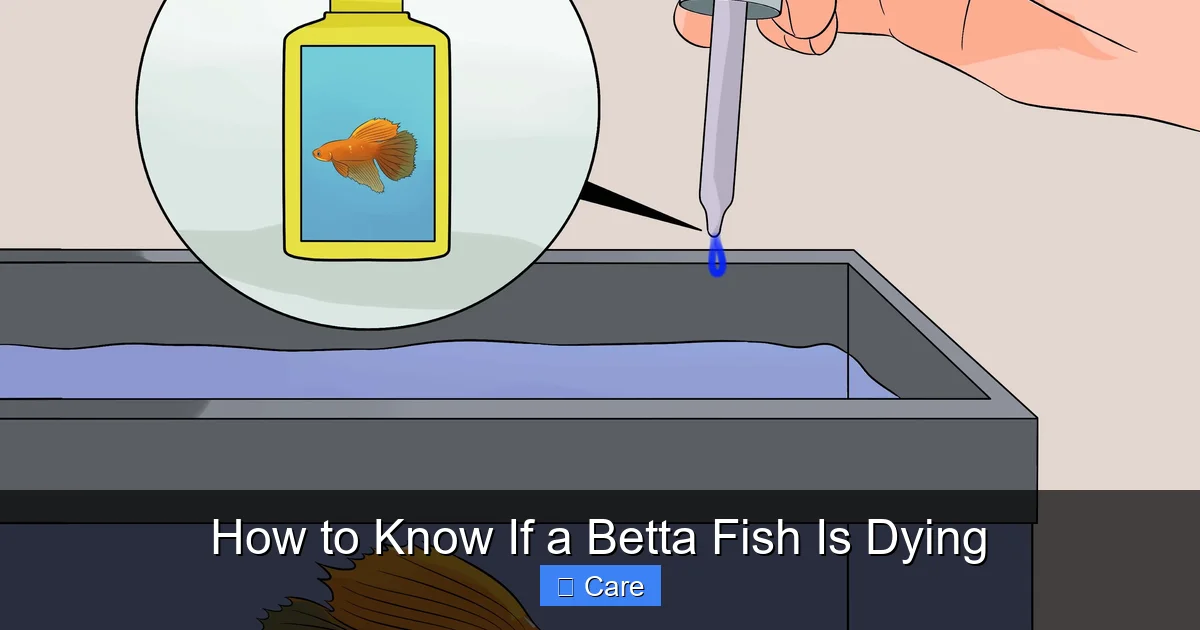
Betta fish thrive in water that is clean, warm (78‑80 °F), and slightly acidic (pH 6.5‑7.0). The three most dangerous parameters are:

Visual guide about How to Know If a Betta Fish Is Dying
Image source: infishtank.com
- Ammonia (NH₃/NH₄⁺): any detectable level is toxic.
- Nitrite (NO₂⁻): >0.2 ppm can cause “brown blood disease.”
- Nitrate (NO₃⁻): should stay below 20 ppm.
Test weekly with a liquid test kit; in a crisis, test daily.
Common Water Problems and Their Signs
- High ammonia: fish gasp, fins curl, and may develop red patches.
- Low pH: can cause slime coat damage, making fish vulnerable to infection.
- Temperature fluctuations: rapid changes stress bettas, leading to immune suppression.
When any parameter is out of range, perform a 25‑30 % water change with conditioned water immediately.
Maintenance Routine to Prevent Death
Even the healthiest betta can die from neglect. Follow this simple schedule:
- Daily: Check temperature, remove uneaten food.
- Weekly: Test water, change 20‑30 % of water.
- Monthly: Clean substrate, replace filter media (if used).
Consistency is the best defense against sudden death.
4. Common Diseases That Can Lead to Death
Fin Rot
Caused by bacteria thriving in dirty water. Early signs are frayed fin edges; later, the fin may dissolve completely. Treatment: clean water, a 10‑day course of antibacterial medication, and a higher frequency of water changes.
Velvet Disease (Oodinium)
Looks like a gold‑dust coating on the body and fins. It spreads quickly in warm, stagnant water. Treatment: raise temperature to 82 °F for 5‑7 days and add copper‑based medication.
Ich (White Spot Disease)
Small white dots appear on the body and gills. It can be fatal within days if untreated. Treatment: raise temperature to 82‑84 °F and add a malachite green or formalin dip.
Swim Bladder Disorder
Often linked to over‑feeding or constipation. The fish may float upside‑down or sink. Treatment: fast the fish for 24 hours, then feed a peeled pea to act as a mild laxative.
Internal Parasites
Symptoms include weight loss, pale belly, and loss of appetite. Diagnosis usually requires a vet or a fecal smear. Treatment: antiparasitic medication such as metronidazole.
5. When to Intervene and How to Save a Dying Betta
Immediate Steps
- Quarantine: Move the fish to a clean, hospital tank (2‑3 gal) with a gentle filter.
- Water Change: Replace 50 % of the water with conditioned, temperature‑matched water.
- Temperature Check: Ensure it’s within the species‑specific range (78‑80 °F).
- Medication: Add the appropriate treatment based on observed symptoms.
Feeding a Weak Betta
If the fish isn’t eating, try these tricks:
- Offer a small piece of thawed bloodworm.
- Use a syringe to gently drip a few drops of liquid food.
- Feed once daily for 2‑3 days, then return to a normal schedule.
When to Call a Professional
If you see any of the following, seek a vet who specializes in fish:
- Rapid deterioration despite treatment.
- Severe internal bleeding or organ swelling.
- Multiple fish in the same tank showing the same symptoms (possible outbreak).
Conclusion: Stay Vigilant, Act Quickly
Betta fish may be small, but their health is a delicate balance of water quality, diet, and environment. By learning to read the physical and behavioral cues—ragged fins, cloudy eyes, lethargy, loss of appetite—you can catch problems before they become fatal. Regular water testing, a consistent maintenance routine, and prompt treatment are your best tools.
Remember, the moment you notice something off, take action. A quick water change, a targeted medication, or a simple diet tweak can turn a dying betta into a thriving one. Keep these signs in mind, stay observant, and enjoy the vibrant personality of a healthy betta for years to come.
Frequently Asked Questions
How often should I test my betta’s water?
Test weekly for ammonia, nitrite, and nitrate. If you notice any signs of illness, test daily until the water parameters are stable.
Can I treat a sick betta in the same tank?
It’s best to move the fish to a separate quarantine tank. This prevents the spread of disease and allows you to control medication dosage more precisely.
What temperature is safest for a betta fish?
Maintain a stable temperature between 78°F and 80°F (25.5°C‑26.5°C). Sudden changes of more than 2°F can stress the fish and trigger illness.
Why does my betta float upside‑down?
Floating upside‑down usually indicates a swim bladder disorder, often caused by constipation or over‑feeding. Fast the fish for 24 hours and then feed a peeled pea.
Is it normal for a betta to hide?
Occasional hiding is normal, but prolonged hiding, especially at the bottom, can be a sign of stress, poor water quality, or illness.
Can I use the same medication for different betta diseases?
No. Each disease (fin rot, velvet, ich, etc.) requires a specific treatment. Using the wrong medication can worsen the condition, so identify the symptoms first.