What Size Tank for a Betta Fish
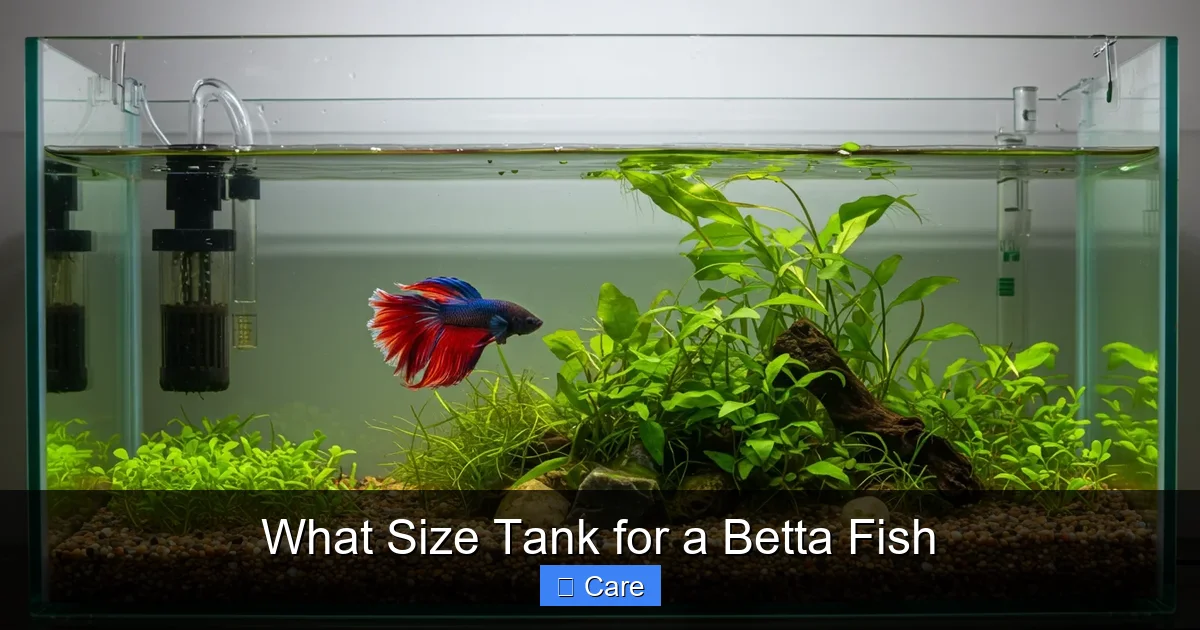
Choosing the right tank size is the single most important decision for a healthy betta fish. While a 2‑gallon bowl may look cute, a 5‑gallon (or larger) tank offers space, stable water, and a happier pet. Read on for practical tips, setup ideas, and everything you need to know about what size tank for a betta fish.
Key Takeaways
- Minimum size: Aim for at least 5 gallons, not the traditional 2‑gallon bowl.
- Stability matters: Larger water volume means more stable temperature and pH.
- Filtration is optional but helpful: Gentle flow keeps water clean without stressing the betta.
- Decoration matters: Plants and hiding spots reduce stress and showcase colors.
- Temperature control: A heater is essential in tanks under 10 gallons.
- Regular maintenance: Partial water changes (20‑30% weekly) keep the environment pristine.
- Future upgrades: Starting with a larger tank makes it easier to add compatible tank mates later.
📑 Table of Contents
- Introduction: Why Tank Size Is the First Question
- 1. The Science Behind Tank Volume
- 2. Recommended Minimum Tank Size
- 3. Setting Up the Ideal Betta Tank
- 4. Maintaining Water Quality
- 5. Common Mistakes and How to Avoid Them
- 6. Upgrading and Future Options
- Conclusion: The Best Answer to “What Size Tank for a Betta Fish?”
Introduction: Why Tank Size Is the First Question
When you first see a betta fish gliding through a tiny bowl, it’s easy to think “any container will do.” The bright colors and dramatic fins can make a 2‑gallon bowl look like a perfect home. But if you’ve ever wondered what size tank for a betta fish will keep it thriving, you’re about to learn why bigger truly is better.
Betta fish (Betta splendens) are native to shallow rice paddies and slow‑moving streams in Southeast Asia. In the wild they have plenty of space to explore, hide, and establish territories. Replicating even a fraction of that environment in your home makes a world of difference in their health, lifespan, and happiness.
1. The Science Behind Tank Volume
Water chemistry stays stable
In a small bowl, a single drop of ammonia can swing the pH dramatically. A 5‑gallon tank buffers those changes, giving you a more forgiving environment. Stable water chemistry means less stress for your betta and fewer emergency trips to the pet store.
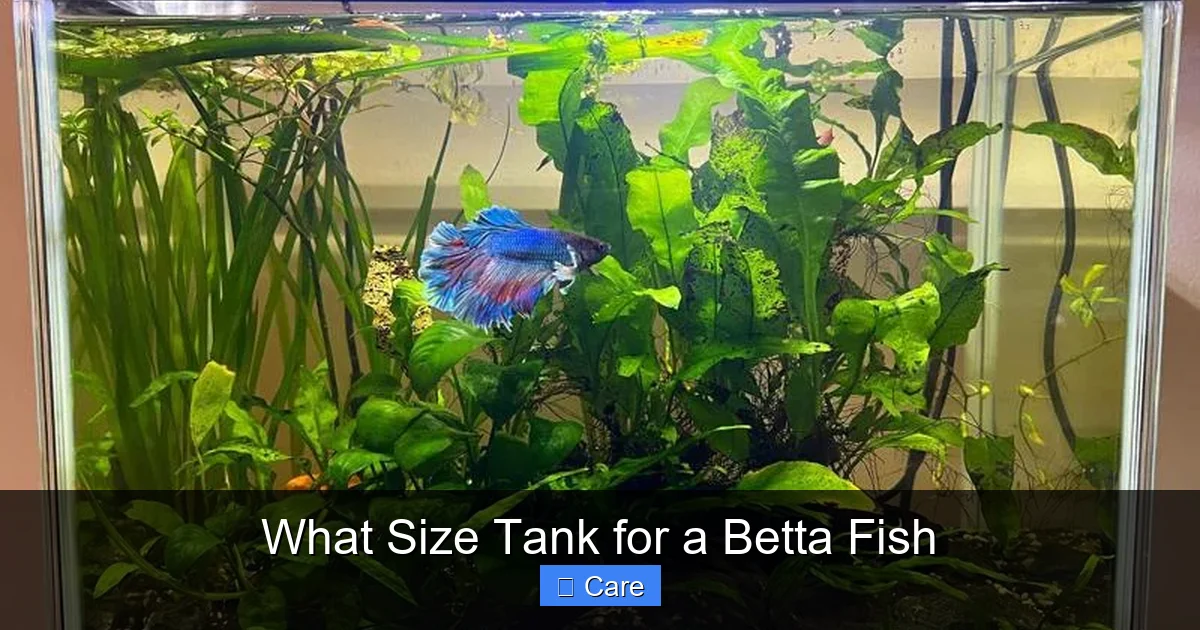
Visual guide about What Size Tank for a Betta Fish
Image source: acaquarium.com
Temperature consistency
Betta fish are tropical; they love water around 78‑80°F (25‑27°C). Larger volumes hold heat longer, so a heater set to 78°F will keep a 5‑gallon tank within a degree or two. In a 2‑gallon bowl, the temperature can drop several degrees in minutes when a door opens.
Space for natural behavior
Even though bettas are often called “solitary,” they still need room to swim, explore, and perform their famous bubble nests. A cramped bowl limits these activities, leading to fin rot, faded colors, and a shortened lifespan.
2. Recommended Minimum Tank Size
The 5‑gallon rule
Most experts agree that 5 gallons is the practical minimum for a single male betta. This size provides enough surface area for oxygen exchange, room for plants, and a stable environment for a heater and filter.

Visual guide about What Size Tank for a Betta Fish
Image source: setupfishtank.com
Going larger: 10‑gallon and beyond
If you have the space, a 10‑gallon tank opens up even more possibilities. You can add live plants, a gentle filter, and even a few compatible tank mates (like snails or shrimp) without crowding the betta.
Why not a 1‑gallon bowl?
Anything under 2 gallons is too small to maintain temperature or water quality. Even with frequent water changes, the stress on the fish is high, and the lifespan often drops below the typical 3‑5 year range.
3. Setting Up the Ideal Betta Tank
Choosing the right tank
Look for a rectangular glass or acrylic tank with a wide front. A broader surface area improves oxygen diffusion, which is crucial because bettas breathe air from the surface using their labyrinth organ.
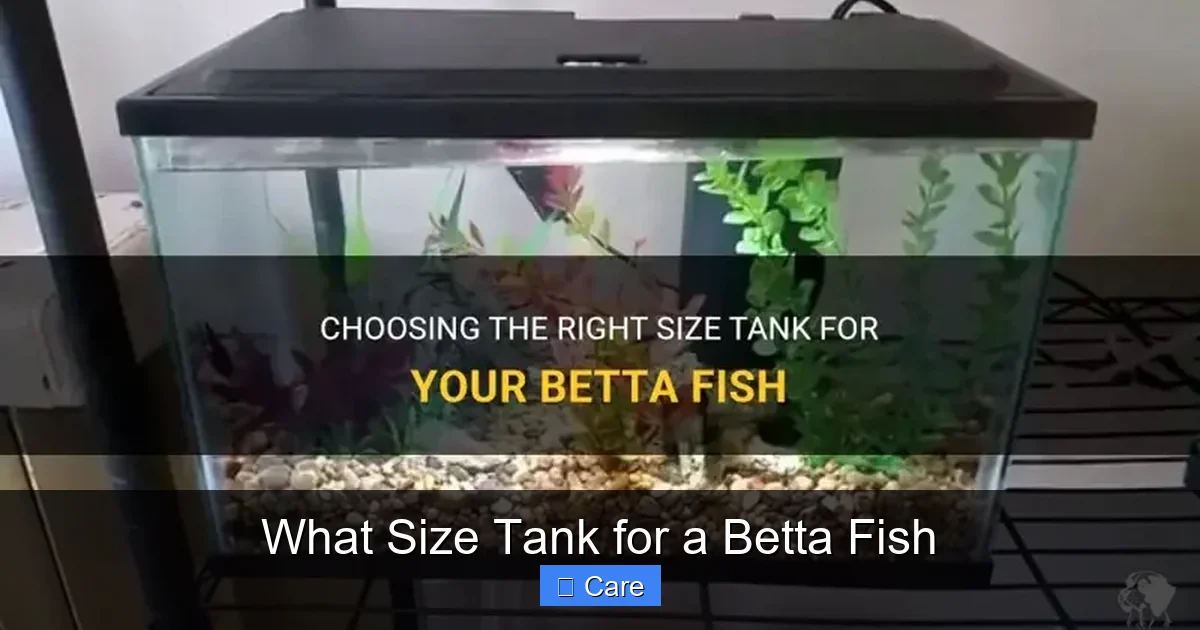
Visual guide about What Size Tank for a Betta Fish
Image source: petshun.com
Heater selection
For tanks under 10 gallons, a submersible heater with an adjustable thermostat is a must. Aim for a 25‑50 W heater for a 5‑gallon tank; set it to 78°F and let a thermometer verify the reading.
Filtration options
Betas prefer calm water, so choose a filter with adjustable flow or a sponge filter that creates gentle movement. If you’re worried about the current, place a baffle (a piece of PVC or a folded towel) near the intake.
Substrate and décor
- Substrate: Fine gravel or sand mimics their natural floor. Rinse thoroughly before adding.
- Plants: Live plants like Anubias, Java fern, or Marimo moss balls provide hiding spots and improve water quality.
- Hideouts: Small caves, driftwood, or PVC tubes give your betta a place to retreat.
Lighting
A modest LED light set on a 10‑hour day/night cycle encourages plant growth and displays your betta’s colors without causing stress.
4. Maintaining Water Quality
Weekly water changes
Replace 20‑30% of the water each week. Use a water conditioner to remove chlorine and chloramines. This routine keeps nitrate levels low and prevents algae blooms.
Testing parameters
Invest in a simple test kit. Check ammonia (0 ppm), nitrite (0 ppm), nitrate (<20 ppm), and pH (6.5‑7.5). Consistent readings mean your tank is balanced.
Cleaning the tank
Use an algae scraper for glass, a soft brush for decorations, and a gravel vacuum during water changes. Avoid harsh chemicals; bettas are sensitive to soap residues.
5. Common Mistakes and How to Avoid Them
Using a bowl or “betta cup”
Bowl‑style containers lack filtration, heating, and surface area. They also make water changes difficult, leading to poor water quality.
Overfeeding
Betas have tiny stomachs. Feed 2‑3 pellets once or twice a day, only what they can eat in 2 minutes. Overfeeding spikes ammonia and clouds water.
Choosing the wrong filter flow
High‑flow filters can stress a betta, causing them to hide constantly. Opt for a low‑flow sponge or adjust the flow rate.
Ignoring temperature fluctuations
Even a few degrees drop can cause lethargy. Keep the heater on a timer and place the tank away from drafts, windows, and direct sunlight.
6. Upgrading and Future Options
Adding compatible tank mates
Once you have a 10‑gallon tank, you can consider peaceful cohabitants like Nerite snails, Malaysian trumpet snails, or small shrimp. Always monitor for stress.
Creating a planted community
Live plants not only look beautiful but also absorb nitrates, produce oxygen, and provide natural hiding places. A well‑planted 10‑gallon tank can become a miniature ecosystem.
Long‑term health checks
Watch for faded colors, torn fins, or lethargy. Early detection of disease often means a simple water change or medication can save your betta.
Conclusion: The Best Answer to “What Size Tank for a Betta Fish?”
The short answer is: at least 5 gallons, with 10 gallons being ideal for extra comfort and future upgrades. By providing a spacious, heated, and gently filtered environment, you give your betta the best chance to display its vivid colors, build bubble nests, and live a long, healthy life. Remember, a larger tank isn’t just a luxury—it’s a fundamental part of responsible betta care.
Take the time to set up the tank properly, keep up with maintenance, and enjoy watching your betta thrive. In the end, the extra effort pays off in a vibrant, active fish that will brighten your home for years to come.
Frequently Asked Questions
What is the absolute minimum tank size for a betta?
The practical minimum is 5 gallons. Anything smaller can’t maintain stable temperature or water quality, leading to stress and health problems.
Can I keep a betta in a bowl if I use a heater?
Even with a heater, a bowl lacks surface area for oxygen exchange and makes water changes difficult. It’s not recommended for long‑term health.
Do bettas need a filter?
A gentle filter is helpful but not required if you perform regular water changes. A low‑flow sponge filter is the safest choice for a calm environment.
How often should I change the water?
Replace 20‑30% of the water weekly. In a new tank, you may need to change a bit more often until the nitrogen cycle stabilizes.
Can I add other fish to a 5‑gallon betta tank?
It’s best to keep a single betta in a 5‑gallon tank. If you want tank mates, upgrade to at least 10 gallons and choose very peaceful species.
What temperature should I keep the tank at?
Maintain the water between 78‑80°F (25‑27°C). Use a reliable aquarium heater and a thermometer to monitor the temperature daily.