Can a Female Betta Fish Live with Other Fish
Can a female betta fish live with other fish? Yes—under the right conditions. A spacious, well‑filtered tank, peaceful tank mates, and careful monitoring are key to a harmonious community.
Key Takeaways
- Temperament matters: Female bettas are less aggressive than males but still guard territory.
- Tank size is crucial: Minimum 20 gallons provides enough space for a female betta and compatible companions.
- Choose peaceful mates: Small, non‑fin‑nipping species such as neon tetras or corydoras are good options.
- Maintain water quality: Stable parameters (pH 6.5‑7.5, temp 76‑80 °F) reduce stress and aggression.
- Observe and adjust: Watch for signs of stress; be ready to re‑home fish if conflicts arise.
- Plants and hiding spots: Live plants, driftwood, and caves give the betta places to retreat.
- Female bettas can cohabit: With proper planning, a female betta can share a community tank successfully.
📑 Table of Contents
- Introduction: Setting the Scene
- 1. Understanding Female Betta Behavior
- 2. Tank Requirements for a Community Setup
- 3. Choosing Compatible Tank Mates
- 4. Setting Up the Tank: Step‑by‑Step Guide
- 5. Common Problems and How to Solve Them
- 6. Frequently Asked Questions About Female Bettas and Community Tanks
- Conclusion: Making the Decision
Introduction: Setting the Scene
If you’ve ever watched a female betta glide through the water with her bright fins, you might wonder whether she can share her home with other fish. The short answer is “yes,” but the details matter. Female bettas are often called “peaceful bettas,” yet they still have a strong sense of territory. Understanding their behavior, tank requirements, and the right companions can turn a solo setup into a thriving community aquarium.
In this guide we’ll walk through everything you need to know: from choosing the right tank size to picking compatible tank mates, and how to spot early warning signs of conflict. By the end, you’ll feel confident deciding whether a female betta can live with other fish in your home.
1. Understanding Female Betta Behavior
1.1 Temperament Compared to Males
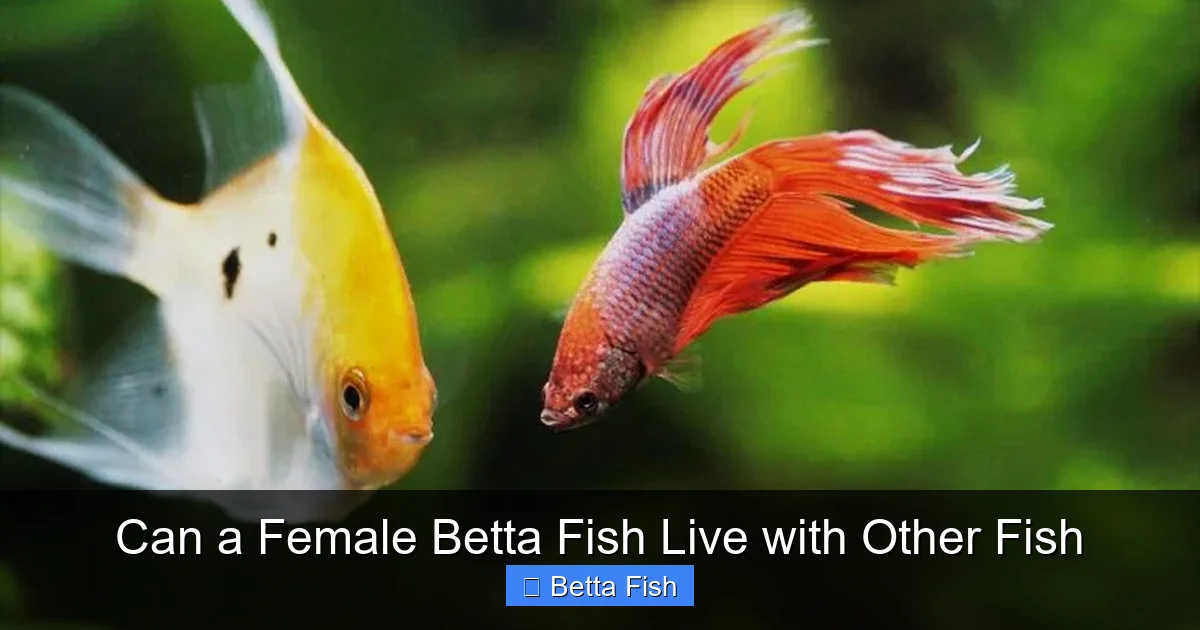
Male bettas are famous for their aggression, especially toward other males. Females, on the other hand, are generally less confrontational. They still display dominance, especially when defending a favorite spot, but they are more likely to coexist with other peaceful species.
Visual guide about Can a Female Betta Fish Live with Other Fish
Image source: infishtank.com
1.2 Territorial Instincts
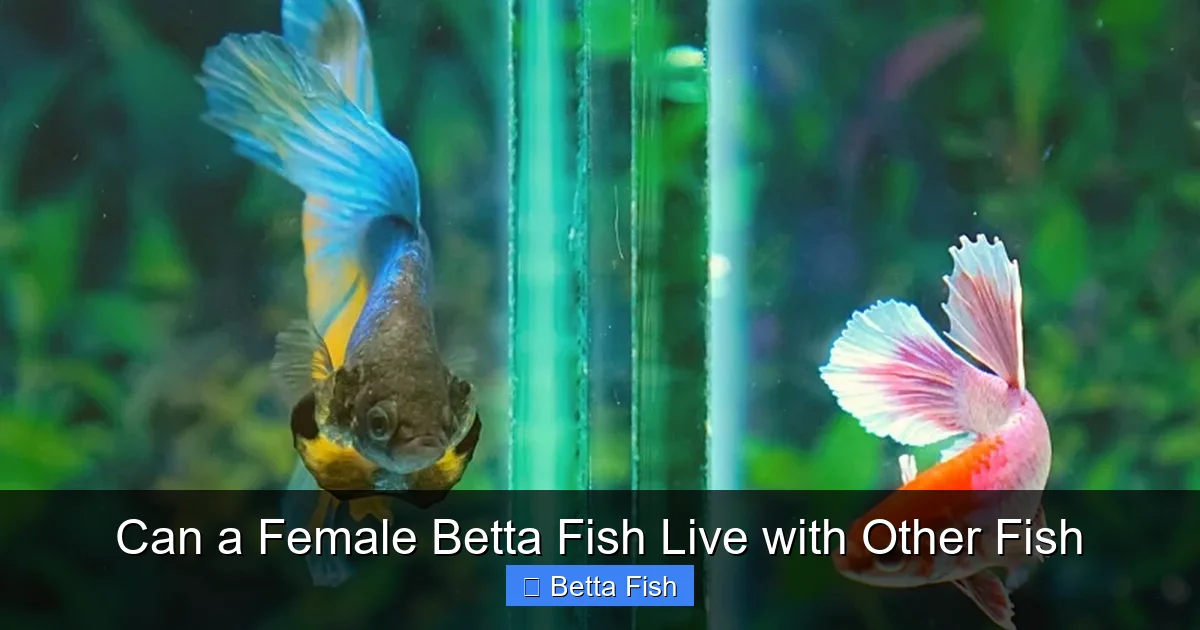
Even a calm female will claim a portion of the tank as her own. She may flare her fins, chase newcomers, or hover near decorations she considers “hers.” Providing plenty of visual barriers helps reduce these territorial disputes.
1.3 Social Needs
Unlike many community fish, bettas do not form schools. They are solitary by nature, but that doesn’t mean they can’t live alongside others. The key is to give them space and a sense of security.
2. Tank Requirements for a Community Setup
2.1 Minimum Tank Size
While a single female betta can survive in a 5‑gallon bowl, a community tank should be at least 20 gallons (75 L). This volume provides enough swimming room for the betta and several small, peaceful fish.

Visual guide about Can a Female Betta Fish Live with Other Fish
Image source: fishkeepertank.com
2.2 Filtration and Water Flow
Betta fish prefer calm water, but they also need clean, well‑oxygenated conditions. A gentle sponge filter or a low‑flow hang‑on‑back filter works well. Aim for a turnover rate of 3–4 times the tank volume per hour.
2.3 Temperature and pH
Maintain a stable temperature between 76‑80 °F (24‑27 °C) and a pH of 6.5‑7.5. Sudden changes can stress the betta and trigger aggression.
2.4 Hiding Places and Plant Cover
Live plants (Java fern, Anubias) or silk decorations create visual barriers. Adding driftwood, caves, and PVC tubes gives the betta places to retreat when she feels threatened.
3. Choosing Compatible Tank Mates
3.1 What to Avoid
- Fin‑nipping species (e.g., guppies, tiger barbs)
- Brightly colored fish with long, flowing fins that may trigger the betta’s aggression
- Other bettas, unless you plan a carefully managed sorority (see separate article on Can Female Bettas Live With Other Fish)
3.2 Safe Species Options
Here are some crowd‑pleasers that usually get along with a female betta:
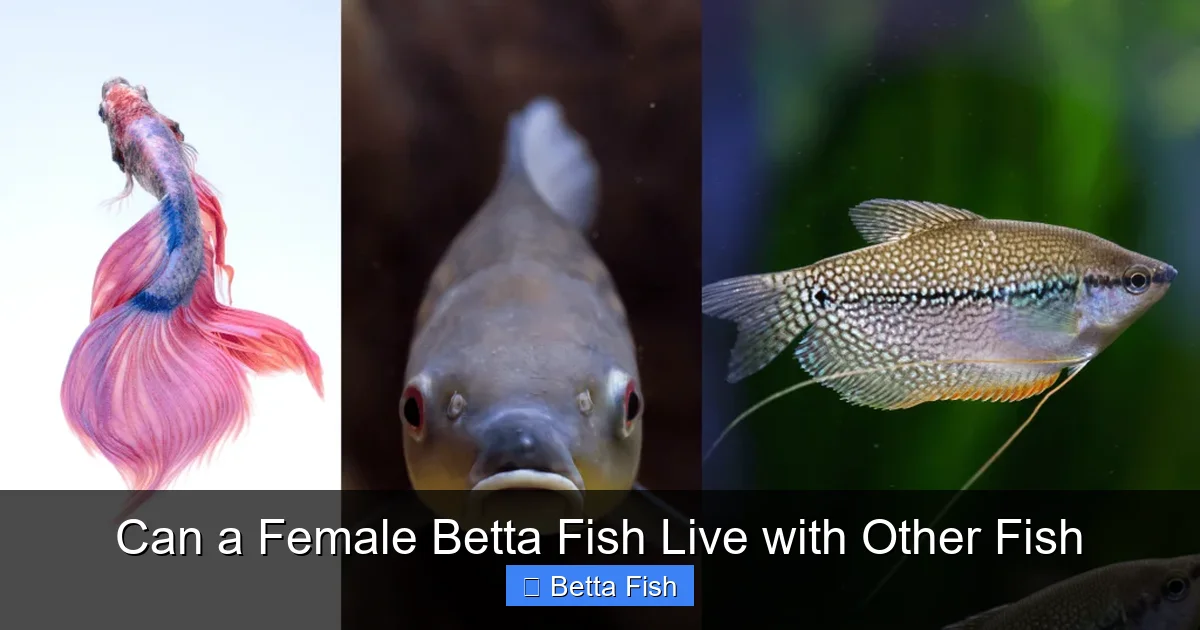
Visual guide about Can a Female Betta Fish Live with Other Fish
Image source: aniimad.com
- Neon Tetras: Small, fast‑swimming, and unlikely to bother the betta.
- Corydoras Catfish: Bottom dwellers that keep to themselves.
- Harlequin Rasboras: Peaceful schooling fish that add a splash of color.
- Otocinclus Catfish: Tiny algae eaters that stay low in the water column.
- Cherry Shrimp: Though not fish, they’re a fun addition and help clean algae.
3.3 Real‑World Example
One hobbyist set up a 30‑gallon tank with a female betta, 8 neon tetras, 5 corydoras, and a few cherry shrimp. After a two‑week acclimation period, all species coexisted peacefully, and the betta even displayed her full color palette without signs of stress.
4. Setting Up the Tank: Step‑by‑Step Guide
4.1 Cycle the Tank First
Never add fish to an uncycled tank. Run the filter for at least 4‑6 weeks, testing ammonia, nitrite, and nitrate levels until they’re stable.
4.2 Add Substrate and Plants
Use a fine sand or smooth gravel substrate. Plant densely in the back and middle, leaving open swimming space in the front.
4.3 Introduce the Betta
Acclimate the female betta slowly using the drip method. Let her explore the tank for a few days before adding other fish.
4.4 Add Community Fish Gradually
Introduce one species at a time, waiting 48‑72 hours between additions. This helps you monitor any signs of aggression.
4.5 Monitor and Adjust
Watch for fin nipping, excessive flaring, or hiding. If a fish is constantly harassed, consider rearranging decorations or providing a separate quarantine tank.
5. Common Problems and How to Solve Them
5.1 Aggression Spikes
If the betta starts chasing tank mates, increase hiding spots and reduce the number of fish. Sometimes a simple rearrangement of décor diffuses territorial lines.
5.2 Fin Nipping
Fin nipping usually comes from small, active fish like guppies. Switch to more robust, non‑nipping species and keep the betta’s tank mates in a well‑planted area.
5.3 Water Quality Issues
Overcrowding leads to spikes in ammonia. Perform weekly 25‑30% water changes and test parameters regularly.
5.4 Stress Signs
Look for faded colors, lethargy, or loss of appetite. A stressed betta may develop fin rot, so act quickly by improving water conditions and reducing stressors.
6. Frequently Asked Questions About Female Bettas and Community Tanks
Below are quick answers to the most common queries hobbyists have.
Can a female betta live with male fish?
Yes, but choose peaceful males with short fins, such as small rasboras. Avoid bright, long‑finned males that might trigger aggression.
Do female bettas need a heater?
All bettas are tropical and thrive at 76‑80 °F. A reliable aquarium heater is essential for stable temperature.
How many fish can I keep with a female betta?
In a 20‑gallon tank, aim for 4‑6 small schooling fish plus a few bottom dwellers. Overcrowding increases stress for all inhabitants.
Can I keep shrimp with a female betta?
Yes, species like cherry or ghost shrimp usually coexist well, as they stay near the substrate and are not seen as a threat.
What if my betta attacks the other fish?
Immediately provide more hiding places, reduce the number of tank mates, and consider a larger tank. If aggression persists, a separate tank may be necessary.
Is a sorority (group of females) possible?
Yes, but it requires a large tank (30+ gallons) with plenty of plants and caves. Expect some hierarchy fighting as they establish ranks.
Conclusion: Making the Decision
Can a female betta fish live with other fish? Absolutely—provided you give her enough space, maintain pristine water, and choose the right companions. By respecting her territorial nature and offering plenty of cover, you can create a vibrant community tank where the betta shines alongside peaceful tank mates. Remember to observe daily, adjust as needed, and enjoy the colorful dynamics of a well‑balanced aquarium.
Frequently Asked Questions
Can a female betta live with other bettas?
Yes, but only in a carefully managed sorority with at least 20 gallons, many plants, and plenty of hiding spots.
Is a 10‑gallon tank enough for a female betta and community fish?
Usually not. A 10‑gallon tank limits space and can lead to aggression. Aim for 20 gallons or larger.
Can I keep a female betta with a dwarf gourami?
It’s risky. Dwarf gouramis are also territorial and may clash with a betta’s flare displays.
Do bettas need a lid on the tank?
Yes, bettas can jump. A secure lid prevents escapes and keeps debris out.
How often should I feed a female betta in a community tank?
Feed high‑quality betta pellets once daily and supplement with occasional frozen or live foods. Remove uneaten food to keep water clean.
Can I add live plants after the fish are already in the tank?
Yes, but rinse plants thoroughly to avoid introducing pests, and anchor them securely so they don’t float into the betta’s territory.