Why Does My Betta Fish Keep Spitting Out His Food
Your betta fish keeps spitting out his food for several common reasons, including food size, water quality, stress, and health issues. This guide walks you through every possible cause and gives you simple, actionable fixes you can try at home today. Understanding why your betta fish keeps spitting out his food is the first step toward restoring healthy, happy feeding behavior.
Watching your betta fish spit out food over and over can be really frustrating. You put the food in, he takes a nibble, and then… spit. It happens again. And again. If you have been asking yourself why does my betta fish keep spitting out his food, you are definitely not alone. This is one of the most common concerns among betta fish owners, and the good news is that it is usually fixable.
There are many reasons a betta might reject food. Sometimes it is something simple like the pellet size being too big. Other times, it points to a deeper issue with betta fish tank conditions or even the fish’s overall health. Understanding the root cause helps you choose the right solution. This article breaks down every major reason and gives you clear, practical steps to stop the spitting.
Whether your betta is spitting out flakes, pellets, or live food, the solutions below will help. We will cover everything from betta fish diet adjustments to betta fish water quality improvements. By the end, you will know exactly what to do. Let us dive in and get your fish eating happily again.
Many people also deal with their betta eating and spitting out food right after taking it into the mouth. This behavior is closely related and often shares the same fixes.
Key Takeaways
- Food size matters: Large pellets or flakes can cause your betta to spit them out repeatedly
- Water quality is critical: Poor tank conditions directly affect your betta’s appetite and feeding behavior
- Stress triggers feeding problems: A noisy or uncomfortable environment can make your fish reject food
- Soak dry food before feeding: This prevents expansion in the stomach and reduces spitting
- Watch for health warning signs: Persistent spitting combined with other symptoms needs attention
- Adjust feeding habits: Smaller portions fed more often can solve many spitting issues
📑 Table of Contents
- Why Does My Betta Fish Keep Spitting Out His Food?
- Common Reasons Your Betta Fish Spits Out Food
- How to Stop Your Betta Fish from Spitting Out Food
- When Spitting Out Food Signals a Health Problem
- Best Feeding Practices for Healthy Betta Fish
- Final Thoughts on Why Your Betta Keeps Spitting Out His Food
Why Does My Betta Fish Keep Spitting Out His Food?
Before we get into the fixes, it helps to understand what is actually happening. When a betta fish spits out food, it is a rejection response. The fish takes the food into its mouth, chews or tries to eat it, and then pushes it back out. This is different from a fish that simply refuses to approach food at all.
Betta fish spitting out food is a behavior signal. Your fish is telling you something is not right. It could be the food itself, the environment, or even the way you are feeding. Pay attention to the pattern. Does your betta spit out food immediately? Does he chew and then spit? These details matter because they point to different causes.
The most common culprits include food that is too large, poor water parameters, stress, and underlying health problems. Sometimes it is a combination of factors. For example, a betta living in dirty water may lose its appetite and start rejecting food. Once the water is cleaned up, the spitting often stops on its own.
It is also worth noting that some spitting is normal. Bettas are messy eaters by nature. They often nibble, spit, and nibble again. But if the spitting is constant and your fish is losing weight, that is when you need to take action. This guide focuses on the problematic kind of spitting that will not go away on its own.
Many owners wonder about the difference between spitting and why is my betta fish spitting out food in general. The causes overlap significantly, and the solutions are very similar across both behaviors.
Common Reasons Your Betta Fish Spits Out Food
Understanding the specific cause is the key to fixing the problem. Below are the most common reasons bettas spit out their food, along with what you can do about each one.
| Cause | Severity | Fix Difficulty | Common Signs |
|---|---|---|---|
| Food Too Large | Low | Easy | Chewing and spitting repeatedly |
| Poor Water Quality | Medium | Moderate | Spitting plus lethargy |
| Stress | Medium | Moderate | Spitting plus hiding or clamped fins |
| Wrong Food Type | Low | Easy | Spitting plus food avoidance |
| Health Issues | High | Hard | Spitting plus weight loss and color loss |
The Food Size Is Too Big
This is the number one reason bettas spit out food. Betta fish have small mouths. A large pellet simply does not fit comfortably. When your betta tries to take a big pellet, it cannot swallow it properly. So it spits it out and tries again, often with the same result.
Dry pellets expand in water. Even if the pellet fits in your betta’s mouth on land, it may swell up after hitting the water. This makes it even harder to swallow. Many owners do not realize this is happening. They think their fish is being picky, but really the food is just too big after soaking.
The same goes for flakes. Some flakes are too wide for a betta’s mouth. If you notice your fish chewing and spitting repeatedly, try a smaller food size. Betta fish pellets designed for small mouths are a great alternative. Also, check out why some bettas specifically struggle with pellets why does my betta fish spit out his pellets for more targeted advice on this specific issue.
Your Betta Fish Is Feeling Stressed
Betta fish stress is a silent killer. When a betta is stressed, its whole body reacts. The immune system weakens. The appetite drops. And feeding problems like spitting out food become common.
What causes stress in bettas? Several things. Loud noises near the tank, aggressive tank mates, bright lights all the time, and even someone tapping on the glass. Betta fish are sensitive creatures. They need a calm, stable environment to feel safe enough to eat.
If you recently changed something in your home or moved the tank, that could be the trigger. New tank mates, a new filter, or even rearranging the furniture near the tank can unsettle your fish. Give your betta time to adjust. Try feeding in a quieter setting and see if the spitting stops within a few days.
Water Quality Problems
Betta fish water quality directly affects feeding behavior. Dirty water contains ammonia and nitrites that make your fish feel unwell. When a betta feels sick, the first thing to go is its appetite. The fish may take food but spit it out because it feels nauseous or uncomfortable.
Check your water parameters regularly. Ammonia and nitrite should always be at zero. Nitrate should stay below 20 ppm. If these numbers are off, your betta is not going to feel like eating. A partial water change often solves the problem quickly. Test your water weekly and keep the tank clean.
Poor betta fish tank conditions also lead to low oxygen levels. A betta that is struggling to breathe will not have the energy to eat properly. Make sure your filter is not creating too much current, and consider adding an air stone if oxygen levels are low. Good betta fish water quality is the foundation of healthy eating habits.
The Wrong Food Type
Not all fish food is created equal. Some commercial foods are filled with fillers that offer little nutrition. Your betta might spit out food that does not taste right or feel wrong in its mouth. Bettas are carnivores. They need protein-rich food. Plant-heavy fillers can cause digestive issues and food rejection.
Cold food straight from the fridge can also shock your betta’s system. Always let frozen or freeze-dried food thaw to room temperature before feeding. This simple step can make a huge difference in how eagerly your fish takes its meals.
If your betta consistently refuses a certain food type, try switching brands or formats. Some bettas prefer flakes over pellets, and vice versa. Variety in the betta fish diet keeps them interested and healthy. Look for foods with high protein content and minimal fillers for the best results.
How to Stop Your Betta Fish from Spitting Out Food
Now that you know the common causes, let us look at the practical fixes. These steps are easy to follow and make a real difference in your betta’s feeding behavior.
Choose the Right Food Size
The easiest fix is to switch to smaller food. Look for pellets specifically designed for bettas that are small enough to fit in their mouth in one bite. Pre-soak dry pellets for a few minutes before feeding. This prevents them from expanding inside your fish’s stomach, which can cause discomfort and spitting.
When it comes to flakes, break them into tiny pieces before dropping them in the tank. This one small change can eliminate spitting caused by oversized food. Your betta will thank you with a clean, happy feeding session every time. Aim for food pieces that are roughly the size of your betta’s eye. That is the perfect bite size for a betta’s small mouth.
Improve Tank Conditions
Start by testing your water. Get a liquid test kit if you do not already have one. Strip tests are less accurate but still useful for beginners. Run the tests for ammonia, nitrite, nitrate, and pH. Adjust as needed based on the results.
Perform regular water changes. A 25 percent water change every week is a solid baseline. Use a gravel vacuum to remove debris from the substrate. Clean filter media in old tank water, not tap water, to preserve beneficial bacteria. These steps keep the environment healthy and your betta’s appetite strong.
Maintain stable temperature too. Bettas thrive in water between 76 and 82 degrees Fahrenheit. A heater with a thermostat helps keep conditions consistent. Sudden temperature swings can stress your fish and trigger feeding problems. Stable betta fish tank conditions are one of the simplest ways to encourage regular eating.
Create a Calm Feeding Routine
Feed your betta in the same spot at the same times each day. Bettas thrive on routine. They learn to associate certain times with food, which reduces anxiety around feeding. Try to keep the area around the tank quiet during feeding time. Avoid tapping on the glass or making loud noises near the tank.
Drop the food gently near your betta. Avoid tossing it from a height, which can scare them. If you have more than one betta in the room (in separate tanks), feeding them at the same time can create a sense of normalcy. Some owners even talk softly to their fish during feeding to build trust and reduce anxiety.
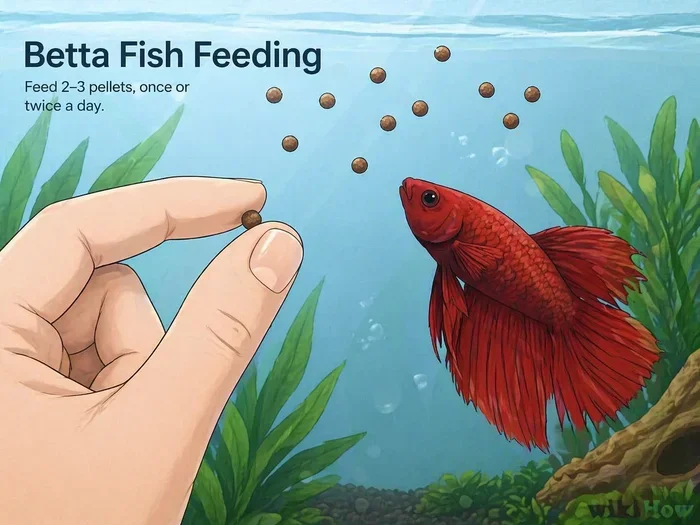
If your betta is not eating his food consistently, try offering smaller portions more frequently. Instead of one large feeding, give him small amounts two to three times a day. This mimics natural eating patterns and reduces the chance of food rejection. Remove any uneaten food after a few minutes to keep the water clean.
When Spitting Out Food Signals a Health Problem
Occasional spitting is normal. But when should you worry? Here are the signs and health issues that go beyond simple feeding preferences.
Signs That Need Immediate Attention
If your betta spits out food every single feeding for more than three days, something deeper may be going on. Loss of color, lethargy, clamped fins, and swollen belly are all red flags that pair with food rejection. These combined symptoms suggest your fish is dealing with more than just picky eating.
If your betta is also throwing up his food, that is a stronger signal of a digestive issue. Vomiting is different from spitting. It involves the food coming back up from the stomach, often in a tube-like shape. This needs attention and possibly a visit to a fish health specialist.
Also watch for your betta not swimming around as much as usual. A healthy betta is curious and active. A fish that hides at the bottom and refuses food needs a closer look. These combined symptoms should never be ignored, especially if they persist for more than a few days.
Common Health Issues Behind Food Rejection
Betta fish digestive issues are a leading cause of chronic spitting. Constipation happens when a fish eats too much dry food without enough moisture. The food expands in the gut and causes discomfort. Your betta may try to eat but feel too full or bloated to keep the food down.
Bloating and swim bladder disorder are related conditions. A fish with a compromised swim bladder may struggle to maintain its position while eating. This makes it hard to take food properly, leading to repeated spitting. Feeding blanched peas (just a tiny piece) can help relieve constipation in many cases. This is a well-known remedy among experienced betta keepers.
Mouth infections and physical injuries can also cause spitting. Check your betta’s mouth for any redness, swelling, or visible damage. A fish with a sore mouth will naturally avoid and spit out food. In these cases, a visit to a fish veterinarian or a quarantine with appropriate medication may be necessary.
Another concern is betta fish appetite loss tied to aging. Older bettas naturally eat less and may become pickier. If your fish is over three years old and the spitting is mild, it might just be a normal part of aging. Adjust expectations and focus on keeping your senior betta comfortable and well-cared for.
Best Feeding Practices for Healthy Betta Fish
Prevention is always better than cure. Following good feeding habits from the start can prevent most spitting issues before they begin.
How Often Should You Feed Your Betta Fish?
A good betta fish feeding schedule is two small meals per day. Morning and evening works well for most owners. Each feeding should be what your betta can eat in about two minutes. Do not overfeed. Excess food decays in the tank and ruins water quality fast.
Overfeeding is one of the biggest mistakes new betta owners make. It leads to obesity, digestive problems, and poor water conditions. All of these contribute to spitting and food rejection. Stick to a consistent schedule and resist the urge to give extra food just because your fish looks hungry. A full belly is not a happy belly for a betta.
What Foods Are Best for Betta Fish?
The best betta fish diet mimics what they eat in the wild. That means high-protein foods. Live or frozen brine shrimp, bloodworms, and daphnia are excellent choices. Pellet foods specifically formulated for bettas should be the staple of their daily diet. These pellets are sized and formulated to meet a betta’s nutritional needs.
Variety is key. Feeding the same thing every day can lead to boredom and food rejection. Rotate between pellets, frozen foods, and the occasional live treat. Just make sure any live food comes from a trusted source to avoid introducing parasites into the tank. A diverse betta fish diet supports a strong immune system and healthy appetite.
Soak all dry food before feeding. This is a habit that prevents many spitting issues. A five-minute soak in tank water is enough. The food softens and does not expand inside your betta’s stomach. This simple practice supports better digestion and cleaner eating behavior every single time.
Final Thoughts on Why Your Betta Keeps Spitting Out His Food
Figuring out why does my betta fish keep spitting out his food comes down to checking a few key areas. Start with the food size and type. Then look at water quality and tank conditions. Consider stress factors and feeding routine. In most cases, a simple adjustment solves the problem within days.
If the spitting continues despite your best efforts, do not ignore it. Persistent food rejection can lead to malnutrition and weight loss. Your betta needs consistent nutrition to stay healthy and vibrant. Trust your instincts as an owner. If something feels wrong, investigate further or consult a fish health specialist.
Remember that every betta is different. What works for one fish might not work for another. Patience and observation are your best tools. Keep experimenting with food types, feeding times, and tank conditions until you find the right combination. Your betta will reward you with healthy eating and vibrant colors.
For more help with related betta behavior, check out our guide on why is my betta fish spitting out bubbles if you notice bubble-related behavior alongside food spitting. Understanding the full picture of your betta’s behavior helps you provide the best care possible.
Frequently Asked Questions
Can Overfeeding Cause My Betta Fish to Spit Out Food?
Yes, overfeeding is a common cause. When a betta eats too much, its stomach becomes full and uncomfortable. The fish may take food but spit it out because it simply cannot fit. Feed small portions twice a day and remove any uneaten food within a few minutes to prevent this issue.
How Do I Know if My Betta Fish Is Stressed?
Watch for signs like faded colors, clamped fins, hiding more than usual, and loss of appetite. A stressed betta may also spit out food because it is too anxious to eat properly. Reducing noise, maintaining a consistent routine, and keeping water parameters stable all help lower stress levels.
Should I Change My Betta Fish Food if He Keeps Spitting It Out?
Absolutely. If your betta consistently rejects a certain food, try a different brand or format. Some bettas prefer smaller pellets while others do better with flakes. Switching to high-quality, protein-rich food often resolves spitting issues quickly. Soak dry food before feeding for even better results.
Can Poor Water Quality Cause a Betta to Spit Out Food?
Yes, poor water quality is one of the top reasons bettas refuse food. Ammonia and nitrite buildup make fish feel sick and lose their appetite. Test your water regularly and perform weekly water changes. Clean, well-maintained water encourages healthy eating habits and reduces spitting behavior.
Is It Normal for a Betta Fish to Spit Out Food Occasionally?
A little spitting now and then is perfectly normal. Bettas are messy eaters and often nibble, spit, and nibble again. This behavior is part of their natural feeding style. However, if your betta spits out food at every feeding and loses weight, that is when you should investigate further and consider the causes discussed above.
What Should I Do If My Betta Fish Won’t Eat for More Than Three Days?
Three days without eating is a serious concern. Check water parameters first, then consider stress factors and food type. Try offering different foods like live brine shrimp or frozen bloodworms to spark interest. If your betta still refuses food, consult a fish veterinarian to rule out underlying health problems that may be causing the refusal.