Why Is My Betta Fish Spitting Out Food
If your betta fish is spitting out food, it’s a clear signal that something is off. This behavior rarely stems from a single cause and is usually a combination of environmental stress, inappropriate diet, or underlying health problems. The most frequent culprits are poor water quality, food that is too large or the wrong type, and digestive issues like constipation. By systematically checking water parameters, adjusting feeding practices, and observing for other symptoms, you can identify and resolve the issue, ensuring your betta returns to healthy eating habits.
You’re at the tank, drop in a few premium betta pellets, and your magnificent fish darts up with excitement—only to grab the food, chew for a second, and then… spit it out. It’s not just a one-time fluke. He does it again. And again. Your heart sinks a little. Is he sick? Did I buy bad food? What on earth is wrong? If you’re asking, “why is my betta fish spitting out food?” take a deep breath. This is one of the most common concerns for betta owners, and while it’s always a sign that something needs attention, it’s rarely an immediate death sentence. It’s your betta’s way of communicating a problem. Let’s become fluent in betta and figure out what your finned friend is trying to tell you.
Betta fish, with their vibrant colors and feisty personalities, are labyrinth fish. This means they breathe atmospheric air from the surface, a trait that makes them somewhat hardy but also uniquely sensitive to their environment. Their eating behavior is a direct window into their health and comfort. A healthy betta is an eager, aggressive eater. When that eagerness turns to spitting, it’s a multi-faceted issue we need to unpack. We’ll walk through every possible reason, from the simple fix you can do tonight to the signs that require a vet’s help. By the end, you’ll have a clear action plan to get your betta eating happily again.
Key Takeaways
- Water Quality is Priority #1: Poor water conditions (high ammonia/nitrite, improper pH/temperature) are the leading cause of stress-induced food spitting in bettas.
- Food Size & Type Matter Hugely: Betta mouths are small. Pellets that are too large or foods that expand too much in water will be rejected. Always pre-soak dry foods.
- It’s Often a Digestive Issue: Constipation from overfeeding or low-fiber diets is a classic reason bettas eat then spit. Fasting for 24-48 hours is a primary remedy.
- Stress is a Major Trigger: A stressed betta (from tank mates, loud noises, bright lights, improper tank setup) will often lose its appetite and play with or spit food.
- Look for Other Symptoms: Spitting paired with lethargy, clamped fins, spots, or labored breathing points to a potential disease like dropsy, velvet, or swim bladder disorder.
- Observation is Your Best Tool: Watch *how* and *when* your betta spits. Is it immediate? After chewing? This clues you into whether it’s a physical rejection or a digestive rejection.
📑 Table of Contents
- Understanding the Betta’s Mouth and Eating Mechanics
- Reason 1: Water Quality – The Invisible Culprit
- Reason 2: The Food Problem – Size, Type, and Preparation
- Reason 3: Digestive Distress – Constipation and Swim Bladder
- Reason 4: Stress and Environmental Factors
- Reason 5: Illness and Disease
- Step-by-Step Troubleshooting Guide
- Prevention: The Best Medicine
- Conclusion: Listening to Your Betta
Understanding the Betta’s Mouth and Eating Mechanics
Before we diagnose, we need to understand the tool in question. A betta’s mouth is small, upturned, and designed for grabbing food at the water’s surface in the wild—things like insects, larvae, and tiny crustaceans. It’s not built for chewing large, hard items. In captivity, we often feed them pellets that are too big for their delicate mouths and digestive tracts. This mismatch is a primary source of the problem.
The “Chew and Spit” vs. “Grab and Spit” Distinction
Pay close attention to your betta’s exact action. This is a critical diagnostic clue.
- Chew and Spit: Your betta grabs the food, holds it in its mouth for a few seconds, maybe moves it around, and then expels it. This almost always points to a physical rejection. The food is too large, too hard, or has an unpleasant texture. It’s not about digestion; it’s about the initial bite.
- Grab and Spit (immediate): Your betta darts up, barely touches the food with its mouth, and immediately spits it out without any chewing motion. This is often a sign of extreme stress, severe water quality issues, or a complete loss of appetite due to illness. The fish isn’t even willing to try to ingest it.
Observing this subtle difference will steer you toward the correct solution much faster.
Reason 1: Water Quality – The Invisible Culprit
This is the #1 reason for almost all betta problems, including food spitting. Bettas are often sold as “low-maintenance” and kept in tiny, unfiltered bowls, but this is a recipe for disaster. They are sensitive to water toxins. Poor water quality causes immense stress, which directly suppresses appetite and can lead to erratic behavior like spitting.
Visual guide about Why Is My Betta Fish Spitting Out Food
Image source: i.ytimg.com
The Ammonia & Nitrite Nightmare
In a cycled tank, beneficial bacteria convert toxic fish waste (ammonia) into less harmful nitrite, and then into nitrate. In an uncycled or poorly maintained tank, ammonia and nitrite spike. Even low levels of ammonia (0.25 ppm) will burn a betta’s gills, cause irritation, and make them feel generally terrible. A fish in pain or distress will not eat properly. They may grab food out of instinct but then reject it because their body is under siege.
Temperature and pH Stress
Bettas are tropical fish. Their ideal temperature is 78-80°F (25.5-26.5°C). If the water is too cold (below 76°F), their metabolism slows dramatically. Digestion becomes difficult or impossible. A cold betta will often eat and then spit the food back out because its digestive system has essentially shut down. Water that is too hot (above 82°F) can cause oxygen deprivation and stress. Similarly, drastic pH swings or water that is too hard/soft for their species can create internal stress.
Action Step: Get a reliable liquid test kit (like API Freshwater Master Test Kit) and a reliable aquarium thermometer. Test your water weekly. Perform regular water changes (25-50% weekly for a filtered tank, more frequent for unfiltered) with dechlorinated, temperature-matched water. This is non-negotiable for betta health.
Reason 2: The Food Problem – Size, Type, and Preparation
You could have perfect water, but if the food is wrong, your betta will spit it. This is a very common and easily fixed issue.
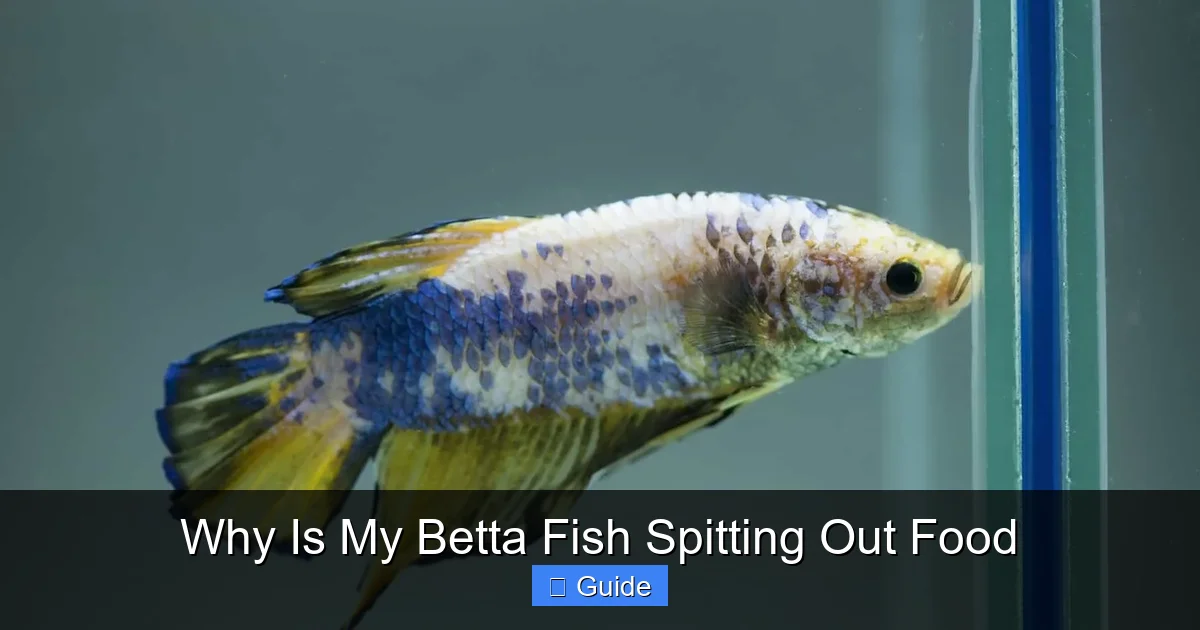
Visual guide about Why Is My Betta Fish Spitting Out Food
Image source: bettasource.com
Pellets That Are Simply Too Big
Many commercial “betta pellets” are far too large for a full-grown betta’s mouth. A good rule of thumb: a pellet should be no larger than the size of your betta’s eye. If it’s bigger, it’s a choking hazard and will be rejected. Betta-specific brands vary wildly in pellet size. Always check the ingredients and size before buying.
The Expansion Problem: Soak Your Foods!
Dry pellets and flakes expand in water. If your betta eats them dry, they can expand in his stomach, causing painful bloating and constipation—which leads to spitting. This is a classic mistake. Always pre-soak dry foods for 5-10 minutes in a small cup of tank water before feeding. This allows them to expand *before* ingestion, preventing digestive issues. This goes for pellets, flakes, and freeze-dried foods (like brine shrimp or bloodworms).
Food Variety and Quality
Bettas are carnivores. Their diet should be primarily animal protein. Cheap foods with high grain or plant filler content are indigestible for them. They will eat and spit these out. Additionally, feeding the same thing every day can lead to nutritional deficiencies and boredom. A good diet consists of high-quality betta pellets as a staple, supplemented with occasional treats of frozen or live foods (daphnia, brine shrimp, microworms). Frozen foods should be thawed and rinsed.
Example: If you’re feeding large, unsoaked pellets from a generic brand, switch to a reputable brand (like Hikari Betta Bio-Gold or New Life Spectrum Betta), soak a pinch for 5 minutes, and feed only 2-3 pellets per meal. See if the spitting stops immediately.
Reason 3: Digestive Distress – Constipation and Swim Bladder
Even with perfect food, digestive problems can occur. Constipation is the #1 digestive issue in bettas and is a direct cause of food spitting.
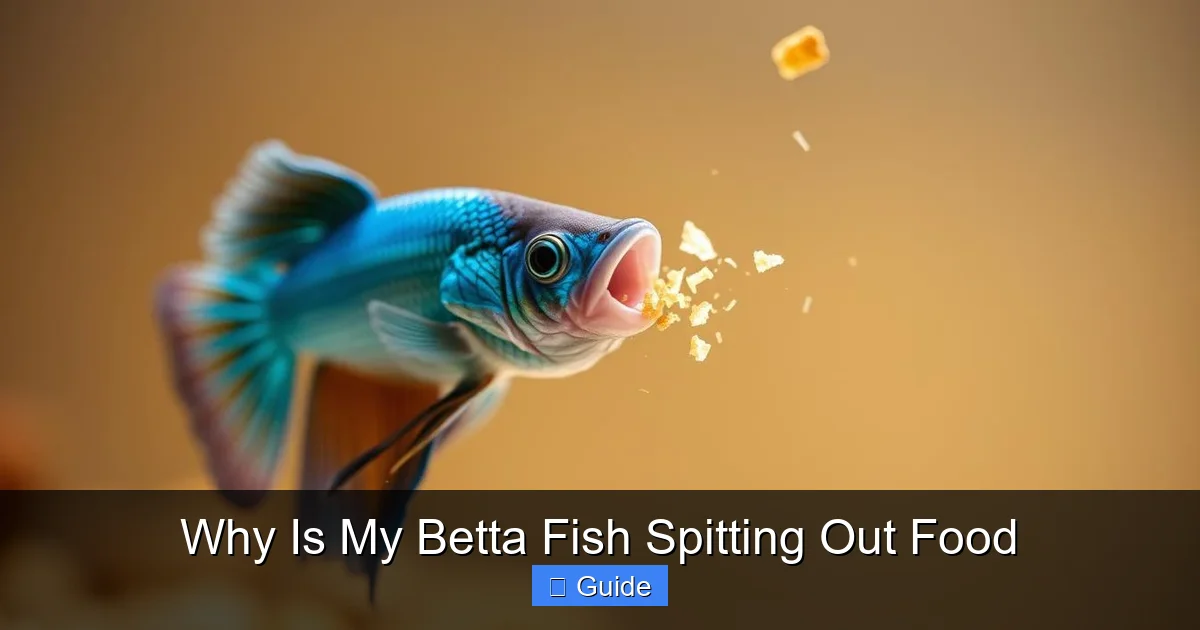
Visual guide about Why Is My Betta Fish Spitting Out Food
Image source: koibettafish.com
How Constipation Happens
Overfeeding is the main cause. Bettas have tiny stomachs, about the size of their eye. Feeding more than 2-3 pellets (or equivalent) once or twice a day is overkill. Their digestive tracts are short, and too much food, especially low-fiber food, clogs them up. A constipated betta feels full, bloated, and uncomfortable. They may eat, then spit because the food has nowhere to go, or they may not eat at all. You might also see a visibly swollen, constipated belly, and the fish may struggle to swim normally (hanging at the top or bottom).
The Fast and the Fiber Fix
The treatment is simple and effective: fast the betta for 24-48 hours. This gives the digestive system a complete rest. After the fast, feed a single, pre-soaked, high-quality pellet. If that goes well, return to a normal, reduced feeding schedule (once a day is often sufficient for an adult betta). For chronic constipation, add a fiber source to the diet. The best is daphnia (live, frozen, or freeze-dried). Daphnia is a natural laxative for fish. A few pieces once a week can keep things moving smoothly. Do not use peas for bettas; they are not an appropriate food and can cause more harm than good.
Swim Bladder Disorder Connection
Severe constipation can press against the swim bladder, causing swim bladder disorder (SBD). A betta with SBD may struggle to swim upright, float upside down, or sink. They will also often spit food because eating exacerbates the pressure and discomfort. Treating the constipation (fasting, daphnia) often resolves mild SBD.
Reason 4: Stress and Environmental Factors
Bettas are famously territorial and sensitive. Stress is a silent appetite killer.
Tank Mates and Space
Is your betta in a community tank? Even “peaceful” tank mates can stress a betta. Constant chasing, fin-nipping (from tiger barbs, tetras, etc.), or just the presence of other fish in its perceived territory can make a betta anxious. A stressed betta will hide, lose color, and stop eating properly. The ideal setup for a single betta is a minimum 5-gallon tank with no other fish (especially not other male bettas). If you have a community tank, ensure the betta has plenty of visual barriers (plants, decorations) to break lines of sight.
Tank Setup and Decor
Sharp decorations can injure a betta’s long, flowing fins. A betta in pain will not eat. Also, a bare tank is stressful. Bettas like to rest. Provide a broad-leafed plant (real or silk) near the surface where he can rest and feel secure. Ensure the water current from a filter is not too strong; use a sponge filter or baffle a hang-on-back filter with a sponge.
Lighting and Noise
Bettas prefer subdued lighting. Bright, harsh lights can be stressful, especially if there are no shady areas. Sudden loud noises or vibrations (from slamming doors, tapping on the glass) will scare them and suppress appetite for hours.
Action Step: Perform a “stress audit” of your tank. Is it in a high-traffic area? Is the lighting too bright? Are there aggressive tank mates? Is the filter flow too strong? Address these environmental factors to create a calm, secure home.
Reason 5: Illness and Disease
When spitting is accompanied by other symptoms, disease is the likely culprit. This is when you need to become a detective.
Common Diseases That Affect Appetite
- Velvet (Oodinium): A parasitic infection. Look for a fine gold or rust-colored dust on the body, clamped fins, lethargy, and rubbing against objects (flashing). Appetite vanishes.
- Dropsy: A symptom of severe internal infection or organ failure. The fish is severely swollen (pinecone-like scales), lethargic, and will not eat. It is often fatal.
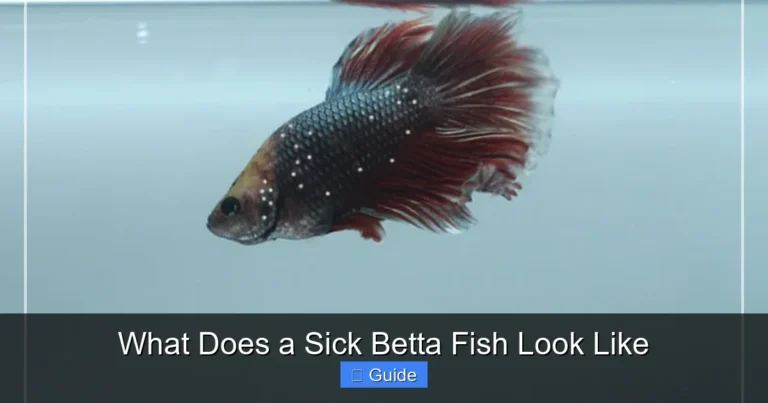
- Columnaris (Cotton Wool Disease): A bacterial infection. Look for white, fluffy patches on the mouth, fins, or body, frayed fins, and lethargy. Mouth infections make eating painful, leading to spitting.
- Internal Parasites: Worms or protozoans in the gut cause irritation, pain, and loss of appetite. The fish may seem to eat but then spit, or not eat at all.
What to Do If You Suspect Disease
First, quarantine the sick betta in a separate hospital tank. This prevents spread to other fish and allows for safe medication dosing. Research the symptoms carefully. For bacterial infections, antibiotics (like Kanamycin or Erythromycin) in a hospital tank are often needed. For parasites, antiparasitics (like Metronidazole) are used. Always follow medication instructions precisely and complete the full course. Improve water quality in the hospital tank during treatment.
Step-by-Step Troubleshooting Guide
Don’t panic. Follow this logical sequence to diagnose and solve the problem.
Day 1: Immediate Observations & Water Test
- Watch Carefully: Note the exact spitting behavior (chew vs. grab). Check for other symptoms: fin rot, spots, bloating, lethargy, gasping at surface.
- Test the Water: Use your test kit. Ammonia and nitrite must be at 0 ppm. Nitrate should be below 20 ppm. Check temperature and pH against betta ideals.
- Fast the Fish: Regardless of the cause, a 24-hour fast is a safe first step. It clears the digestive system and resets appetite. This will help determine if it’s a digestive issue.
Day 2: Assess and Adjust
- After the fast, offer a single, pre-soaked, appropriately-sized pellet. Watch. Does he eat it and keep it down? If yes, the problem was likely digestive (constipation) or a one-off stress. Return to a proper feeding schedule (once a day, 2-3 soaked pellets).
- If he still spits immediately: The problem is likely water quality, severe stress, or illness. Re-test water. Perform a 50% water change with clean, dechlorinated, temperature-matched water. Ensure filter is functioning.
- Inspect the tank environment for stressors (aggressive mates, bright lights, strong flow). Make adjustments.
Day 3-5: Escalating Action
- If spitting persists after a clean water change and proper food: Disease is the prime suspect. Look meticulously for velvet (use a flashlight at an angle), dropsy, or columnaris.
- Set up a hospital tank. Move the betta. Begin a treatment regimen based on your best guess, or consult a vet or experienced aquatic vet forum with clear photos/videos.
- Continue to maintain impeccable water quality in both the hospital and main tank.
Remember: Patience is key. A betta can go 5-7 days without food without harm. Use that time to fix water, adjust environment, and observe. Starving a sick fish for a few days is better than force-feeding a stressed or constipated one.
Prevention: The Best Medicine
Once you’ve solved the spitting crisis, your goal is to never have it happen again. Prevention is built on three pillars.
1. Immaculate Water Maintenance
This cannot be overstated. A cycled, filtered tank (minimum 5 gallons) with weekly 25-50% water changes is the foundation. Test regularly. Stability is more important than perfection, but toxins must be at zero.
2. Perfect Your Feeding Protocol
- Food: Invest in high-quality betta pellets from a reputable brand.
- Size: Ensure pellets are smaller than your betta’s eye. If not, crush them gently between your fingers.
- Prep: Always soak dry foods for 5-10 minutes.
- Amount: Feed no more than 2-3 pellets (or equivalent) once per day. A betta’s stomach is tiny. Underfeeding is far safer than overfeeding.
- Variety: Once a week, substitute a few soaked pellets for a small portion of frozen daphnia or brine shrimp for fiber and nutrients.
3. Create a Stress-Free Sanctuary
Provide a tank of appropriate size with hiding places (live or silk plants, caves). Use a filter with a gentle flow. Maintain a consistent day/night cycle with an aquarium light timer (10-12 hours on). Keep the tank in a quiet location away from direct sunlight, drafts, and loud vibrations. Avoid reflective surfaces outside the tank that bettas may see as rivals and flare at constantly.
Conclusion: Listening to Your Betta
Your betta fish spitting out food is not a verdict; it’s a question. It’s asking, “Is my water clean? Is my food right? Am I in pain? Am I stressed?” By becoming a careful observer and a diligent tank-keeper, you have the power to answer that question and provide the solution. Start with the simplest fixes: test your water, fast your fish, and evaluate your food. Most cases of spitting are resolved by correcting water parameters and adjusting feeding practices (soaking, sizing, quantity). If those steps don’t work, you’ve already gathered crucial information about symptoms that will guide you toward identifying a potential illness. The bond between a betta and its owner is special. This little flare of frustration at a rejected pellet is your cue to deepen your understanding and provide the pristine, peaceful, and properly-fed home your betta deserves. You’ve got this.
Frequently Asked Questions
How long can a betta fish go without eating?
A healthy betta can safely go 5-7 days, and sometimes up to two weeks, without food. This is useful for treating constipation or when you’re diagnosing a spitting issue. Their slow metabolism in warm water allows for this. However, prolonged fasting should not be routine.
Is spitting out food always a sign of a serious disease?
No, it’s very often a sign of simpler, fixable issues like poor water quality, oversized food, or constipation. Disease is only the primary suspect if spitting is accompanied by other clear symptoms like lethargy, visible spots or fuzz, clamped fins, or severe bloating.
Can I force-feed my betta if it won’t eat?
Force-feeding is generally not recommended and should be a last resort for a betta that is actively starving and emaciated. It causes extreme stress and can lead to injury or food entering the gills. It’s far better to address the underlying cause of the appetite loss. If absolutely necessary, use a pipette to offer a tiny amount of liquefied food very gently.
What is the best first step when my betta starts spitting?
The absolute first step is to test your aquarium water for ammonia, nitrite, nitrate, and pH. Simultaneously, fast your betta for 24-48 hours. These two actions address the most common causes (water quality and digestive issues) and provide critical diagnostic information.
Could my betta be spitting because it’s full?
Not in the way we think. Bettas have very small stomachs. If you overfeed, they will often eat until their stomach is visibly distended and then may spit out the excess because they physically cannot fit more. This is a sign of overfeeding, not just being “full.” Stick to 2-3 appropriately-sized pellets per day.
Should I change my betta’s food immediately?
Yes, but do it intelligently. Switch to a high-quality brand known for small pellets. For the first few feedings with the new food, pre-soak the pellets and offer just one or two to see how your betta reacts. A sudden diet change can sometimes cause minor digestive upset, so a gradual transition over a few days can help, but the soaking and portion control are more critical.