What Kind of Water Does a Betta Fish Need
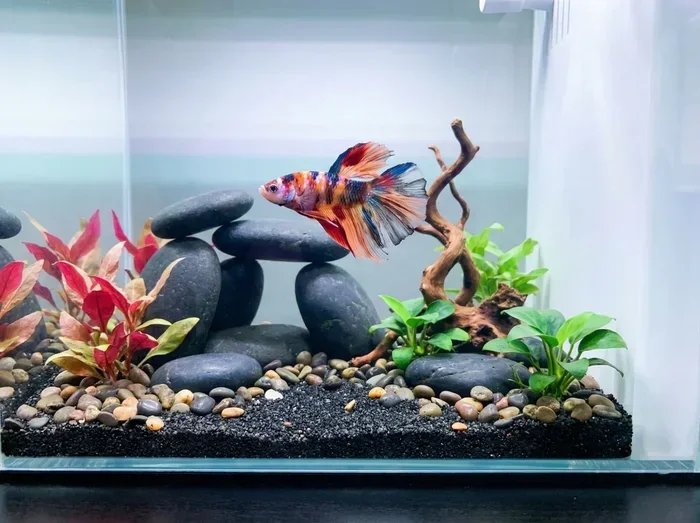
Betta fish need clean, warm water between 76–82°F with a pH of 6.5–7.5. Using the right betta fish water prevents illness and keeps your fish happy. Always treat tap water with a conditioner and perform regular water changes for the best results.
Choosing the right water for your betta fish might seem simple, but it makes a huge difference. The water you use directly affects your betta’s health, color, and lifespan. Many new fish owners make mistakes that lead to sick fish or worse. This guide covers everything you need to know about what kind of water does a betta fish need to stay happy and healthy.
Whether you are setting up a new tank or improving your current setup, understanding water basics is essential. You will learn about temperature, pH levels, tap water safety, and how often to change the water. By the end, you will feel confident creating the perfect aquatic home for your betta.
Betta fish are tropical creatures that need specific water conditions. They are not like goldfish or other hardy species that tolerate poor water quality. Giving your betta the right environment starts with getting the water right. Let us dive into the details.
Key Takeaways
- Ideal Temperature: Keep betta water between 76–82°F for optimal health.
- pH Matters: Maintain a pH level between 6.5 and 7.5 to prevent stress.
- Tap Water Can Work: But only after treating it with a water conditioner to remove chlorine.
- Regular Water Changes: Change 25–50% of the water weekly to keep it clean.
- Avoid Distilled Water: It lacks essential minerals your betta needs.
- Use a Filter: A gentle filter helps maintain water quality without strong currents.
📑 Table of Contents
- Why Water Quality Matters for Betta Fish
- Ideal Water Temperature for Betta Fish
- Understanding pH Levels and Water Hardness
- Can You Use Tap Water for Betta Fish?
- What Type of Water Is Best for Betta Fish
- How Often Should You Change Betta Fish Water?
- Common Water Mistakes Betta Owners Make
- Expert Tips for Keeping Betta Water Crystal Clear
- Conclusion
Why Water Quality Matters for Betta Fish
Water is the most important part of your betta’s world. Unlike humans, fish absorb water through their skin and gills. This means everything in the water directly touches their body. Poor water quality causes stress, disease, and even death in bettas.
When you understand what kind of water does a betta fish need, you can prevent many common health problems. Dirty water leads to ammonia buildup, which burns a fish’s gills. Even small amounts of ammonia can be deadly over time. Clean, properly treated water keeps your betta thriving for years.
The Connection Between Water and Betta Health
Your betta’s immune system depends heavily on water conditions. Fish in clean water are more active, eat better, and display vibrant colors. Fish in poor water often become lethargic, lose their color, and develop diseases like fin rot or ich. The link between water quality and betta health is undeniable.
Here are key reasons why water quality matters so much:
- Ammonia and nitrite levels in dirty water damage gill tissue.
- High nitrate levels cause stress and weaken the immune system.
- Wrong pH levels disrupt bodily functions and cause discomfort.
- Cold water slows metabolism and makes bettas sluggish.
- Hot water reduces oxygen levels and causes oxygen deprivation.
Ideal Water Temperature for Betta Fish
Temperature is one of the most critical factors in betta care. Betta fish come from warm tropical regions in Southeast Asia. They need warm water to stay healthy and active. The ideal range for betta water temperature is 76°F to 82°F (24°C to 28°C).
If the water drops below 74°F, your betta may become sluggish and prone to illness. Cold water slows their immune system, making them easy targets for disease. On the other hand, water above 86°F can cause stress and reduce oxygen levels. Keeping a stable temperature is just as important as hitting the right number.
How to Maintain Consistent Water Temperature
Using a good aquarium heater is essential for betta tanks. Choose a heater with a thermostat that maintains a steady temperature. Place the heater near the filter output for even heat distribution. A thermometer helps you monitor the temperature daily.
Avoid placing the tank near windows, doors, or vents. Cold drafts and direct sunlight can cause temperature swings. Sudden changes in temperature are very dangerous for bettas. If you notice your betta staying at the bottom or hiding more than usual, check the water temperature first.
For more detailed guidance on the right temperature range, check out our guide on what temp water does a betta fish need.
Understanding pH Levels and Water Hardness
pH measures how acidic or basic your water is. Betta fish prefer a slightly acidic to neutral pH between 6.5 and 7.5. A stable pH is more important than hitting a perfect number. Sudden pH swings cause more harm than a slightly off but steady reading.
Water hardness refers to the amount of dissolved minerals in the water. Bettas do best in soft to moderately hard water. Very hard water contains too many minerals, while very soft water lacks essential elements. Testing your water regularly helps you understand what you are working with.
How to Test Your Water Parameters
You can use a liquid test kit or test strips to check your water. Liquid test kits are generally more accurate and affordable. Test for pH, ammonia, nitrite, and nitrate at minimum. Here is what ideal levels look like for betta fish:
- Ammonia: 0 ppm (parts per million)
- Nitrite: 0 ppm
- Nitrate: Below 20 ppm
- pH: 6.5 to 7.5
- Temperature: 76°F to 82°F
Testing your water should become a regular habit. Just like you check on your betta each day, checking water parameters takes only a few minutes and prevents many problems. For more on maintaining healthy water conditions, see our article on how to take care of a betta fish water.
Can You Use Tap Water for Betta Fish?
Tap water is the most common water source for betta owners, and yes, it can work. However, tap water contains chlorine and chloramine, which are harmful to fish. These chemicals are added to municipal water supplies to kill bacteria for humans. They do the same thing to the beneficial bacteria in your tank and can harm your betta’s gills.
The good news is that treating tap water is simple and affordable. A water conditioner removes chlorine, chloramine, and heavy metals from tap water. You just add the conditioner to the water before adding it to the tank. This makes tap water safe for your betta in minutes.
Best Water Conditioners for Betta Fish
Not all water conditioners are created equal. Look for conditioners that remove chlorine, chloramine, and heavy metals. Some conditioners also add beneficial slime coats that protect your betta from stress. Here are popular options that work well for bettas:
- Seachem Prime: One of the most trusted conditioners on the market.
- API Tap Water Conditioner: Affordable and effective for regular use.
- Aqueon Water Conditioner: Gentle and safe for sensitive fish.
Always follow the dosage instructions on the bottle. More conditioner does not mean better protection. Using too much can actually harm your fish. For the best results, treat the water the day before you add it to the tank.
What Type of Water Is Best for Betta Fish
Not all water sources are equal when it comes to betta care. Let us look at the most common options and what makes each one suitable or unsuitable for your fish.
Tap Water
Tap water is convenient and affordable. After treating it with a conditioner, it is perfectly safe for bettas. The key is consistency. If your tap water has high chlorine levels, you may need more conditioner or let the water sit out for 24 hours before treating it. However, sitting water does not remove chloramine, so using a conditioner is always the safest approach.
Distilled Water
Distilled water goes through a purification process that removes all minerals and contaminants. While it is pure, it lacks the minerals bettas need. Using distilled water alone can lead to mineral deficiencies over time. If you must use distilled water, add a remineralizer to restore essential minerals before adding your betta.
Bottled Spring Water
Spring water contains natural minerals that can benefit bettas. However, it varies widely in mineral content and pH. Test spring water before using it. Some brands are too hard or too acidic for bettas. It is also more expensive than tap water, so it is not the most practical choice for regular water changes.
RO (Reverse Osmosis) Water
RO water is very pure but also very low in minerals. Hobbyists who use RO water typically add remineralization products to create the ideal water parameters. This is a great option for experienced keepers but may be overkill for beginners. For most betta owners, treated tap water works perfectly fine.
How Often Should You Change Betta Fish Water?
Regular water changes are essential for keeping your betta healthy. Even with a filter, waste builds up in the water over time. Water changes remove excess ammonia, nitrates, and other pollutants that accumulate in the tank.
For a single betta in a 5-gallon tank or larger, change 25–30% of the water every week. For smaller tanks under 5 gallons, you may need to change 50% of the water weekly. Smaller tanks accumulate toxins faster, so they require more frequent maintenance.
The Right Way to Do a Water Change
Follow these steps for a safe and effective water change:
- Siphon out 25–50% of the tank water using a gravel vacuum.
- Remove any debris or waste from the substrate during the process.
- Prepare fresh water and treat it with a water conditioner.
- Let the new water reach room temperature before adding it to the tank.
- Slowly pour the new water into the tank to avoid disturbing your betta.
Never replace all the water at once. Doing so removes beneficial bacteria that help cycle your tank. A complete water change can also shock your betta due to sudden parameter changes. Sticking to partial water changes keeps the environment stable and safe.
Common Water Mistakes Betta Owners Make
Even experienced fish keepers sometimes make water-related mistakes. Being aware of these common errors helps you avoid them and keep your betta healthy.
Using Untreated Tap Water
This is the number one mistake new betta owners make. Pouring untreated tap water directly into the tank exposes your fish to chlorine and chloramine. Always treat tap water with a conditioner before adding it to the aquarium.
Ignoring Water Temperature
Room temperature water is often too cold for bettas. Most homes sit around 68–72°F, which is below the ideal range. Without a heater, your betta’s immune system weakens over time. Invest in a reliable heater and monitor the temperature regularly.
Overcleaning the Tank
Some owners scrub the tank too thoroughly or replace all the filter media at once. This destroys the beneficial bacteria that keep the water cycle stable. Clean the tank gently and replace only a portion of the filter media during maintenance.
Not Testing Water Regularly
Clear water does not always mean safe water. Harmful chemicals like ammonia and nitrite can be present even in water that looks clean. Test your water at least once a week to catch problems early before they affect your betta.
For more tips on setting up the right environment, check out our guide on what kind of tank does a betta fish need and learn how tank size affects water quality.
Expert Tips for Keeping Betta Water Crystal Clear
Keeping your betta’s water clean and clear is a combination of proper equipment and consistent habits. Here are some expert tips that make a real difference in your tank’s water quality.
- Use a gentle filter. Bettas do not like strong currents. Choose a filter with an adjustable flow rate or sponge filter. For more on filtration options, see our article on does a betta fish need a filter.
- Do not overfeed your betta. Excess food decays in the water and raises ammonia levels. Feed small amounts 1–2 times a day and remove any uneaten food after a few minutes.
- Add live plants. Plants absorb nitrates and help oxygenate the water naturally. They also provide hiding spots that reduce stress for your betta.
- Do not overcrowd the tank. Bettas do best alone or with very peaceful tank mates. Overcrowding increases waste and degrades water quality faster.
- Keep up with maintenance. A consistent schedule of water changes and filter cleaning prevents problems from building up over time.
Following these tips will help you maintain excellent water quality with minimal effort. Your betta will reward you with vibrant colors, energetic behavior, and a long, healthy life.
Conclusion
Understanding what kind of water a betta fish needs is the foundation of good fish keeping. The right water temperature, pH levels, and clean conditions create a thriving environment for your betta. Always treat tap water before adding it to the tank, perform regular water changes, and test your water parameters consistently.
Getting the water right does not have to be complicated. Start with the basics, build good habits, and your betta will flourish. Remember, clean and stable water is the single most important thing you can do for your betta fish. Take action today and give your betta the healthy home it deserves.
For more information on betta care, explore our other guides on what does a betta fish need and learn how to create the perfect setup from day one.
Frequently Asked Questions
What kind of water does a betta fish need?
Betta fish need clean, warm water between 76°F and 82°F with a pH between 6.5 and 7.5. Always treat tap water with a water conditioner to remove chlorine and chloramine before adding it to the tank.
Can betta fish live in tap water?
Yes, betta fish can live in tap water as long as you treat it with a water conditioner first. Conditioner removes harmful chemicals like chlorine and chloramine that are safe for humans but dangerous for fish.
How often should I change my betta fish water?
Change 25–30% of the water weekly for tanks 5 gallons or larger. Smaller tanks need more frequent changes, sometimes 50% per week. Always treat new water with conditioner before adding it to the tank.
Is distilled water safe for betta fish?
Distilled water lacks essential minerals that bettas need. If you use distilled water, add a remineralizer to restore the minerals. Untreated distilled water alone is not ideal for long-term betta care.
What temperature water do betta fish need?
The ideal water temperature for betta fish is between 76°F and 82°F. Use an aquarium heater to maintain a stable temperature and avoid placing the tank near cold drafts or heat sources.
Do betta fish need a filter in their water?
Yes, a gentle filter helps maintain clean water by removing waste and toxins. Choose a filter with adjustable flow because bettas prefer calm water and can struggle in strong currents.