Why Does My Betta Fish Keep Dying

Why does my betta fish keep dying? The most common reasons include poor water quality, ammonia spikes, wrong tank setup, overfeeding, and untreated diseases. This guide walks you through every major cause and gives you simple, actionable fixes to protect your betta. You will learn how to cycle a tank, spot early warning signs, and create a safe environment so your fish stays healthy and happy.
Watching a betta fish die over and over again is heartbreaking. You buy a beautiful fish, set up a tank, and then… it just doesn’t make it. If you have found yourself asking why does my betta fish keep dying, you are not alone. This is one of the most common struggles new betta owners face, and the good news is that most causes are completely preventable.
The truth is, betta fish are tougher than people think. With the right setup and care, they can live 3 to 5 years, sometimes even longer. The problem usually comes down to a few fixable mistakes that almost every beginner makes at some point. In this guide, we will break down every major reason your betta might not be surviving and show you exactly what to do about it.
We will cover everything from water quality and tank cycling to feeding habits and disease prevention. By the end, you will have a clear action plan to keep your betta healthy and thriving. Let us get into it.
Key Takeaways
- Water Quality Is Everything: Ammonia and nitrite spikes are the #1 silent killers of betta fish.
- Tank Size Matters: A tank smaller than 5 gallons makes it nearly impossible to keep water stable.
- Overfeeding Kills: Excess food rots in the tank and spikes ammonia levels fast.
- Cycling Is Non-Negotiable: An uncycled tank exposes bettas to toxic chemicals from day one.
- Know the Warning Signs: Clamped fins, gasping, and lethargy are early signals something is wrong.
- Regular Maintenance Prevents Death: Weekly water changes and filter cleaning keep your betta safe.
📑 Table of Contents
Why Does My Betta Fish Keep Dying From Water Problems?
The number one reason betta fish die is poor water quality. Betta fish are sensitive creatures, and even small changes in their environment can cause serious harm. Unlike hardy fish species, bettas do not tolerate toxins in the water very well. If the water is not clean and stable, your fish will get sick and eventually die.
Ammonia and Nitrite Poisoning
Ammonia and nitrite are the two most dangerous chemicals in any aquarium. They build up from fish waste, uneaten food, and decaying plant matter. Even tiny amounts can burn your betta’s gills, damage its organs, and lead to death within hours.
Here is what happens in an uncycled tank:
- Fish waste and leftover food break down into ammonia.
- Ammonia levels rise quickly and burn the fish’s gills.
- Beneficial bacteria start converting ammonia into nitrite.
- Nitrite is also toxic and prevents oxygen from binding to the blood.
- The fish struggles to breathe, becomes weak, and dies.
This entire cycle can happen in just a few days. If you set up a new tank and added your betta right away, this is very likely what happened. Cycling a tank before adding fish is the single most important step in preventing this tragedy.
Cloudy or Dirty Water
If your betta fish water gets cloudy so fast, that is a red flag. Cloudiness usually means there is a bacteria bloom or excess waste in the tank. While it does not always mean your fish is in immediate danger, it shows that the tank’s biological balance is off. Over time, this leads to dangerous ammonia spikes that can kill your betta.
Another common issue is a tank that gets dirty so fast after a water change. This usually points to overfeeding, too many fish, or an undersized filter. The key is to address the root cause rather than just changing the water repeatedly.
pH and Temperature Swings
Betta fish need stable water parameters. Sudden swings in pH or temperature are incredibly stressful and can shock your fish to death. The ideal temperature for bettas is between 78 and 80 degrees Fahrenheit. If the water is too cold, the fish’s immune system slows down and diseases take hold. If the water is too warm, the oxygen levels drop and the fish suffocates.
Is Your Tank Setup Killing Your Betta Fish?
Many people buy betta fish without understanding their actual needs. A tiny bowl or a vase is not enough. These setups look pretty, but they create a toxic environment fast. Let us look at the tank setup mistakes that cause repeated fish losses.
Too Small of a Tank
The biggest myth about bettas is that they can live in a small bowl. The truth is that bettas need at least a 5-gallon tank, and bigger is always better. In a small container, waste builds up instantly, temperatures fluctuate, and there is no room for beneficial bacteria to grow. A 5-gallon tank gives your betta space to swim and makes it much easier to keep the water stable.
If you have been keeping your betta in a bowl, that alone could explain why your betta fish keeps dying. Switching to a proper tank with a gentle filter and a heater is the best thing you can do.
No Heater or Filter
Betta fish are tropical fish. They need a consistent water temperature to stay healthy. A heater is not optional, even though some pet stores sell bettas in unheated cups. Without a heater, room temperature water is almost always too cold for a betta.
A filter is also essential, but it needs to be gentle. Bettas are weak swimmers and do not like strong currents. A sponge filter works great because it provides biological filtration without creating a harsh flow. If the filter is too strong, your betta will burn energy just trying to stay in one place.
Overfeeding and Diet Mistakes
Overfeeding is one of the most common causes of betta fish death, and it is also one of the easiest to fix. Betta fish have small stomachs, roughly the size of their eye. Giving them too much food leads to a cascade of problems that can quickly become fatal.
How Overfeeding Kills
When you feed your betta too much, the extra food either gets eaten or sinks to the bottom and rots. Rotting food releases ammonia directly into the water. Even if you do not see the leftover food, it is still polluting the tank. Over a few days, ammonia levels can climb to deadly levels.
Overfeeding also causes digestive problems. Bettas are prone to bloating and constipation, which can lead to swim bladder issues. A fish that cannot swim properly becomes stressed, stops eating, and becomes vulnerable to disease.
What and How to Feed
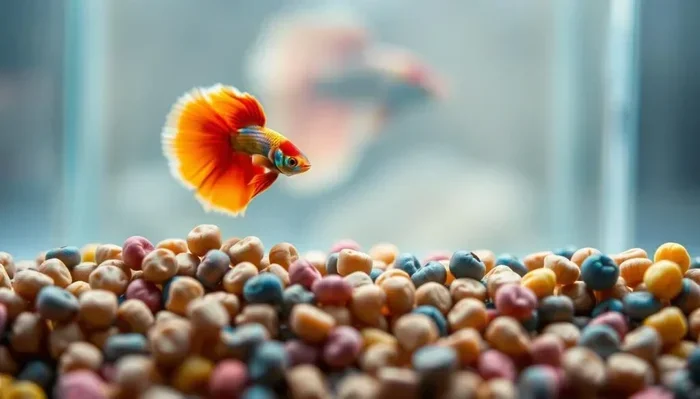
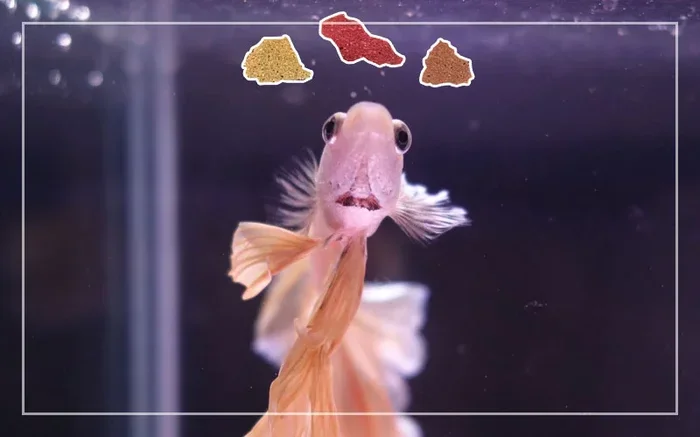
Feed your betta 2 to 3 pellets or a small pinch of food twice a day. Remove any uneaten food after 5 minutes. A varied diet of high-quality betta pellets, frozen bloodworms, and brine shrimp keeps your fish healthy and strong. A well-fed betta has a vibrant color, a good appetite, and a strong immune system.
Common Diseases That Kill Betta Fish
Even with a perfect tank, bettas can get sick. The key difference between a fish that recovers and one that dies is how quickly you spot the problem and act. Many common diseases are treatable if you catch them early.
Fin Rot
Fin rot is a bacterial infection that eats away at the fins and tail. It starts with ragged, discolored edges on the fins and can quickly progress to the body if left untreated. Fin rot is caused by poor water quality and stress. If you notice your betta fish tail looks shredded, that is a clear sign of fin rot or tail biting.
The fix is simple: improve water quality with regular changes and treat with an antibacterial medication if needed. Catching it early is the difference between a full recovery and a lost fish.
Ich (White Spot Disease)
Ich shows up as tiny white spots all over the fish’s body and fins. It is a parasite that spreads fast and can be deadly if ignored. The main trigger is a sudden temperature drop or stress from poor water conditions. Raising the temperature slowly to 82 degrees and using an ich medication usually clears it up within a week.
Swim Bladder Disorder
If your betta is swimming sideways, upside down, or struggling to stay upright, it might have a swim bladder issue. This can be caused by overfeeding, constipation, or a bacterial infection. Fasting your fish for 2 to 3 days and feeding a single cooked pea can often fix the problem. If it does not improve, a bacterial treatment may be needed.
Stress and Behavioral Warning Signs
Stress weakens a betta’s immune system and makes it an easy target for disease. If your betta is keeping hiding all the time, staying at the bottom, or spazzing out in the tank, something is wrong. These are not normal behaviors. They are distress signals that should never be ignored.
A stressed betta will clench its fins tight against its body, lose color, and stop eating. Common causes of stress include wrong tank mates, bright lights, loud noises, and a tank that is too small. Removing the stressor and improving the environment gives your fish the best chance to recover.
How to Stop Your Betta Fish From Dying
Now that you know the main causes, let us talk about what you can do right now to protect your betta. These steps are simple, but they make a massive difference in your fish’s health and lifespan.
Step 1: Cycle Your Tank Before Adding Fish
Cycling a tank means growing beneficial bacteria that convert toxic ammonia into less harmful nitrate. This process takes 4 to 6 weeks. You can speed it up with bottled bacteria starters, but patience is key. Never add a betta to an uncycled tank. Test the water with a liquid test kit to make sure ammonia and nitrite read zero before introducing your fish.
Step 2: Do Regular Water Changes
Weekly water changes are the backbone of betta care. Replace 25 to 50 percent of the water every week with dechlorinated water that matches the tank temperature. This removes waste buildup and keeps parameters stable. Use a gravel vacuum to clean debris from the substrate during each change.
Step 3: Test the Water Regularly
A liquid test kit is your best friend. Test strips are okay for quick checks, but a liquid kit gives you accurate readings for ammonia, nitrite, nitrate, and pH. Test the water at least once a week, or anytime your betta shows unusual behavior. Catching a spike early can save your fish’s life.
Step 4: Keep the Tank Clean Without Overcleaning
Cleaning the tank does not mean scrubbing everything spotless. You need some beneficial bacteria to survive on surfaces inside the tank. Rinse filter media in old tank water, never tap water. Replace filter cartridges only when they fall apart. Overcleaning can reset your tank’s biological balance and trigger an ammonia spike.
Step 5: Quarantine New Fish and Plants
If you ever add new fish or live plants to your betta tank, always quarantine them first. New arrivals can carry parasites and diseases that spread fast to your existing fish. A separate quarantine tank for 2 to 4 weeks keeps your main tank safe.
Expert Insights: Why Bettas Keep Dying in Pet Stores
Many bettas die before they even reach your home. Pet stores often keep bettas in small cups with no heaters and poor water quality. The stress of transport and a sudden change in environment can weaken the fish’s immune system. This is why some bettas seem healthy when you buy them but die a few days later.
To avoid this, buy from reputable breeders or stores that keep their fish in clean, heated tanks. Look for a betta with bright colors, a good appetite, and flowing fins. Avoid any fish with torn fins, white spots, or lethargic behavior. A healthy start gives your betta the best chance at a long, happy life.
Conclusion
Now you know the answer to why does my betta fish keep dying. The main culprits are poor water quality, wrong tank setup, overfeeding, untreated diseases, and stress. The great news is that every single one of these causes is preventable with the right knowledge and a little consistent effort.
Start by making sure your tank is properly cycled, sized at 5 gallons or more, and equipped with a gentle filter and heater. Feed your betta the right amount and watch for early warning signs like clamped fins, gasping at the surface, or unusual behavior. Regular water changes and testing keep the environment safe and stable.
Your betta fish deserves a healthy home. By following the steps in this guide, you can break the cycle of loss and enjoy your betta for years to come. Take action today, and your fish will thank you with vibrant colors and lively energy every single day.
Frequently Asked Questions
Why does my betta fish keep dying even with a filter?
A filter alone is not enough if the tank is not cycled or if you are overfeeding. Filters remove debris and host beneficial bacteria, but they do not remove ammonia on their own. You still need regular water changes and proper tank cycling to keep water parameters safe for your betta.
How often should I do water changes to prevent my betta from dying?
Do a 25 to 50 percent water change every week. This removes excess waste, uneaten food, and dissolved toxins before they reach dangerous levels. Consistent weekly changes are the single best thing you can do for your betta’s long-term health.
Can a betta fish die from stress alone?
Yes, chronic stress weakens the immune system and makes your betta vulnerable to diseases that can be fatal. Common stressors include tiny tanks, aggressive tank mates, bright lights, loud noises, and sudden water parameter changes. A calm, stable environment keeps your fish healthy.
What is the best tank size to stop my betta from dying?
A 5-gallon tank is the minimum for a single betta. Larger tanks like 10 gallons are even better because they dilute waste and keep parameters more stable. Avoid bowls and vases, as they are too small to maintain safe water quality over time.
Why does my betta keep going to the bottom and then die?
Lethargy and staying at the bottom often signal ammonia poisoning, temperature shock, or a bacterial infection. If your betta is keeping going to the bottom and not eating, test the water immediately for ammonia and nitrite. Address any spikes with a water change and treatment as needed.
Can I keep my betta in a bowl without a heater?
No, bettas are tropical fish and need a consistent temperature between 78 and 80 degrees Fahrenheit. A room-temperature bowl is usually too cold, which slows the immune system and leads to illness. Always use a small heater designed for betta tanks to keep your fish safe and healthy.