Why Does My Betta Fish Spit Out His Pellets
Betta fish spitting out pellets can be a sign of stress, poor water quality, or a picky palate. This article breaks down the top reasons, practical solutions, and tips to prevent the behavior so your finned friend eats happily again.
Key Takeaways
- Water quality matters: Bad parameters often trigger spitting.
- Food type is key: Size, texture, and freshness affect acceptance.
- Stress triggers refusal: Tank mates, lighting, and temperature play roles.
- Health issues matter: Mouth parasites or dental problems can cause spitting.
- Gradual diet changes work: Introduce new foods slowly to avoid shock.
- Observe and adjust: Watch feeding behavior to catch problems early.
- Proper tank setup: Hiding spots and appropriate flow reduce stress.
📑 Table of Contents
- Introduction: The Mystery of the Spitting Betta
- 1. Water Quality – The Hidden Culprit
- 2. Food Size, Texture, and Freshness
- 3. Stress Factors in the Tank
- 4. Health Issues – When the Mouth is the Problem
- 5. Feeding Routine and Behavioral Conditioning
- 6. When to Call in the Experts
- Conclusion: Turning Spit into Satisfaction
Introduction: The Mystery of the Spitting Betta
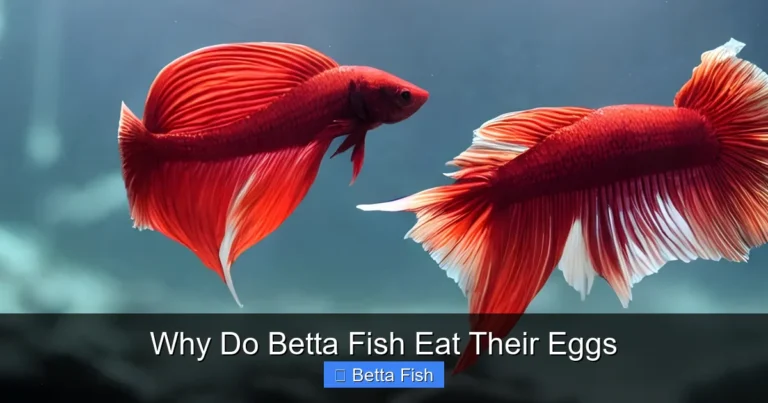
Imagine you’re feeding your beautiful betta a fresh pellet, and instead of gulping it down, he snaps it out of the water and watches it float away. It can feel like a personal failure, but rest assured—your betta isn’t being “mean.” He’s simply trying to tell you something.
In this guide we’ll explore why betta fish spit out their pellets, how to spot the underlying cause, and what you can do right now to turn that spitting into satisfied eating. By the end, you’ll have a handy checklist to keep your betta thriving.
1. Water Quality – The Hidden Culprit
Why clean water matters
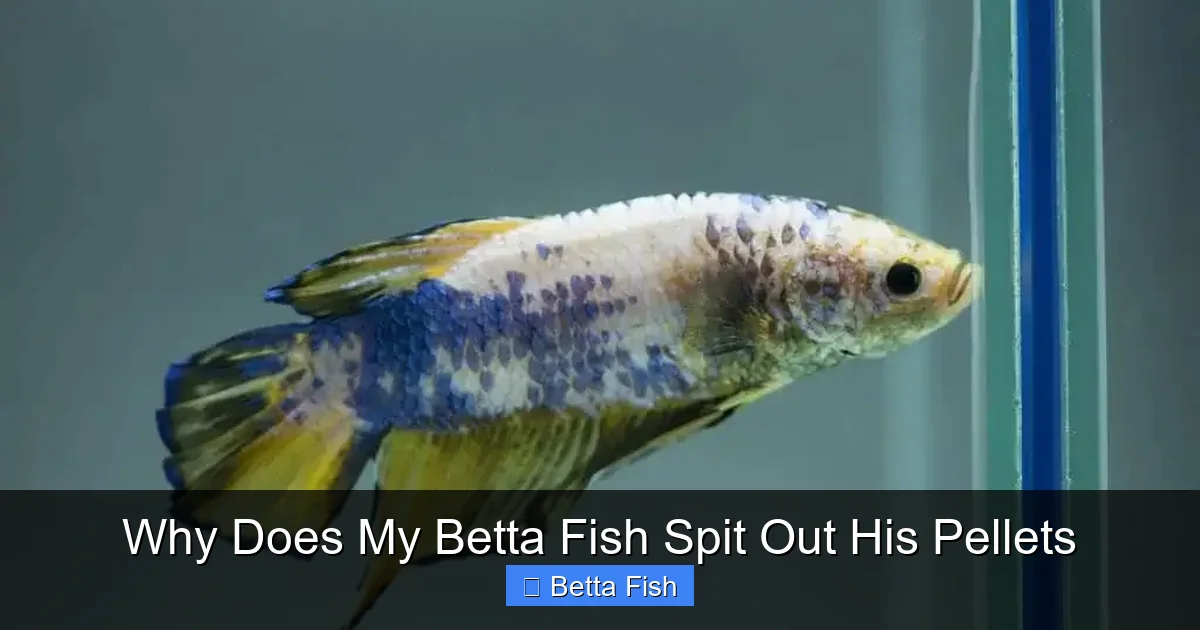
Betta fish are sensitive to ammonia, nitrite, and high nitrate levels. When water quality drops, they often refuse food as a survival instinct. Even a slight rise in ammonia can make the mouth feel “burnt,” prompting the fish to spit the pellet out.
Visual guide about Why Does My Betta Fish Spit Out His Pellets
Image source: bettasource.com
How to test and fix
- Use a liquid test kit weekly for ammonia, nitrite, nitrate, and pH.
- Perform 25‑30% water changes every 2‑3 days if parameters are off.
- Consider a sponge filter or gentle air stone to improve oxygen without creating strong currents.
2. Food Size, Texture, and Freshness
Pellet size mismatch
Betta mouths are small; pellets that are too large can be hard to swallow. If the pellet is bigger than the fish’s head, the betta will bite it, then spit it out.
Visual guide about Why Does My Betta Fish Spit Out His Pellets
Image source: bettasource.com
Texture troubles
Some bettas prefer softer, sinking foods, while others like firmer, floating pellets. A hard, dry pellet can feel like a rock, leading to spitting.
Freshness counts
Old or stale pellets lose aroma and become crumbly, making them less appealing.
Practical tip
Try offering smaller, high‑quality betta pellets or supplement with frozen bloodworms once a week. Soak dry pellets for a few seconds in tank water to soften them before feeding.
3. Stress Factors in the Tank
Lighting and temperature
Betas love stable, warm water (78‑80°F). Sudden temperature drops or overly bright lighting can make them anxious, causing them to reject food.
Tank mates and aggression
While many bettas are kept alone, some owners house them with peaceful species. If a tank mate shadows the feeding area, the betta may feel threatened and spit out the pellet.
Territorial stress
Betas need places to hide—like silk plants or caves. A barren tank can make them nervous.
Quick fix checklist
- Maintain temperature with a reliable heater.
- Provide dimmable lighting; turn off lights for 10‑15 minutes before feeding.
- Add a small cave or leaf for a sense of security.
4. Health Issues – When the Mouth is the Problem
Parasites and infections
External parasites (like Ich) or fungal growth on the mouth can make chewing painful, prompting spitting.
Dental and jaw problems
Betta teeth are tiny, but over‑grown teeth or a broken jaw can cause difficulty swallowing.
How to spot a sick betta
- Look for white spots, redness, or swelling around the mouth.
- Check for abnormal swimming or lethargy.
- Notice if the fish is rubbing its head against decorations.
When to seek treatment
If you see any of the above signs, isolate the betta in a hospital tank and treat with a broad‑spectrum antibacterial or antiparasitic medication as recommended by a vet.
5. Feeding Routine and Behavioral Conditioning
Consistency is calming
Betas thrive on routine. Feeding at the same time each day reduces anxiety and encourages a regular appetite.
Gradual diet changes
Switching from flakes to pellets overnight can shock the fish. Mix a small amount of new food with the old, gradually increasing the ratio over a week.
Interactive feeding ideas
- Use a feeding ring to keep food in one spot.
- Offer live or frozen foods (like daphnia) as a treat to stimulate natural hunting instincts.
- Try “puzzle feeding” with a small tube that releases pellets slowly.
6. When to Call in the Experts
Persistent spitting despite adjustments
If you’ve optimized water, switched food, reduced stress, and your betta still refuses to eat, it may be time for professional help. Chronic refusal can lead to rapid weight loss.
Resources and further reading
For a deeper dive into common feeding problems, check out Why Is My Betta Fish Spitting Out Food. If your betta shows other odd behaviors, you might also find Why Did My Betta Fish Jump Out Of The Tank helpful.
Conclusion: Turning Spit into Satisfaction
Betta fish spitting out pellets is rarely a sign of “bad behavior.” More often, it’s a window into water quality, diet, stress, or health issues. By checking the basics—clean water, appropriate food size, a calm environment, and good health—you’ll give your betta the best chance to eat confidently.
Take one step at a time: test the water, try a softer pellet, add a hiding spot, and watch for improvements. With patience and a few tweaks, your betta will go from spitting to thriving, and you’ll enjoy watching that vibrant splash of color at every feeding.
Frequently Asked Questions
Why does my betta fish spit out his pellets only sometimes?
Intermittent spitting often points to temporary stress—like a sudden change in temperature or a new decoration that shadows the feeding spot.
Can over‑feeding cause my betta to spit out food?
Yes. If a betta feels full, he may push excess pellets out of his mouth. Feed small amounts 2‑3 times a day.
Is it normal for bettas to prefer live food over pellets?
Many bettas find live or frozen foods more enticing. Offering a small portion of bloodworms or daphnia can encourage eating while you transition back to pellets.
What water parameters should I keep for a healthy betta?
Target temperature 78‑80°F, pH 6.5‑7.5, ammonia 0 ppm, nitrite 0 ppm, and nitrate below 20 ppm.
How long can a betta go without eating before it becomes dangerous?
Betas can survive about a week without food, but weight loss begins quickly. If your fish refuses food for more than 48 hours, investigate and act.
Should I try a different brand of pellets if my betta keeps spitting?
Switching to a high‑quality, smaller‑pellet brand can make a big difference. Look for products specifically formulated for bettas and try soaking them briefly before feeding.