If your betta fish has stopped eating, it’s usually a sign of stress, water issues, or health problems. This guide walks you through the most common reasons, quick checks, and proven solutions so you can restore his appetite and keep him thriving.
Key Takeaways
- Water quality matters: Poor parameters are the top cause of a loss of appetite.
- Stress triggers refusal: Over‑crowding, bright lights, and aggressive tank mates can deter feeding.
- Health issues are hidden: Parasites, fin rot, and internal infections often show up first as not eating.
- Food choice counts: Stale, wrong size, or unappealing food will be ignored.
- Observe and act fast: You have 24‑48 hours to intervene before serious decline.
- Simple fixes work: Adjusting temperature, cleaning the tank, and offering live foods often solve the problem.
- Use the right resources: Trusted articles like “Why Betta Fish Is Not Eating Food” provide deeper insight.
📑 Table of Contents
Introduction
Betta fish are famous for their flashy fins and feisty personalities, but they can be surprisingly picky eaters. When a betta stops taking food, many owners panic, wondering if the little champion is sick or about to die. The good news is that most appetite problems have clear, fixable causes.
In this article we’ll explore why is my betta fish not eating his food, break down the most common culprits, and give you step‑by‑step actions you can take today. By the end, you’ll feel confident spotting early warning signs and restoring a healthy feeding routine.
1. Water Quality – The Silent Appetite Killer
Betta fish are especially sensitive to their environment. Even a small shift in temperature, pH, or ammonia can make them lose interest in food.
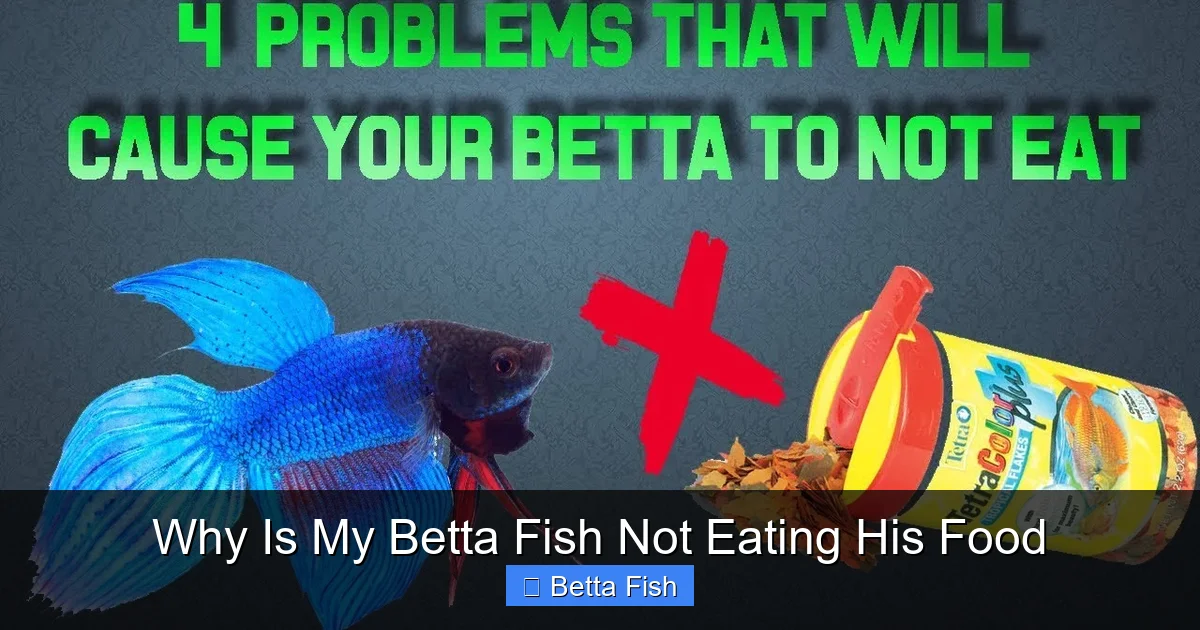
Visual guide about Why Is My Betta Fish Not Eating His Food
Image source: i.ytimg.com
1.1. Ammonia and Nitrite Buildup
Ammonia (NH₃) and nitrite (NO₂⁻) are toxic byproducts of fish waste and uneaten food. If your tank isn’t cycled properly, these compounds spike, causing stress and loss of appetite. Test the water with a reliable kit at least once a week.
- Safe levels: Ammonia = 0 ppm, Nitrite = 0 ppm, Nitrate < 20 ppm.
- What to do: Perform a 25‑30 % water change, clean the substrate, and consider adding a biological filter.
1.2. Temperature Trouble
Betta fish thrive at 78‑80 °F (25‑27 °C). Temperatures below 74 °F slow metabolism, making the fish less eager to eat. Conversely, water that’s too warm can stress them and increase disease risk.
Use an adjustable aquarium heater and a reliable thermometer. If the temperature fluctuates, check for drafts, direct sunlight, or a failing heater.
1.3. pH and Hardness
Betta fish prefer a slightly acidic to neutral pH (6.5‑7.5) and moderate hardness. Sudden swings can irritate gills, reducing the desire to feed. Adjust pH slowly with aquarium-safe conditioners, never with household chemicals.
Quick Water Check Checklist
- Test ammonia, nitrite, nitrate.
- Confirm temperature is steady at 78‑80 °F.
- Measure pH; aim for 6.5‑7.5.
- Inspect for cloudy water—cloudiness can hide harmful bacteria.
2. Stress Factors – When the Environment Is Too Much
Even a perfect water setup can’t save a betta that feels unsafe. Stress is a major reason why is my betta fish not eating his food.
2.1. Tank Size and Space
Betta fish need at least a 2‑gal (8‑liter) tank. Smaller bowls restrict swimming space and reduce oxygen, leading to lethargy and appetite loss. Upgrade to a larger, filtered tank whenever possible.
2.2. Lighting and Day‑Night Cycle
Betas enjoy a natural light cycle—about 10‑12 hours of light followed by darkness. Constant bright light can stress them, while too little light may reduce feeding cues. Use a timer to keep the schedule consistent.
2.3. Tank Mates and Aggression
Betta fish are territorial. Even peaceful community fish can trigger stress if they’re too active or nipping at the betta’s fins. If you keep other fish, ensure they’re compatible and the tank is heavily planted or has plenty of hiding spots.
2.4. Noise and Vibration
Heavy foot traffic, loud music, or a nearby aquarium pump can create vibrations that unsettled bettas. Place the tank on a stable surface away from high‑traffic areas.
3. Health Issues – When Illness Manifests as Not Eating
Illness often shows up first as a refusal to eat. Below are the most common health problems that cause appetite loss.
3.1. Internal Parasites
Protozoan parasites (e.g., Ichthyophthirius) invade the gut and make the fish feel nauseous. Look for other signs such as white spots, clamped fins, or scratching against objects.
3.2. Fin Rot and Skin Infections
Bacterial infections cause ragged, frayed fins and a foul smell. A sick betta may hide and ignore food. Treat with a broad‑spectrum antibacterial medication after confirming the diagnosis.
3.3. Swim Bladder Disorder
When the swim bladder is affected, the fish may float sideways or have trouble maintaining depth. This makes it hard to reach food at the surface. Adjust feeding height and consider a fasting period followed by a bland diet of boiled peas.
3.4. Mouth and Gill Issues
Growths, fungal patches, or gill inflammation can make it painful to suck in food. Look for visible lesions or excessive mucus.
When to Seek Professional Help
If your betta shows multiple symptoms—cloudy eyes, faded color, rapid breathing, or sudden death—consult a veterinarian or a reputable fish health specialist. Early intervention can save a life.
4. Food‑Related Problems – The Wrong Bite
Even a healthy betta can reject food that isn’t appealing or is improperly stored.
4.1. Food Type and Size
Betta fish are surface feeders. Pellets that sink too quickly or are too large can be missed. Offer high‑quality betta pellets that float, or supplement with frozen or live foods like daphnia, bloodworms, or brine shrimp.
4.2. Freshness Matters
Stale or moldy food loses its scent and nutritional value. Replace uneaten food after each feeding and store pellets in an airtight container in a cool, dry place.
4.3. Over‑Feeding and Food Waste
Leaving excess food in the tank fuels bacterial growth, raising ammonia levels and discouraging the betta from eating. Feed 2‑3 small meals daily, offering only what he can consume in 2‑3 minutes.
4.4. Feeding Technique
Use a feeding stick or tweezers to place food directly in front of the betta. Some bettas respond better to a gentle “drop” of food onto the water surface rather than scattering it.
5. Seasonal and Biological Changes
Betta fish, like many animals, have natural cycles that can affect appetite.
5.1. Breeding Mode
When a male betta is preparing a bubble nest, he may eat less as he focuses on nest building. This is normal as long as the reduction is short‑term and the fish looks otherwise healthy.
5.2. Molting and Color Change
During molting, a betta may appear dull and eat less. Provide extra vitamins and a gentle water change to aid the process.
5.3. Temperature Shifts in Winter
If the room gets cooler at night, the tank temperature can drop, slowing metabolism. A small heater with a thermostat prevents this dip.
6. Step‑by‑Step Action Plan
Now that we’ve covered the why, here’s a practical checklist you can follow the moment you notice your betta not eating.
6.1. Immediate 24‑Hour Observation
- Count the number of missed feedings.
- Check for visible signs: clamped fins, discoloration, abnormal swimming.
- Record water parameters.
6.2. Water Maintenance
- Perform a 25 % water change with dechlorinated, temperature‑matched water.
- Test ammonia, nitrite, nitrate, pH, and temperature.
- If any parameter is out of range, correct it before the next feeding.
6.3. Adjust Feeding
- Switch to a different brand of floating pellets.
- Offer a small amount of live or frozen food for 2‑3 days.
- Reduce feeding frequency to twice a day, small portions.
6.4. Reduce Stress
- Turn off bright lights for 8‑10 hours overnight.
- Cover the tank partially to create a sense of security.
- Rearrange decorations to break up line‑of‑sight from the tank’s front.
6.5. Monitor Health
- Inspect fins, eyes, and gills daily.
- If any lesions appear, begin a short course of antibacterial medication.
- Consider a probiotic supplement to boost gut health.
6.6. When to Escalate
If after 48 hours the betta still refuses food, or if any of the following appear—rapid weight loss, white‑spot disease, floating upside down—seek professional help immediately.
Conclusion
Seeing your betta ignore his meals is stressful, but most cases have a clear cause that you can fix at home. By checking water quality, reducing stressors, ensuring proper food, and watching for health signs, you’ll often restore appetite within a day or two. Remember, a betta that eats regularly is a happy, healthy betta. Keep a routine, stay observant, and don’t hesitate to use trusted resources like Why Betta Fish Is Not Eating Food for deeper guidance.
Take action now, and give your finned friend the best chance at a long, vibrant life.
Frequently Asked Questions
Why is my betta fish not eating but still swimming normally?
He may be stressed by water conditions, temperature, or a recent tank change. Test the water and adjust temperature before assuming illness.
Can a betta fish survive without food for a few days?
Yes, a healthy adult betta can fast for up to 5‑7 days, but longer periods increase risk of liver disease and weaken the immune system.
My betta spit out his food. What should I do?
Spitting often means the food is too large, stale, or the water is dirty. Try a smaller pellet or a fresh live food, and clean the tank.
How often should I change the water for a betta?
A 25‑30 % water change every week keeps ammonia low and maintains stable parameters, supporting a good appetite.
Is it normal for a betta to eat less when building a bubble nest?
Yes, during nesting a male may focus on nest construction and eat slightly less. As long as he remains active and his condition stays good, it’s normal.
When should I consider taking my betta to a vet?
If he stops eating for more than 48 hours, shows signs of fin rot, white spots, or abnormal swimming, professional help is recommended.

