Why Is My Betta Fish Spitting Out Bubbles

Betta fish often spit bubbles when they’re stressed, have water issues, or are trying to build a nest. Understanding the signs and adjusting tank conditions can quickly stop the bubbling and keep your fish thriving.
Key Takeaways
- Bubble spitting isn’t always a problem: It can be normal behavior linked to breeding instincts.
- Poor water quality triggers bubbles: High ammonia, low oxygen, or incorrect temperature stress the fish.
- Diet matters: Over‑feeding, hard pellets, or unsuitable foods can cause excess gas.
- Tank setup influences behavior: Small spaces, strong currents, or lack of hiding spots may lead to bubbling.
- Health issues are a red flag: Infections, parasites, or swim‑bladder disorders often show up as bubble‑spitting.
- Simple fixes work fast: Water changes, proper feeding, and décor adjustments usually solve the problem.
- Know when to act: Persistent bubbling with other symptoms means it’s time to consult a vet or experienced hobbyist.
📑 Table of Contents
- Introduction
- 1. Natural Bubble‑Spitting: Breeding Instincts and Bubble Nests
- 2. Water Quality Issues That Cause Bubble Spitting
- 3. Feeding Problems That Lead to Bubbles
- 4. Tank Setup and Environmental Stressors
- 5. Health Issues Behind Bubble Spitting
- 6. Practical Steps to Stop Unwanted Bubble Spitting
- Conclusion
Introduction
Betta fish are famous for their bright colors, flowing fins, and occasional “bubble‑blowing” shows. If you’ve ever watched your betta puff out a stream of bubbles and wondered, “why is my betta fish spitting out bubbles?” you’re not alone. Many hobbyists mistake this behavior for a sign of illness, while in reality it can be a perfectly natural response to the environment.
In this guide we’ll walk through the most common reasons bettas produce bubbles, how to spot the difference between normal and concerning behavior, and the practical steps you can take to keep your finned friend comfortable. By the end, you’ll feel confident that the next time you see bubbles, you’ll know exactly what’s going on and how to respond.
1. Natural Bubble‑Spitting: Breeding Instincts and Bubble Nests
Why bettas create bubbles
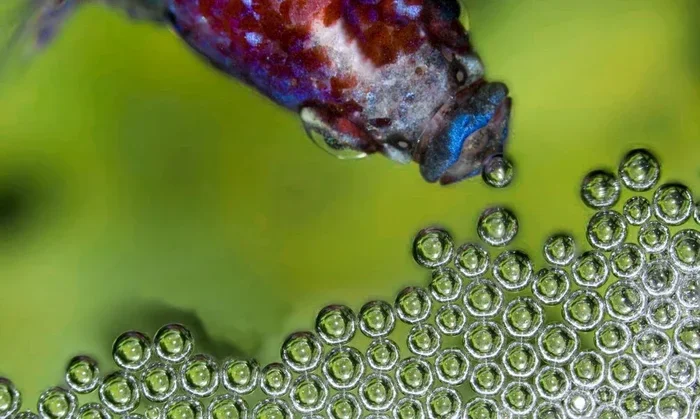
Male bettas are famous nest builders. In the wild they create a “bubble nest” on the water’s surface to protect eggs and fry. Even in a small home tank, a healthy male may still practice this instinct, releasing bubbles that look like he’s spitting them out.
How to tell a normal nest‑building bubble from a problem
- Location: Nest‑building bubbles gather at the surface, forming a cluster that looks like a floating mat.
- Frequency: The activity is steady during the breeding season (often when you increase temperature to 78‑80°F).
- Other signs: You’ll see the male flaring his fins, becoming more territorial, and possibly displaying brighter colors.
If your betta is doing all of the above, the bubbling is likely a sign of a happy, healthy male preparing for a potential mate. For more on bubble‑nest behavior, see our article on why did my betta fish make a bubble nest.
2. Water Quality Issues That Cause Bubble Spitting
Ammonia, nitrite, and nitrate spikes
Betta fish are sensitive to poor water conditions. High ammonia or nitrite levels irritate their gills, leading them to gulp air and release bubbles as they try to compensate for reduced oxygen uptake.
Low dissolved oxygen
Even though bettas can breathe air from the surface, a tank with low oxygen can still stress them. Over‑crowding, lack of surface agitation, or a faulty filter can create this problem.
Temperature extremes
Water that’s too cold (< 75°F) or too warm (> 82°F) stresses a betta’s metabolism. When stressed, many bettas increase surface breathing, which may look like spitting bubbles.
What to do
- Test water weekly with a reliable kit.
- Perform a 25‑30% water change if ammonia or nitrite is above 0 ppm.
- Use a gentle air stone or adjust the filter to increase surface movement.
- Maintain temperature between 76‑80°F with a reliable heater.
3. Feeding Problems That Lead to Bubbles
Over‑feeding and hard pellets
When bettas eat more than they can digest, excess food ferments in the gut, creating gas that is expelled as bubbles. Hard, dry pellets that don’t dissolve quickly can also trap air.
Improper diet
A diet low in protein or high in filler ingredients can cause digestive upset. Betta fry and adult bettas thrive on high‑protein foods like live or frozen brine shrimp, daphnia, and quality betta pellets.
Tips for better feeding
- Feed small amounts 2‑3 times daily – only what they can eat in 2‑3 minutes.
- Soak dry pellets in tank water for a minute before offering to soften them.
- Rotate protein sources to keep digestion healthy.
- If you notice bubbles after meals, try a fasting day (skip feeding for 24 hours) to clear the gut.
For more insight on feeding issues, check out why is my betta fish spitting out food.
4. Tank Setup and Environmental Stressors
Tank size and décor
Betta fish need space to swim and hide. A tank that’s too small (under 2 gallons) forces the fish to the surface constantly, increasing the chance of bubble spitting.
Strong currents
While bettas enjoy calm water, a filter that creates a strong flow can push them to the surface, where they gulp air and release bubbles.
Lighting and day‑night cycle
Constant bright light can stress bettas, making them more active at the surface. A regular 10‑12 hour light cycle mimics natural conditions.
Solutions
- Upgrade to at least a 5‑gallon tank with a lid.
- Use a sponge filter or adjust flow to a gentle swirl.
- Add plants or silk decorations to provide hiding spots.
- Install a timer for consistent lighting.
5. Health Issues Behind Bubble Spitting
Swim‑bladder disorder
A compromised swim bladder can cause a betta to float oddly and release bubbles as it tries to correct its position.
Internal parasites or infections
Parasites can produce gas in the intestines, which appears as bubbles at the surface.
Fin rot and gill disease
Damaged gills reduce oxygen absorption, prompting the fish to surface‑breathe and spit bubbles.
When to seek help
If bubbling is accompanied by any of the following, it’s time to act:
- Lethargy or loss of appetite.
- Faded or white patches on the body (why is my betta fish turning white).
- Frayed or clamped fins.
- Floating sideways or upside down.
Consult a veterinarian who specializes in fish or a reputable betta forum for treatment options.
6. Practical Steps to Stop Unwanted Bubble Spitting
Step‑by‑step checklist
- Test water: Check ammonia, nitrite, nitrate, pH, and temperature.
- Partial water change: Replace 25‑30% with conditioned water.
- Adjust feeding: Reduce portion size, soak pellets, and add a high‑protein treat.
- Modify flow: Turn down filter speed or add a pre‑filter sponge.
- Enhance décor: Add live or silk plants for cover.
- Observe: Watch for changes over 48‑72 hours.
Long‑term maintenance
- Test water weekly.
- Perform a 20‑30% water change every week.
- Feed a varied diet and avoid over‑feeding.
- Keep the tank covered to prevent jumping (why did my betta fish jump out of the tank).
Conclusion
Seeing your betta fish spitting out bubbles can be puzzling, but most of the time the cause is simple—either a natural breeding instinct, a water‑quality issue, or a feeding hiccup. By monitoring water parameters, adjusting diet, and providing a calm, well‑decorated environment, you can quickly resolve most bubbling problems. However, always stay alert for additional signs of illness; persistent bubbling paired with other symptoms may signal a deeper health issue that needs professional attention. With a little care and observation, your betta will stay vibrant, active, and bubble‑free—unless, of course, he’s building a nest, in which case enjoy the show!
Frequently Asked Questions
Why does my betta fish blow bubbles continuously?
This usually means he’s either building a bubble nest or trying to get more oxygen because of poor water quality. Check temperature, oxygen levels, and look for a cluster of bubbles at the surface.
Can over‑feeding cause my betta to spit bubbles?
Yes. Excess food can ferment in the gut, creating gas that the fish releases as bubbles. Feed small portions and soak dry pellets to prevent this.
Is bubble‑spitting a sign of disease?
It can be if it’s accompanied by other symptoms like loss of appetite, faded colors, or abnormal swimming. In those cases, test water and consider a vet check.
Do all male bettas make bubble nests?
Most healthy males will try to make a nest, especially when the water is warm (78‑80°F). Females rarely build nests.
How often should I change the water to prevent bubbling issues?
A 25‑30% water change weekly is a good baseline. If you notice bubbles after feeding, an additional small change can help clear excess waste.
What should I do if my betta’s bubbles look white and foamy?
White, foamy bubbles often indicate high surface tension from oils or chemicals. Perform a water change and ensure you’re using a water conditioner that removes chlorine and chloramines.