Will a Betta Fish Kill a Guppy
Betta fish do not always kill guppies, but their famous aggression and attraction to long, flowing fins make guppies a high-risk tank mate. Success depends on careful planning: a spacious, well-decorated tank, a gentle betta personality, and a slow, monitored introduction process. While peaceful cohabitation is possible, you must always have a backup plan to separate them immediately if aggression occurs.
So, you’ve got a beautiful, lone betta fish floating gracefully in its tank, and you’re dreaming of a vibrant community. Then you spot the dazzling, rainbow-tailed guppies at the pet store. They seem perfect! But that nagging question bubbles up: will a betta fish kill a guppy? It’s one of the most common and crucial questions in the aquarium hobby. The short, honest answer is: it absolutely can. The longer, more helpful answer is: it might not, but you have to work very, very hard to make that happen. Betta fish, with their stunning fins and bold personalities, carry a legendary reputation for aggression. Guppies, with their long, fancy tails and constant, flashy movement, are essentially walking targets. This guide will dive deep into the realities of this pairing. We’ll move beyond the simple “yes” or “no” and explore the why, the how, and the critical steps you must take to give this combination even a chance at success. Think of this not as a green light, but as a detailed roadmap for a very risky journey.
Key Takeaways
- Betta aggression is situational, not a foregone conclusion: A betta’s behavior depends on its individual personality, health, and environment, not just its species reputation.
- Guppies are a natural target: Their long, colorful fins and active, flashy swimming style can trigger a betta’s territorial hunting instincts.
- Tank size is non-negotiable: A minimum of 20 gallons is strongly recommended to provide enough space for separate territories and reduce constant confrontation.
- Visual barriers and hiding spots are critical: Plants, driftwood, and ornaments break line-of-sight, giving guppies escape routes and reducing stress for both fish.
- The introduction process is a marathon, not a sprint: Acclimation should take days or weeks, using a divider or separate quarantine tank for initial visual contact.
- Constant monitoring is essential, especially in the first 72 hours: Watch for flaring, chasing, and torn fins. Be prepared to separate them instantly at the first sign of serious aggression.
- Always have a backup plan: Have a second cycled tank or a clear rehoming strategy ready before you even attempt the pairing.
📑 Table of Contents
- The Nature of the Beast: Understanding Betta Temperament
- The Vulnerable Target: Why Guppies Are at Risk
- The Foundation of Peace: Tank Setup and Environment
- The Delicate Dance: Introduction and Acclimation Methods
- Reading the Signs: Recognizing Aggression vs. Curiosity
- When Peace Fails: Alternatives and Better Pairings
The Nature of the Beast: Understanding Betta Temperament
To predict if a betta will see a guppy as a rival or a snack, you must first understand the betta itself. The Siamese fighting fish’s reputation isn’t earned by accident. This is a fish bred for centuries for aggression in its native Thailand. Their aggression is primarily territorial and directed towards other male bettas (hence the name “fighting fish”), but that doesn’t mean they’re peaceful with other species.
The Instincts That Drive a Betta
A betta’s brain is wired for a few key things: defending a small patch of water, displaying to impress females (or intimidate males), and hunting. Their upturned mouths are built for gulping insects off the water’s surface. A guppy’s long, flowing tail doesn’t look like a bug, but to a betta, it might trigger that predatory instinct. It’s a moving, flashy target right in the water column they patrol. Furthermore, bettas are intelligent and curious. They will investigate anything new in their domain. That investigation can quickly turn to chasing if the “thing” (your guppy) flees—fleeing behavior in prey animals triggers a chase response in predators. It’s a classic, dangerous dynamic.
Personality Over Species
This is the most important concept: not all bettas are the same. You can have a mellow, almost lazy betta that ignores everything, and you can have a hyper-aggressive “flare factory” that attacks its own reflection. The betta’s individual personality is the single biggest variable. Age plays a role too; a young betta is often more energetic and aggressive than an older, more settled one. A betta that has lived peacefully with other species before is a better candidate than a betta that has only ever been alone. You cannot know this personality without observation and, often, trial (with a safe separation method).
The Vulnerable Target: Why Guppies Are at Risk
Guppies are fantastic community fish for many tanks, but they are arguably one of the worst possible choices for a betta tank from a safety perspective. It’s not about their temperament—guppies are generally peaceful—it’s about their physical design.
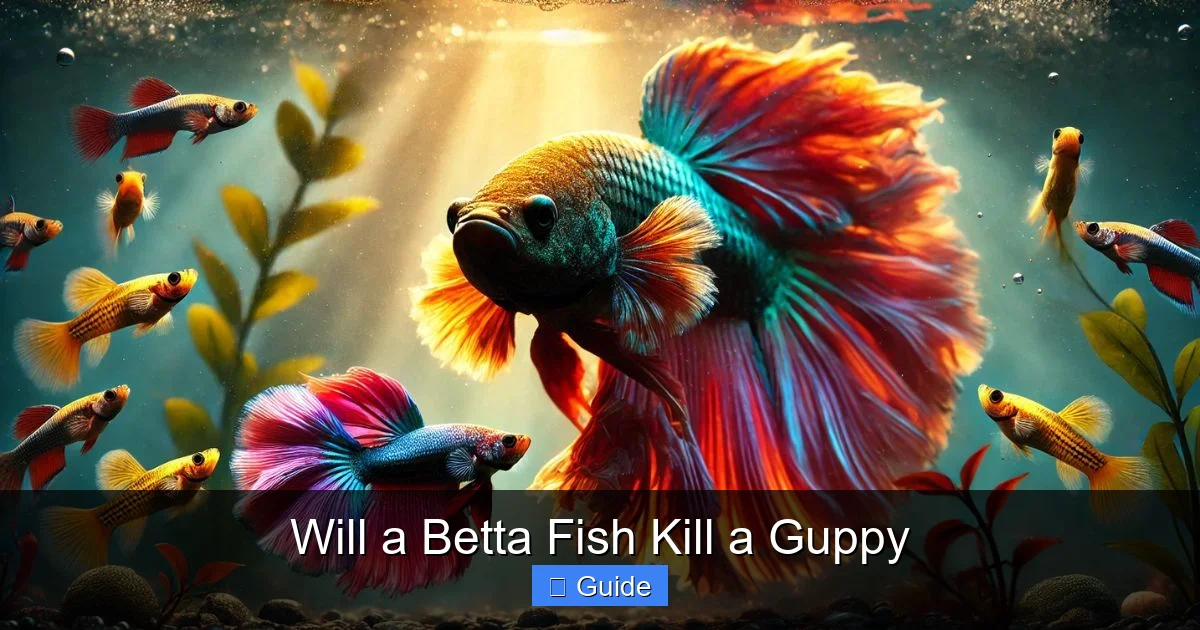
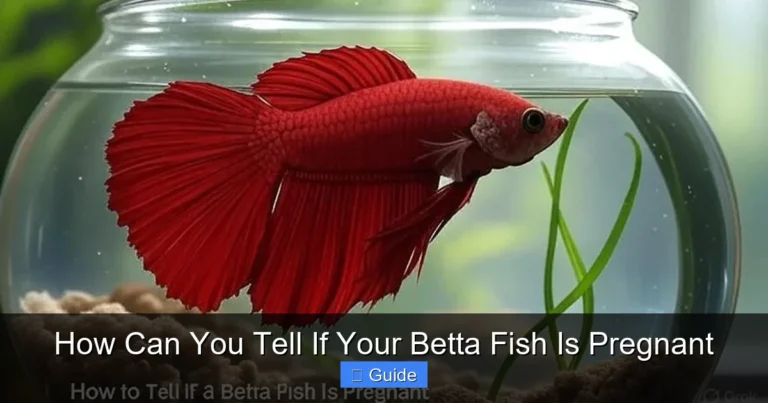
Visual guide about Will a Betta Fish Kill a Guppy
Image source: koibettafish.com
The Fins That Doom Them
The very attribute that makes guppies so beautiful—their large, elaborate caudal and dorsal fins—is what makes them a betta magnet. These fins are slow-moving and create a large visual target. To a betta, this looks like a threat (another flashy male fish) or, more likely, a slow-moving piece of food. Betta fish are known to nip at long fins, and the damage can be severe. A single nip can lead to fin rot, a deadly bacterial infection, turning a minor chase into a fatal wound.
Activity and Coloration: A Double-Edged Sword
Guppies are active, top-to-mid-level swimmers. They are rarely still, constantly darting and displaying. This constant motion is a siren call to a betta’s predatory gaze. Additionally, male guppies are often brightly colored with patterns similar to a betta’s own vibrant hues. This can be interpreted as a challenge or simply as something that needs to be investigated and dominated. A more subdued guppy, like a female or a less flashy variety (e.g., Endler’s livebearers, which are related but have shorter fins), is a slightly safer, though still risky, bet.
The Foundation of Peace: Tank Setup and Environment
If you are going to attempt this pairing, your tank is not just a home; it’s a behavioral modification tool. The goal is to design an environment that minimizes confrontation by providing space, escape, and distraction.
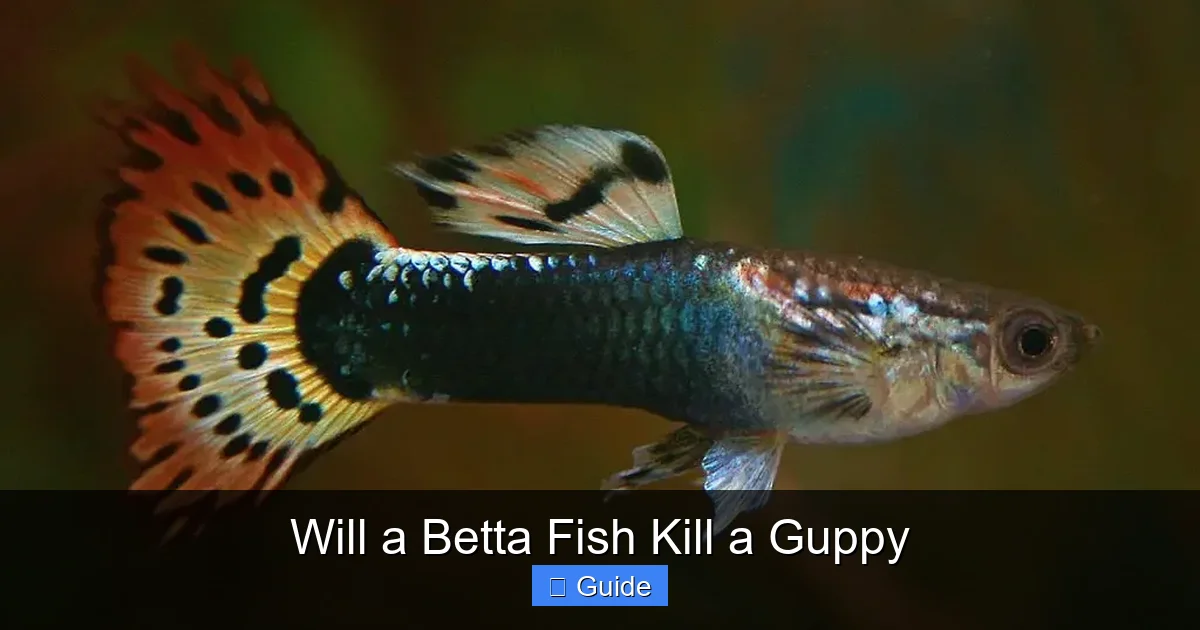
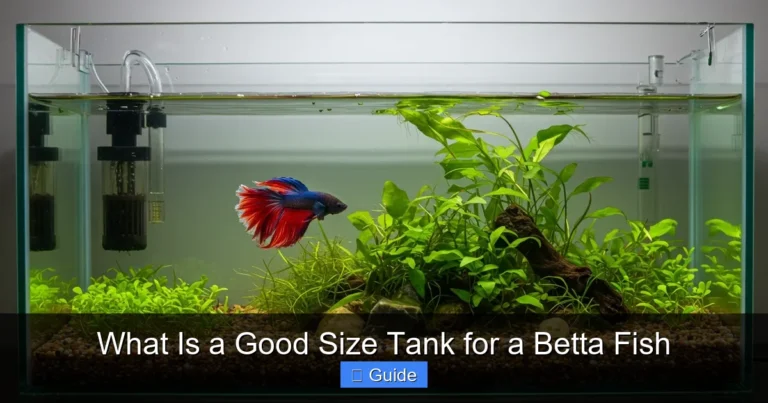
Visual guide about Will a Betta Fish Kill a Guppy
Image source: bettafishworld.com
Size Matters More Than Anything
Let’s be brutally clear: a 5-gallon or 10-gallon tank is a death sentence for a guppy with a betta. In a small tank, there is no “territory” to speak of—it’s all one territory, and the betta will claim it all. The guppy has nowhere to go. The absolute minimum you should consider is a 20-gallon long tank. A 29-gallon or larger is significantly better. More horizontal swimming space is more important than height. This allows you to create distinct areas and gives the guppy a chance to swim out of the betta’s immediate zone.
Creating a Landscape of Escape
Your aquascape is your primary defense. The goal is to break the line of sight. Dense planting is your best friend. Use tall background plants like Amazon swords or Vallisneria, mid-ground plants like Cryptocorynes, and floating plants like frogbit or water lettuce. Live plants are ideal, but high-quality silk or plastic plants work too. The key is density. Create a “forest” where a guppy can duck into and disappear. Add hardscape: driftwood, rock caves, and ceramic ornaments. Create a maze. The betta should not be able to see the entire tank from any one spot. This reduces the betta’s feeling of having to patrol a single, open space and gives the guppy countless hiding places.
The Delicate Dance: Introduction and Acclimation Methods
Never, ever just drop a guppy into a betta’s established tank. This is the fastest way to a tragedy. The introduction must be a slow, controlled process that allows both fish to become accustomed to each other’s presence without physical contact.
The Divider Method (Most Recommended)
This is the gold standard. Use a tank divider (a piece of acrylic with sealed edges or a commercial product) to split a tank (20+ gallons) into two separate compartments. Both sides must have their own filter and heater, or you must ensure water flow and temperature are equalized across the divider. Place the betta on one side and the guppy(s) on the other. They can see each other but cannot interact. Let this go on for at least one week, preferably two. Observe their reactions. Does the betta flare (puff up its gills and fins) aggressively every time it sees the guppy? Does the guppy seem terrified, hovering in the back? If reactions are mild or non-existent after a week, you can proceed to the next step. If the betta is in a constant, violent flare, this pairing is likely a no-go.
The Floating Breeding Box Method
If you don’t have a divider, a large, mesh-sided breeding box that floats in the main tank can work. Place the guppy in the box inside the betta’s tank for several days. This allows them to see and smell each other in the same water parameters. Again, watch for extreme reactions. This method is less ideal than a divider because the confined space of the box can stress the guppy, and water flow/temperature might differ slightly, but it’s a viable alternative.
The Final Test: Supervised Release
After a peaceful period with a divider, it’s time for the test. Choose a time when you can watch the tank for an hour or more. Gently net the guppy and release it into the betta’s side. Have a net ready to scoop the guppy out instantly if needed, and have a separate quarantine tank on standby with identical water parameters. Watch their initial interaction. Some flaring and chasing from the betta is normal as it investigates. The key is duration and intensity. A few minutes of chasing that the guppy can escape from with its speed is different from relentless, cornering pursuit. If the betta relentlessly chases and the guppy is visibly stressed, injured, or cannot find refuge, remove the guppy immediately. This test may need to be repeated over several days, with the guppy spending the night in the separate compartment.
Reading the Signs: Recognizing Aggression vs. Curiosity
Distinguishing between a betta’s curious investigation and true predatory aggression is a critical skill. Misreading this can cost a guppy its life.
Visual guide about Will a Betta Fish Kill a Guppy
Image source: petshun.com
Green Lights (Proceed with Caution)
- Flaring with parallel swimming: The betta flares its gills and fins but swims parallel to the guppy without chasing. This is often a display of dominance, not necessarily a pre-attack signal.
- Brief, non-contact chasing: The betta darts after the guppy, but the guppy easily zips into a plant or around a corner, and the betta gives up after a few seconds.
- Ignoring each other: After the initial curiosity, both fish go about their business. The betta might glance over but doesn’t actively pursue.
Red Lights (Immediate Separation Required)
- Constant, relentless pursuit: The betta chases the guppy non-stop, cornering it against the glass or into decorations, not allowing it to rest.
- Fin nipping observed: You see the betta make contact with the guppy’s tail or fins. Even a single nip is a major red flag.
- Guppy hiding 24/7: The guppy is permanently tucked in the back corner, under a plant, or in a cave, only darting out for food. This is extreme stress.
- Betta “locking” jaw: A betta that actually bites and holds another fish is exhibiting extreme aggression. Intervention must be immediate.
When Peace Fails: Alternatives and Better Pairings
Let’s be realistic. The betta-guppy pairing has a high failure rate. It’s often described as “possible but not recommended” for a reason. You must ask yourself: is the risk worth it? There are almost always safer, more reliable community options.
Safer Tank Mates for Your Betta
If you want a community tank for your betta, choose species that are faster, have shorter fins, and are not brightly colored in a way that triggers aggression. Excellent choices for a 20+ gallon tank include:
- Small, fast schooling fish: Harlequin rasboras, Chili rasboras, Ember tetras (in groups of 8+). Their speed and schooling behavior make them hard to target.
- Bottom-dwellers: Kuhli loaches, Corydoras catfish (in groups of 6+). They occupy a completely different area of the tank.
- Snails and Shrimp: Nerite snails, mystery snails, and certain shrimp (like Amano or ghost shrimp) can often coexist, though some bettas will eat shrimp.
Always introduce tank mates to the betta’s tank after the betta has been settled for several weeks, and never add a shoaling fish as a single individual.
The Guppy-Only Community
Perhaps the simplest solution is to accept that your betta is a solo artist. That’s perfectly fine! Bettas can be incredibly rewarding single-specimen pets. Meanwhile, set up a separate, beautifully planted community tank for your guppies. Guppies are social and thrive in groups of 6 or more (with a 2:1 female-to-male ratio to reduce harassment). They will be happier, healthier, and display better colors without the constant stress of a predator in their midst. This is the stress-free path for both species.
Frequently Asked Questions
Will a betta fish always kill a guppy?
No, a betta will not always kill a guppy. However, bettas are strongly inclined to chase and nip at long fins, which can lead to fatal injuries or stress. Many bettas will ignore or only mildly investigate a guppy, but a significant number will see it as prey or a rival. There is no way to know for sure until you carefully introduce them in a proper setup.
Can female bettas live with guppies?
Female bettas are generally less aggressive than males, but they can still be territorial and may nip at fins. The same risks apply with guppies’ long fins. A very spacious, heavily planted tank with a mild-mannered female betta might work, but it is not considered a reliably safe pairing and should be approached with the same extreme caution as a male betta.
What is the absolute minimum tank size for a betta and guppy?
We strongly advise against attempting this in anything under 20 gallons. A 20-gallon long tank (30″ x 12″ footprint) is the bare minimum to provide enough horizontal space for separate territories and for a guppy to outrun a betta. A 29-gallon or larger tank provides a much safer margin of error and more room for essential hiding places.
What should I do if my betta ignores my guppy?
“Ignoring” is a great first sign! If the betta shows no flaring, chasing, or interest after several days of divider exposure and a supervised release, it may be a compatible pairing. Continue to monitor them closely for at least two weeks. Maintain abundant hiding spots and be ready to intervene if behavior changes. However, a betta that is merely “tolerant” can become aggressive if its environment changes or it becomes bored.
Are there any guppy varieties that are safer with bettas?
Guppies with shorter, less elaborate fins are slightly less likely to trigger a betta’s predatory instinct. Female guppies (which have much shorter tails) or guppy-like fish such as Endler’s livebearers are somewhat better choices than fancy male guppies. However, their active swimming and bright colors can still provoke a betta, so they are not “safe,” just potentially lower risk.
What are the best tank mates for a betta if I don’t want to risk guppies?
Focus on fish that are fast, schooling, and occupy different tank levels. For a 20+ gallon tank, excellent choices include groups of 8+ Harlequin rasboras or Chili rasboras, 6+ Corydoras catfish for the bottom, or Kuhli loaches. Always add these fish to a well-established betta tank (after the betta has been settled for a month) and in groups to reduce individual targeting.