
Why Does My Betta Fish Keep Going to the Bottom
Betta fish that linger at the bottom are often sending a warning sign. Common causes include water quality issues, temperature stress, illness, or simple boredom. By checking parameters, adjusting habitat, and watching behavior, you can quickly turn the tide and enjoy a vibrant, active betta again.
Key Takeaways
- Water quality matters: High ammonia or low oxygen will make a betta sit at the bottom.
- Temperature is critical: Betta thrive at 78‑80°F; too cold or hot drives them down.
- Illness signs: Swollen belly, ragged fins, or loss of color often accompany bottom‑dwelling.
- Stress triggers: Over‑crowding, bright lights, or aggressive tank mates can push a betta to the floor.
- Enrichment helps: Plants, hiding spots, and gentle water flow keep bettas active.
- Regular checks prevent problems: Test water weekly and perform partial changes.
- Quick fixes are easy: Adjust temperature, add a heater, or treat minor infections within minutes.
📑 Table of Contents
- Introduction: The Mystery of the Bottom‑Dwelling Betta
- 1. Water Quality – The Foundation of Health
- 2. Temperature Trouble – Too Cold or Too Hot?
- 3. Illness and Physical Issues
- 4. Stress From Environment and Tank Mates
- 5. Feeding Issues and Digestion Problems
- 6. Practical Steps to Encourage Active Swimming
- Conclusion: Turning Bottom‑Dwelling Into Bottom‑Exploring
Introduction: The Mystery of the Bottom‑Dwelling Betta
When you first bring a betta home, you expect a flamboyant little swimmer darting around the tank, showing off its bright fins. Instead, you notice it hanging out at the bottom, barely moving. It’s easy to feel worried, but the behavior is often a clue rather than a mystery.
In this article we’ll walk through the most common reasons why does my betta fish keep going to the bottom, how to spot the early warning signs of disease, and what practical steps you can take right now. By the end, you’ll have a simple checklist and feel confident that you can turn that sad bottom‑lurker into a lively performer.
1. Water Quality – The Foundation of Health
Ammonia, Nitrite, and Nitrate
Even a tiny spike in ammonia can make a betta feel sick. In a small tank, waste builds up quickly, and a betta will retreat to the bottom where the water is often the least disturbed. Use a reliable test kit at least once a week. If ammonia reads above 0 ppm, perform a 25‑30% water change and consider adding a water conditioner that detoxifies ammonia.
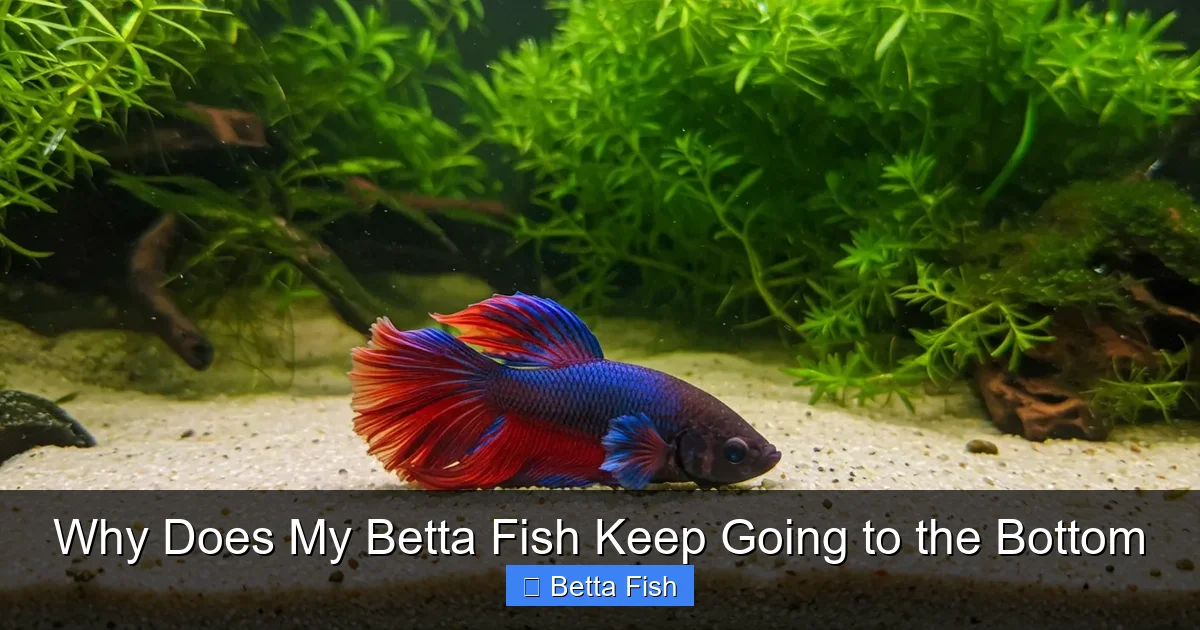
Visual guide about Why Does My Betta Fish Keep Going to the Bottom
Image source: img.houseui.com
Oxygen Levels
Betas are labyrinth fish – they can gulp air from the surface, but they still need dissolved oxygen. Stagnant water or a tank that’s too warm holds less oxygen, pushing the fish to the bottom where it can breathe the thin layer of air at the surface. A gentle air stone or a small internal filter creates a soft current and improves oxygen diffusion without stressing the betta.
pH and Hardness
Betas prefer a stable pH between 6.5 and 7.5. Sudden swings can cause stress, leading to bottom‑dwelling. Use a pH buffer if your tap water is volatile, and keep the hardness (GH) around 3‑5 dGH for a comfortable environment.
Quick Water‑Check Checklist
- Test ammonia, nitrite, nitrate weekly.
- Measure temperature with a reliable aquarium thermometer.
- Check pH and hardness monthly.
- Perform a 20‑30% water change if any parameter is out of range.
2. Temperature Trouble – Too Cold or Too Hot?
Ideal Range
Betta fish are tropical and love water that stays between 78°F and 80°F (25.5°C‑26.5°C). If the water drops below 75°F, the metabolism slows, and the fish may become lethargic, hanging at the bottom. Conversely, temperatures above 84°F increase stress and can cause the fish to gasp for air.
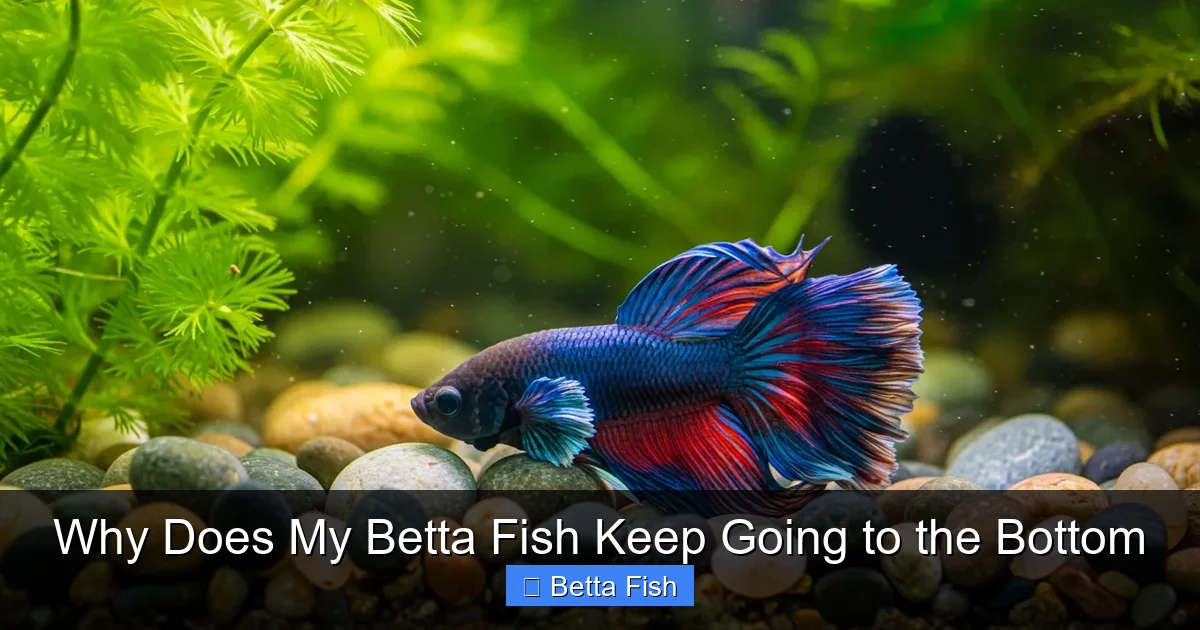
Visual guide about Why Does My Betta Fish Keep Going to the Bottom
Image source: img.houseui.com
How to Stabilize Temperature
Invest in an adjustable aquarium heater with an automatic shut‑off. Place the heater near the middle of the tank, not directly under the filter, to avoid hot spots. Use a digital thermometer to monitor the temperature twice a day, especially during winter or summer spikes.
Signs of Temperature Stress
- Lethargic swimming or staying at the bottom.
- Faded colors or clamped fins.
- Increased gulping at the surface.
3. Illness and Physical Issues
Common Diseases That Cause Bottom‑Dwelling
Several health problems make a betta hide at the bottom. Look for these accompanying symptoms:
- Swim bladder disorder: The fish floats upside‑down or sinks and cannot maintain buoyancy.
- Ich (white spot disease): Tiny white dots appear on fins and body; the fish may rest at the bottom to conserve energy.
- Fin rot: Ragged, frayed fins, often with a foul smell.
- Velvet disease: A dusty, gold‑ish coating on the skin, causing the fish to become listless.
When to Treat
If you see any of the above signs, isolate the betta in a hospital tank and begin treatment according to the specific disease. A gentle dose of aquarium salt (1 tsp per 5 gallons) can help with stress and minor infections, but always follow a reputable medication guide.
Internal Link Example
For more on recognizing disease symptoms, read our guide on why does my betta fish fins look shredded.
4. Stress From Environment and Tank Mates
Overcrowding and Aggression
Betta fish are territorial. Even though many keep them alone, some owners house them with peaceful community fish. A noisy tank can cause a betta to retreat to the bottom to avoid confrontation. If you notice fin nipping or constant chasing, it’s time to re‑evaluate tank mates.
Lighting and Noise
Bright, direct lighting for long periods can stress a betta. Provide a day/night cycle of 8‑10 hours of light, using a dimmable LED or a floating plant to create shade. Also, keep the tank away from loud appliances or windows with heavy traffic.
Enrichment and Hiding Spots
Betas love places to explore. Add live or silk plants, caves, and driftwood. These structures give the fish places to rest above the substrate, encouraging it to swim higher. A bored betta may simply lie on the bottom out of monotony.
Helpful Resource
Learn more about why betta fish need to be alone in our article why betta fish need to be alone.
5. Feeding Issues and Digestion Problems
Overfeeding and Constipation
Feeding too much can lead to a bloated belly, making the fish sit at the bottom to ease pressure. Offer only what the betta can eat in 2‑3 minutes, once or twice a day. Use high‑quality betta pellets or frozen brine shrimp as treats.
Underfeeding and Weakness
A starving betta becomes weak and may rest on the bottom. Ensure you’re providing a balanced diet with protein‑rich foods. If your fish refuses food, check water quality first; a stressed fish often loses appetite.
Link to Feeding Troubles
If your betta suddenly stops eating, see why did my betta fish stop eating for troubleshooting steps.
6. Practical Steps to Encourage Active Swimming
Step‑by‑Step Quick Fix
- Test water: Use a liquid test kit for ammonia, nitrite, nitrate, and pH.
- Adjust temperature: Set heater to 79°F and let it stabilize for 24 hours.
- Increase aeration: Add a small air stone on the side opposite the filter.
- Refresh décor: Place a live plant like Java fern or a silk leaf near the surface.
- Feed a small portion: Offer a few high‑protein pellets and observe within 15 minutes.
- Monitor behavior: If the betta starts exploring the middle and top, you’ve solved the issue.
Long‑Term Maintenance Plan
- Weekly water changes of 25%.
- Monthly filter cleaning (rinse in tank water, not tap water).
- Quarterly tank deep clean (gravel vacuum, replace old décor).
- Quarterly health check: look for spots, fin damage, or abnormal swimming.
Further Reading
For a broader view on keeping your betta thriving, check out how to keep a betta fish alive.
Conclusion: Turning Bottom‑Dwelling Into Bottom‑Exploring
Seeing your betta fish keep going to the bottom can be unsettling, but it’s usually a symptom you can correct. By focusing on water quality, temperature, health, and enrichment, you’ll give your fish the best chance to bounce back and show off those gorgeous fins. Remember to act quickly, test often, and keep the environment stable. A happy betta will soon be swimming the whole tank, not just the bottom.
Frequently Asked Questions
Why is my betta staying at the bottom of the tank?
Common reasons include poor water quality, incorrect temperature, illness, or stress from the environment. Checking parameters and observing for other symptoms will help pinpoint the cause.
Can low oxygen cause my betta to sit on the bottom?
Yes. Stagnant water holds less dissolved oxygen, making a betta rest near the surface or bottom to gulp air. Adding a gentle air stone can improve oxygen levels.
What temperature should I keep my betta tank at?
Maintain a stable temperature between 78°F and 80°F (25.5°C‑26.5°C) using an adjustable heater and a reliable thermometer.
How do I know if my betta’s bottom‑dwelling is due to illness?
Look for additional signs such as white spots, ragged fins, bloating, or loss of color. If any appear, isolate the fish and begin appropriate treatment.
Will adding plants help my betta be more active?
Absolutely. Live or silk plants provide hiding spots and break up open space, encouraging the betta to explore higher in the water column.
Is it okay to keep my betta with other fish?
Betta fish are territorial and often do best alone. If you choose tank mates, they must be peaceful, non‑aggressive species, and the tank should be large enough to provide separate territories.