Can Brown Algae Kill Betta Fish
Brown algae itself is not directly toxic to betta fish, but a heavy buildup can signal poor water quality that may stress or harm your betta over time. Understanding what causes brown algae, how it affects your tank environment, and how to manage it safely is essential for keeping your betta fish healthy and thriving. This guide covers everything you need to know about brown algae and betta fish care.
Key Takeaways
- Brown algae is not directly deadly: It does not produce toxins that kill betta fish on its own, but it can indicate underlying water quality issues.
- Poor water conditions are the real danger: Brown algae thrives in tanks with excess silicates, low light, and high organic waste, which can stress your betta.
- Oxygen depletion is a risk: Large algae blooms can reduce dissolved oxygen levels, especially at night, making it harder for your betta to breathe.
- Regular maintenance prevents outbreaks: Weekly water changes, proper lighting, and avoiding overfeeding are the best ways to keep brown algae under control.
- Algae eaters can help: Certain tank mates like snails and shrimp can assist with algae control, but you should research compatibility first.
- Manual removal is safe and effective: Scrubbing decorations and gravel during water changes is the safest way to remove brown algae without chemicals.
- Monitor your betta’s behavior: Lethargy, loss of appetite, or gasping at the surface may signal that algae-related water issues are affecting your fish.
📑 Table of Contents
- Can Brown Algae Kill Betta Fish? What Every Owner Needs to Know
- What Exactly Is Brown Algae?
- Is Brown Algae Harmful to Betta Fish?
- What Causes Brown Algae in Betta Tanks?
- How to Remove Brown Algae from Your Betta Tank
- Preventing Brown Algae from Coming Back
- When to Worry: Signs Your Betta Is Affected
- Conclusion
Can Brown Algae Kill Betta Fish? What Every Owner Needs to Know
If you have noticed a brownish film coating the glass, gravel, or decorations in your betta fish tank, you are probably wondering whether it is dangerous. Brown algae is one of the most common types of algae that appears in freshwater aquariums, and it tends to show up especially in newer tanks. The good news is that brown algae is generally not considered harmful to betta fish in the way that some other types of algae can be. However, that does not mean you should ignore it completely.
The real question is not just whether brown algae can directly kill your betta, but whether the conditions that allow it to flourish might be putting your fish at risk. Poor water quality, excess nutrients, and inadequate lighting are all factors that contribute to brown algae growth, and these same factors can stress your betta fish and make it more vulnerable to illness. In this article, we will take a deep dive into what brown algae is, why it appears, how it can affect your betta, and what you can do to get rid of it and prevent it from coming back.
What Exactly Is Brown Algae?
The Science Behind Brown Algae
Despite its name, what most aquarium hobbyists call “brown algae” is actually not a true algae in the scientific sense. It is primarily composed of diatoms, which are single-celled organisms that have a silica-based cell wall. These diatoms are extremely common in both freshwater and saltwater environments, and they are one of the oldest forms of life on the planet. When conditions are right, they multiply rapidly and form that familiar brown coating on every surface in your tank.
Diatoms are photosynthetic, meaning they need light to grow. However, they are uniquely adapted to thrive in low-light conditions where other types of algae and plants struggle to survive. This is one of the reasons brown algae is so common in new aquariums that have not yet established a stable lighting and nutrient cycle. They can also utilize silicates dissolved in the water as a building material for their cell walls, which gives them an advantage in tanks where silicate levels are elevated.
Where Does Brown Algae Come From?
Brown algae can enter your aquarium in several ways. It may be present on new plants, decorations, or even in the water from your tap. Some tap water sources contain elevated levels of silicates, which provide the perfect food source for diatoms. New tanks are especially prone to brown algae outbreaks because the biological filtration system has not yet matured, and there is often an abundance of excess nutrients available for diatoms to consume.
Overfeeding your betta fish is another common contributor. Uneaten food breaks down and releases nutrients like phosphates and nitrates into the water, which fuel algae growth. If you are dealing with persistent brown algae, it is worth evaluating how much you are feeding your fish and whether excess food is accumulating in the tank. For more on this topic, you may want to read about whether overfeeding can kill a betta fish, as the connection between excess food and poor water quality is significant.
Is Brown Algae Harmful to Betta Fish?
Direct Toxicity: The Good News
Let us start with the most important point: brown algae does not produce toxins that are directly harmful to betta fish. Unlike blue-green algae, which is actually a type of cyanobacteria and can release harmful substances into the water, brown algae is relatively benign in terms of direct chemical danger. Your betta will not be poisoned simply because there is brown algae growing in its tank.
This is reassuring for many betta owners who panic when they see that brown coating appear. In most cases, a mild to moderate amount of brown algae is more of an aesthetic problem than a health crisis. Your betta can live in a tank with some brown algae without suffering any immediate harm.
Indirect Risks: The Real Concern
While brown algae itself is not toxic, the conditions that promote its growth can absolutely harm your betta fish. A heavy brown algae bloom is often a sign that something is off in your tank environment. Excess nutrients, poor water circulation, inadequate filtration, and infrequent water changes are all factors that contribute to both algae growth and stress in fish.
When organic waste builds up in the tank, it leads to elevated ammonia, nitrite, and nitrate levels. These compounds are toxic to betta fish even at relatively low concentrations. Ammonia burns the gills and skin, nitrite interferes with oxygen transport in the blood, and high nitrate levels cause chronic stress that weakens the immune system. So while the brown algae is not killing your betta directly, the water quality issues it signals very well might be.
Oxygen Depletion and Respiratory Stress
Another indirect risk of heavy algae growth is oxygen depletion. During the day, algae produce oxygen through photosynthesis. But at night, the process reverses, and algae consume oxygen. In a tank with a massive algae bloom, this nighttime oxygen consumption can significantly reduce the amount of dissolved oxygen available for your betta fish.
Bettas are labyrinth fish, which means they can breathe atmospheric air from the surface using a special organ. This gives them a slight advantage over other fish species in low-oxygen conditions. However, relying on surface breathing is not ideal and can cause stress over time. If your betta is frequently gasping at the surface, it could be a sign that oxygen levels in the tank are too low, potentially due to excessive algae growth.
What Causes Brown Algae in Betta Tanks?
New Tank Syndrome
The most common cause of brown algae in betta tanks is what hobbyists call “new tank syndrome.” When you first set up an aquarium, the nitrogen cycle has not yet established itself. Beneficial bacteria that convert toxic ammonia into less harmful nitrate have not had time to colonize the filter media and substrate. During this period, there is often an excess of silicates and other nutrients that diatoms love to feed on.
New tanks typically experience a brown algae bloom within the first two to four weeks. In most cases, this resolves on its own as the tank matures and the biological filtration system becomes established. Patience is key during this stage, and frequent large water changes can actually slow down the cycling process by removing the beneficial bacteria you are trying to cultivate.
Low Lighting Conditions
Brown algae thrives in low-light environments. If your betta tank does not receive adequate lighting, or if the light spectrum is not well-suited for plant growth, diatoms will have a competitive advantage over green algae and aquatic plants. Many betta owners keep their tanks in dimly lit areas of the home, which can inadvertently encourage brown algae growth.
This does not mean you need to blast your tank with intense light. In fact, betta fish prefer moderate lighting with plenty of shaded areas and hiding spots. The goal is to provide enough light to support live plants, which will compete with algae for nutrients, without creating conditions that favor algae over plant growth.
Excess Silicates in the Water
Silicates are a key nutrient for diatoms, and they can enter your aquarium through several sources. Tap water is the most common source, especially if you live in an area with high silicate levels in the groundwater. Some aquarium substrates, particularly certain types of sand and gravel, can also leach silicates into the water over time.
If you suspect that silicates are contributing to your brown algae problem, you can test your tap water using a silicate test kit. Using reverse osmosis (RO) water or deionized water for water changes can help reduce silicate levels, though you will need to remineralize the water to ensure it is safe for your betta.
Overfeeding and Organic Waste
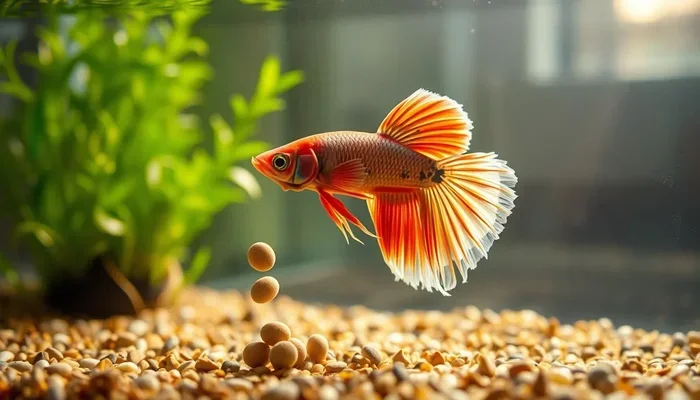
As mentioned earlier, overfeeding is a major contributor to algae problems in betta tanks. Bettas have small stomachs, roughly the size of their eye, and they only need a few pellets or a small portion of frozen food per feeding. Any food that is not consumed within a couple of minutes will sink to the bottom and begin to decompose, releasing nutrients that feed algae.
Establishing a consistent feeding schedule and removing uneaten food promptly can make a significant difference in algae control. Feed your betta once or twice a day, and only give as much food as it can consume in about two minutes. This simple habit can dramatically reduce the nutrient load in your tank and help keep algae at bay.
How to Remove Brown Algae from Your Betta Tank
Manual Removal
The safest and most effective way to remove brown algae from your betta tank is manual cleaning. During your regular weekly water changes, use an algae scraper or a clean sponge to wipe down the inside of the glass. For decorations and artificial plants, remove them from the tank and scrub them under running water. A toothbrush works well for getting into small crevices and textured surfaces.
For gravel and substrate, use a gravel vacuum during water changes to remove detritus and algae that has settled on the bottom. This not only removes visible algae but also eliminates the organic waste that fuels future growth. Be gentle around your betta during cleaning to minimize stress, and never remove all the algae at once, as this can cause a sudden shift in water chemistry.
Water Changes and Maintenance
Regular water changes are the cornerstone of algae prevention and overall betta health. For a standard betta tank, a 25 to 30 percent water change once a week is generally recommended. If you are dealing with an active algae bloom, you may want to increase the frequency to twice a week, changing about 20 percent each time.
Always use a water conditioner to remove chlorine and chloramines from tap water before adding it to your tank. It is important to use the correct dosage, as too much water conditioner can also cause problems. If you are curious about this, check out our article on whether too much water conditioner can kill betta fish for more details.
Introducing Algae-Eating Tank Mates
Adding algae-eating organisms to your betta tank can be an effective long-term strategy for controlling brown algae. Nerite snails are one of the best options because they are excellent algae eaters and they do not reproduce in freshwater, so you will not end up with a snail population explosion. Amano shrimp and cherry shrimp are also good choices, though some bettas may see small shrimp as food rather than tank mates.
Before adding any tank mate to your betta’s home, it is important to research compatibility carefully. Bettas have varying temperaments, and some are more aggressive than others. You can learn more about this in our guide on whether you can have an algae eater with a betta fish.
Adjusting Lighting
If low lighting is contributing to your brown algae problem, consider upgrading your aquarium light or adjusting the photoperiod. Aim for eight to ten hours of light per day, and use a timer to maintain a consistent schedule. If you have live plants, choose a light that supports plant growth, as healthy plants will outcompete algae for nutrients.
Avoid placing your betta tank in direct sunlight, as this can cause unpredictable algae blooms and dangerous temperature fluctuations. Indirect natural light combined with a quality aquarium light is the best approach for maintaining a balanced tank environment.
Preventing Brown Algae from Coming Back
Establish a Consistent Maintenance Routine
Prevention is always easier than treatment when it comes to algae. Establishing a consistent weekly maintenance routine is the single most effective thing you can do to keep brown algae from returning. This includes regular water changes, gravel vacuuming, filter maintenance, and glass cleaning. A well-maintained tank is far less likely to experience algae problems than one that is neglected.
Keep a log of your maintenance activities so you can track patterns and identify potential issues before they become serious. Note when you perform water changes, how much water you change, and any changes in your betta’s behavior or the tank’s appearance. This information can be invaluable if you ever need to troubleshoot a problem.
Use Live Plants to Compete with Algae
Live plants are one of the best natural defenses against algae in a betta tank. Plants consume the same nutrients that algae need, effectively starving diatoms and other algae species. Fast-growing plants like hornwort, java fern, and anubias are particularly effective and are also well-suited for betta tanks because they provide cover and resting spots near the surface.
Bettas love having plants in their environment. Live plants provide enrichment, reduce stress, and improve overall water quality by absorbing nitrates and producing oxygen. A heavily planted tank is much more resistant to algae outbreaks than a bare tank with plastic decorations.
Control Feeding and Organic Waste
We have touched on this before, but it bears repeating: controlling how much you feed your betta is critical for algae prevention. Overfeeding is the number one mistake new betta owners make, and it has a cascading effect on water quality and algae growth. Feed small portions, remove uneaten food, and consider fasting your betta one day per week to give its digestive system a break and reduce waste output.
Regularly check the bottom of your tank for accumulated debris and remove it promptly. A clean substrate means fewer nutrients available for algae and a healthier environment for your betta.
When to Worry: Signs Your Betta Is Affected
Behavioral Changes to Watch For
Even though brown algae is not directly toxic, the water quality issues associated with heavy algae growth can take a toll on your betta’s health. Watch for signs of stress and illness, including lethargy, loss of appetite, clamped fins, rapid breathing, or gasping at the surface. These symptoms may indicate that ammonia, nitrite, or nitrate levels are elevated, or that dissolved oxygen is too low.
If you notice any of these signs, test your water parameters immediately using a liquid test kit. Ammonia and nitrite should always be at zero, and nitrate should be kept below 20 parts per million. If levels are elevated, perform a partial water change and investigate the root cause, which may include overfeeding, inadequate filtration, or infrequent maintenance.
Physical Symptoms of Poor Water Quality
Poor water quality caused by the same conditions that promote brown algae can lead to physical health problems in betta fish. Fin rot, which is a bacterial infection that causes the fins to fray and deteriorate, is one of the most common issues. If your betta’s fins appear to be shrinking or developing a ragged edge, water quality is likely the culprit.
The encouraging news is that betta fish fins can grow back if the underlying water quality issue is resolved. You can read more about this in our article on whether betta fish fins can grow back. Addressing the root cause of poor water quality will not only help your betta recover but also prevent future algae outbreaks.
Conclusion
So, can brown algae kill betta fish? The short answer is no, not directly. Brown algae does not produce toxins that will poison your betta. However, the conditions that allow brown algae to thrive, including poor water quality, excess nutrients, and low lighting, can absolutely harm your fish if left unchecked. A heavy algae bloom can also reduce oxygen levels in the tank, adding additional stress to your betta.
The best approach is to view brown algae as a warning sign rather than a direct threat. It tells you that something in your tank environment needs attention. By maintaining a consistent cleaning routine, feeding your betta appropriately, providing adequate lighting, and considering the addition of live plants or compatible algae eaters, you can keep brown algae under control and provide your betta with a clean, healthy home.
Remember, a healthy betta is an active, colorful, and engaged fish. If your betta is thriving, it is a good sign that your tank conditions are on point. Stay proactive with your maintenance, keep an eye on water quality, and your betta will reward you with years of beauty and companionship.
Frequently Asked Questions
Is brown algae normal in a new betta tank?
Yes, brown algae is extremely common in new aquariums and is often referred to as part of “new tank syndrome.” It typically appears within the first few weeks and usually resolves on its own as the tank’s biological filtration matures and stabilizes.
Can I use algae-killing chemicals in my betta tank?
It is generally not recommended to use chemical algae removers in betta tanks. These products can be harsh and may harm your betta, especially in smaller volumes of water. Manual removal and addressing the root causes of algae growth are safer and more effective approaches.
How often should I clean my betta tank to prevent brown algae?
A weekly water change of 25 to 30 percent, combined with gravel vacuuming and glass cleaning, is the standard recommendation for betta tanks. If you are experiencing an active algae bloom, you may need to increase the frequency to twice weekly until the situation is under control.
Will adding live plants help reduce brown algae?
Absolutely. Live plants compete with algae for nutrients like nitrates and phosphates, which can significantly reduce algae growth. Plants like java fern, anubias, and hornwort are excellent choices for betta tanks because they are easy to care for and provide beneficial cover for your fish.
Can brown algae affect the pH of my betta tank?
Brown algae itself does not significantly alter pH levels. However, the organic waste and decomposition that contribute to algae growth can affect water chemistry over time. Regular water changes and proper maintenance will help keep pH stable and within the safe range for betta fish, which is typically between 6.5 and 7.5.
Do betta fish eat brown algae?
Betta fish are primarily carnivorous and do not typically eat brown algae. While they might occasionally nibble on it out of curiosity, they will not make a meaningful dent in an algae bloom. If you want natural algae control, consider adding nerite snails or Amano shrimp as tank mates.