Do Betta Fish Need a Heater or Filter for Survival
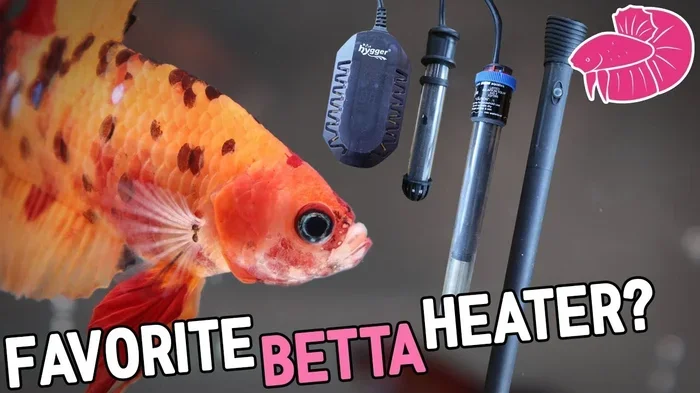
Do betta fish need a heater or filter? Yes, they do. These tropical pets thrive in warm, clean water, and skipping basic equipment can lead to stress, illness, or a shorter life. A gentle heater keeps temperatures stable, while a mild filter maintains water quality without overwhelming your fish. Understanding these needs helps you build a safe, happy home for your betta.
Many new fish keepers ask the same question: do betta fish need a heater or filter to stay healthy? The short answer is yes, but the full picture is a bit more nuanced. Bettas are beautiful, personality-filled pets, and they deserve more than a tiny bowl and a guess. When you understand their natural needs, it becomes much easier to create a setup that keeps them active, colorful, and comfortable.
In this guide, we will walk through why warmth matters, how filtration helps, and what kind of equipment works best for a betta tank. You will also learn how to avoid common mistakes, choose the right gear, and spot signs that your fish may be struggling. Whether you are setting up your first tank or improving an existing one, these practical tips will help you make confident choices.
Key Takeaways
- Stable warmth matters: Bettas are tropical fish that prefer temperatures between 78 and 80 degrees Fahrenheit.
- Clean water is essential: A mild filter helps remove waste and keeps ammonia levels low.
- Avoid strong currents: Bettas prefer calm water, so choose a gentle filter or adjust the flow.
- Heaters prevent temperature swings: Consistent warmth supports immunity, digestion, and overall health.
- Tank size affects equipment needs: Larger tanks hold temperature and water quality better than tiny bowls.
- Regular maintenance still matters: Even with a filter, partial water changes keep the environment safe.
- Watch your fish for signs of stress: Lethargy, clamped fins, or loss of appetite often signal water issues.
📑 Table of Contents
- Do Betta Fish Need a Heater for Stable Warmth
- Do Betta Fish Need a Filter for Clean Water
- Do Bettas Need Both a Heater and a Filter Together
- Choosing the Right Tank Size for Betta Comfort
- Signs Your Betta May Need Better Temperature or Filtration
- Common Mistakes When Setting Up a Betta Tank
- Expert Insights for Healthier Betta Care
- Final Thoughts on Betta Heater and Filter Needs
Do Betta Fish Need a Heater for Stable Warmth
Bettas come from warm tropical waters, so they do best when their aquarium stays consistently warm. If the water gets too cool, their metabolism slows down. That can lead to sluggish behavior, poor digestion, and a weaker immune system. A good heater helps prevent those problems by keeping the temperature steady.
Why Temperature Consistency Matters
Fish do not regulate body temperature the way mammals do. Instead, they rely on the water around them. When the temperature fluctuates a lot, bettas can become stressed. Stress is a silent problem because it often shows up slowly. You might notice your fish hiding more, swimming less, or losing interest in food.
A stable temperature also supports healthy sleep cycles and normal activity. Bettas are not nocturnal, but they do rest. They need a predictable environment so their bodies can follow a natural rhythm. If you want a lively fish that flares, explores, and eats well, consistent warmth is one of the best places to start.
What Temperature Range Works Best
Most bettas thrive in water around 78 to 80 degrees Fahrenheit. Some keepers aim for the lower end of that range, while others prefer the warmer side. The key is stability. A tank that stays at 78 degrees all week is usually better than one that jumps between 74 and 82 degrees.
If you are wondering whether your betta can handle cooler water for short periods, it is still better to avoid repeated dips. Occasional small changes may happen, but long-term comfort comes from a reliable heater and a well-insulated setup. For more guidance on this topic, you can read our article on do betta fish bowls need a heater.
Choosing the Right Heater
Not all heaters are the same, and the best choice depends on your tank size. A small submersible heater often works well for compact tanks, while larger aquariums may need a more powerful unit. Look for a heater with an adjustable thermostat so you can fine-tune the temperature.
Here are a few practical tips when selecting a heater:
- Match the heater to the tank size. Oversized heaters can be harder to manage in tiny setups.
- Use a separate thermometer. Heater dials are not always accurate, so a thermometer helps you verify the real temperature.
- Place the heater where water circulates. This helps spread warmth evenly through the tank.
- Check for cracks or wear. Damaged equipment can fail without warning.
If you are caring for young bettas, temperature stability matters even more. You can learn more in our guide on do baby betta fish need heaters.
Common Heater Mistakes
One common mistake is assuming room temperature is enough. Even if your home feels comfortable, the water in a tank can still drop too low, especially at night or during seasonal changes. Another mistake is placing the tank near a drafty window, vent, or door. Those spots make temperature swings more likely.
Some keepers also set the heater and forget it. That can be risky because equipment can drift over time. A quick weekly check with a thermometer is a simple habit that prevents bigger problems later.
Do Betta Fish Need a Filter for Clean Water
Bettas can survive in unfiltered water for a while, but survival is not the same as thriving. A filter helps keep the water cleaner by moving it through beneficial bacteria and trapping debris. That process supports a healthier environment and reduces the burden of constant water changes.
If you are deciding whether filtration is necessary, it helps to think about waste. Fish produce waste, uneaten food breaks down, and organic matter accumulates over time. Without filtration, those pollutants can build up faster than you might expect. Clean water is one of the easiest ways to support a long, healthy life for your betta.
How Filtration Helps Your Tank
A good filter does more than just move water. It helps maintain a stable biological environment. Beneficial bacteria colonize filter media and break down harmful compounds. That means the filter is not just a cleaning tool; it is part of the tank’s living ecosystem.
Filtration also helps distribute warmth evenly. When water circulates gently, hot and cool spots are less likely to form. That is especially useful if you are using a heater, because steady circulation can improve temperature consistency.
Do Betta Fish Prefer Calm Water Flow
Yes, they usually do. Bettas are not built for strong currents. Their long fins can make swimming in fast water tiring. If the flow is too intense, they may hide, struggle to rest, or spend energy just staying in place. That is why the best filter for a betta tank is one that provides gentle movement rather than a powerful blast.
If you want to understand how filtration fits into betta care, our article on can a betta fish need a filter offers a helpful overview. You may also find it useful to read can you use a filter with betta fish when comparing setup options.
Filter Options That Work Well for Bettas
There are several filter types that can work nicely in a betta tank. The best choice depends on your tank size, your maintenance routine, and how much flow your fish tolerates. Here are some common options:
- Sponge filters: These provide gentle filtration and are often well tolerated by bettas. They also offer surface area for beneficial bacteria.
- Hang-on-back filters: These are easy to maintain and can be adjusted for lower flow. They work well in many small to medium tanks.
- Internal filters: These sit inside the tank and can be useful when space is limited. Flow control is important.
- Canister filters: These are more advanced and usually better for larger tanks. They can offer strong filtration, but flow may need to be tuned down.
If you are unsure whether a particular filter is too powerful, watch your betta closely. If the fish is constantly fighting the current or struggling to swim normally, the flow may be too strong. For more details, see can a filter be too strong for a betta fish.
Maintenance Still Matters With a Filter
A filter is helpful, but it is not a magic fix. You still need regular upkeep. Over time, filter media can clog, and water quality can decline if waste builds up faster than the system can handle. Partial water changes remain an important part of good fish care.
A simple maintenance routine might include:
- Checking the filter flow. Make sure water is moving properly.
- Rinsing media in tank water. This helps preserve beneficial bacteria.
- Replacing cartridges only as needed. Follow the manufacturer’s guidance and watch for clogging.
- Testing water regularly. Basic water tests help you catch problems early.
Many beginners also ask whether a betta can live in a tank without a filter at all. The answer depends on tank size, feeding habits, and how often you change the water. If you want a deeper look at that question, check can betta fish live in a tank without a filter.
Do Bettas Need Both a Heater and a Filter Together
In many setups, the best answer is yes. A heater and a filter work together to create a more stable and cleaner environment. The heater keeps the water in a comfortable range, while the filter helps manage waste and circulation. When both are chosen carefully, they can make your tank easier to maintain and more comfortable for your fish.
How They Support Each Other
Warm water and good circulation often complement each other. A filter can help spread heat more evenly, and a stable temperature can support the biological processes that keep water quality in balance. That does not mean you must buy the most expensive equipment. It means you should think about the tank as a whole system.
If your tank is small, you may need to be extra careful with both temperature and flow. Tiny volumes of water change temperature quickly, and strong filtration can feel overwhelming in a compact space. A gentler setup is often the smarter choice.
When a Simple Setup May Be Enough
Some keepers start with a very basic arrangement and still care for their fish responsibly. For example, a well-maintained, appropriately sized tank with a gentle filter and a reliable heater is usually a strong combination. The goal is not to overload the tank with gadgets. The goal is to meet the fish’s needs in a practical way.
If you are wondering whether a heater is always required, our article on can a betta fish live without a heater can help you think through the tradeoffs.
Choosing the Right Tank Size for Betta Comfort
Equipment matters, but tank size matters too. A larger tank usually holds temperature better and gives waste more room to dilute. That makes the environment more stable and often easier to manage. Very small containers can be challenging because they are more sensitive to changes.
Many bettas do well in a tank that gives them enough space to swim and explore. If you want to know whether a larger setup is better for your fish, see do betta fish like a lot of space. You may also want to read do betta fish like 10 gallon tank when comparing common tank sizes.
Why Space Affects Water Quality
More water usually means more stability. Temperature swings are less dramatic, and pollutants take longer to build up to harmful levels. That does not mean a larger tank is automatically easy, but it often gives you more margin for error. In a small container, even a small mistake can have a bigger impact.
Practical Tank Setup Tips
When setting up a tank, think about more than just the water volume. The layout matters too. Bettas often appreciate places to rest and explore, so adding smooth decorations and live or artificial plants can make the tank more interesting. Just be sure the decor does not create sharp edges or tight spaces that could damage fins.
A few simple setup ideas:
- Use gentle lighting. A consistent day and night cycle helps your fish feel secure.
- Leave open swimming areas. Bettas like some open space along with hiding spots.
- Avoid overcrowding. A betta tank should not be packed with too many items or tank mates.
- Keep the surface accessible. Bettas often use the top of the water and need easy access to air.
Signs Your Betta May Need Better Temperature or Filtration
Even with the right equipment, it helps to watch your fish closely. Bettas often show subtle signs when something in the tank is off. If you learn what to look for, you can make adjustments before small issues become bigger ones.
Behavior Changes to Watch For
A betta that is uncomfortable may become less active, hide more often, or lose interest in food. You might also see clamped fins, dull color, or frequent resting at the bottom. These signs do not always point to one specific problem, but they often suggest the environment needs attention.
If your fish seems stressed, start by checking the basics. Test the temperature, look at the filter flow, and review your feeding and cleaning routine. Sometimes the fix is simple, like adjusting the heater or reducing the current.
Water Quality Clues
Cloudy water, unusual odor, or a lot of debris can all point to filtration or maintenance issues. Clear water is not a guarantee of perfect conditions, but it is a helpful visual cue. Regular testing gives you a clearer picture than sight alone.
If you are trying to decide whether filtration is necessary in your setup, you may also find can you keep betta fish without a filter useful. For a broader look at filtered tanks, see do betta fish have to be in a filtered tank.
Quick Troubleshooting Checklist
- Check the temperature first. Make sure it is steady and within a comfortable range.
- Observe the current. Reduce flow if your betta looks tired from swimming.
- Review feeding amounts. Overfeeding can foul the water quickly.
- Schedule water changes. Consistent partial changes help keep conditions stable.
- Inspect equipment. Heaters and filters can wear out or stop working properly.
Common Mistakes When Setting Up a Betta Tank
A lot of betta care mistakes come from good intentions. People want to keep things simple, but simplicity can sometimes lead to poor conditions. The good news is that most of these mistakes are easy to avoid once you know what to watch for.
Mistake 1: Relying on Room Temperature Alone
Room temperature can change a lot during the day and across seasons. That makes it an unreliable choice for a tropical fish. A heater gives you more control and helps keep your betta comfortable.
Mistake 2: Using a Filter That Is Too Strong
Powerful flow can make a betta tank feel like a treadmill. If your fish is struggling against the current, the setup may need adjustment. Gentle filtration is usually a better match.
Mistake 3: Skipping Water Testing
Water can look fine while still having problems. Testing helps you catch issues with ammonia, nitrite, nitrate, and other parameters before they affect your fish.
Mistake 4: Overfeeding
Bettas do not need large meals. Too much food adds waste and can degrade water quality. Small, regular feedings are usually a better approach.
Mistake 5: Ignoring Tank Size
A tiny setup may look cute, but it can be harder to keep stable. A larger tank often gives you a more forgiving environment and better long-term results.
Expert Insights for Healthier Betta Care
Experienced keepers often say the best betta setup is the one you can maintain consistently. That means choosing equipment you understand, keeping a simple routine, and paying attention to your fish’s behavior. A heater and a filter are not just accessories. They are tools that help you create a stable home.
One helpful mindset is to think about balance. You want warmth without overheating, filtration without harsh currents, and decoration without clutter. When those pieces work together, your betta is more likely to stay active, eat well, and show off its natural personality.
It also helps to remember that every betta is a little different. Some are bold and energetic. Others are more reserved. Watching your individual fish is one of the best ways to learn what works in your tank.
Final Thoughts on Betta Heater and Filter Needs
So, do betta fish need a heater or filter? In most cases, yes. A heater helps maintain the warm, steady temperatures that bettas prefer, while a filter supports cleaner water and a healthier environment. Together, they make it easier to care for a fish that depends on you for stability and comfort.
The best setup is one that fits your tank, matches your maintenance routine, and keeps your betta calm and healthy. Start with the basics, watch your fish closely, and make small adjustments as needed. With a little attention, your betta can enjoy a safe and lively home for a long time.
Frequently Asked Questions
Do betta fish really need a heater?
Yes, bettas are tropical fish that prefer warm, stable water. A heater helps keep the temperature in a comfortable range and supports healthy activity and immunity.
Can a betta fish live without a filter?
A betta may survive without a filter for a while, but water quality usually becomes harder to manage. A gentle filter makes maintenance easier and helps keep the environment cleaner.
What temperature is best for a betta fish?
Most bettas do well in water around 78 to 80 degrees Fahrenheit. The most important thing is consistency, since sudden temperature changes can cause stress.
Is a strong filter bad for betta fish?
It can be, because bettas prefer calm water and may struggle against heavy flow. A gentle filter or adjustable flow is usually a better choice for their comfort.
Do betta fish need both a heater and a filter?
Many tanks work best with both, since warmth and clean water support each other. A heater stabilizes temperature, while a filter helps manage waste and circulation.
How often should I change the water in a betta tank?
Regular partial water changes are usually best, but the exact schedule depends on tank size, filtration, and feeding habits. Testing the water and watching for waste buildup can help you decide what your tank needs.