Why Does My Betta Fish Keep Going Up for Air
Betta fish often surface for air because they need oxygen, but frequent trips can signal water problems, health issues, or tank setup errors. Check water quality, temperature, and flow, and make simple adjustments to help your finned friend stay comfortable.
Key Takeaways
- Surface breathing is normal: Betta’s labyrinth organ lets them gulp air, but over‑breathing means something’s off.
- Water quality matters most: High ammonia, nitrite, or low dissolved oxygen will force your betta to the surface.
- Temperature & flow: Water that’s too warm or stagnant reduces oxygen, prompting more trips up.
- Health signals: Disease, parasites, or gill damage can make breathing harder.
- Tank setup fixes: Proper filtration, live plants, and a gentle surface agitator often solve the problem.
- Observe behavior: Pair surface trips with other signs—bloating, faded colors, or erratic swimming—to pinpoint the cause.
- Regular maintenance: Weekly water changes and testing keep the environment stable and your betta happy.
📑 Table of Contents
Introduction
Ever watched your betta dart to the top of the tank, pause, and gulp a bubble of air? It can feel a bit unsettling, especially if it happens over and over. The good news is that this behavior is often a clue—not a mystery. By understanding why bettas surface, you can quickly spot water issues, health problems, or simple set‑up tweaks that will keep your fish thriving.
In this guide we’ll break down the most common reasons your betta keeps going up for air, show you how to test and fix each issue, and share practical tips you can start using today. Think of it as a friendly chat over a cup of tea, with plenty of easy‑to‑follow steps.
1. The Betta’s Natural Breathing Ability
How the labyrinth organ works
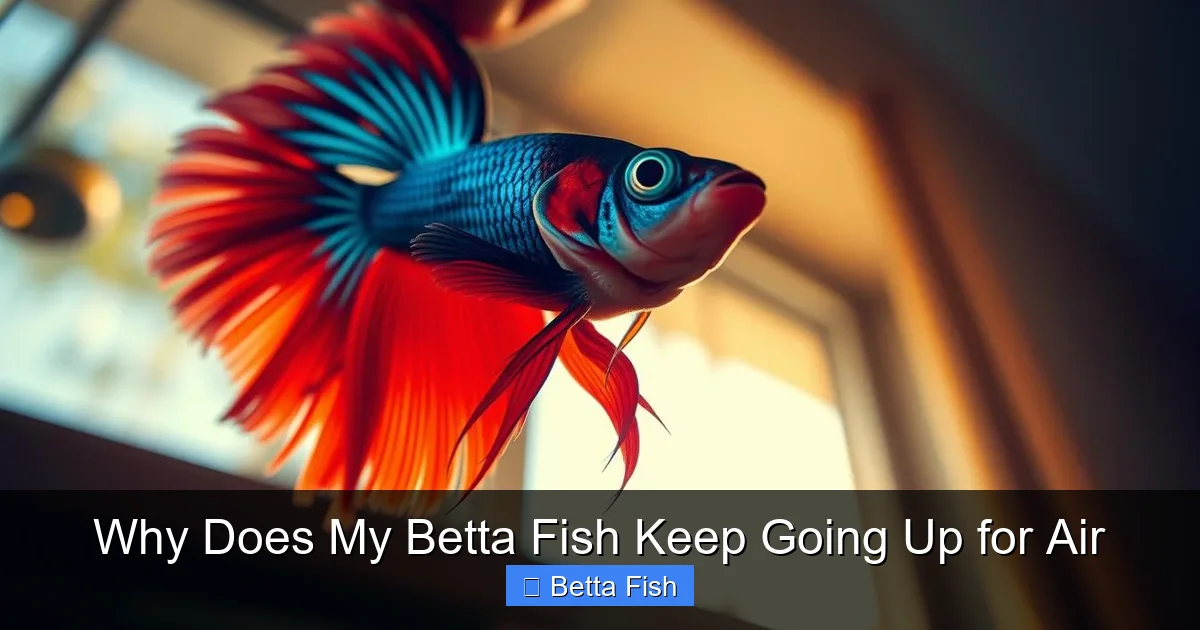
Betta fish belong to the “labyrinth” family, which means they have a special organ above the gills that extracts oxygen from air. This adaptation lets them survive in shallow, low‑oxygen waters in the wild. In a well‑maintained aquarium, they still use the organ, but they rely mostly on dissolved oxygen in the water.
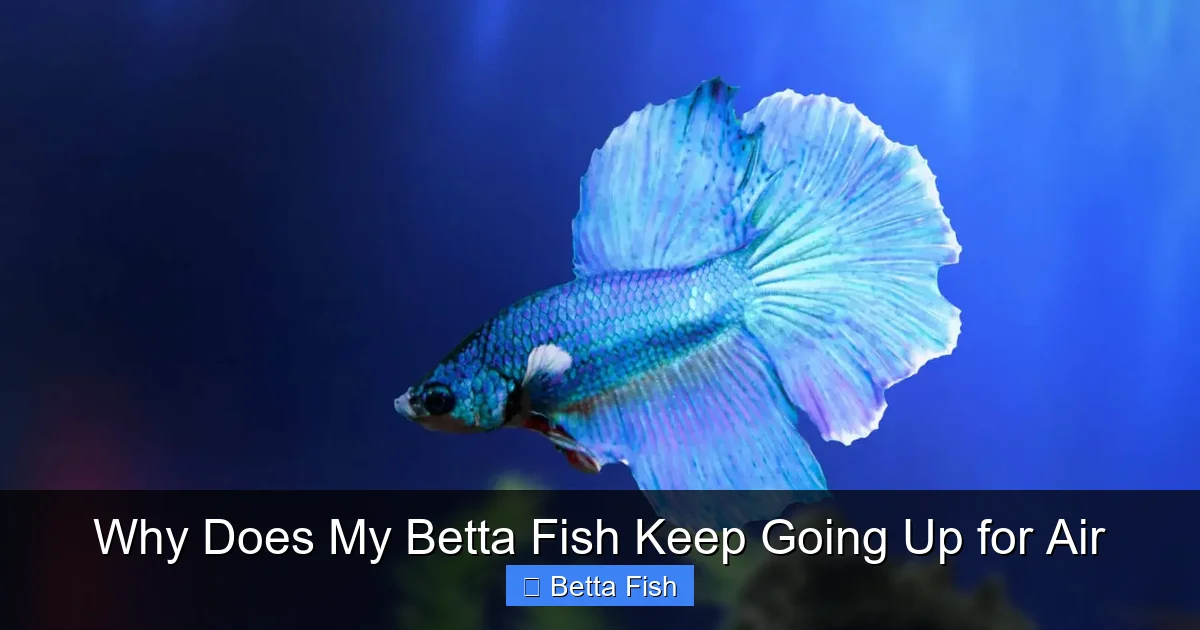
Visual guide about Why Does My Betta Fish Keep Going Up for Air
Image source: bettasource.com
Why occasional surface trips are normal
Seeing a betta take a quick “air‑kiss” a few times a day is perfectly normal. It’s their way of topping off oxygen stores, especially after a meal or a burst of activity. Problems arise when the fish is constantly surfacing, lingering at the top, or appears stressed while doing so.
2. Water Quality – The Most Common Culprit
Ammonia, nitrite, and nitrate spikes
Even a small rise in ammonia or nitrite can make water toxic and reduce the amount of oxygen fish can extract. Test kits are cheap and easy to use. If you read a yellow or red warning, perform a partial water change (25‑30%) and check your filter.
Visual guide about Why Does My Betta Fish Keep Going Up for Air
Image source: i.ytimg.com
Low dissolved oxygen (DO)
Warm water holds less oxygen. If your tank is above 78°F (25.5°C) without good surface agitation, the betta will seek air. Adding a gentle air stone or a small powerhead creates tiny ripples that dramatically increase DO.
pH and hardness
Betta fish prefer a stable pH between 6.5 and 7.5. Sudden shifts can stress gills, making breathing harder. Use a reliable test strip and adjust slowly with a pH‑adjuster if needed.
3. Temperature & Flow Issues
Over‑heating
Temperatures above 82°F (28°C) not only stress bettas but also lower oxygen levels. Use an aquarium thermometer and a reliable heater. If the water feels warm to the touch, lower the heater by 1‑2°F and monitor.
Stagnant water
Betta tanks are often small and lack strong currents. While bettas don’t need a heavy flow, a gentle surface stir prevents a “dead zone” where oxygen can’t reach the top. A small, adjustable air pump works wonders without overwhelming the fish.
4. Health Concerns That Increase Air‑Gulping
Gill disease and parasites
Infected or inflamed gills make it harder for the fish to extract oxygen from water, forcing more air trips. Look for white or reddened patches on the gills, frayed fins, or excessive mucus.
Swim bladder issues
A compromised swim bladder can cause a fish to float near the surface and gulp air to stay upright. If you notice your betta floating sideways or upside‑down, it may be a bladder problem.
Internal infections
Bacterial or fungal infections can reduce overall vitality, making breathing feel like a chore. Other signs include loss of color, loss of appetite, and lethargy.
5. Tank Setup Mistakes to Avoid
Too small a tank
Betas are often kept in 2‑gallon bowls, but a 5‑gallon tank provides a more stable environment and better oxygen diffusion. Check out our guide on how to set up a tank for a betta fish for detailed recommendations.
Missing live plants
Plants act like natural air pumps, releasing oxygen during photosynthesis. Adding hardy plants like Java fern or Anubias can improve water quality and reduce surface breathing.
Improper filtration
Even a small sponge filter can keep water clear and oxygenated. Make sure the filter’s flow isn’t too strong; bettas prefer a gentle current.
6. Practical Steps to Reduce Excessive Surface Breathing
Step‑by‑step water test and change
- Test ammonia, nitrite, nitrate, pH, and temperature.
- If any parameter is out of range, perform a 25‑30% water change with dechlorinated water matching tank temperature.
- Retest after the change; repeat until values are stable.
Boost oxygen without a big pump
- Place a small air stone near the surface and run it for 2‑3 hours a day.
- Turn the heater off for a short period (5‑10 minutes) each week to create a tiny temperature drop that encourages surface agitation.
- Introduce floating live plants or a piece of driftwood that creates gentle water movement.
Monitor health daily
Spend a few minutes each day watching your betta. Note any changes in color, fin condition, or swimming style. If you see signs of disease, isolate the fish in a hospital tank and treat with appropriate medication.
Conclusion
Seeing your betta repeatedly rise for air is a clear signal that something in its environment needs attention. By checking water quality, temperature, and flow, and by keeping an eye on health, you can quickly turn those frantic surface trips into occasional, normal breaths. Remember, a well‑maintained tank is the best gift you can give your betta—a stable home where it can showcase its brilliant colors and playful personality without the need for constant air‑guzzling.
Take one step today: test your water. In most cases, a simple water change or a gentle air stone will make a world of difference. Your betta will thank you with calmer swims and fewer frantic trips to the surface.
Frequently Asked Questions
Why does my betta fish keep going up for air?
Betta fish surface to gulp air because their labyrinth organ lets them breathe atmospheric oxygen. Frequent trips usually mean low dissolved oxygen, poor water quality, or a health issue.
Can I use an air pump with a betta?
Yes. A small, adjustable air pump with a gentle stone can improve surface oxygen without creating a strong current that stresses the fish. See our article does a betta fish need an air pump for more details.
Is it normal for bettas to make bubbles?
Betas often create bubbles as part of bubble‑nest building or simply to regulate buoyancy. If you notice excessive bubbling, check water conditions. Learn more at why does my betta fish make bubbles.
My betta looks bloated and keeps surfacing—what’s wrong?
Bloating can be a sign of constipation, infection, or poor water quality, all of which make breathing harder. Perform a water change and consider a gentle fasting regimen. Read why does my betta fish look bloated for guidance.
How often should I change the water to prevent surface breathing?
Change 25‑30% of the water weekly, or perform a 50% change if you detect high ammonia or nitrite. Regular changes keep oxygen levels high and toxins low.
What temperature is safest for a betta?
Keep the water between 76°F and 80°F (24‑27°C). Temperatures above 82°F reduce dissolved oxygen and can stress the fish, leading to more frequent trips to the surface.