How Long Do Female Bettas Fish Hold Their Eggs
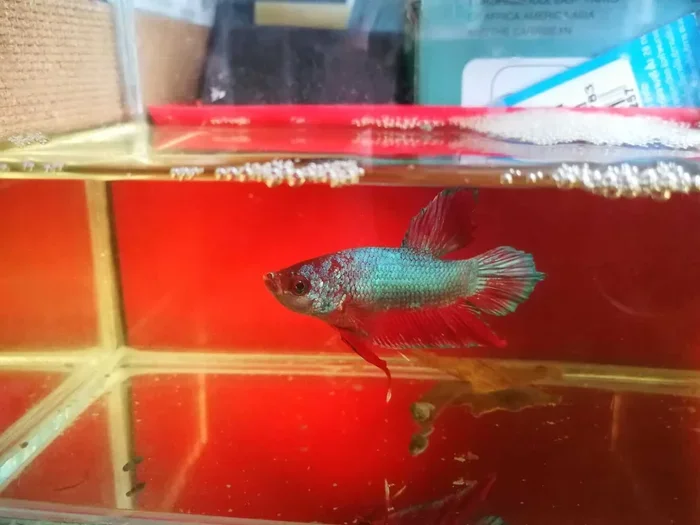
So, how long do female bettas fish hold their eggs? A female betta can carry eggs inside her for 1 to 2 weeks before releasing them during spawning. The exact time depends on factors like tank conditions, water temperature, and the fish’s overall health. Understanding this process helps you care for your betta better and spot potential problems early.
If you own a female betta fish, you might have noticed some changes in her behavior. Maybe she looks rounder near the belly. Or perhaps she seems more reclusive than usual. These could be signs that your betta is carrying eggs. And if you are wondering how long do female bettas fish hold their eggs, you are not alone. This is one of the most common questions among betta fish owners, especially those new to breeding or caring for female bettas.
The answer is not as simple as a single number. Female bettas hold their eggs for different lengths of time depending on several factors. These include water temperature, tank conditions, diet, and the fish’s age and health. In most cases, a female betta carries her eggs for about 1 to 2 weeks before releasing them during the spawning process. But there is much more to understand about this fascinating part of betta fish biology.
In this guide, we will walk you through everything you need to know. From the early signs of egg development to what happens after the eggs are released, we have you covered. You will learn how to support your female betta during this time and avoid common mistakes that new fish owners make. Let us dive right in.
Key Takeaways
- Egg carrying duration: Female bettas typically hold eggs for 1 to 2 weeks before spawning.
- Health matters: A well-fed, stress-free female will carry and release eggs more successfully.
- Tank conditions are critical: Proper temperature, clean water, and a male bubble nest encourage healthy egg release.
- Egg count varies: A single spawning can produce 10 to 500 eggs depending on the fish’s age and health.
- Watch for warning signs: Loss of appetite, bloating, or lethargy may signal egg retention problems.
- Not all eggs get fertilized: Unfertilized eggs are often eaten by the female or removed during tank maintenance.
- Female bettas can lay eggs without a male: But those eggs will not be fertilized and will not hatch.
📑 Table of Contents
- Understanding the Betta Fish Egg Development Process
- How Long Do Female Bettas Fish Hold Their Eggs?
- The Spawning Process: From Egg Holding to Release
- Caring for Your Female Betta During Egg Development
- Common Mistakes to Avoid When Your Female Betta Is Carrying Eggs
- What Happens After the Eggs Are Released?
- Key Takeaways
Understanding the Betta Fish Egg Development Process
Before we talk about timing, it helps to understand what is actually happening inside your female betta. The egg development process is fascinating and closely tied to the fish’s natural breeding instincts.
How Eggs Form Inside a Female Betta
Female bettas have a small organ called an ovary where eggs develop. When the conditions are right, the ovaries begin producing eggs. These eggs then move into the oviduct, a tube-like structure where they mature. During this time, the female’s belly may appear slightly swollen. This is sometimes called being “gravid,” which simply means she is carrying eggs.
The entire process of egg formation and maturation takes time. It is not something that happens overnight. A healthy female betta needs proper nutrition and good water conditions to produce quality eggs. If the tank environment is stressful or the water is dirty, egg development can slow down or stop altogether.
Signs Your Female Betta Is Carrying Eggs
How can you tell if your female betta is holding eggs? Look for these common signs:
- Rounder, swollen belly: The belly may look slightly larger than usual, especially near the rear.
- White spot on the belly: Some females develop a small white dot called the ovipositor, where eggs will exit.
- Changes in behavior: She may become more territorial or hide more often.
- Increased appetite: Some females eat more when carrying eggs, while others eat less.
- Vertical stripes: Breeding bars, which are dark vertical lines on the body, can appear when a female is ready to spawn.
Not every female will show all of these signs. And some signs, like the ovipositor, can be hard to spot with the naked eye. The best approach is to observe your fish daily and get to know her normal behavior.
How Long Do Female Bettas Fish Hold Their Eggs?
This is the big question, and the answer depends on several factors. Let us break it down.
The Typical Timeframe
In most cases, a healthy female betta holds her eggs for 1 to 2 weeks. During this time, the eggs develop inside her oviduct. When she is ready to spawn, she will release the eggs, usually in the presence of a male betta who has built a bubble nest.
The exact duration can vary. Some females release eggs after just a few days, while others take closer to two weeks. There is no single “normal” timeframe that applies to every fish. Instead, it depends on the individual fish and her environment.
Factors That Affect How Long Eggs Are Held
Several key factors influence how long a female betta holds her eggs:
- Water temperature: Warmer water (around 78-80°F) can speed up egg development. Cooler water may slow it down.
- Tank conditions: Clean, well-maintained tanks with stable parameters support healthy egg development.
- Diet and nutrition: A protein-rich diet helps the female produce healthy eggs and carry them properly.
- Age and size of the fish: Younger, healthier females tend to have smoother spawning cycles.
- Presence of a male: A male betta with an active bubble nest can trigger the female to release her eggs sooner.
- Stress levels: High stress can delay or even prevent egg release entirely.
If you want to support your female betta during this time, focus on keeping the tank clean and stable. Feed her high-quality food and avoid sudden changes in the tank environment. For more on how tank size affects betta health, check out our guide on how long betta fish live in a 5 gallon tank.
What Happens If Eggs Are Held Too Long?
Sometimes a female betta may hold her eggs longer than expected. This is called egg retention, and it can be a sign of a problem. If eggs stay inside the female for too long, they may start to deteriorate. This can lead to health issues for the fish, including infection or bloating.
Common causes of prolonged egg retention include:
- Poor water quality
- Low water temperature
- Lack of a male or bubble nest to trigger spawning
- Nutritional deficiencies
- Underlying health issues
If you notice your female betta is swollen for an extended period and showing signs of distress, it is a good idea to consult with a vet who specializes in fish health. Early intervention can make a big difference.
The Spawning Process: From Egg Holding to Release
Once the eggs are fully developed, the female is ready to spawn. This is the exciting part of the betta breeding process. But it is also a delicate time that requires careful attention.
How Spawning Works
Spawning typically happens when a male and female betta are introduced to the same tank. The male has usually already built a bubble nest at the surface of the water. When the female is ready, she will approach the nest and release her eggs. The male then fertilizes them externally and places them gently into the bubble nest.
The entire spawning process can take anywhere from a few hours to a full day. After spawning, it is important to remove the female from the tank. The male will guard the eggs and the nest, and he may become aggressive toward the female if she stays too long.
For more details on the breeding process, our article on do betta fish lay eggs or have live birth covers this topic in depth.
How Many Eggs Does a Female Betta Lay?
The number of eggs a female betta releases during spawning can vary widely. On average, a healthy female will lay between 30 and 100 eggs per spawning session. However, some females can lay up to 500 eggs in a single batch.
The number depends on several factors:
- The age and size of the female
- Her overall health and nutrition
- Water conditions and temperature
- Whether it is her first spawn or a repeat
For a complete breakdown of egg counts and what they mean, read our guide on how many eggs do betta fish lay. Understanding egg numbers helps you set realistic expectations and plan for proper care.
Caring for Your Female Betta During Egg Development
Whether you plan to breed your bettas or simply want to keep your female healthy during her egg cycle, proper care is essential. Here are some practical tips to follow.
Optimal Tank Conditions
Keep the tank water between 78°F and 80°F for the best results. Use a reliable heater and thermometer to maintain stable temperatures. Clean water is equally important. Perform regular water changes (about 25% every week) and keep the filter running smoothly.
Good water parameters for a female carrying eggs include:
- pH level: 6.5 to 7.5
- Ammonia: 0 ppm
- Nitrite: 0 ppm
- Nitrate: Below 20 ppm
Stable water conditions reduce stress and support healthy egg development. If you are curious about how long bettas can thrive in different setups, our article on how long do betta fish live in a tank provides helpful insights.
Diet and Nutrition
A female betta carrying eggs needs extra protein and nutrients. Feed her a varied diet that includes:
- High-quality betta pellets
- Frozen or live brine shrimp
- Bloodworms (in moderation)
- Daphnia as a natural supplement
Feed her small amounts 2 to 3 times a day. Overfeeding can lead to bloating and other health issues, which can complicate the egg development process.
Stress Reduction Tips
A stressed female betta may delay spawning or experience health problems. To keep stress levels low:
- Avoid sudden changes in lighting or tank decor
- Keep the tank in a quiet area away from loud noises
- Do not house her with aggressive tank mates
- Provide plenty of hiding spots with plants or caves
- Keep the water flow gentle
A calm, comfortable environment goes a long way in supporting healthy egg development and a smooth spawning process.
Common Mistakes to Avoid When Your Female Betta Is Carrying Eggs
Even experienced fish owners can make mistakes when a female betta is carrying eggs. Here are some common errors to avoid.
Ignoring Water Quality
Dirty water is the number one enemy of healthy egg development. Skipping water changes or neglecting the filter can lead to ammonia spikes. These spikes can harm the female and her developing eggs. Test your water regularly and stay on top of maintenance.
Overfeeding During Egg Development
It is tempting to feed your betta extra food during this time. But overfeeding causes constipation and bloating, which can mimic or worsen egg retention issues. Stick to a consistent feeding schedule and offer quality food in appropriate amounts.
Keeping the Female With the Male Too Long
Some owners leave the female in the tank with the male after spawning. This can be dangerous. The male may become aggressive and even attack the female. Always remove the female once spawning is complete.
Panicking Over Normal Behavior Changes
It is normal for a female carrying eggs to eat less or hide more. Do not panic if she seems less active than usual. Give her space, maintain good conditions, and let nature take its course.
Forcing Spawning
Some owners try to speed up the process by changing water temperatures abruptly or introducing the male too early. This can stress both fish and lead to failed spawning. Patience is key. Let the fish follow their natural instincts.
If you are concerned about what happens after the eggs are laid, you might wonder whether female bettas face health risks. Our article on do betta fish die after they lay eggs addresses this topic thoroughly and offers practical advice for post-spawning care.
What Happens After the Eggs Are Released?
Once the female releases her eggs, the male takes over. He carefully collects any eggs that fall and places them in the bubble nest. The nest protects the eggs and keeps them at the water’s surface, where oxygen levels are higher.
The eggs typically hatch within 24 to 48 hours after being placed in the nest. The male will guard the nest aggressively during this time. He may even eat eggs that are not viable, which is a natural part of the process.
After hatching, the baby bettas (called fry) will stay in the nest for another day or two before dropping down. At that point, they are free-swimming and will start looking for tiny food like infusoria or baby brine shrimp.
It is worth noting that not all eggs will be fertilized. Unfertilized eggs will turn white and may be eaten by the male or the female. This is completely normal and does not indicate a problem.
Key Takeaways
- Egg carrying duration: Female bettas hold eggs for 1 to 2 weeks before spawning.
- Health matters: A well-fed, stress-free female will carry and release eggs more successfully.
- Tank conditions are critical: Proper temperature, clean water, and a male bubble nest encourage healthy egg release.
- Egg count varies: A single spawning can produce 30 to 500 eggs depending on the fish’s age and health.
- Watch for warning signs: Loss of appetite, bloating, or lethargy may signal egg retention problems.
- Not all eggs get fertilized: Unfertilized eggs are often eaten by the fish or removed naturally.
- Female bettas can lay eggs without a male: But those eggs will not be fertilized and will not hatch.
Frequently Asked Questions
How long can a female betta fish hold eggs before releasing them?
Most female bettas hold their eggs for 1 to 2 weeks. The exact time depends on water temperature, tank conditions, and the fish’s overall health. If conditions are not ideal, the process may take a bit longer.
Can a female betta fish die from holding eggs too long?
While it is rare, prolonged egg retention can lead to serious health issues. If eggs remain inside the female for too long, they can cause bloating, infection, or internal damage. Maintaining proper tank conditions helps prevent this.
Do female betta fish lay eggs without a male present?
Yes, a female betta can release eggs without a male. However, those eggs will not be fertilized and will not hatch. The female may eat the unfertilized eggs or they may dissolve in the water.
How can I tell if my female betta’s eggs are healthy?
Healthy betta eggs are small, translucent, and slightly oval-shaped. They should appear clear or lightly colored. If the eggs turn white or develop a fuzzy texture, they may not be viable. For more on egg appearance, check out our guide on do betta fish eggs look like bubbles.
What should I do if my female betta is not releasing her eggs?
First, check your water parameters and temperature. Make sure the tank is clean and stable. If the female has been holding eggs for more than two weeks, consider introducing a male with a bubble nest. If the problem persists, consult a fish health specialist.
How often can a female betta fish carry and release eggs?
A healthy female betta can go through spawning cycles roughly every 2 to 4 weeks, provided she is well-fed and kept in optimal conditions. However, frequent breeding can stress the fish, so it is best to allow adequate rest between cycles.
=== CONCLUSION ===
So, how long do female bettas fish hold their eggs? The answer is typically 1 to 2 weeks, but many factors can influence this timeline. From water temperature to diet, tank conditions to the presence of a male, every element plays a role in the egg development and spawning process.
The most important thing you can do as a betta fish owner is to provide a clean, stable, and stress-free environment. Feed your female well, keep the water parameters in check, and watch for signs of egg development. With proper care, your female betta will go through her natural egg cycle smoothly and healthily.
Understanding how long do female bettas fish hold their eggs is just one piece of the puzzle. The more you know about your fish’s biology and behavior, the better equipped you are to give her a happy, healthy life. Keep learning, keep observing, and most importantly, enjoy the journey of being a betta fish owner.