How to Best Care for a Betta Fish

Learning how to best care for a betta fish is easier than most people think. This guide covers everything you need, from setting up the right tank and maintaining clean water to feeding a balanced diet and spotting early signs of illness. With the right knowledge and a little effort, your betta can thrive for years.
Owning a betta fish is one of the most rewarding experiences for any pet lover. These beautiful creatures bring color and life into any room. But did you know that how to best care for a betta fish goes far beyond just dropping them in a bowl? Many new betta owners make simple mistakes that can shorten their fish’s life. The good news is that with the right approach, you can give your betta a long, healthy, and happy life.
Betta fish, also known as Siamese fighting fish, are more sensitive than they look. They need clean water, proper warmth, and a thoughtful setup. This guide breaks down every aspect of betta fish care into easy-to-follow steps. Whether you are a complete beginner or looking to improve your current setup, you will find practical advice here. Let us dive in and make sure your betta thrives.
Key Takeaways
- Proper Tank Setup: A minimum 5-gallon tank with a heater and filter creates the ideal environment for your betta.
- Water Quality Matters: Regular water changes and proper conditioning keep your betta healthy and stress-free.
- Balanced Diet: Feeding high-quality betta food in small amounts prevents overfeeding and keeps your fish vibrant.
- Monitor Temperature: Keeping water between 76-82°F supports your betta’s immune system and overall well-being.
- Watch for Illness: Early detection of common betta health issues leads to faster treatment and better outcomes.
📑 Table of Contents
- Understanding Your Betta Fish
- Setting Up the Perfect Betta Tank
- Maintaining Water Quality
- Feeding Your Betta Fish the Right Way
- Preventing and Treating Common Illnesses
- Creating a Beautiful and Healthy Environment
- Quick Tips for a Healthy Betta
- Common Mistakes to Avoid
- Final Thoughts on Betta Fish Care
Understanding Your Betta Fish
Before you set up a tank, it helps to understand what makes bettas unique. These fish originate from the warm, slow-moving waters of Southeast Asia. They have a special organ called a labyrinth that lets them breathe air from the surface. This is why you often see them gulping at the top of the water.
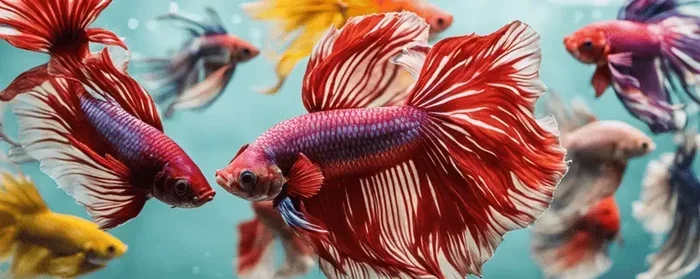
Bettas are also known for their long, flowing fins and brilliant colors. Each fish has its own personality. Some are curious and active, while others are more relaxed and shy. Understanding your betta’s natural behavior helps you create a home that feels safe and comfortable for them.
How Long Do Betta Fish Live?
With proper care, a betta fish can live between three and five years. Some lucky owners report their bettas living up to seven years. The key factor is the environment you provide. A well-maintained tank with clean water and a good diet makes a huge difference. Learning how to best care for a betta fish from day one sets the foundation for a long life.
Setting Up the Perfect Betta Tank
The tank you choose is the most important decision you will make. Many people think bettas can live in tiny bowls, but this is a myth. Bettas need space to swim and explore. A cramped environment leads to stress, which weakens their immune system and makes them prone to illness.
Choosing the Right Tank Size
A minimum tank size of 5 gallons is recommended for a single betta. This gives your fish enough room to move around comfortably. Larger tanks, such as 10 gallons, are even better. They are easier to maintain because water parameters stay more stable. A bigger tank also allows you to add gentle plants and decorations that mimic your betta’s natural habitat.
If you are new to fishkeeping, consider checking out How To Set Up A Fish Tank For Betta Fish for a step-by-step walkthrough. It covers everything from selecting the right tank to choosing the best decorations.
Essential Equipment for Your Betta Tank
Your betta tank needs a few key pieces of equipment to stay healthy. A gentle filter is essential because bettas dislike strong currents. Sponge filters work great because they provide filtration without creating too much flow. A heater is equally important. Bettas are tropical fish and need warm water to stay healthy.
Here is a quick list of what you will need:
- A 5-gallon or larger tank
- A gentle sponge filter
- A submersible aquarium heater
- A thermometer to monitor temperature
- A water conditioner to remove chlorine
- A soft net for handling your fish
Maintaining Water Quality
Clean water is the single most important part of betta fish care. Poor water quality is the leading cause of illness in aquarium fish. Bettas are sensitive to ammonia, nitrite, and nitrate buildup. Keeping your water fresh and safe should be a top priority.
How Often Should You Change the Water?
For a 5-gallon tank, you should perform a 25-30% water change every week. This removes waste buildup and keeps harmful chemicals at bay. During each water change, use a gravel vacuum to clean the substrate. This gets rid of leftover food and debris that can pollute the water.
If you are unsure about the process, How To Do A Water Change For Betta Fish offers detailed instructions that make the process simple and stress-free for both you and your fish.
Using Tap Water Safely
Tap water contains chlorine and chloramine, which are harmful to bettas. Always use a water conditioner before adding new water to the tank. Water conditioners neutralize these chemicals instantly. They also help remove heavy metals that can stress your fish.
Let the tap water sit out for a few hours before adding conditioner if possible. This allows some gases to dissipate. But a good water conditioner works fast and makes this step less critical. Always test your water parameters regularly using an aquarium test kit.
Ideal Water Parameters for Betta Fish
Bettas thrive in specific water conditions. Keeping these parameters stable will help your fish stay healthy and colorful.
| Parameter | Ideal Range |
|---|---|
| Temperature | 76-82°F (24-28°C) |
| pH Level | 6.5-7.5 |
| Ammonia | 0 ppm |
| Nitrite | 0 ppm |
| Nitrate | Under 20 ppm |
Temperature is especially important. Bettas are tropical fish and need warm water. Cold water slows their metabolism and makes them sluggish. If you want to learn more about the ideal temperature range, check out What Is The Best Temperature For A Betta Fish Tank for in-depth guidance.
Feeding Your Betta Fish the Right Way
Feeding your betta properly is one of the most overlooked parts of how to best care for a betta fish. Many owners overfeed their fish, which leads to health problems and dirty water. Bettas are carnivores by nature. They need a protein-rich diet to stay healthy and maintain their vibrant colors.
What Should You Feed Your Betta?
The best betta fish food includes high-quality pellets specifically formulated for bettas. Look for pellets where the first ingredient is whole fish or fish meal. You can also supplement their diet with frozen or live foods like brine shrimp and bloodworms. These make excellent treats and add variety to their meals.
Avoid feeding your betta flakes designed for tropical community fish. These lack the protein content bettas need. They also tend to fall apart quickly and cloud the water.
How Often and How Much to Feed
Feed your betta two small meals per day. Each meal should be about the size of their eye. This is roughly two to three pellets per feeding. Some owners prefer a fasting day once a week, which helps prevent constipation and bloating. Overfeeding is one of the most common mistakes new betta owners make. Uneaten food decays quickly and pollutes the water.
Watch your betta during feeding time. A healthy betta will eat eagerly and have a good appetite. If your fish refuses food for more than two days, this could be a sign of illness or stress. Pay attention to changes in eating habits, as they are often the first clue that something is wrong.
Preventing and Treating Common Illnesses
Even with the best care, bettas can sometimes get sick. Knowing the signs of common illnesses helps you act fast. Early treatment often makes the difference between a quick recovery and a serious health decline.
Signs Your Betta Fish Is Sick
Watch for these warning signs that your betta may be unwell:
- Clamped fins held close to the body
- Loss of color or faded appearance
- Refusing food for more than two days
- Labored breathing or gasping at the surface
- White spots on the body or fins (ich)
- Bulging eyes or swollen body
- Lethargy and hiding in corners
Common Betta Fish Illnesses
The most common illnesses include ich, fin rot, and velvet disease. Ich shows up as white salt-like spots on the body. Fin rot causes the edges of the fins to look ragged and discolored. Velvet disease appears as a gold or rust-colored dusting on the scales. Each of these conditions has specific treatments, but they all share one common trigger: poor water quality.
If your betta shows signs of illness, the first step is to check your water parameters. Often, a water change and improved conditions are enough to help your fish recover. For more serious cases, medicated treatments may be necessary. If your betta is showing signs of stress or illness, How To Care For Sick Betta Fish provides detailed advice on identifying and treating common betta diseases.
Reducing Stress in Your Betta
Stress weakens a betta’s immune system and makes them vulnerable to disease. Keep stress levels low by maintaining a consistent routine. Avoid sudden changes in water temperature or lighting. Place the tank in a quiet area away from loud noises and direct sunlight. Also, be mindful of tank mates. Bettas are not always compatible with other fish, and aggressive tank mates can cause chronic stress.
Creating a Beautiful and Healthy Environment
A well-decorated tank does more than look pretty. It gives your betta a sense of security and encourages natural behavior. Bettas love to explore and hide, so providing the right environment makes a big difference in their overall happiness.
Best Plants and Decorations for Betta Tanks
Live plants are excellent for betta tanks. They help filter the water naturally and provide hiding spots. Java fern, anubias, and Amazon sword plants are all great choices because they are hardy and low-maintenance. If you prefer artificial plants, choose soft silk varieties. Rough plastic plants can tear delicate betta fins.
Add caves, driftwood, and gentle decorations to create a stimulating environment. Bettas enjoy having places to explore and rest. Just make sure all decorations have smooth edges to protect your fish’s fins.
Lighting for Your Betta Tank
Bettas do not need intense lighting. In fact, too-bright lights can stress them out. A standard aquarium LED light on a timer works perfectly. Aim for 8 to 10 hours of light per day. This mimics their natural day-night cycle and keeps your betta on a healthy routine. Consistent lighting also helps live plants grow and keeps algae under control.
Quick Tips for a Healthy Betta
Here are some fast tips to keep in mind every day:
- Always wash your hands before touching tank water or equipment.
- Never use soap or chemicals near your aquarium.
- Observe your betta daily for any changes in behavior or appearance.
- Keep the tank lid secure. Bettas are jumpers and can escape.
- Avoid placing the tank near drafts or heating vents.
- Quarantine new fish before adding them to your betta’s tank.
- Clean the glass regularly to maintain visibility and light penetration.
Following these simple habits will go a long way toward keeping your betta healthy and vibrant. The more consistent you are with your care routine, the easier it becomes. Soon, maintaining your betta tank will feel like second nature.
Common Mistakes to Avoid
Even well-meaning owners sometimes make mistakes that harm their bettas. Here are the most common ones to watch out for:
- Keeping your betta in a bowl smaller than 5 gallons. This limits movement and makes water quality hard to maintain.
- Skipping the heater. Room temperature water is almost always too cold for a betta.
- Overfeeding. Excess food decays quickly and spikes ammonia levels.
- Using untreated tap water. Chlorine and chloramine are toxic to bettas.
- Adding too many tank mates. Bettas need their own space and can be territorial.
- Neglecting water changes. Even with a filter, regular water changes are essential.
Avoiding these mistakes puts you well ahead of most beginner betta owners. Remember, how to best care for a betta fish comes down to consistency and attention to detail. Small daily efforts lead to big results over time.
Final Thoughts on Betta Fish Care
Caring for a betta fish is a rewarding responsibility. These stunning fish bring joy and beauty to any home. By following the tips in this guide, you are giving your betta the best possible chance at a long and healthy life. From setting up the right tank and maintaining clean water to feeding a proper diet and watching for signs of illness, every step matters.
Remember that each betta is an individual. Pay attention to your fish’s unique personality and preferences. Some bettas love open swimming space, while others prefer heavily planted tanks with plenty of hiding spots. Getting to know your betta makes the care routine more enjoyable and effective.
Start with the basics and build from there. You do not need to do everything at once. Focus on mastering the essentials first, and then you can explore more advanced aspects of betta care as you grow confident. The most important thing is that you care enough to learn and try. Your betta will thank you with vibrant colors, active behavior, and years of companionship.
Now that you know how to best care for a betta fish, you are ready to create a wonderful home for your colorful companion. Enjoy the journey, and happy fishkeeping!
Frequently Asked Questions
What is the best tank size for a betta fish?
A 5-gallon tank is the minimum recommended size for a single betta. Larger tanks, such as 10 gallons, are even better because they provide more stable water conditions and room for your fish to swim comfortably.
How often should I feed my betta fish?
Feed your betta two small meals per day. Each meal should be about the size of their eye, which is roughly two to three pellets. Avoid overfeeding, as uneaten food can pollute the water and cause health problems.
What is the ideal water temperature for a betta fish?
Bettas thrive in water temperatures between 76 and 82 degrees Fahrenheit. Use a submersible heater and a thermometer to keep the temperature stable and within this range for optimal health.
Can betta fish live with other fish?
Bettas can sometimes live with peaceful tank mates in larger tanks, but they are best kept alone. Male bettas are especially territorial and should not be housed with other bettas or aggressive fish.
How do I know if my betta fish is stressed?
Signs of a stressed betta include clamped fins, loss of color, hiding frequently, refusing food, and rapid breathing. Stress is often caused by poor water quality, incorrect temperatures, or aggressive tank mates.
Do betta fish need a filter in their tank?
Yes, bettas need a filter to maintain clean water. However, choose a gentle sponge filter because bettas prefer slow water flow. Strong currents from power filters can stress bettas and make it hard for them to swim comfortably.
=== CONCLUSION ===
Taking care of a betta fish is both simple and satisfying when you know what to do. By focusing on the essentials, you can create a thriving environment for your fish. Remember to keep the water clean, the temperature warm, and the diet balanced. With these foundational practices in place, your betta will reward you with vibrant colors and lively behavior for years to come. Start applying these tips today and enjoy the wonderful world of betta fish care.