Seeing your betta float on its side can be alarming, but most of the time the problem has a clear fix. This guide explains the common reasons—water quality, disease, stress, and more—and gives step‑by‑step actions you can take today. Follow the tips and your finned friend will be back to graceful swimming in no time.
Key Takeaways
- Water quality is the #1 culprit: poor parameters can cause buoyancy loss.
- Swim bladder issues are common: over‑feeding, constipation, or infection can make a betta float sideways.
- Temperature matters: water that’s too cold slows metabolism and worsens buoyancy problems.
- Stress triggers: aggressive tank mates, sudden changes, or poor décor can lead to floating.
- Early detection saves lives: spotting subtle signs lets you treat before the condition worsens.
- Simple home remedies work: fasting, Epsom salt baths, and proper feeding can often resolve the issue.
- Prevention is key: regular water changes, proper diet, and a calm environment keep your betta upright.
📑 Table of Contents
- Introduction: When Your Betta Turns Upside Down
- 1. Water Quality – The Silent Saboteur
- 2. Swim Bladder Disorders – The Most Direct Cause
- 3. Temperature Stress – Too Cold, Too Hot
- 4. Stress and Tank Environment – Hidden Triggers
- 5. Disease Spotlight – When Illness Causes Floatation
- 6. When to Seek Professional Help
- Putting It All Together – A Simple Action Plan
- Conclusion: You’ve Got This
- Related Reading
Introduction: When Your Betta Turns Upside Down
Imagine coming home after a long day, opening the lid of your betta’s tank, and finding the little warrior lying on its side. It’s a heart‑wrenching sight, and most owners immediately ask, why does my betta fish keep floating on its side? The good news is that, in most cases, the answer is not a mysterious curse but a set of treatable conditions.
In this article we’ll walk through the most common reasons for side‑floating, show you how to diagnose the problem, and give you practical, low‑cost solutions. Think of it as a friendly chat over a cup of tea—simple language, short sentences, and lots of real‑world tips.
1. Water Quality – The Silent Saboteur
Why clean water matters
Betta fish are sensitive to ammonia, nitrite, and nitrate spikes. Even a small rise in ammonia can damage the swim bladder, the organ that controls buoyancy. When the bladder can’t regulate air or fluid correctly, the fish may tilt or float on its side.
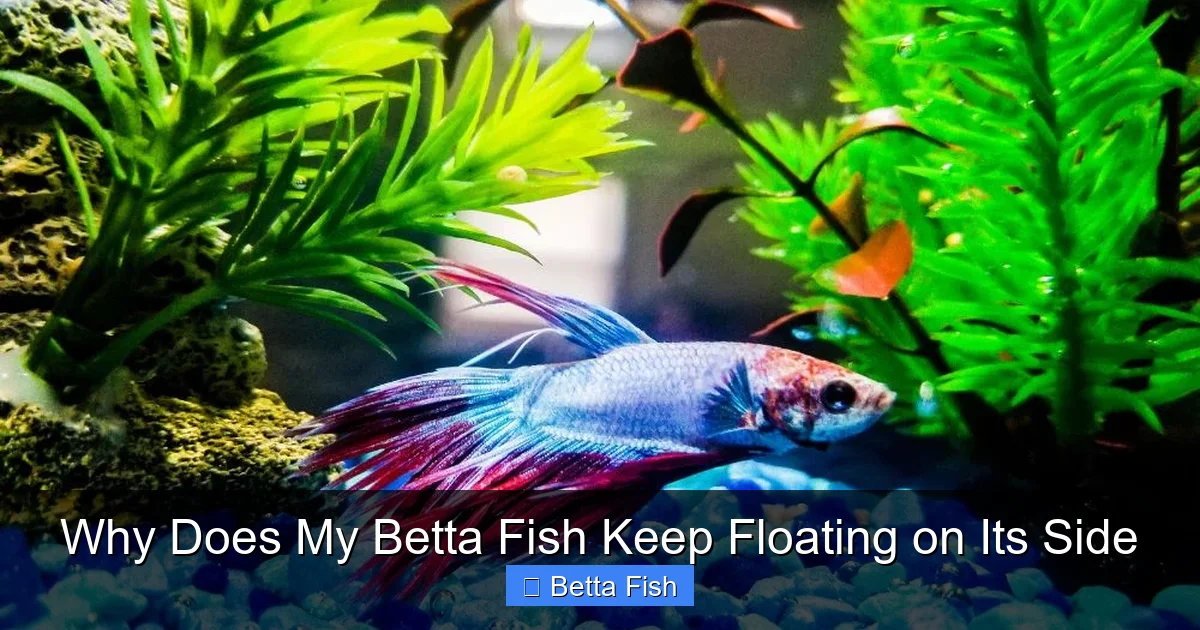
Visual guide about Why Does My Betta Fish Keep Floating on Its Side
Image source: fishtrivia.com
How to test your water
- Use a liquid test kit or test strips for ammonia, nitrite, nitrate, and pH.
- Ideal parameters: Ammonia 0 ppm, Nitrite 0 ppm, Nitrate < 20 ppm, pH 6.5–7.5.
- Check temperature; bettas thrive at 78–80 °F (25.5–26.5 °C).
Quick fix steps
- Perform a 25 % water change with dechlorinated water matching tank temperature.
- Add a water conditioner that detoxifies ammonia.
- Consider a small dose of a bacterial supplement to boost the bio‑filter.
Keeping water parameters stable prevents many buoyancy problems and also supports overall health.
2. Swim Bladder Disorders – The Most Direct Cause
What is the swim bladder?
The swim bladder is a gas‑filled sac that lets a betta rise or sink. Problems arise when the bladder fills with too much gas, not enough gas, or fluid.

Visual guide about Why Does My Betta Fish Keep Floating on Its Side
Image source: bettafishworld.com
Common triggers
- Over‑feeding: excess food can ferment, producing gas that inflates the bladder.
- Constipation: dry or large pellets can block the gut, leading to gas buildup.
- Infection: bacterial or parasitic infections can inflame the bladder walls.
Home remedies
Start with a 24‑hour fast. This gives the gut a chance to clear. After the fast, feed a small amount of blotched pea (shelled, cooked, and cooled). Peas act as a natural laxative and often resolve constipation‑related floating.
If fasting and peas don’t help within 48 hours, try a mild Epsom salt bath (1 tsp per gallon) for 15 minutes. The magnesium helps draw excess fluid out of the bladder.
3. Temperature Stress – Too Cold, Too Hot
How temperature affects buoyancy
Cold water slows a betta’s metabolism, which can cause sluggish digestion and reduced gas exchange in the swim bladder. Conversely, water that’s too warm can stress the fish and lead to organ inflammation.
Setting the perfect temperature
- Use an adjustable aquarium heater rated for 2–5 gallon tanks.
- Maintain a steady 78–80 °F (25.5–26.5 °C). Avoid daily fluctuations larger than 2 °F.
- Place the thermometer in a spot where water circulates well.
Consistent temperature not only helps with buoyancy but also strengthens the immune system.
4. Stress and Tank Environment – Hidden Triggers
Tank mates and aggression
Betta fish are territorial. A fin‑nipping tank mate or a mirror placed too close can cause chronic stress, leading to abnormal swimming patterns, including side‑floating.
Improper décor
Sharp ornaments, rough substrate, or a tank that’s too small (less than 2.5 gallons) can injure the swim bladder or cause the fish to hit its head, which disrupts buoyancy.
Stress‑reduction checklist
- Provide at least 2.5 gallons of space per betta.
- Use smooth, rounded decorations and fine sand or no substrate.
- Limit reflections; avoid placing the tank directly opposite a window.
- Keep the lid closed to prevent jumps.
These simple changes create a calm environment and reduce the chance of floating.
5. Disease Spotlight – When Illness Causes Floatation
Bacterial infections
Pathogens like Aeromonas can inflame the swim bladder and surrounding tissues. Look for additional signs: loss of appetite, white patches, or ragged fins.
Parasitic infections
Internal parasites (e.g., Costia) can cause gut blockage and gas buildup. Symptoms often include a bloated belly and erratic swimming.
Treatment basics
- Quarantine the affected fish in a separate hospital tank.
- Use a broad‑spectrum antibacterial medication such as Maracyn 2 for 5 days.
- If parasites are suspected, add a dip with praziquantel or formalin according to label directions.
Early detection is crucial—if you notice floating combined with other illness signs, start treatment immediately.
6. When to Seek Professional Help
Red flags
If your betta stays on its side for more than 48 hours despite water changes, fasting, and temperature correction, it may have a severe internal injury or organ failure.
What a vet can do
- Perform a detailed internal exam.
- Prescribe stronger antibiotics or antifungal agents.
- Provide supportive care such as fluid therapy.
While many cases resolve at home, don’t hesitate to consult a fish‑savvy veterinarian when the condition worsens.
Putting It All Together – A Simple Action Plan
- Test water: Check ammonia, nitrite, nitrate, pH, and temperature.
- Do a 25 % water change: Use conditioned water at the correct temperature.
- Fast the betta: 24‑hour fast followed by a pea feeding.
- Check for other symptoms: Look for bloating, loss of color, or fin damage.
- Adjust environment: Ensure proper tank size, décor, and no aggressive neighbors.
- Monitor daily: If floating persists, consider medication or vet care.
Following this routine will solve most cases of side‑floating and keep your betta thriving.
Conclusion: You’ve Got This
Finding your betta floating on its side is scary, but it’s also a clear signal that something needs attention. By checking water quality, addressing swim bladder health, maintaining proper temperature, reducing stress, and watching for disease, you can usually turn the situation around within a few days.
Remember, prevention beats cure. Regular water changes, a balanced diet, and a calm tank setup are the best gifts you can give your betta. If you act quickly, you’ll see your little fighter swimming upright and vibrant once again.
Related Reading
For more details on specific floating issues, see our article on why betta fish float on their side. If you suspect a tail problem, check why did my betta fish lose its tail. And for clues about color loss that often accompany health issues, read why did my betta fish lose its color.
Frequently Asked Questions
Why is my betta fish floating on its side after a water change?
Sudden changes in water chemistry can shock the swim bladder. Test the water, ensure the temperature matches the tank, and perform a partial water change to stabilize conditions.
Can feeding peas really help a floating betta?
Yes. Peas act as a natural laxative, clearing constipation that often causes gas buildup in the swim bladder.
Is a 24‑hour fast enough for a betta with buoyancy problems?
Usually, a 24‑hour fast followed by a pea meal is effective. If the fish still floats after 48 hours, consider a mild Epsom salt dip.
My betta looks bloated and floats sideways. Could it be a parasite?
Internal parasites can cause bloating and buoyancy loss. Look for additional signs like loss of appetite and treat with a suitable antiparasitic dip.
Do bettas need a heater to prevent floating?
Maintaining a steady 78–80 °F (25.5–26.5 °C) is essential. Cold water slows metabolism and can lead to swim bladder issues.
When should I take my betta to a vet?
If the fish remains on its side for more than 48 hours despite proper care, or if you see other illness signs, seek veterinary help promptly.

