Why Does Betta Fish Tail Shredding
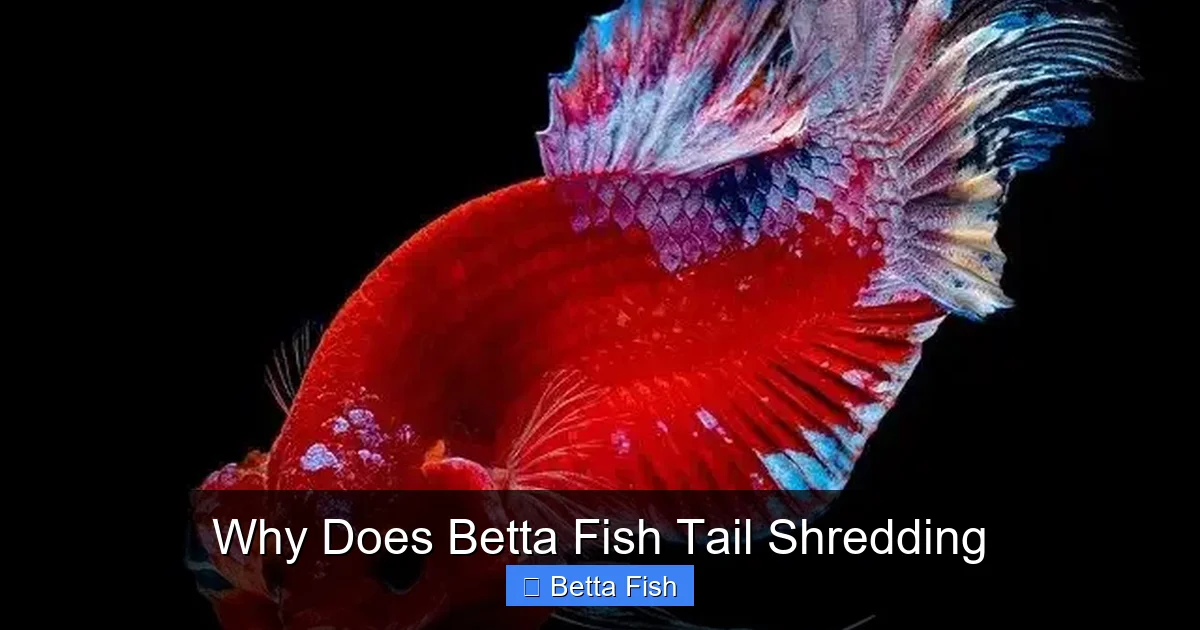
Betta tail shredding is usually a sign of stress, poor water, or disease, not just bad luck. By checking water quality, tank mates, diet, and health, you can stop the shredding fast and help your fish heal. Simple steps today mean a beautiful, whole tail tomorrow.
Key Takeaways
- Water quality is the #1 culprit: high ammonia, nitrite, or low temperature can cause tail shredding.
- Stress triggers fin damage: aggressive tank mates, sudden changes, and over‑crowding shred tails.
- Parasites and bacterial infections are common: look for white spots, redness, or fuzzy growth.
- Nutrition matters: a balanced diet with vitamins supports fin regeneration.
- Prompt treatment works: quarantine, medication, and water changes can reverse damage.
- Prevention is easy: maintain stable parameters, provide hiding spots, and avoid over‑handling.
- Regular observation saves lives: spotting early signs of tail shredding lets you act before it gets worse.
📑 Table of Contents
- Introduction: When Your Betta’s Tail Looks Like a Torn Pillow
- 1. Water Quality – The Silent Assassin
- 2. Stress Factors – When the Tank Becomes a Pressure Cooker
- 3. Disease and Parasites – The Invisible Enemies
- 4. Nutrition – Feeding the Tail Back to Health
- 5. Healing and Regeneration – Helping the Tail Grow Back
- 6. Prevention – Keep the Tail Intact for Life
- Conclusion: Turn Tail Troubles into Triumphs
Introduction: When Your Betta’s Tail Looks Like a Torn Pillow
Imagine you come home after a long day, open the lid of your betta’s tank, and see the once‑proud, flowing tail looking ragged, as if a tiny lawn mower ran through it. It’s heartbreaking, and the first question that pops into most owners’ heads is “why does betta fish tail shredding happen?”
Don’t panic. Tail shredding is a symptom, not a disease. It tells you that something in the fish’s environment or health is out of balance. In this friendly, step‑by‑step guide we’ll explore the most common reasons, show you how to diagnose the problem, and give you practical, low‑cost solutions that even a beginner can follow.
1. Water Quality – The Silent Assassin
Ammonia, Nitrite, and Nitrate: The Toxic Trio
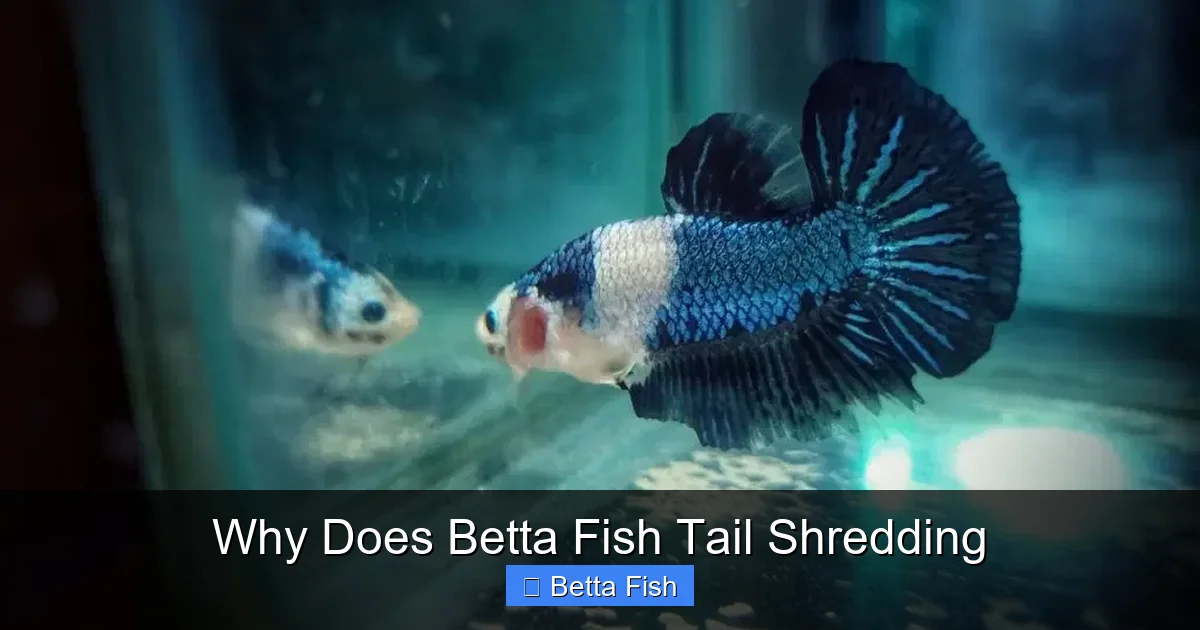
Betta fish are especially sensitive to spikes in ammonia (NH₃) and nitrite (NO₂⁻). Even a small rise can irritate the delicate skin on the tail, causing it to fray and shred. Test your water weekly with a reliable kit and keep ammonia at <0.0 ppm, nitrite at <0.5 ppm, and nitrate below 20 ppm.
Visual guide about Why Does Betta Fish Tail Shredding
Image source: ekk4j69ebaa.exactdn.com
Temperature Trouble
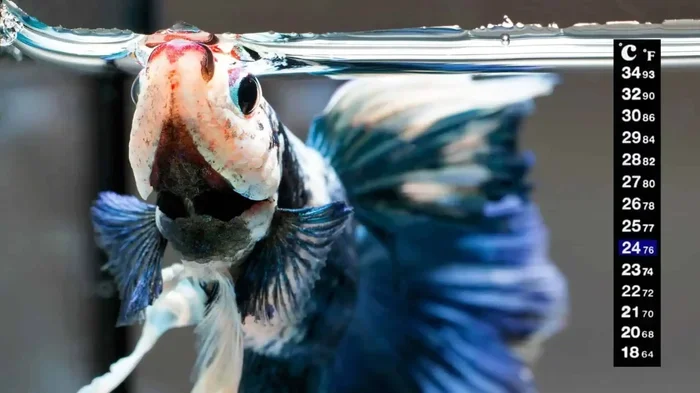
Betas love warm water—ideally between 76°F and 82°F (24°C‑28°C). If the temperature drops below 74°F, the immune system weakens, making the tail more vulnerable. Use a reliable heater and a thermometer to keep the water steady.
pH and Hardness
A stable pH between 6.5 and 7.5 is best. Sudden swings can stress the fish and lead to fin damage. Soft water (low GH) can also make the skin more fragile. If you live in very soft water areas, consider adding a small amount of crushed coral or a commercial buffer.
Practical Tip: The 20‑20‑20 Rule
Every 20 days, do a 20% water change, check parameters for 20 minutes, and replace 20 % of the filter media. This routine keeps toxins low and gives the tail a clean, healthy environment to heal.
2. Stress Factors – When the Tank Becomes a Pressure Cooker
Tank Mates and Aggression
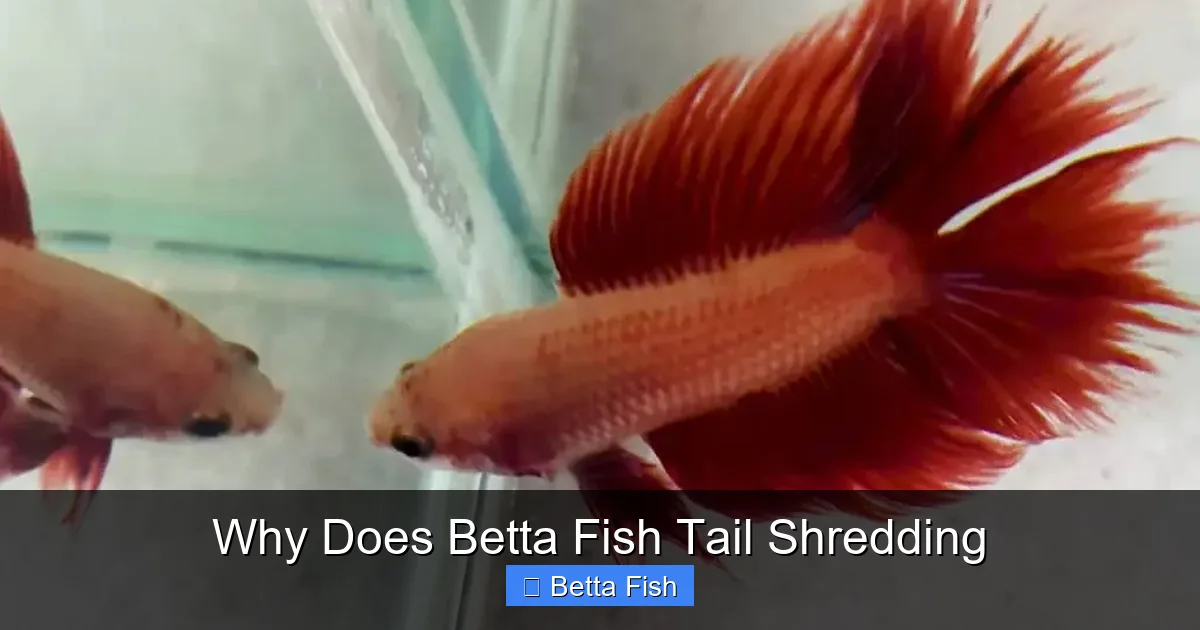
Betta fish are naturally territorial. Even peaceful community fish can provoke a fight if they’re too active or have bright, flowing fins that the betta mistakes for a rival. A stressed betta often rubs its tail against the glass, leading to shredding.
Visual guide about Why Does Betta Fish Tail Shredding
Image source: japanesefightingfish.org
Sudden Changes
Moving the tank, changing décor, or even a new light cycle can shock a betta. The stress response releases cortisol, which weakens the skin and makes it easier for parasites to bite.
Over‑crowding and Small Spaces
Even though many owners keep bettas in tiny bowls, the reality is that a minimum of 5 gallons (≈19 L) provides enough room to swim and reduces stress. A cramped environment can cause the fish to constantly bump its tail on the glass.
Practical Tip: Create a “Stress‑Free Zone”
- Use a tank divider or a separate 5‑gallon tank for your betta.
- Provide plenty of live or silk plants for hiding.
- Keep the lid closed to prevent sudden light flashes.
3. Disease and Parasites – The Invisible Enemies
Bacterial Fin Rot
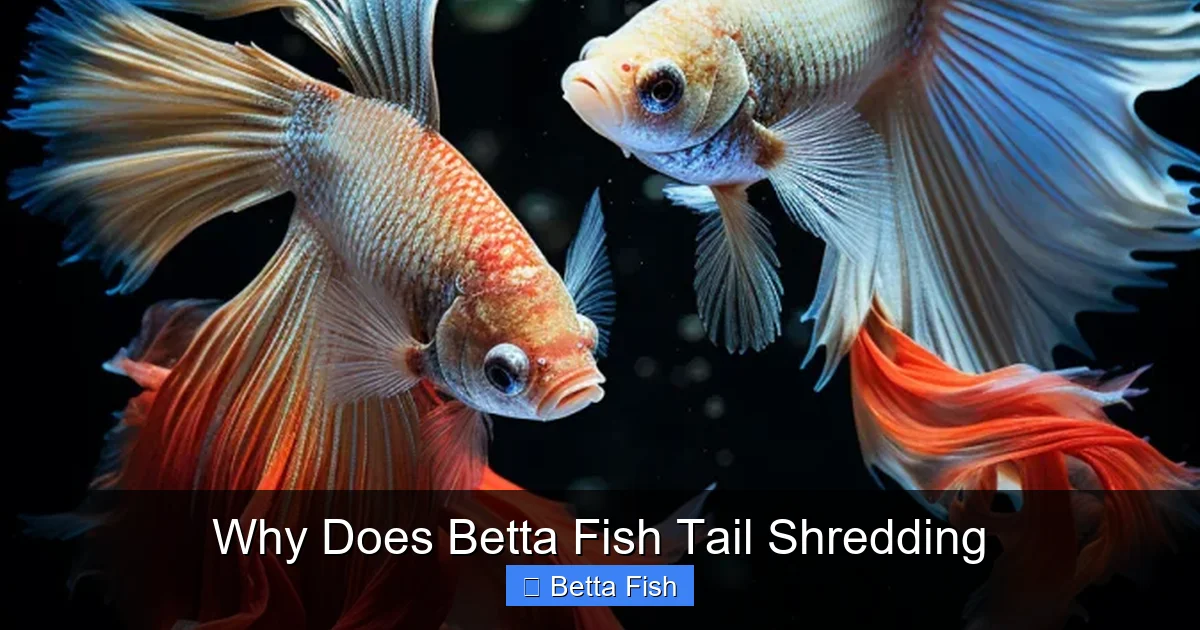
Fin rot starts as a small white or yellow spot that quickly spreads, leaving ragged edges. It’s caused by opportunistic bacteria like Aeromonas that thrive in dirty water.
Visual guide about Why Does Betta Fish Tail Shredding
Image source: images.petpress.net
Ich and Velvet – Secondary Damage
While ich (white spot disease) primarily affects the body, the stress it creates can lead a betta to shred its tail while rubbing against surfaces. Velvet (gold dust disease) creates a dusty coating that also irritates the fins.
Protozoan Parasites (Trichodina, Costia)
These tiny hitchhikers attach to the skin and fins, feeding on mucus. The result is a shredded, ragged tail that looks “eaten away.”
Diagnosing the Problem
Look for these visual clues:
- White or yellow patches → bacterial fin rot.
- Fine white dots like salt grains → ich.
- Gold‑brown dusting → velvet.
- Wavy, feather‑like growths → fungal infection.
If you spot any of these, isolate the betta immediately and start treatment.
Practical Treatment Steps
- Move the fish to a quarantine tank with the same temperature.
- Increase water changes to 30% daily for the first 3 days.
- Use a broad‑spectrum antibacterial medication (e.g., Maracyn 2) for bacterial rot.
- For parasites, add a copper‑based treatment or formalin according to the label.
- Finish with a probiotic supplement to restore good bacteria.
4. Nutrition – Feeding the Tail Back to Health
Balanced Diet Essentials
Betta fish need high‑protein foods with essential fatty acids. A diet of quality pellets, frozen or live brine shrimp, and occasional daphnia provides the building blocks for fin regeneration.
Vitamin Deficiencies
Lack of vitamins A, C, and E can slow healing. Adding a vitamin supplement (once a week) or feeding a few days of enriched bloodworms can boost the immune system.
Over‑Feeding and Water Quality
Too much food leads to excess waste, raising ammonia and encouraging bacterial growth—both of which can cause tail shredding. Feed only what the betta can eat in 2 minutes, once or twice daily.
Practical Feeding Schedule
- Morning: 2–3 high‑quality pellets or a small frozen brine shrimp.
- Evening: A tiny portion of live or frozen daphnia.
- Weekly: One dose of vitamin‑rich bloodworms.
5. Healing and Regeneration – Helping the Tail Grow Back
Creating a Healing Environment
Once the cause is fixed, the tail can begin to regenerate. Keep water parameters pristine, maintain a stable temperature, and avoid any stressors.
Supplements and Add‑Ons
Seaweed extracts (e.g., kelp) and UV sterilizers can speed up healing. A small dose of aquarium salt (1 g per 5 gal) helps reduce osmotic stress without harming bettas.
Patience Is Key
Fin regeneration is slow—typically 1–2 mm per week. Do not attempt to “trim” the shredded parts; let the fish naturally grow new tissue.
Practical Example: From Shredded to Splendid
Emma, a first‑time betta owner, noticed tail shredding after moving her fish to a new 3‑gallon bowl. She:
- Switched to a 5‑gallon tank with a heater set to 78°F.
- Performed a 30% water change daily for a week.
- Added a probiotic and vitamin supplement.
- Started a low‑dose medication for suspected fin rot.
- After two weeks, the ragged edges softened, and new healthy fin tissue appeared.
Emma’s story shows that quick action and consistent care can turn a shredded tail into a thriving fin.
6. Prevention – Keep the Tail Intact for Life
Routine Water Maintenance
Test weekly, change 20% weekly, and never skip cleaning the filter media. A clean tank is the foundation of a healthy tail.
Tank Setup Best Practices
- Use a gentle filter (sponge or low‑flow hang‑on‑back) to avoid strong currents that can tear fins.
- Provide plenty of plants (real or silk) for the betta to rest behind.
- Keep the tank covered to prevent sudden light changes and jumping.
Regular Health Checks
Spend a few minutes each day watching for abnormal swimming, loss of appetite, or changes in fin shape. Early detection of “why does betta fish tail shredding” symptoms makes treatment far easier.
Link to Related Topics
If you’re curious about other fin issues, read our guide on why does my betta fish fins look shredded. For color changes that often accompany stress, check out why does betta fish change color. And if you notice bubble‑making behavior, the article why does a betta fish blow bubbles explains what’s normal.
Conclusion: Turn Tail Troubles into Triumphs
Understanding “why does betta fish tail shredding” is the first step toward a happy, healthy fish. By keeping the water clean, reducing stress, feeding right, and acting fast when disease strikes, you give your betta the best chance to grow a full, flowing tail again. Remember, a healthy environment is a happy betta—so keep an eye on the water, watch for signs of stress, and enjoy the vibrant colors and graceful fins that make bettas such beloved pets.
Frequently Asked Questions
Why is my betta’s tail turning white and shredded?
White, shredded edges often indicate bacterial fin rot, which thrives in poor water conditions. Improve water quality and treat with a antibacterial medication.
Can a sudden temperature drop cause tail shredding?
Yes. Betta fish need stable, warm water. A drop below 74°F weakens their immune system, making the tail more prone to damage.
Do aggressive tank mates cause tail shredding?
Absolutely. Even non‑aggressive fish can stress a betta, leading it to rub its tail against the glass and shred the fin.
How long does it take for a betta’s tail to regrow?
Fin regeneration is slow, usually 1–2 mm per week. With proper care, a fully shredded tail can look healthy again in 4–6 weeks.
Is it safe to use aquarium salt for a betta with a shredded tail?
Yes, a low dose (1 g per 5 gallons) can reduce stress and help prevent infection, but always monitor for any adverse reaction.
Should I quarantine my betta if I see tail shredding?
Quarantine is recommended if you suspect infection. A separate tank allows you to treat the fish without exposing tank mates to medication.