Can Betta Fish Live with Rainbow Sharks
Betta fish and rainbow sharks are generally not recommended as tank mates due to overlapping territorial behaviors and similar body shapes that can trigger aggression. While both are stunning freshwater fish, their conflicting temperaments and space requirements make cohabitation risky. This guide explores why these species clash and what you need to know before attempting to house them together.
Key Takeaways
- Territorial Conflict: Both bettas and rainbow sharks are highly territorial, making aggression almost inevitable in shared tanks.
- Body Shape Triggers: Rainbow sharks may resemble other bottom-dwellers, causing bettas to perceive them as rivals.
- Space Requirements: Rainbow sharks need at least 55 gallons, while bettas need 5+ gallons, but shared space must be much larger.
- Water Parameter Overlap: Both prefer similar warm water temperatures (75-80°F), which is one of the few compatibility positives.
- Stress and Injury Risk: Cohabitation often leads to chronic stress, fin nipping, and potential fatalities for both species.
- Alternative Tank Mates Exist: There are many safer companion options for bettas that won’t trigger territorial disputes.
- Expert Recommendation: Most experienced aquarists strongly advise against housing bettas with rainbow sharks.
📑 Table of Contents
- Can Betta Fish Live With Rainbow Sharks? The Honest Answer
- Understanding the Betta Fish Temperament
- Getting to Know the Rainbow Shark
- Why Betta Fish and Rainbow Sharks Don’t Mix
- Tank Size and Setup Considerations
- Water Parameters and Environmental Needs
- Behavioral Signs of Incompatibility
- Safer Alternatives for Both Species
- Expert Recommendations and Final Verdict
Can Betta Fish Live With Rainbow Sharks? The Honest Answer
If you’ve ever gazed at a rainbow shark gliding across a tank with its shimmering scales and thought, “That would look amazing next to my betta,” you’re not alone. Many aquarium enthusiasts dream of creating a diverse, colorful community tank. But before you rush to the pet store, let’s talk about whether betta fish can live with rainbow sharks — and the answer might surprise you.
The short answer? It’s a risky combination that most experts advise against. Both species are territorial by nature, and their behavioral tendencies tend to clash in ways that can lead to stress, injury, or even death. But don’t worry — by the end of this guide, you’ll understand exactly why this pairing is problematic and what alternatives might work better for your aquarium setup.
Understanding fish compatibility isn’t just about whether two species can survive in the same water. It’s about their temperaments, territorial instincts, swimming levels, and environmental needs. Let’s dive deep into the specifics of both species and explore why mixing them is generally a bad idea.
Understanding the Betta Fish Temperament
Why Bettas Are Called Fighting Fish
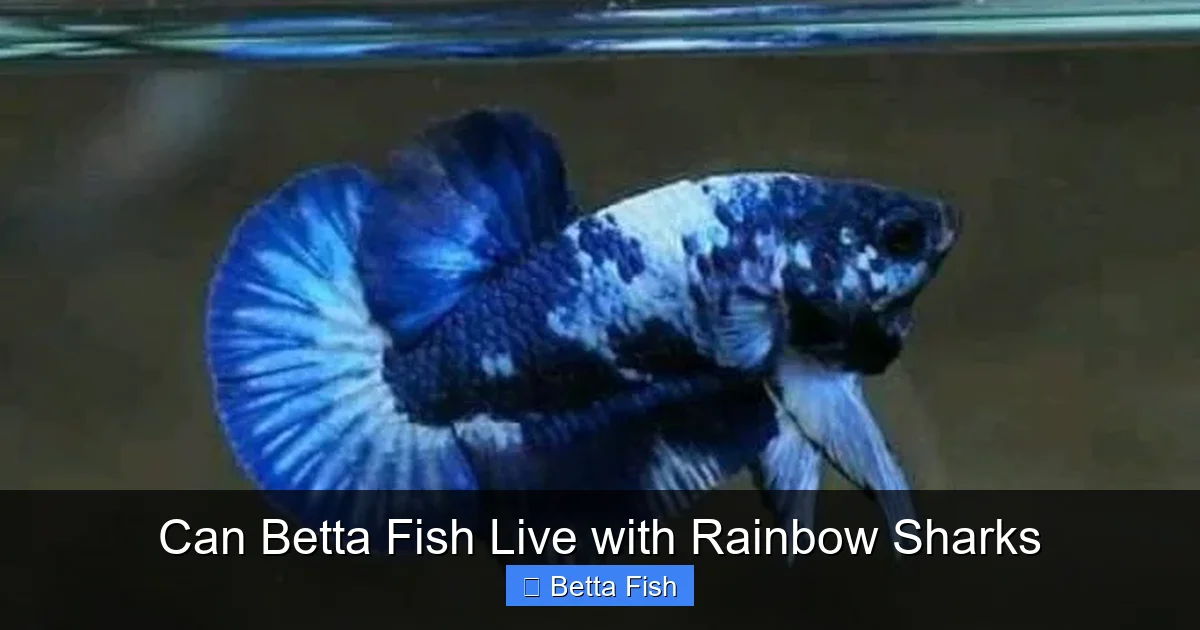
Betta fish, also known as Siamese fighting fish, earned their name for a reason. Male bettas were historically bred for aggression and used in fish fighting competitions in Southeast Asia. While modern pet store bettas have been selectively bred for their stunning colors and flowing fins rather than fighting ability, that territorial instinct is still deeply embedded in their DNA.

Visual guide about Can Betta Fish Live with Rainbow Sharks
Image source: tinyfishtank.com
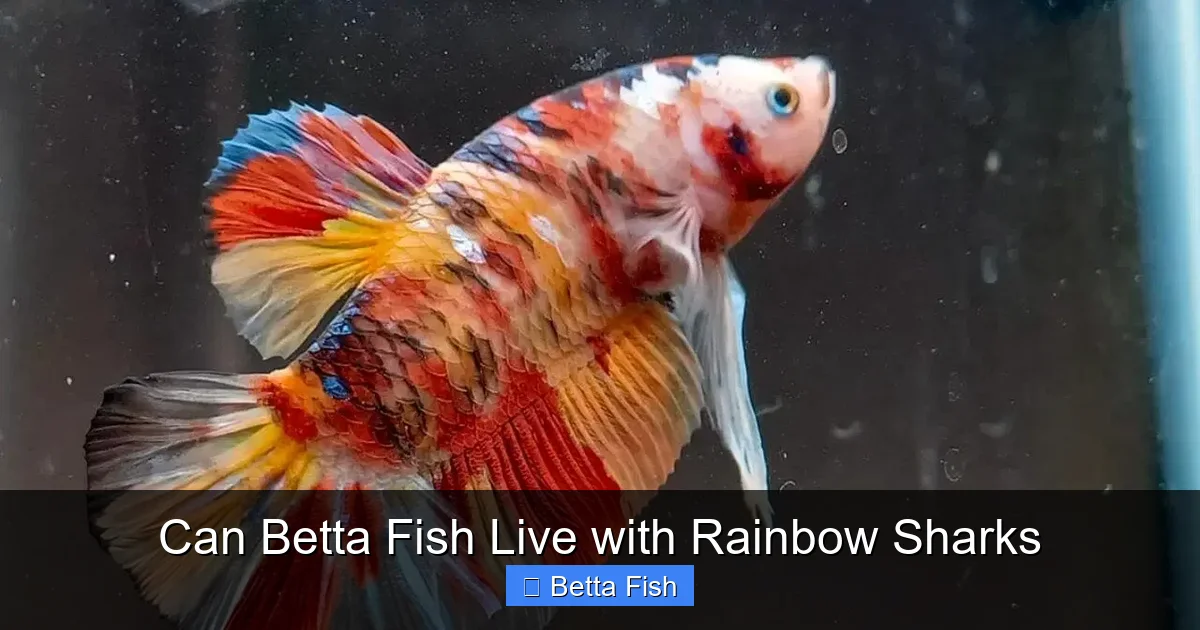
A male betta will fiercely defend his territory against any fish he perceives as a threat. This includes fish with bright colors, long fins, or similar body shapes. When a betta feels his space is invaded, he’ll flare his gills, spread his fins, and attack. This behavior isn’t optional — it’s hardwired into his nature.
Betta Fish Territorial Behavior in Community Tanks
Even in a community tank setting, bettas establish and defend their personal space. They typically claim the upper and middle regions of the tank as their domain. Any fish that ventures too close, especially one with vibrant coloring or flowing fins, can trigger an aggressive response.
Female bettas are generally less aggressive than males, but they still display territorial behavior. If you’re considering tank mates for your betta, understanding this fundamental aspect of their personality is crucial. You can learn more about this in our guide on can a betta fish live with other fish.
Getting to Know the Rainbow Shark
Not Actually a Shark
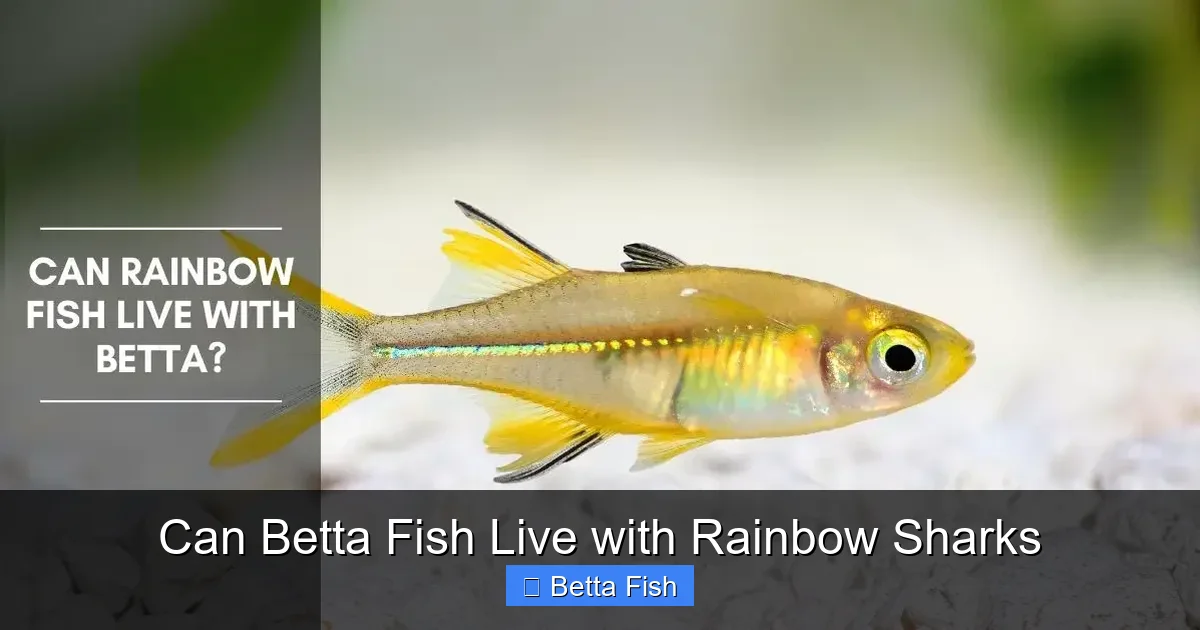
Despite the intimidating name, rainbow sharks are not sharks at all. They’re a species of freshwater fish belonging to the Cyprinidae family, which includes carps and minnows. Their scientific name is Epalzeorhynchos frenatum, and they’re native to the rivers and streams of Southeast Asia.
Visual guide about Can Betta Fish Live with Rainbow Sharks
Image source: tinyfishtank.com
Rainbow sharks get their name from their torpedo-shaped body and upright dorsal fin, which gives them a shark-like appearance. Their bodies are typically dark gray or black, with striking red or orange fins that shimmer under aquarium lighting. They’re undeniably beautiful fish — but beauty doesn’t always equal compatibility.
The Rainbow Shark’s Territorial Nature
Here’s where things get complicated. Rainbow sharks are extremely territorial, especially as they mature. In the wild, they establish large territories along riverbeds and defend them aggressively against intruders. In a confined aquarium environment, this territorial instinct becomes amplified.
A rainbow shark will claim the bottom of the tank as its personal domain and chase away any fish that dares to enter its space. They’re known to be particularly aggressive toward other bottom-dwelling fish and anything that resembles their own species. This bottom-level territoriality is one of the key reasons why housing them with bettas becomes problematic.
Why Betta Fish and Rainbow Sharks Don’t Mix
Double Trouble: Two Territorial Species in One Tank
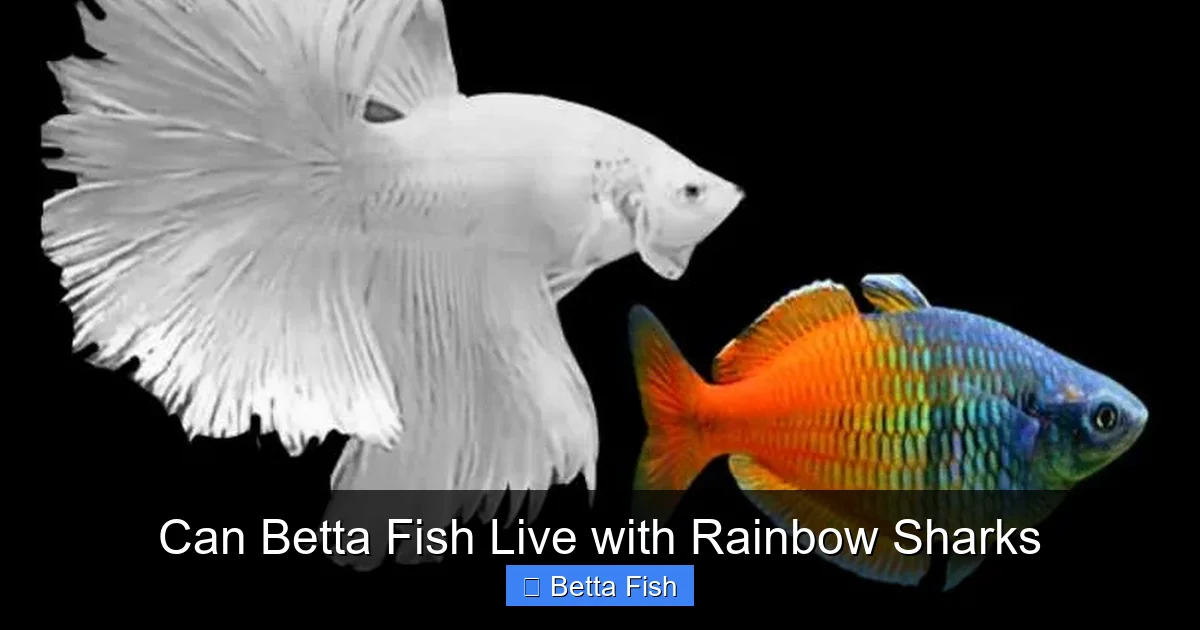
When you combine two territorial fish species in the same aquarium, you’re essentially setting the stage for constant conflict. Both bettas and rainbow sharks have strong instincts to defend their space. While they occupy different levels of the tank — bettas prefer the upper regions and rainbow sharks claim the bottom — their territories inevitably overlap, especially in smaller tanks.
Visual guide about Can Betta Fish Live with Rainbow Sharks
Image source: theaquariumadviser.com
A 20-gallon tank, which might seem spacious, can quickly become a war zone when both species are present. The rainbow shark will patrol the bottom aggressively, and the betta will guard the upper waters. Any crossing of boundaries results in chasing, nipping, and stress for both fish.
Similar Coloring and Fin Triggers
Rainbow sharks sport vibrant red or orange fins that can trigger a betta’s aggression response. Bettas are instinctively programmed to attack fish with bright colors and prominent fins because they perceive them as rival bettas. Even though a rainbow shark looks nothing like a betta, those flashy fins send the wrong signal.
From the betta’s perspective, a colorful fish with flowing fins swimming in “his” tank is a direct challenge. This visual trigger alone can cause persistent aggression, even if the rainbow shark is minding its own business at the bottom of the tank.
Size and Strength Disparity
Adult rainbow sharks grow to about 6 inches in length, while bettas typically reach 2.5 to 3 inches. This size difference means that in any confrontation, the rainbow shark has a significant physical advantage. A single aggressive charge from a rainbow shark can seriously injure or kill a betta.
Conversely, a betta’s sharp teeth and aggressive nature can also cause damage to a rainbow shark, particularly targeting those beautiful fins. Neither species is equipped to handle the other’s style of aggression, making cohabitation dangerous for both parties.
Tank Size and Setup Considerations
Minimum Tank Requirements for Each Species
If you’re still determined to try housing these species together, you need to understand the space requirements. A single betta fish needs a minimum of 5 gallons, though 10 gallons is recommended for a happier, healthier fish. A rainbow shark, on the other hand, requires at least 55 gallons due to its size and active swimming habits.

Visual guide about Can Betta Fish Live with Rainbow Sharks
Image source: petshun.com
For both species to coexist — even theoretically — you’d need a tank of at least 55 gallons, heavily decorated with plants, rocks, and caves to create distinct territories and visual barriers. Even then, success is far from guaranteed. Our article on what other fish can live with betta fish explores safer alternatives that require less space.
Creating Visual Barriers and Hiding Spots
In a larger tank, dense planting and strategic decoration can help reduce aggression by breaking lines of sight. Driftwood, rock formations, and tall plants like Java fern, Amazon swords, and Vallisneria can create natural boundaries that allow each species to establish its own territory without constant visual contact.
However, even the best aquascaping cannot override a fish’s natural instincts. If either species decides the other is an intruder, no amount of decoration will prevent conflict. This is a fundamental limitation that many hobbyists underestimate.
Water Parameters and Environmental Needs
Temperature Compatibility
One area where bettas and rainbow sharks actually agree is water temperature. Both species thrive in warm water between 75°F and 80°F (24°C to 27°C). This overlap is convenient, but it’s one of the few compatibility factors working in favor of this pairing.
Visual guide about Can Betta Fish Live with Rainbow Sharks
Image source: ekk4j69ebaa.exactdn.com
pH and Water Hardness
Both species prefer slightly acidic to neutral water with a pH between 6.5 and 7.5. Rainbow sharks can tolerate slightly harder water, but the overlap in acceptable ranges is sufficient for both species. Regular water changes and proper filtration are essential for maintaining water quality, especially in a larger tank housing both species.
Filtration and Water Flow
Rainbow sharks come from river environments and appreciate moderate water flow. Bettas, however, prefer calm or still water due to their long, delicate fins. This creates a conflict in filtration requirements. A filter strong enough to satisfy the rainbow shark’s need for oxygenated, flowing water might create currents that stress your betta.
Adjusting filter output with baffles or choosing a filter with adjustable flow can help, but finding the perfect balance for both species adds another layer of complexity to an already challenging setup.
Behavioral Signs of Incompatibility
What Aggression Looks Like
If you do attempt to house bettas and rainbow sharks together, watch closely for signs of aggression. Betta aggression includes flaring gills, spreading fins, charging at the glass, and direct attacks. Rainbow shark aggression manifests as chasing, body slamming, and persistent pursuit of tank mates.
Chronic stress is another warning sign. A stressed betta may lose its color, refuse food, or hide constantly. A stressed rainbow shark may develop faded coloring, become lethargic, or show damaged fins from constant confrontations.
When to Separate Immediately
If you observe any of the following, separate the fish immediately:
- Visible injuries such as torn fins, missing scales, or open wounds
- One fish constantly hiding and refusing to come out
- Loss of appetite in either species
- Persistent chasing that doesn’t subside after a few days
- Glass surfing or frantic swimming patterns indicating extreme stress
Delaying separation can result in fatal injuries. Always have a backup tank or container ready when introducing new fish to an existing setup.
Safer Alternatives for Both Species
Better Tank Mates for Betta Fish
If you’re looking for companions for your betta, there are many safer options than rainbow sharks. Small, peaceful schooling fish like harlequin rasboras, ember tetras, or corydoras catfish make excellent tank mates. These species are non-aggressive, occupy different swimming levels, and won’t trigger your betta’s territorial instincts.
Bottom-dwellers like corydoras are particularly good choices because they stay out of the betta’s preferred territory. Shrimp and snails are also popular options. Check out our detailed guide on can betta fish live with shrimp for more ideas.
Better Tank Mates for Rainbow Sharks
Rainbow sharks do best with fast-swimming, robust fish that can hold their own without being aggressive. Species like giant danios, barbs, and larger tetras are generally good choices. These fish are quick enough to avoid the rainbow shark’s territorial charges and confident enough not to be bullied.
Avoid keeping rainbow sharks with other bottom-dwellers like loaches or corydoras, as the territorial conflict will be even more intense. Also, never keep two rainbow sharks together unless you have a very large tank — they are highly aggressive toward their own kind.
Expert Recommendations and Final Verdict
What Experienced Aquarists Say
The overwhelming consensus among experienced fish keepers is clear: don’t house betta fish with rainbow sharks. The risks far outweigh any potential benefits. Both species are better off with tank mates that complement their temperaments rather than clash with them.
Many hobbyists who have attempted this pairing report ongoing aggression, stressed fish, and eventual separation. The few cases where it appears to work usually involve extremely large tanks (100+ gallons) with heavy planting and careful species selection — conditions that most home aquarists cannot provide.
The Bottom Line
While it’s technically possible for betta fish and rainbow sharks to survive in the same tank under very specific conditions, it’s not advisable. The combination of two territorial species with conflicting space requirements, visual triggers, and different environmental needs creates a setup that’s destined for problems.
Your best bet is to choose one species as your centerpiece fish and select tank mates that are known to be compatible. Both bettas and rainbow sharks are stunning fish that deserve to thrive in environments suited to their specific needs. By making informed choices about tank mates, you’ll create a healthier, more harmonious aquarium for all your aquatic pets.
Remember, a successful aquarium isn’t about cramming as many different species as possible into one tank. It’s about creating a balanced ecosystem where every fish can live comfortably and display its natural behaviors without constant stress or conflict. Choose wisely, and your fish will reward you with years of beauty and enjoyment.
Frequently Asked Questions
Can betta fish live with rainbow sharks in a large tank?
Even in a large tank of 55+ gallons, the risk of aggression between bettas and rainbow sharks remains high. While a bigger tank with heavy planting can reduce conflict, it doesn’t eliminate the fundamental behavioral incompatibility between these two territorial species.
Are female bettas more compatible with rainbow sharks than males?
Female bettas are generally less aggressive than males, but they still display territorial behavior. While the risk might be slightly lower with a female betta, the combination is still not recommended due to the rainbow shark’s own aggressive tendencies.
What size tank would I need to keep bettas and rainbow sharks together?
You would need a minimum of 55 gallons for the rainbow shark alone, but ideally 75-100+ gallons with extensive decorations, plants, and hiding spots to create separate territories. Even at this size, success is not guaranteed.
Will a rainbow shark eat a betta fish?
Rainbow sharks are not typically predatory toward fish their size, but they can seriously injure or kill a betta through aggressive territorial attacks. The betta’s long fins make it particularly vulnerable to nipping and damage.
What are the best tank mates for rainbow sharks?
Fast-swimming, robust fish like giant danios, tinfoil barbs, and larger tetras make the best tank mates for rainbow sharks. Avoid other bottom-dwelling fish and any species that is slow-moving or has long fins.
Can rainbow sharks live with other rainbow sharks?
Rainbow sharks are highly aggressive toward their own species and should generally be kept singly. Unless you have a very large tank (125+ gallons) with multiple territories, keeping multiple rainbow sharks together will result in serious fighting.