Are Bettas Hardy Tropical Fish

Betta fish are tropical, but their hardiness depends on water conditions, diet, and tank setup. With proper care, they thrive; neglect can quickly turn them fragile.
Key Takeaways
- Understanding are bettas hardy tropical fish: Provides essential knowledge
📑 Table of Contents
Introduction: Why the Question Matters
When you first see a betta’s dazzling fins, it’s easy to think, “These fish must be tough!” Yet many new owners wonder, are bettas hardy tropical fish or are they delicate divas that need pampering? The answer sits somewhere in the middle. Bettas are indeed tropical—originating from warm, shallow waters of Southeast Asia—but their ability to survive and flourish hinges on how we meet their natural needs.
In this guide we’ll break down the factors that make bettas resilient, the pitfalls that can turn them fragile, and practical steps you can take right now. By the end, you’ll know exactly how to keep your betta healthy, colorful, and, yes, hardy.
1. Understanding Betta Biology
Native Habitat and Temperature
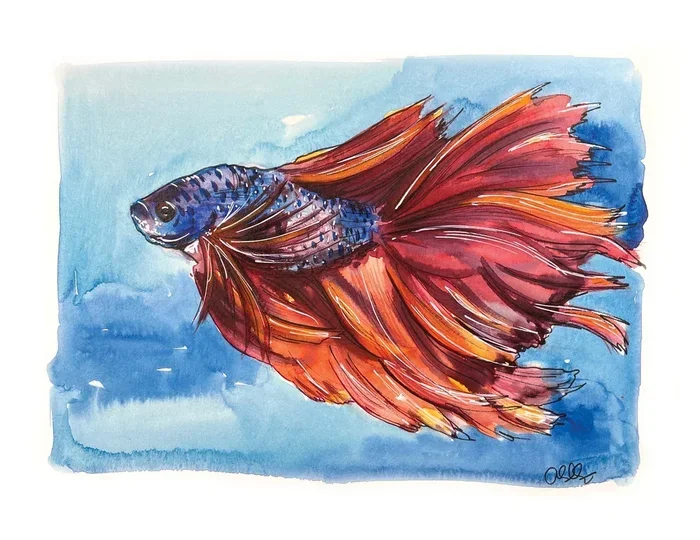
Betta fish (Betta splendens) come from the slow‑moving streams, rice paddies, and swampy areas of Thailand, Cambodia, and Vietnam. Water there stays warm year‑round—typically between 75°F and 82°F (24°C‑28°C). This is why we call them tropical fish.

Visual guide about Are Bettas Hardy Tropical Fish
Image source: 3.bp.blogspot.com
Physical Adaptations That Aid Survival
- Labyrinth organ: Allows them to breathe air from the surface, letting them survive in low‑oxygen water.
- Robust fins: While beautiful, the fins also help them navigate shallow, vegetated habitats.
- Territorial nature: Males defend small spaces, which in the wild protects them from predators.
These traits give bettas a natural edge, but they also create specific care requirements in captivity.
2. Are Bettas Hardy? The Core Factors
Water Temperature Stability
Temperature swings are the biggest enemy of a betta’s hardiness. A drop of just 5°F can stress the fish, suppress its immune system, and invite disease. Using an aquarium heater with a reliable thermostat is non‑negotiable for anyone asking are bettas hardy tropical fish.
Water Quality and Filtration
Even though bettas can survive in low‑oxygen water thanks to their labyrinth organ, they still need clean water. Ammonia and nitrite spikes are deadly. A gentle filter (sponge or hang‑on‑back) that provides surface agitation without creating a strong current is ideal.
Diet and Nutrition
High‑protein foods—such as frozen or live bloodworms, brine shrimp, and quality betta pellets—strengthen their immune system. Over‑feeding or a diet heavy in filler can lead to constipation and a weakened state, making a betta less hardy.
Tank Size and Layout
While many sellers tout 1‑gallon “betta bowls,” research shows a minimum of 5 gallons dramatically improves health. More water dilutes toxins and gives the fish room to explore, reducing stress.
Social Environment
Male bettas are famously aggressive toward other males. Females can coexist in sororities if the tank is spacious and includes plenty of plants and hiding spots. Understanding these social dynamics is crucial for hardiness.
3. Setting Up a Hardy Habitat
Choosing the Right Tank
Opt for a glass or acrylic tank of at least 5 gallons. A larger tank not only stabilizes temperature but also makes water changes easier.

Visual guide about Are Bettas Hardy Tropical Fish
Image source: illustplus.link-lds.com
Heating and Thermometer Placement
Place the heater near a water flow source for even distribution. Use a digital thermometer to check temperature twice daily during the first week.
Filtration Options
A low‑flow sponge filter works well. It provides biological filtration without creating a strong current that can stress bettas.
Decor and Plants
Live plants like Java fern or Anubias offer natural cover and improve water quality. Add smooth rocks or driftwood for the betta to rest on. Avoid sharp décor that can tear delicate fins.
Acclimation Process
When introducing a new betta, float the sealed bag in the tank for 15‑20 minutes to equalize temperature. Then slowly add tank water to the bag over the next hour before releasing the fish.
4. Daily and Weekly Care Routines
Temperature Checks
Check the heater daily for consistency. A sudden drop often signals a power outage or heater failure.
Feeding Schedule
Feed 2‑3 small meals per day, offering only what the betta can eat in 2‑3 minutes. Remove uneaten food to prevent water fouling.
Water Changes
Replace 25‑30% of the water weekly with dechlorinated water that matches tank temperature. This routine removes accumulated waste and maintains stable pH.
Health Monitoring
Watch for signs of stress: faded color, clamped fins, or erratic swimming. Early detection leads to quicker treatment.
5. Common Myths About Betta Hardiness
Myth 1: Bettas Can Live Anywhere Without a Heater
Even though they breathe air, bettas still need a stable tropical temperature. A room that drops below 70°F will stress them.
Myth 2: Small Bowls Are Sufficient
Small containers limit water volume, causing rapid toxin buildup. Larger tanks are the key to a hardy betta.
Myth 3: Bettas Don’t Need Filtration
While they can survive low‑oxygen water, filtration greatly reduces disease risk and improves overall hardiness.
6. Enhancing Hardiness Through Enrichment
Interactive Toys
Floating ping‑pong balls or mirror toys can stimulate a betta’s natural curiosity, reducing boredom‑related stress.
Varied Diets
Rotate between pellets, frozen, and live foods. This variety supports gut health and brightens coloration.
Plant Growth
Live plants not only look great but also provide natural filtration and hiding places, which boost confidence and resilience.
Conclusion: The Balanced Truth
So, are bettas hardy tropical fish? Yes—if you respect their tropical roots and meet their basic needs. Their natural adaptations give them a solid foundation, but neglecting temperature, water quality, diet, or space quickly erodes that hardiness. By setting up a proper tank, feeding a balanced diet, and monitoring conditions daily, you’ll enjoy a vibrant, resilient betta that thrives for years.
Remember, a hardy betta is a happy betta. Treat them with the same care you would give any tropical fish, and they’ll reward you with dazzling colors and captivating behavior.
Further Reading
For more on betta basics, check out our article on what are betta fish. Learn why bettas are classified as tropical in are betta fish tropical, and discover easy‑care tips in are betta fish easy to care for.
Frequently Asked Questions
Are bettas truly tropical fish?
Yes. Bettas originate from warm, shallow waters in Southeast Asia, thriving at temperatures between 75°F‑82°F, which classifies them as tropical.
Can bettas survive in unheated rooms?
Only if the room consistently stays above 70°F. Below that, their metabolism slows, making them vulnerable to disease.
How often should I change my betta’s water?
Replace about 25‑30% of the water weekly with dechlorinated water that matches tank temperature.
Do bettas need a filter?
While they can breathe air, a gentle filter greatly improves water quality and overall hardiness.
What foods make bettas most resilient?
High‑protein options like frozen bloodworms, brine shrimp, and quality betta pellets boost immunity and color.
Can male bettas live with other fish?
Male bettas are highly territorial and should be kept alone or with very peaceful, non‑fin‑nipping species in a spacious tank.