Why Does Betta Fish Water Get Cloudy

Cloudy betta fish water is usually a sign of imbalance, not a permanent problem. By checking filtration, feeding habits, and tank maintenance, you can clear the water fast and prevent it from returning. Follow these simple steps and your betta will thrive in sparkling water.
Key Takeaways
- Overfeeding is a top culprit: excess food fuels bacteria that turn water cloudy.
- Improper cycling creates “new tank syndrome”: untreated ammonia and nitrite cause a milky haze.
- Inadequate filtration or aeration: tiny particles stay suspended without proper flow.
- Water source matters: tap water with high mineral content can cloud a newly set‑up tank.
- Regular water changes are essential: 25‑30% weekly keeps clarity and fish health.
- Test kits are your best friend: monitoring ammonia, nitrite, nitrate, and pH prevents surprises.
- Simple DIY tricks: gravel vacuuming, activated charcoal, and gentle water movement often solve the problem.
📑 Table of Contents
- Introduction: When Your Betta’s Home Looks Like a Foggy Morning
- 1. The Science of Cloudy Water
- 2. Diagnosing the Problem: Quick Checks You Can Do Today
- 3. Fixing Cloudy Water: Immediate Action Plan
- 4. Long‑Term Prevention: Keeping the Water Clear for Good
- 5. When Cloudiness Signals a Bigger Problem
- Conclusion: Clear Water, Happy Betta
Introduction: When Your Betta’s Home Looks Like a Foggy Morning
Imagine you’ve just set up a beautiful 5‑gallon tank for your new betta. The plants are swaying, the heater is humming, and you’re ready to watch those brilliant fins flash. Then, after a few days, the water turns a dull, milky gray. You panic – is your fish sick? Did you do something wrong?
Don’t worry. Cloudy water is one of the most common concerns for betta owners, and it’s almost always fixable. In this guide we’ll walk through why does betta fish water get cloudy, examine the science behind the haze, and give you a step‑by‑step plan to restore crystal‑clear water. By the end, you’ll know how to prevent cloudiness before it starts, keeping both your betta and your peace of mind intact.
1. The Science of Cloudy Water
What “cloudy” Really Means
When you look at a cloudy tank, you’re seeing tiny particles suspended in the water. Those particles can be:

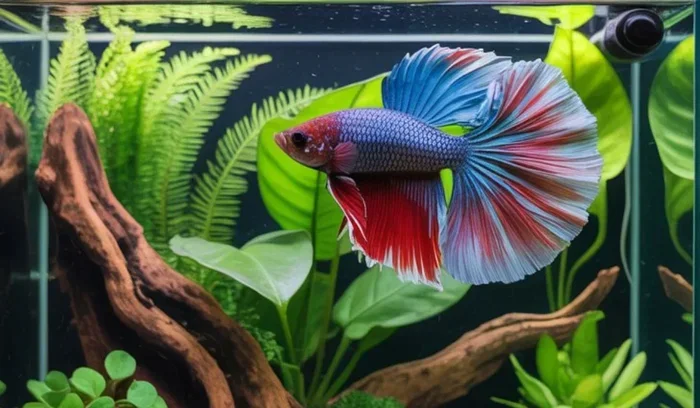
Visual guide about Why Does Betta Fish Water Get Cloudy
Image source: goldkoifish.com
- Uneaten food fragments
- Bacterial colonies (often called “new tank bacteria”)
- Fine substrate dust
- Organic waste from fish waste or decaying plants
- Mineral precipitates from hard tap water
Each of these creates a scattering effect that makes the water look milky, similar to looking through frosted glass.
Why Does Betta Fish Water Get Cloudy? The Core Reasons
There are five main reasons your betta’s water might turn cloudy:
- Overfeeding. Excess food breaks down quickly, feeding a bloom of bacteria.
- Improper cycling. New tanks lack beneficial bacteria, so ammonia and nitrite spike, causing a “new tank syndrome” haze.
- Insufficient filtration or water movement. Without flow, particles never settle.
- Hard or unsuitable water. High levels of calcium or magnesium can precipitate, especially if the temperature changes.
- Dirty substrate. Unwashed gravel releases dust into the water column.
2. Diagnosing the Problem: Quick Checks You Can Do Today
Step 1 – Test the Water
Grab a liquid test kit and check ammonia, nitrite, nitrate, and pH. If ammonia or nitrite is above 0 ppm, you’re dealing with a cycling issue. Elevated nitrate (above 20 ppm) often points to overfeeding or infrequent water changes.

Visual guide about Why Does Betta Fish Water Get Cloudy
Image source: aqueon.com
Step 2 – Observe Feeding Habits
Do you see leftover flakes floating after a few minutes? Betta fish have tiny stomachs; they only need 2‑3 pellets once or twice a day. If you’re feeding more, cut the amount in half and watch the water clear within a week.
Step 3 – Check Filtration
Even a small sponge filter can make a world of difference. If you’re using a bare tank or a bowl, consider adding a gentle filter. The flow should be gentle enough not to stress the betta but strong enough to keep particles moving.
Step 4 – Inspect the Substrate
Rinse new gravel in a bucket until the water runs clear before adding it to the tank. If you already have cloudy water, a quick gravel vacuum during your next water change will lift settled debris.
3. Fixing Cloudy Water: Immediate Action Plan
Partial Water Change (The 25‑30% Rule)
Start with a 25‑30% water change using dechlorinated water at the same temperature as the tank. This instantly dilutes any excess nutrients and removes suspended particles.

Visual guide about Why Does Betta Fish Water Get Cloudy
Image source: i.ytimg.com
Activate Your Filter Properly
If you have a filter, clean the sponge or cartridge in tank water (not tap water) to preserve beneficial bacteria. Replace carbon media every 4‑6 weeks; activated charcoal adsorbs dissolved organics that cause cloudiness.
Use a Bacterial Supplement
Commercial “starter” bacteria can jump‑start the cycling process. Add the recommended dose according to the product label, and monitor ammonia levels over the next few days.
Control Feeding
Feed only what your betta can consume in 2‑3 minutes. Freeze‑thaw brine shrimp or high‑quality betta pellets work well. Remove any uneaten food with a small siphon after feeding.
Consider a Water Clarifier
In urgent cases, a non‑toxic water clarifier (e.g., a small amount of fine‑grade filter media) can clump particles together, making them easier to remove with a siphon. Use sparingly and follow the manufacturer’s instructions.
4. Long‑Term Prevention: Keeping the Water Clear for Good
Establish a Regular Maintenance Schedule
Consistency is key. Follow a weekly routine:
- Test water parameters every 3‑4 days during the first month, then weekly.
- Change 25‑30% of water weekly.
- Vacuum the substrate during each water change.
- Rinse filter media in tank water every 2‑3 weeks.
Right Tank Size and Volume
Betta fish thrive in at least a 5‑gallon tank. Larger water volume dilutes waste, making it harder for clouds to form. For more on tank size, see our guide on how much water a betta fish needs.
Choose the Correct Water Type
Use conditioned tap water or reverse osmosis (RO) water topped up with the right minerals. If your tap water is very hard, a water conditioner that chelates calcium can prevent precipitates. Learn more about water choices in what type of water does a betta fish need.
Optimal Temperature and Aeration
Keep the water between 76‑82°F (24‑28°C). Temperatures outside this range stress the fish and can affect bacterial activity, leading to cloudiness. A small air stone can increase oxygen without creating strong currents.
Feed a Balanced Diet
High‑protein pellets, occasional live or frozen foods, and occasional vegetable treats (like blanched peas) keep your betta healthy and reduce waste output. Over‑rich foods break down quickly and cloud the water.
5. When Cloudiness Signals a Bigger Problem
Signs of Disease
If the water stays cloudy despite proper maintenance, look for other red flags:
- Rapid breathing or gasping at the surface.
- Faded or discolored fins.
- Lethargy or loss of appetite.
These symptoms might point to an infection, such as a bacterial septicemia, which also produces cloudy water. In such cases, isolate the betta in a hospital tank, treat with a broad‑spectrum antibiotic, and consult a vet.
Testing for Hidden Parameters
Sometimes pH swings or high hardness cause “chemical cloudiness.” Use a comprehensive test kit that includes GH (general hardness) and KH (carbonate hardness). Adjust with a pH buffer or RO water if needed.
When to Seek Professional Help
If you’ve tried the steps above for more than two weeks and the water remains milky, consider reaching out to a local aquarium store or a fish‑health specialist. They can run advanced water tests and suggest specific treatments.
Conclusion: Clear Water, Happy Betta
Cloudy water is rarely a sign of a dying betta; it’s usually a maintenance issue that can be solved with a few simple actions. By understanding why does betta fish water get cloudy—overfeeding, inadequate cycling, poor filtration, hard water, and dirty substrate—you can act quickly, keep the water crystal clear, and provide a thriving environment for your vibrant companion.
Remember: test your water regularly, feed responsibly, keep the filter humming, and perform consistent water changes. With these habits, cloudiness will become a thing of the past, and your betta will flaunt its colors in a pristine, sparkling home.
Frequently Asked Questions
Why does my betta fish water get cloudy after a water change?
Disturbing the substrate during a change can release fine particles into the water. A gentle vacuum and allowing the filter to run for a few hours will clear it up.
Can overfeeding cause cloudy water?
Yes. Uneaten food fuels bacterial blooms that turn the water milky. Feed only what your betta can eat in a few minutes and remove leftovers.
Is cloudy water a sign of disease?
Occasionally, bacterial infections produce a hazy appearance, but most cloudiness is due to water quality. Look for additional symptoms like lethargy or loss of appetite.
How often should I change my betta’s water to prevent cloudiness?
Changing 25‑30% of the water weekly is a good rule. Test the water regularly and adjust the schedule if nitrate levels rise.
Do I need a filter for a betta fish?
While bettas can live in low‑flow environments, a gentle filter greatly reduces the chance of cloudy water by removing particles and providing beneficial bacteria.
Can the type of water I use cause cloudiness?
Hard tap water can precipitate minerals, especially if heated. Using conditioned water or RO water with proper remineralization helps keep the water clear.