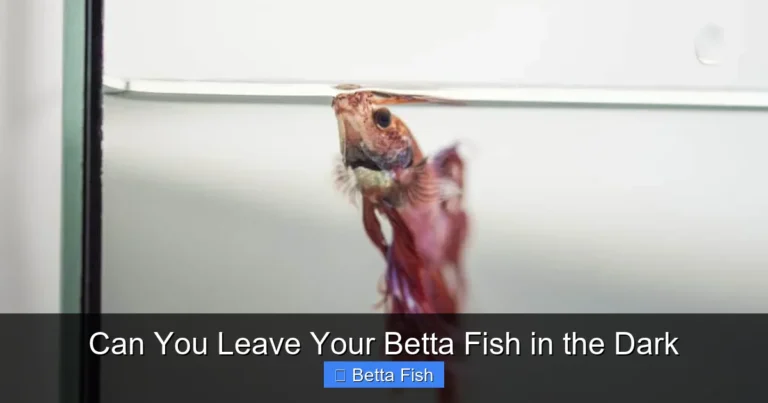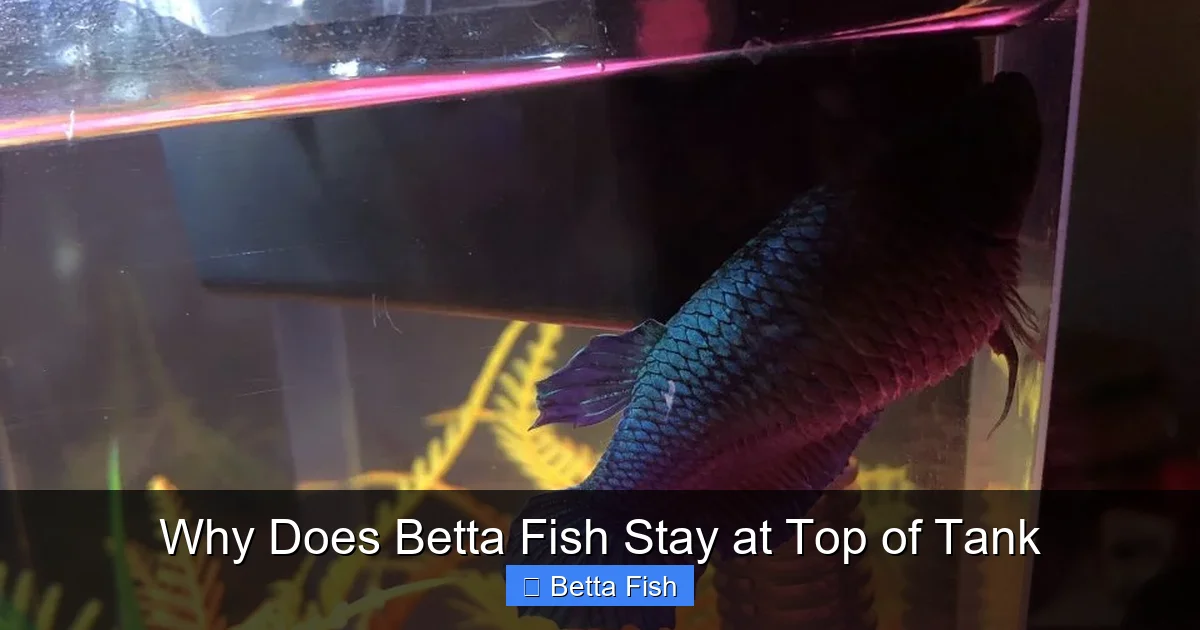
Why Does Betta Fish Stay at Top of Tank
Betta fish often hang out near the surface, but this behavior can signal anything from normal breathing to hidden stress. Understanding the reasons why does betta fish stay at top of tank helps you spot problems early and create a thriving environment.
Key Takeaways
- Surface dwelling is natural: Betta fish breathe air from the surface, so they frequently swim near the top.
- Poor water quality pushes them up: High ammonia, nitrite, or low oxygen makes bettas seek fresher water at the surface.
- Temperature and pH matter: Incorrect temperature or pH can cause stress, leading to surface‑only swimming.
- Health issues show up as top‑only behavior: Diseases, parasites, or injuries may force a betta to stay near the water line.
- Tank setup influences position: Too small a tank, lack of hiding spots, or strong currents can make a betta stay at the top.
- Observation is key: Regularly watch your fish’s swimming pattern to catch problems early.
- Simple fixes work fast: Adjusting water parameters, adding plants, or providing a proper lid often resolves the issue.
📑 Table of Contents
Introduction
Imagine you’ve just set up a gorgeous, 5‑gallon aquarium for your new betta. The colors are dazzling, the plants are swaying, and then you notice something odd: your betta spends most of its time at the very top of the tank, barely moving down. You might wonder, “why does betta fish stay at top of tank?” The answer isn’t always simple, but it’s never too late to find out.
In this article we’ll explore the most common reasons behind this behavior, how to differentiate normal surface‑breathing from a sign of trouble, and what you can do right now to help your fish feel comfortable again. Think of it as a friendly chat over a cup of coffee, with practical tips you can apply today.
1. Natural Surface Breathing
Betta fish (Betta splendens) belong to the “labyrinth fish” family. They have a special organ called the labyrinth that lets them gulp air from the surface. This adaptation is why they can survive in low‑oxygen environments like rice paddies.
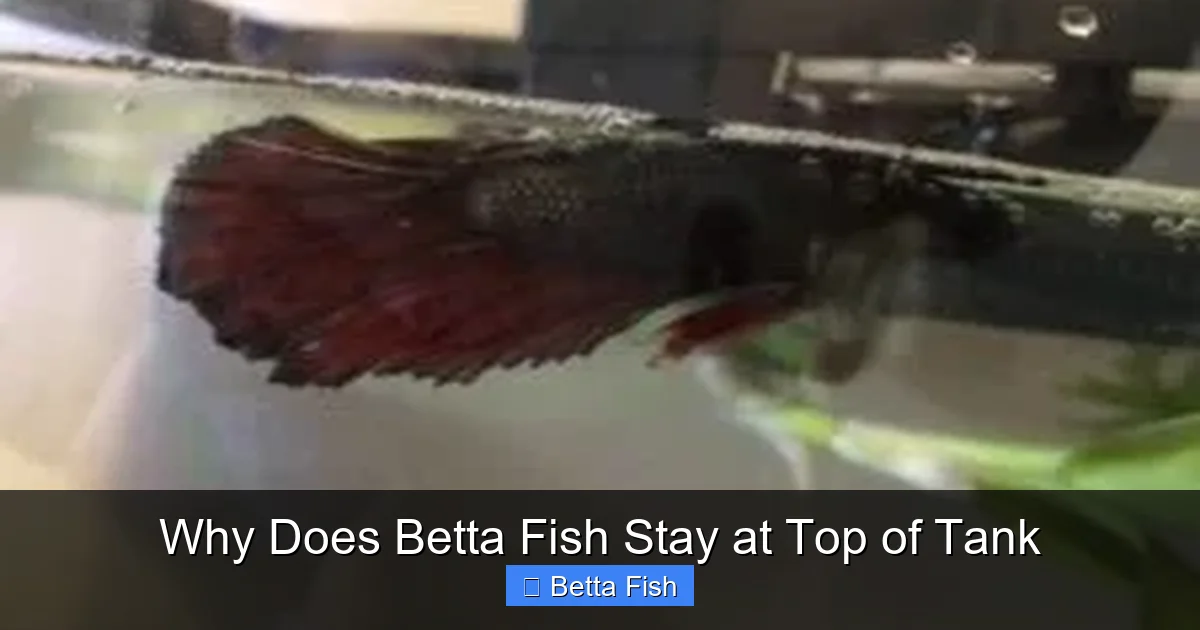
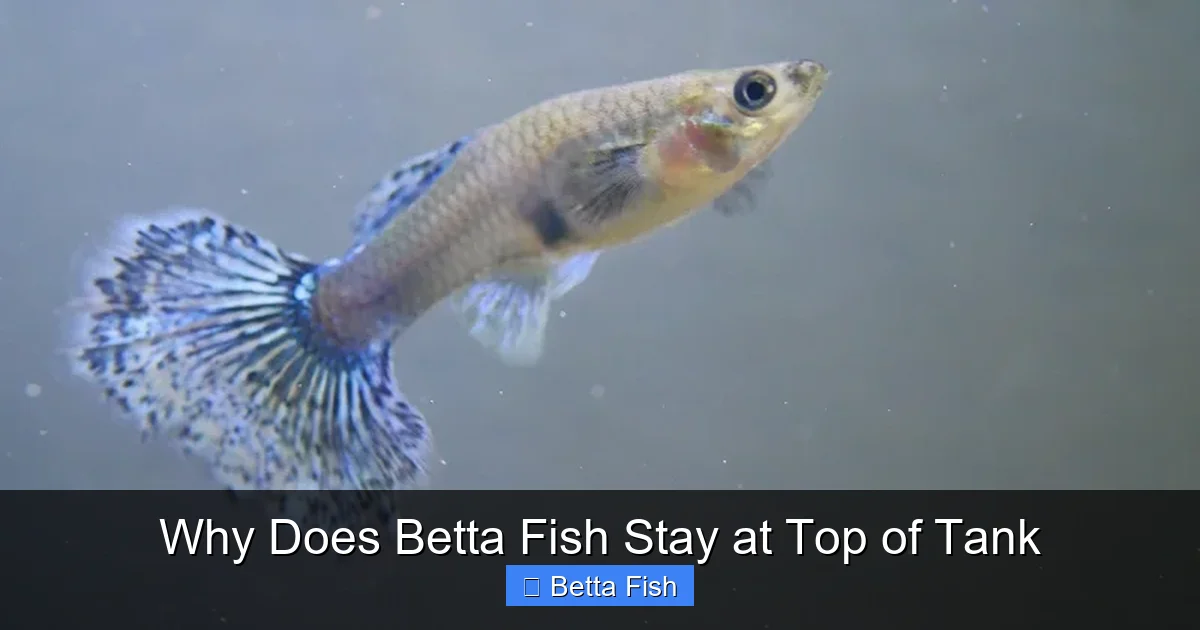
Visual guide about Why Does Betta Fish Stay at Top of Tank
Image source: bettafishworld.com
How the labyrinth works
The labyrinth organ is a maze‑like structure located just above the gills. When a betta takes a breath, it pulls a tiny bubble of air into this organ, where oxygen diffuses into the bloodstream. Because of this, bettas often swim near the water line to top up their air supply.
When surface breathing is normal
- After a feeding session – the fish may need extra oxygen to digest.
- During cooler evenings – oxygen solubility changes, prompting a quick surface visit.
- When the tank is newly set up – the water may still be stabilizing, so the fish checks the surface more often.
If your betta’s surface visits are brief and interspersed with normal swimming lower in the tank, it’s likely just a healthy habit.
2. Water Quality Problems
One of the most common reasons behind the question “why does betta fish stay at top of tank” is poor water conditions. Betta fish are sensitive to ammonia, nitrite, and low dissolved oxygen.
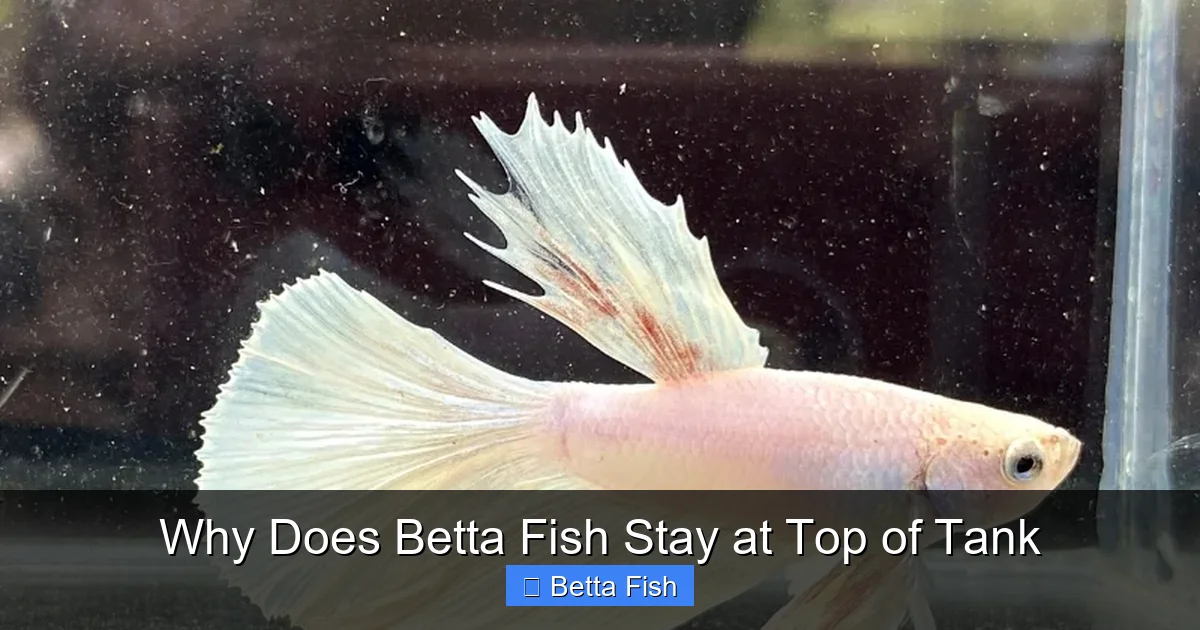
Visual guide about Why Does Betta Fish Stay at Top of Tank
Image source: aquariumpub.com
Ammonia and nitrite spikes
When waste builds up, ammonia (NH₃) and nitrite (NO₂⁻) levels rise. Both are toxic and cause fish to gasp for oxygen. The surface water typically has the highest oxygen content, so a stressed betta will hover there.
Test your water weekly with a reliable kit. If ammonia reads above 0 ppm or nitrite above 0.2 ppm, perform a partial water change (25‑30%) and consider adding a biological filter.
Low dissolved oxygen
Even though bettas can breathe air, they still rely on dissolved oxygen for overall health. Stagnant water, overcrowding, or too many live plants can deplete oxygen.
Solutions:
- Upgrade to a gentle air stone or a small internal filter that creates surface agitation.
- Ensure the tank is not over‑stocked – a single betta thrives best in a minimum 5‑gallon tank.
- Perform regular water changes to refresh oxygen levels.
Temperature and pH stress
Betta fish prefer water between 76‑82°F (24‑28°C). Water that’s too cold reduces metabolic rate, making the fish linger at the warm surface. Likewise, pH outside the 6.5‑7.5 range can cause irritation.
Use an aquarium heater and a reliable thermometer. If you need to adjust pH, do it slowly with commercial conditioners.
3. Tank Size and Layout
Even a well‑filtered tank can become uncomfortable if it’s too small or poorly arranged. A cramped space forces the fish to stay near the top where it feels safest.
Visual guide about Why Does Betta Fish Stay at Top of Tank
Image source: aquariumpub.com
Why size matters
Betta fish need room to explore, establish territories, and hide. A 2‑gallon bowl is a common mistake; it limits water stability and forces the fish to the surface for oxygen.
Check out our guide on how big of a tank does a betta fish need for detailed sizing recommendations.
Adding plants and decorations
Live or silk plants create gentle water flow and provide hiding spots at various depths. When a betta can retreat to the middle or bottom, it’s less likely to cling to the surface.
Try Java fern, Anubias, or floating plants like duckweed to break up the water column.
Current and flow
Strong currents from powerful filters can push a betta upward. Use a low‑flow filter or a sponge filter placed near the bottom. The goal is a calm water surface that still circulates enough to keep the water healthy.
4. Health Issues and Stressors
When a betta is ill, it may display “top‑only” swimming as a symptom. Below are common health problems that can make a betta stay at the top.
Fin rot and bacterial infections
Fin rot causes ragged, discolored fins. The fish may avoid the bottom where waste settles, preferring the cleaner surface.
Look for frayed edges, white spots, or a slimy coating. Treat with a broad‑spectrum antibiotic like Maracyn or a natural remedy such as Indian almond leaves.
Parasitic infestations
External parasites (Ich, velvet) irritate the skin, prompting the fish to stay near the surface where water movement is minimal.
Increase water temperature to 82°F for a few days and add a copper‑based medication if you spot white spots.
Swim bladder disorder
This condition affects buoyancy, making the fish float unnaturally. A betta with a compromised swim bladder often hovers near the top and can’t sink.
Feed a diet of peeled peas (cooked and mashed) to help with constipation, a frequent cause of swim bladder issues.
Stress from external factors
Loud noises, bright lights, or frequent tapping on the tank can cause anxiety. A stressed betta may seek the perceived safety of the water’s surface.
Keep the tank in a quiet area, dim the lights to 8‑10 hours a day, and avoid tapping on the glass.
5. Behavioral Reasons and Natural Instincts
Sometimes the answer to “why does betta fish stay at top of tank” isn’t a problem at all. Betta fish have instinctual behaviors that can explain surface preference.
Territorial patrol
Male bettas are territorial. They often rise to the surface to monitor the surroundings and keep an eye on potential intruders.
Bubble nest building
During breeding season, male bettas create a bubble nest at the water’s surface. Even non‑breeding males may practice nest‑building behavior, spending hours at the top.
Read more about bubble nests in our article why does a betta fish blow bubbles.
Playful curiosity
Betas are curious creatures. They may simply enjoy the view of the room from the water’s surface, especially if the tank is placed near a window or a busy area.
6. How to Diagnose and Fix the Issue
Now that we’ve covered the “why,” let’s talk about the “what next.” Follow these steps to pinpoint the cause and take action.
Step 1: Test water parameters
Use a liquid test kit to check ammonia, nitrite, nitrate, pH, and temperature. If any value is out of range, perform a partial water change and adjust as needed.
Step 2: Observe behavior for 10‑15 minutes
Watch your betta without disturbing the tank. Note how long it stays at the top, whether it darts down occasionally, and if it flares its fins. Quick, erratic movements may signal stress.
Step 3: Check the tank setup
- Is the heater set correctly?
- Is the filter creating a strong current?
- Are there enough plants or caves?
Make small adjustments—add a silk plant, reposition the filter, or lower the heater by a degree.
Step 4: Look for physical signs of illness
Inspect fins, eyes, and body for discoloration, spots, or frayed edges. If you see anything unusual, isolate the fish in a hospital tank and start treatment.
Step 5: Implement a routine maintenance schedule
Weekly water changes (20‑30%), monthly filter cleaning, and regular water testing keep the environment stable and reduce the chance of surface‑only swimming.
Step 6: Provide enrichment
Introduce floating toys, a small mirror, or varied feeding methods (e.g., feeding from a pipette) to encourage the betta to explore all water levels.
Conclusion
Seeing your betta linger at the top can be puzzling, but it’s often a clue that something needs attention. By understanding the natural breathing habit, checking water quality, ensuring proper tank size, and watching for health signs, you can quickly answer the question “why does betta fish stay at top of tank” and make the right adjustments.
Remember, a happy betta is a healthy betta. Keep a close eye on its behavior, maintain clean water, and give it plenty of places to hide and explore. In no time, you’ll see your finned friend swimming confidently throughout the entire tank, not just the surface.
Frequently Asked Questions
Why is my betta always at the surface?
Betta fish naturally breathe air from the surface using their labyrinth organ, so occasional surface visits are normal. Persistent staying at the top may indicate water quality or health issues.
Can temperature affect a betta’s position in the tank?
Yes. Water that is too cold can make a betta seek the warmer surface layer, while water that’s too warm can reduce dissolved oxygen, also causing surface‑only swimming.
Do bettas sleep at the top of the tank?
Betta fish often rest near the surface because it’s a safe spot with easy access to air. For more details, see our article on do betta fish sleep at the top of the tank.
What should I do if my betta won’t leave the surface?
First test the water for ammonia, nitrite, and pH. Perform a partial water change, adjust temperature, and add gentle surface agitation. If the behavior continues, check for signs of illness.
Is a small bowl enough for a betta?
No. Small bowls can’t maintain stable water parameters and often lack oxygen. A minimum of 5 gallons is recommended for a healthy betta.
Can a betta’s bubble nest cause it to stay at the top?
During breeding season, male bettas build bubble nests at the surface and may spend hours there. This is normal behavior and not a cause for concern.