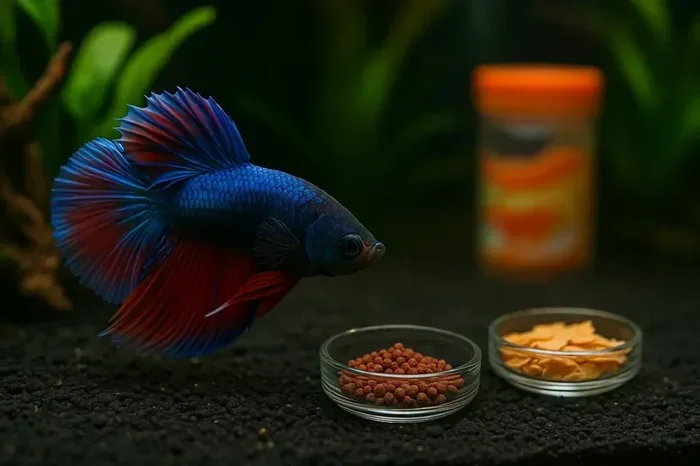
Why Does Betta Fish Change Color

Betta fish change color for several natural and environmental reasons. The most common cause is a genetic trait called “marbling,” where their colors shift throughout life. Stress from poor water quality, incorrect temperature, or illness can also cause fading or darkening. Diet plays a role, as high-quality, pigment-rich foods enhance vibrancy. Conversely, nutritional deficiencies or disease often lead to dullness. While some color change is normal, significant or rapid shifts usually signal an issue with the fish’s environment or health that needs addressing.
Key Takeaways
- Genetics & Marbling: Many bettas have a genetic trait that causes them to change colors and patterns over time, a natural process called marbling.
- Stress is a Major Culprit: Poor water quality, incorrect temperature, aggressive tank mates, or sudden changes can cause bettas to fade, darken, or develop stress stripes.
- Water Quality is Non-Negotiable: High ammonia or nitrite levels directly damage a betta’s color cells and lead to chronic stress and fading.
- Diet Directly Impacts Vibrancy: A diet lacking in carotenoids and other pigments will result in dull colors, while high-quality, varied foods enhance natural hues.
- Age Causes Subtle Shifts: As bettas mature, their colors often become more defined, but very old fish may experience general fading.
- Health Issues Manifest in Color: Diseases like fin rot, velvet, or internal parasites often cause color loss, patches, or unusual darkening.
- You Can Influence Color: While you can’t stop genetic marbling, optimal care—clean water, proper diet, and stable parameters—maximizes a betta’s color potential.
📑 Table of Contents
- Understanding the Living Canvas: An Introduction to Betta Fish Coloration
- The Science Behind the Scales: Chromatophores and Color Production
- Marbling: The Natural, Genetic Color-Shifting Phenomenon
- Environmental Triggers: When Your Betta’s Mood Shows in Its Hue
- Diet and Nutrition: Eating for Vibrancy
- Health Concerns: Color Change as a Symptom
- Can You Influence Your Betta’s Colors? A Practical Guide
- Conclusion: Embracing the Dynamic Beauty of Your Betta
Understanding the Living Canvas: An Introduction to Betta Fish Coloration
Hey there, fellow betta enthusiast! Have you ever looked at your beautiful Siamese fighting fish and thought, “Did your colors just… shift?” One day, your vibrant blue boy seems a little more greenish, or your stunning red female appears to have a new black spot. It’s not your imagination. The phenomenon of betta fish changing color is incredibly common, often fascinating, and sometimes a little worrying. So, why does betta fish change color? The answer isn’t simple—it’s a blend of breathtaking genetics, environmental storytelling, and health diagnostics.
Think of your betta not as a static painting, but as a living, breathing canvas. Its colors are produced by specialized cells called chromatophores, and these cells are influenced by a symphony of factors. Sometimes, the change is a beautiful, planned part of their biology. Other times, it’s a desperate SOS signal written in fading hues. Our goal here is to decode that language. We’ll dive deep into the science of marbling, explore how your aquarium’s conditions paint new patterns on your fish, and learn to distinguish between a natural color evolution and a red flag. By the end, you’ll look at your betta with new understanding, able to appreciate its dynamic beauty while being its best health advocate.
The Science Behind the Scales: Chromatophores and Color Production
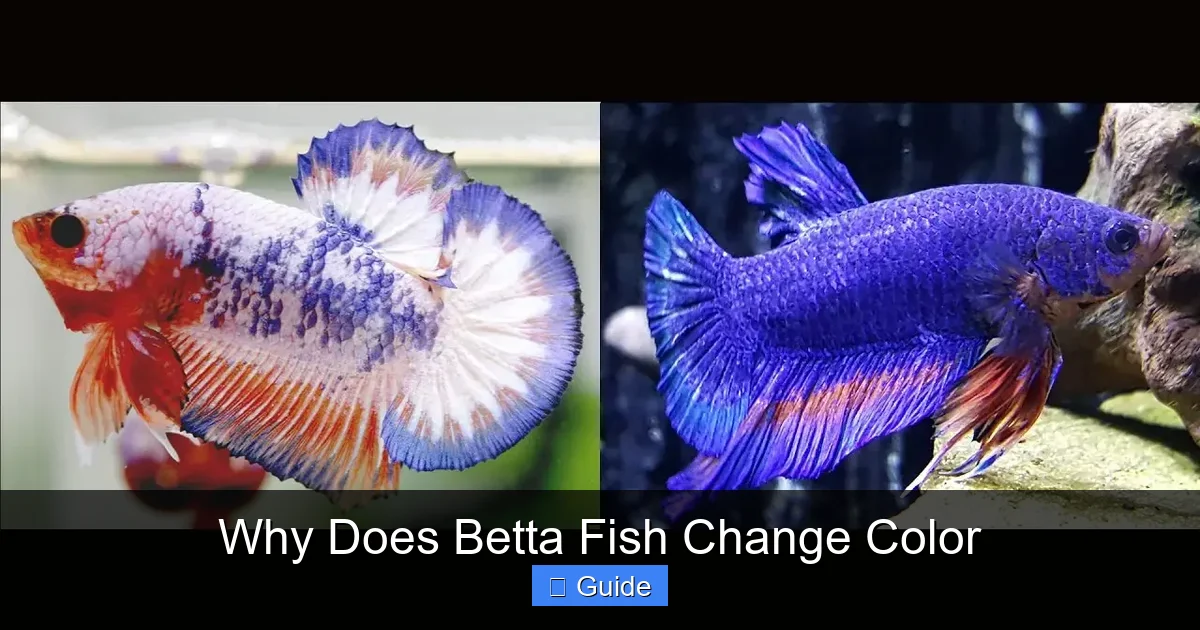
To understand change, we first need to understand the source. A betta’s stunning array of colors—reds, blues, greens, yellows, metallics—isn’t from a single pigment. It’s created by a complex layer of cells in the skin called chromatophores. There are three primary types at play:
Visual guide about Why Does Betta Fish Change Color
Image source: bettafishworld.com
- Xanthophores: These cells produce yellow and red pigments, often from carotenoids found in their diet.
- Iridophores: These are the magic-makers for blues, greens, and metallic sheens. They don’t use pigment; instead, they use guanine crystals to reflect light, creating iridescence. The arrangement of these crystals determines the specific hue.
- Melanophores: These cells contain melanin, producing black, brown, and gray pigments. They are often involved in patterns and can darken in response to stress or irritation.
These cells don’t operate in isolation. They exist in layers, and the dominant cell type in a particular area decides the visible color. The fascinating part? These cells can move pigment granules within them, expand, or contract. This is the core mechanism behind why betta fish change color. When a betta is stressed, melanophores might expand, causing a sudden darkening or the appearance of “stress bars.” When an iridophore’s crystal structure subtly shifts, the reflected blue light might become green. It’s a dynamic, responsive system.
Genetic Blueprint vs. Environmental Expression
Your betta’s genetic code provides the blueprint—the potential for certain colors and the basic layout of its patterns. But the environment is the artist that brings that blueprint to life. A betta genetically capable of brilliant blue might only display a dull gray-blue in poor water conditions because the iridophores aren’t healthy or active. This interaction between fixed genetics and mutable environment is the heart of the color-change mystery. It means two bettas with identical genetic color genes can look completely different based on how they’re kept.
Marbling: The Natural, Genetic Color-Shifting Phenomenon
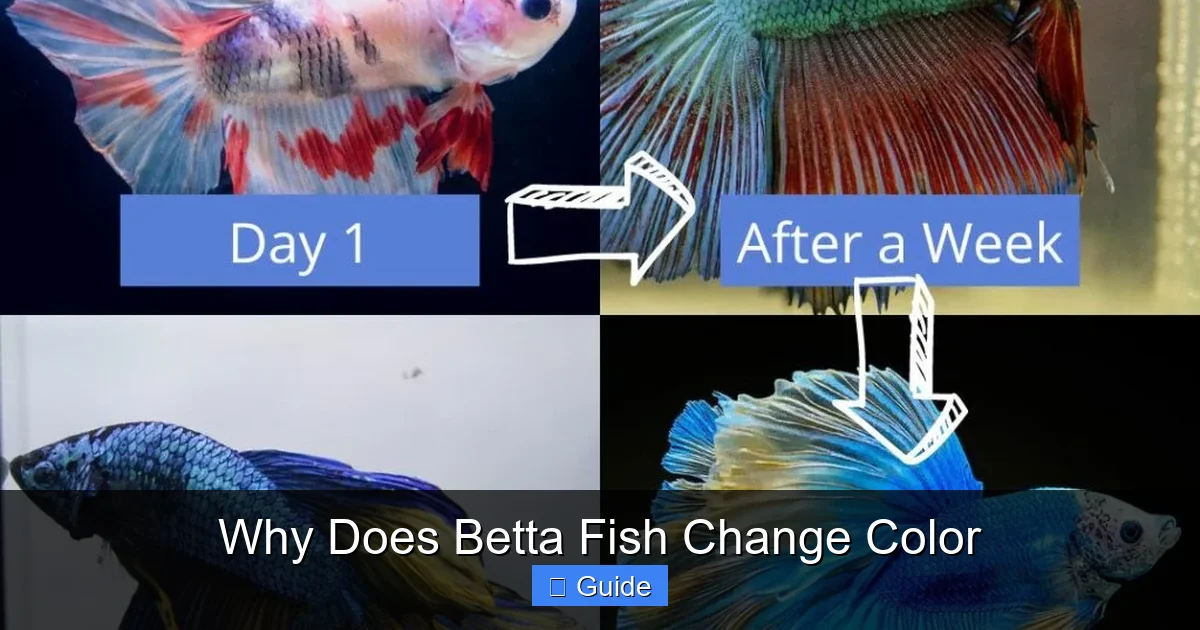
Now, let’s talk about the most famous and often beautiful reason for color change: marbling. If you have a betta that seems to be slowly painting new patterns on its fins and body over months or years, you’re likely witnessing marbling. This is a genetically programmed, ongoing rearrangement of chromatophores. It’s particularly common in bettas with multicolored patterns, like koi or butterfly varieties, but can occur in solid-colored fish too.
Visual guide about Why Does Betta Fish Change Color
Image source: bettafishworld.com
Marbling is essentially a slow, controlled form of cellular migration. The pigment cells are moving to new locations, creating new patterns. A red spot might spread into a blush. A blue patch might develop a green edge. The changes are usually gradual—you might not notice day-to-day, but over weeks, the transformation is clear. This process is entirely natural and not a sign of illness. Some bettas are “heavy marblers” and continue this dance for most of their lives, while others have a more stable color after their first year.
The “Koi” Betta: A Masterpiece in Motion
The koi betta is the poster child for dramatic marbling. Bred to mimic the patterns of koi fish, these bettas often have a base color (like orange or red) with black and white splashes. The “koi” pattern is famously unstable. That distinctive black “sumi” marking on the head might slowly creep down the back, or a white patch might expand. Owners of koi bettas often document their fish’s evolving “artwork” with photos over time. It’s a living piece of aquatic art. If your betta is a marble or koi type, expect its canvas to change. This is its normal, genetic expression, not a cause for concern.
Environmental Triggers: When Your Betta’s Mood Shows in Its Hue
While genetics sets the stage, your betta’s immediate environment is the director of its daily color performance. Stress is the most powerful and rapid environmental trigger for color change, and it usually manifests as fading, darkening, or the appearance of horizontal stress stripes (often pale, vertical bars on the body). Here’s what in the tank can cause this:
Water Quality: The Prime Suspect
This is the number one rule of betta care and color. Bettas are sensitive to ammonia, nitrite, and high nitrate levels. These toxins cause immense physiological stress. The immediate response is often a rapid darkening (melanophore expansion) or a general, dull fading as the fish’s energy is diverted to survival, not maintaining vibrant chromatophores. Chronic exposure to poor water leads to permanent fading and illness. Regular testing with a liquid test kit, weekly partial water changes (25-30%), and a properly cycled filter are non-negotiable for color retention.
Temperature Extremes
Bettas are tropical fish, thriving in a stable 78-80°F (25.5-26.5°C). Water that’s too cold (< 76°F) slows their metabolism and can cause dull, dark colors. Water that’s too hot (> 82°F) increases stress and oxygen demand, also leading to fading. Use a reliable aquarium heater and a separate thermometer to ensure a stable temperature.
Tank Mates and Territory
A betta that feels threatened—by a boisterous tank mate, a reflection it sees constantly, or a lack of hiding places—will become stressed. This stress can cause immediate color changes. A previously peaceful betta might suddenly develop dark vertical bars (stress stripes) or its vibrant colors might seem to “wash out.” Ensuring a properly sized tank (minimum 5 gallons), providing ample plants and decorations for cover, and choosing compatible, non-aggressive tank mates is crucial for a confident, colorful betta.
Diet and Nutrition: Eating for Vibrancy
You are what you eat, and that holds incredibly true for betta fish color. The pigments in their food are directly incorporated into their chromatophores, especially xanthophores (reds/yellows). A diet of generic, low-quality flake food will result in a dull, washed-out fish. To maximize color, you must provide the building blocks for pigment.
- Carotenoids: These are the key for reds, oranges, and yellows. They come from natural sources like brine shrimp, daphnia, bloodworms, and high-quality pellets where the first few ingredients are whole fish or seafood. Krill is another excellent source.
- Protein: Bettas are carnivores. High-quality animal protein supports overall health, which is foundational for vibrant color. A weak, malnourished fish cannot maintain good color.
- Variety: Rotate between high-quality pellet staples and frozen or live foods 2-3 times a week. This provides a broad spectrum of nutrients and pigments.
Practical Tip: Look for pellets with “astaxanthin” or “canthaxanthin” listed—these are specific, potent carotenoids known to enhance red and orange hues. Avoid foods with artificial color enhancers; they are often just dyes that don’t provide real nutritional value and can pollute the water.
Health Concerns: Color Change as a Symptom
Sometimes, why betta fish change color has a less glamorous answer: the fish is sick. Color change is a common symptom of many common betta ailments. It’s vital to learn to read these signs.
Common Diseases and Their Color Signatures
- Fin Rot & Body Rot: Caused by bacteria, this disease eats away at fin tissue. The affected fins become ragged, white or black at the edges, and may appear to be disintegrating. The base of the fins or body may show a red or inflamed streak.
- Velvet Disease: A parasitic infection. The classic sign is a fine, gold or rust-colored dusting on the body and fins, as if the fish has been sprinkled with gold powder. The fish will also be lethargic, scratch against objects, and have clamped fins.
- Ich (White Spot Disease): Another parasite, but it causes distinct white, salt-like spots, not a color shift in the existing scales. However, the fish’s overall color will often become very dull and pale as it weakens.
- Internal Issues: Parasites, bacterial infections, or organ failure can cause a betta to become extremely pale, almost translucent, especially on the belly and gill covers. This is a late-stage sign of serious illness.
What to Do If You Suspect Illness
If your betta’s color change is accompanied by other symptoms—lethargy, loss of appetite, rapid gill movement, clamped fins, spots, or torn fins—act quickly. Isolate the betta in a hospital tank. Perform a full water test on the main tank. Research the specific symptoms to identify the likely disease. Early intervention with appropriate medication (copper-based for parasites, antibiotics for bacterial infections) is critical. Never medicate a healthy community tank.
Can You Influence Your Betta’s Colors? A Practical Guide
So, knowing all this, what can you, the betta parent, actively do to support the most vibrant, stable coloration possible? While you can’t override genetics (you can’t make a red betta turn blue), you can absolutely maximize the expression of the colors your betta was born with and prevent unnecessary fading.
The Pillars of Vibrant Color Care
- Master Water Parameters: This is the foundation. Zero ammonia, zero nitrite, nitrates under 20 ppm. Stable temperature between 78-80°F. Use a filter (a gentle sponge filter is perfect) and perform weekly 25-30% water changes with dechlorinated water matching the tank temperature.
- Feed a High-Quality, Varied Diet: Base diet should be a premium betta pellet (2-3 pellets once daily, fast one day a week). Supplement 2-3 times a week with frozen or live foods like daphnia, brine shrimp, or bloodworms. This provides essential proteins and carotenoids.
- Provide a Stimulating, Low-Stress Environment: A 5+ gallon tank with a secure lid (bettas jump!). Use soft, silk or live plants (like java fern, anubias) for hiding. Provide smooth décor with no sharp edges. Avoid mirrors and overly aggressive tank mates. Keep the tank in a quiet area away from direct sunlight and loud vibrations.
- Ensure Proper Lighting: While bettas don’t need intense lighting, a consistent day/night cycle (8-10 hours of light) helps regulate their biological rhythm. Good lighting also makes their colors pop for you to admire! Use a simple LED light on a timer.
Remember: If your betta is a marbling type, enjoy its evolving beauty. If the change is sudden, dramatic, and paired with other signs of distress, your first diagnostic step is always a comprehensive water test. More bettas are “cured” by a simple water change than by any medication.
Conclusion: Embracing the Dynamic Beauty of Your Betta
So, why does betta fish change color? The answer is a beautiful, complex story written in cells. It’s the tale of ancient genetics expressing itself through marbling, the silent screams of stress reflected in fading scales, the vibrant celebration of a nutrient-rich diet, and the somber warning of a struggling immune system. Your betta is not a static ornament; it’s a living indicator of its world.
By becoming a student of its hues, you become a better caretaker. You learn that a sudden darkening means “check my water,” that a gradual pattern shift in a koi betta means “watch my art evolve,” and that a persistent dullness means “evaluate my diet and health.” The journey of understanding why betta fish change color ultimately leads you to the core of responsible fishkeeping: observing, responding, and providing the stable, clean, and nourishing environment that allows your aquatic companion to display its most brilliant, healthy self. Cherish the changes, both the beautiful and the concerning, for they are your betta’s way of communicating with you. Now, go admire your living canvas—you’re equipped to read its story.
Frequently Asked Questions
Is it normal for my betta fish to change color?
Yes, it is often completely normal. Many bettas have a genetic trait called marbling that causes them to develop new patterns and color shifts over their lifetime. Gradual changes are typically nothing to worry about. However, sudden or dramatic fading, darkening, or the appearance of spots alongside other symptoms like lethargy can indicate stress or illness.
How can I stop my betta from losing its color?
Focus on optimizing its environment. Start with pristine water quality—test regularly for ammonia/nitrite and perform weekly water changes. Ensure the water temperature is stable between 78-80°F. Feed a high-quality pellet diet supplemented with frozen or live foods like brine shrimp or daphnia 2-3 times a week to provide essential pigments. Reduce stress by providing hiding spots and compatible (or no) tank mates.
What do stress stripes on a betta fish look like?
Stress stripes are pale, horizontal bars that appear on the body of a betta, often running from the gill covers to the tail base. They are usually a lighter shade than the fish’s base color (e.g., pale pink on a red betta, gray on a blue betta). Their sudden appearance is a clear sign your betta is stressed, most commonly due to poor water quality, incorrect temperature, or a threatening environment.
Why is my ‘solid color’ betta developing black patches or new colors?
This is likely marbling at work. Your betta probably has the genetic tendency for color change, even if it was sold as a “solid” color. The black patches or new hues (like green on a blue fish) are its chromatophores rearranging. This is a slow, natural process and not a sign of disease. Enjoy the unique pattern your betta is creating!
Can my betta’s diet really change its color?
Absolutely. A diet lacking in carotenoids (pigments from natural sources) will result in dull, faded colors. Feeding high-quality foods with ingredients like krill, brine shrimp, or astaxanthin will enhance reds, oranges, and yellows. A well-nourished betta with a strong immune system will always display more vibrant and stable coloration than a malnourished one.
When should I be worried about my betta’s color change?
Be concerned and investigate further if the color change is sudden and accompanied by any of these signs: lethargy, loss of appetite, clamped fins, rapid breathing, visible spots (like gold dust for velvet or white salt for Ich), torn or rotting fins, or rubbing against tank objects. This combination usually points to poor water quality or a specific disease that requires action, starting with a water test and potential isolation.