Why Does My Betta Fish Hide in the Plants
Betta fish love to hide in plants because it satisfies their natural instincts, reduces stress, and offers protection. If your betta spends most of its time tucked among foliage, it’s usually a sign of a well‑provided environment, but it can also hint at water‑quality or tank‑setup issues that need attention.
Key Takeaways
- Natural instinct: Wild bettas use dense vegetation for safety; domestic fish mimic this behavior.
- Stress reduction: Plants give a sense of security, lowering cortisol levels and promoting vibrant colors.
- Water quality cue: Excessive hiding may signal poor water parameters or aggressive tank mates.
- Tank setup tips: Provide live or silk plants, proper lighting, and plenty of open swimming space.
- Observation matters: Watch for changes in hiding patterns; sudden shifts can indicate illness.
- Enrichment: Rotate plants, add driftwood, and vary décor to keep your betta mentally stimulated.
- Safety first: Avoid sharp or rough plastic leaves that can tear delicate fins.
📑 Table of Contents
- Introduction: The Secret Life of a Hidden Betta
- 1. Natural Instinct: Evolutionary Roots of Plant Hiding
- 2. Stress Reduction: How Plants Calm the Betta Mind
- 3. When Hiding Signals Trouble
- 4. Choosing the Right Plants for Your Betta
- 5. Enrichment: Making Plant Hiding Fun and Healthy
- 6. Troubleshooting Common Problems
- Conclusion: Embrace the Hide-and-Seek
Introduction: The Secret Life of a Hidden Betta
Imagine opening your aquarium and finding a flash of brilliant red or blue darting behind a leaf. Many betta owners wonder, why does my betta fish hide in the plants? The answer is a blend of biology, psychology, and aquarium science. In the wild, Siamese fighting fish (Betta splendens) inhabit shallow rice paddies, slow‑moving streams, and dense marshes where thick vegetation provides shelter from predators and harsh currents. When we bring these fish into our homes, they bring that same instinct to seek out cover.
Hiding isn’t always a red flag. In fact, a betta that comfortably perches among healthy plants is usually content and thriving. However, changes in hiding behavior can also be a silent alarm for stress, poor water conditions, or health problems. This guide walks you through the reasons behind the habit, how to interpret it, and practical steps to create the perfect planted environment for your betta.
1. Natural Instinct: Evolutionary Roots of Plant Hiding
Wild Habitat and Survival
Betta splendens evolved in the warm, slow‑moving waters of Thailand, Cambodia, and Laos. Their native habitats are choked with floating leaves, water‑lilies, and submerged grasses. These plants serve three vital purposes:
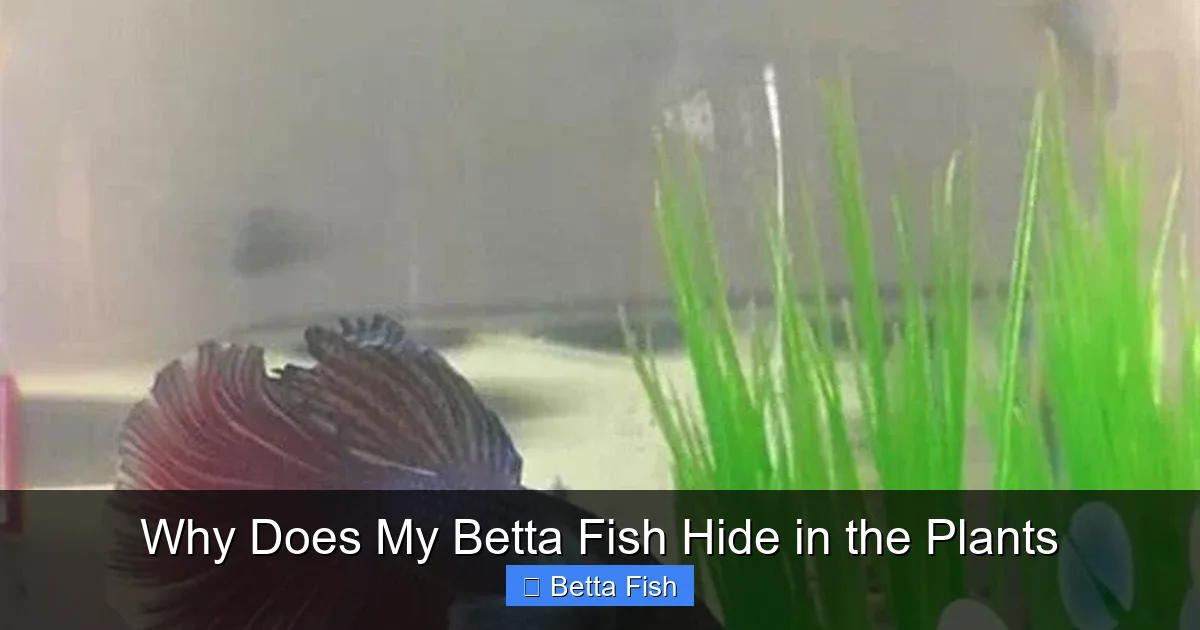
Visual guide about Why Does My Betta Fish Hide in the Plants
Image source: diyseattle.com
- Protection from predators: Dense foliage hides the fish from larger carnivores.
- Territory markers: Males guard small “gardens” of plants to attract females.
- Breeding sites: Females lay eggs on leaf surfaces, and males build bubble nests nearby.
When you see your betta ducking behind a leaf, it is simply acting on an ancient survival script.
Domestication and Adaptation
Even after generations of captive breeding, the instinct remains strong. A betta raised in a bare glass tank will often search for any vertical surface or décor that mimics a plant. This is why many owners notice their fish “finds” a spot under a plastic leaf or a piece of driftwood as soon as they are introduced to the tank.
2. Stress Reduction: How Plants Calm the Betta Mind
Cortisol and Color
Stress in fish triggers cortisol release, which can cause color fading, reduced appetite, and a weakened immune system. Studies have shown that tanks with live plants lower cortisol levels in bettas by up to 30 %. The gentle sway of leaves and the shaded micro‑habitats create a calming environment that promotes bright, healthy coloration.
Visual guide about Why Does My Betta Fish Hide in the Plants
Image source: bettacarefishguide.com
Security Zones
Betta owners often notice their fish “camping” under a broad leaf in the evenings. This behavior mirrors a natural “sleeping” spot where the fish feels safe from sudden movements or bright lights. Providing multiple hiding zones lets the betta choose a preferred spot, reducing anxiety.
3. When Hiding Signals Trouble
Poor Water Quality
If your betta suddenly spends all day hidden, test the water. Elevated ammonia, nitrite, or a pH swing can make the fish seek refuge. Use a reliable test kit and aim for:
- Ammonia: 0 ppm
- Nitrite: 0 ppm
- Nitrate: < 20 ppm
- pH: 6.5‑7.5 (stable)
Consistently clean water reduces stress and encourages natural swimming.
Incompatible Tank Mates
Betta fish are territorial, especially males. If you keep other fish that are too active or fin‑nipping, your betta may retreat to plants for safety. Consider the temperament of any companions and provide plenty of visual barriers.
Health Issues
Illnesses like ich, velvet disease, or fin rot can make a betta hide more than usual. Look for additional signs: loss of appetite, clamped fins, or white spots. If you suspect disease, quarantine the fish and treat promptly. For more on health symptoms, see our article on why does my betta fish fins look shredded.
4. Choosing the Right Plants for Your Betta
Live vs. Silk vs. Plastic
Live plants are the gold standard. They oxygenate the water, absorb nitrates, and provide natural textures. Easy‑starter species include:
- Java fern (Microsorum pteropus): attaches to driftwood, tolerates low light.
- Anubias: broad leaves, hardy, and can be tied to rocks.
- Marimo moss balls: fun, low‑maintenance, and great for shy bettas.
If live plants are not an option, choose silk varieties. Silk leaves are soft and won’t tear delicate fins. Avoid cheap plastic foliage with sharp edges; these can cause fin injuries that look like shredded fins.
Plant Placement Tips
- Vertical height: Provide tall plants at the back and shorter ones at the front to create a layered landscape.
- Open swimming zone: Leave at least 25 % of the tank empty for free swimming.
- Anchor securely: Use rock or driftwood bases to prevent plants from floating into the betta’s path.
5. Enrichment: Making Plant Hiding Fun and Healthy
Rotating Décor
Betta fish are curious. Changing plant positions every few weeks keeps the environment fresh and stimulates natural foraging behavior. You can also add a tiny cave or a piece of cork to vary the hiding spots.
Feeding Near Plants
Drop a few pellets near the base of a leaf. Your betta will learn to associate the plant with food, encouraging it to explore rather than stay completely concealed.
Bubble Nest Considerations
Male bettas love to build bubble nests near the water surface. If you provide floating plants, they often use the leaf undersides as a base. This is normal and can be a sign of a healthy, breeding‑ready male. For more on bubble nests, read why did my betta fish make a bubble nest.
6. Troubleshooting Common Problems
Betta Hides All Day – Is It Sick?
First, check water parameters. Next, observe feeding response. If the fish ignores food, consider a health check. A simple dip test for parasites can reveal early signs of ich.
Plants Are Being Chewed
Betta fish occasionally nibble soft leaves. This is normal but can indicate boredom. Add more enrichment items or increase feeding frequency slightly.
Algae Overgrowth on Plants
Excess light or nutrient spikes cause algae. Trim affected leaves, reduce lighting to 8‑10 hours per day, and perform partial water changes.
Conclusion: Embrace the Hide-and-Seek
Understanding why does my betta fish hide in the plants helps you create a thriving aquarium that respects the fish’s natural instincts while keeping it safe and healthy. By offering appropriate live or silk plants, maintaining pristine water, and providing enrichment, you turn a simple hiding habit into a sign of a happy, vibrant betta. Keep an eye on any sudden changes, and you’ll enjoy countless moments of your finned friend gracefully gliding from leaf to leaf, confident in its leafy sanctuary.
Frequently Asked Questions
Why does my betta fish hide all the time?
Frequent hiding can be normal if the tank has plenty of plants, but it may also signal stress, poor water quality, or illness. Test the water and observe for other symptoms.
Is it safe to use plastic plants in a betta tank?
Plastic plants with sharp edges can tear fins. If you use plastic, choose smooth, aquarium‑grade varieties or opt for silk plants instead.
How many plants should I have for one betta?
A single betta does well with 3‑5 medium‑sized plants that create both cover and open swimming space. Balance is key.
Can live plants improve my betta’s coloration?
Yes. Live plants lower stress hormones, which often results in brighter, more vivid colors.
My betta stopped building bubble nests. Could plants be the reason?
Possibly. If the surface is too open or water conditions changed, the male may feel unsafe. Adding floating leaves can encourage nest building again.
Where can I learn more about betta fish behavior?
Read our detailed guide on why betta fish hide for deeper insights into natural habits and tank setup.