Why Do Betta Fish Puff Up
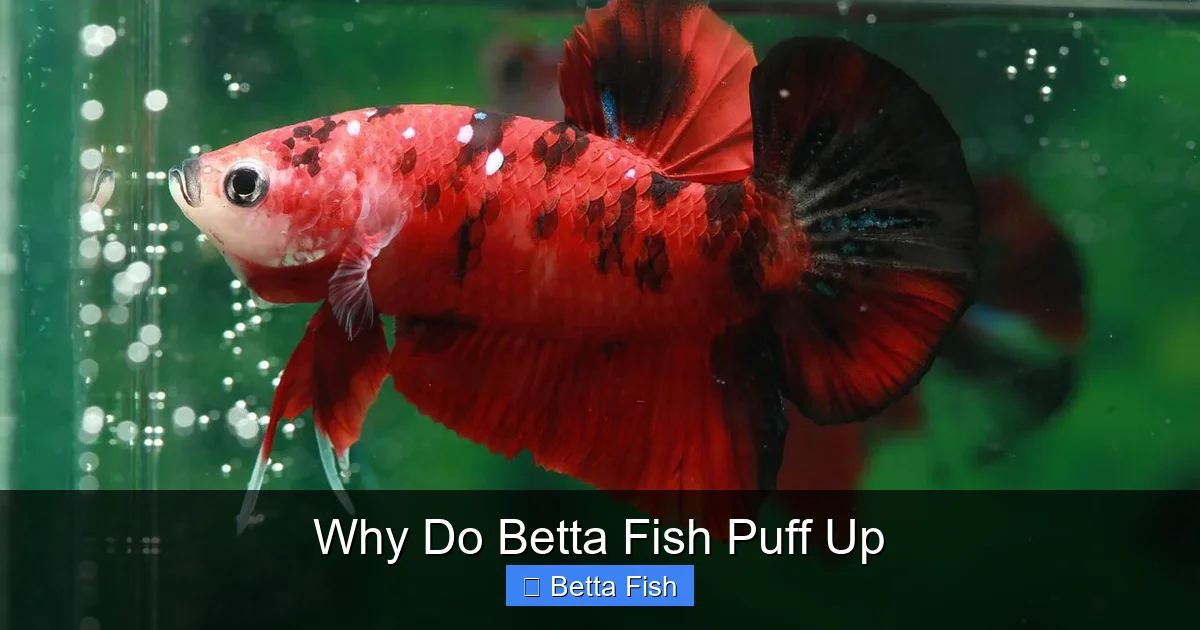
Betta fish puff up as a natural defense, a sign of stress, or a health issue. Understanding the reasons—ranging from water quality to parasites—helps you act quickly and keep your betta happy. Quick checks and easy fixes can often restore normal behavior.
Key Takeaways
- Defensive puffing: Betta fish inflate their bodies to appear larger when threatened.
- Water quality matters: Poor parameters like high ammonia or low temperature can trigger puffing.
- Health alerts: Parasites, bacterial infections, or internal gas buildup often cause a swollen appearance.
- Stress signals: Overcrowding, aggressive tank mates, or sudden changes can lead to puffing.
- Immediate actions: Test water, isolate the fish, and adjust diet to reduce the risk.
- Long‑term prevention: Consistent tank maintenance and proper nutrition keep puffing episodes rare.
- When to seek help: Persistent swelling, loss of appetite, or lethargy warrants veterinary consultation.
📑 Table of Contents
- Introduction: The Mystery Behind the Balloon‑Like Betta
- 1. The Natural Defense: Showing Off Their Size
- 2. Stress‑Induced Puffing: The Hidden Warning Signs
- 3. Health Issues: When Puffing Signals Illness
- 4. Dietary Triggers: Overfeeding and Bad Food
- 5. How to Diagnose and Respond Quickly
- 6. Preventing Future Puffing Episodes
- Conclusion: Understanding the Balloon Language
Introduction: The Mystery Behind the Balloon‑Like Betta
If you’ve ever watched a betta fish suddenly look like a tiny balloon, you’ve probably wondered, why do betta fish puff up? It can be startling, especially for new owners who think their pet is in immediate danger. The good news is that puffing is usually a signal—not a catastrophe. By learning what triggers this behavior, you can act fast, prevent serious problems, and keep your betta thriving.
In this article we’ll explore the science behind the puff, the most common reasons bettas inflate, and practical steps you can take at home. We’ll also answer the toughest questions, from “Is it a sign of disease?” to “Can I stop my betta from puffing altogether?” By the end, you’ll feel confident reading your fish’s body language and creating a stress‑free environment.
1. The Natural Defense: Showing Off Their Size
Why do betta fish puff up as a defensive tactic?
Betta fish are territorial warriors. In the wild, a male will guard a small stretch of water and chase away rivals. When a potential threat appears—another fish, a sudden movement, or even a hand reaching into the tank—the betta can inflate its body by gulping water and air. This makes it look larger and more intimidating, a behavior known as “puffing” or “ballooning.”
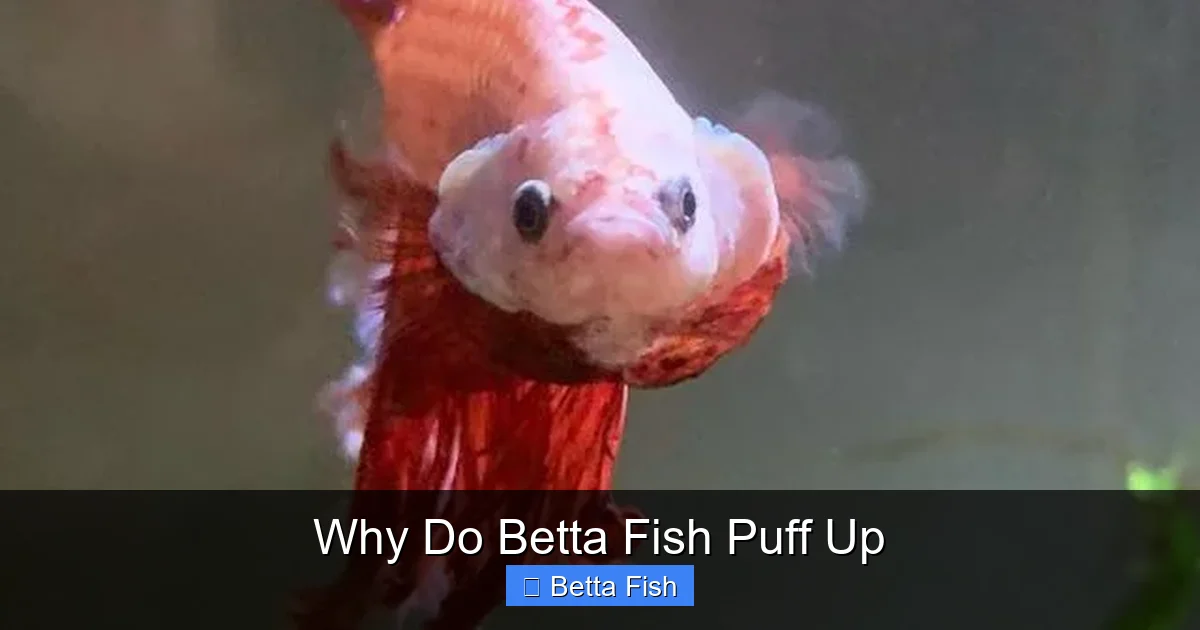
Visual guide about Why Do Betta Fish Puff Up
Image source: ouraquariumlife.com
How the mechanism works
The fish expands its buccal cavity and stomach, holding water like a tiny balloon. The gill covers (opercula) may also flare, adding to the dramatic effect. This response is quick, lasting only a few seconds to a couple of minutes, and the fish returns to normal once the threat passes.
When puffing is harmless
- Short‑duration puffing during a tank cleaning.
- Reaction to a new decoration being placed.
- Brief response to a sudden light change.
In these cases, the puff is a normal, healthy sign that your betta’s instinct is intact.
2. Stress‑Induced Puffing: The Hidden Warning Signs
Environmental stressors that cause puffing
Betta fish are sensitive to their surroundings. Even small changes can trigger a stress response that includes puffing. Common stressors include:
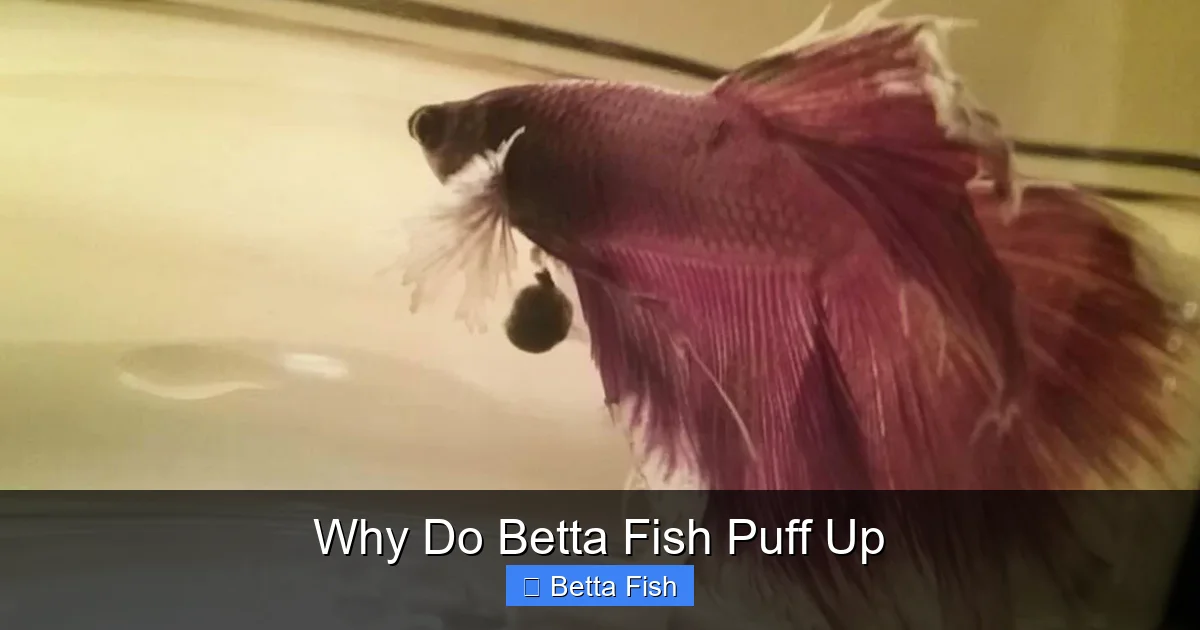
Visual guide about Why Do Betta Fish Puff Up
Image source: bettafish.org
- Water temperature fluctuations: Betta fish thrive at 76‑82°F (24‑28°C). Sudden drops can make them puff.
- Improper water chemistry: High ammonia, nitrite, or low pH irritates the gills, prompting puffing.
- Incompatible tank mates: Aggressive fish or even too‑many snails can make a betta feel threatened.
- Overcrowding: A tank that is too small (under 5 gallons) limits territory, increasing stress.
- Bright or flickering lights: Rapid changes mimic predator shadows.
Spotting stress‑related puffing
When stress is the cause, you’ll often see other signs:
- Lethargic swimming or hiding.
- Loss of color intensity.
- Frequent hiding under plants or decorations.
If you notice these alongside puffing, it’s time to check water parameters and tank setup. A quick water test can reveal ammonia spikes or pH shifts that need correction.
3. Health Issues: When Puffing Signals Illness
Bacterial infections and internal gas
One of the more serious reasons why do betta fish puff up is an infection that causes gas buildup in the digestive tract. Bacterial infections like Vibrio or Aeromonas can produce gas, leading to a swollen abdomen that looks like a puff.
Parasites and swim bladder disease
Parasites such as Ichthyophthirius (ich) or Costia may irritate the gut, causing inflammation and swelling. Additionally, swim bladder disease—a condition where the organ that controls buoyancy becomes inflamed—often makes the fish appear bloated.
Symptoms to watch for
- Constant floating at the top or sinking to the bottom.
- Loss of appetite or spitting out food (Do Betta Fish Throw Up).
- Visible spots, white flakes, or fuzzy growths on the body.
- Rapid breathing or gill flaring.
If any of these accompany puffing, isolate the fish in a hospital tank and begin treatment with appropriate medication (e.g., broad‑spectrum antibiotics for bacterial infections).
4. Dietary Triggers: Overfeeding and Bad Food
How food can cause puffing
Betta fish have small stomachs. Overfeeding or offering foods that are hard to digest (like too much live food or poorly processed pellets) can lead to indigestion and gas. This digestive upset often manifests as a puffed‑up belly.
Best feeding practices
- Feed 2–3 small meals per day, no more than the size of the fish’s eye.
- Use high‑quality betta pellets as the staple diet.
- Supplement with occasional frozen or live foods, but in moderation.
- Remove uneaten food within 5 minutes to prevent water quality decline.
Consistent, appropriate feeding reduces the chance of digestive puffing and keeps your betta’s colors vibrant (Why Do Betta Fish Change Colors).
5. How to Diagnose and Respond Quickly
Step‑by‑step troubleshooting guide
- Observe the puff: How long does it last? Is it a single event or recurring?
- Test water: Use a reliable test kit for ammonia, nitrite, nitrate, and pH. Ideal ranges: Ammonia 0 ppm, Nitrite 0 ppm, Nitrate < 20 ppm, pH 6.5‑7.5.
- Check temperature: Ensure it stays within 76‑82°F (24‑28°C).
- Assess tank mates: If other fish are present, watch for aggressive behavior.
- Examine diet: Note any recent changes or overfeeding.
- Look for disease signs: Spotting, fin rot, or abnormal swimming.
- Take action: Perform a partial water change (25‑30%), adjust temperature, or isolate the fish.
When to seek professional help
If puffing persists for more than a few hours, or if you see additional symptoms like loss of appetite, discoloration, or lethargy, consult a vet who specializes in fish. Early treatment improves recovery chances.
6. Preventing Future Puffing Episodes
Tank setup tips
A well‑maintained environment is the best defense. Follow these guidelines:
- Provide at least 5 gallons of filtered water per betta (How To Set Up Betta Fish Tank).
- Use a gentle filter that creates low flow; bettas prefer calm water.
- Include live plants or silk decorations for hiding spots.
- Maintain a regular water change schedule—25 % weekly.
- Keep the tank away from drafts, direct sunlight, and loud vibrations.
Behavioral enrichment
Enrichment reduces stress and the urge to puff. Rotate decorations occasionally, add floating toys, and vary feeding locations. A stimulated betta is less likely to feel threatened.
Monitoring health regularly
Weekly visual checks, monthly water testing, and noting any changes in behavior create a habit that catches problems early. Keep a simple log of water parameters and feeding dates—it’s a small effort with big rewards.
Conclusion: Understanding the Balloon Language
Now you know why do betta fish puff up, whether it’s a quick defensive flare, a stress reaction, or a sign of an underlying health issue. By staying observant, maintaining pristine water, feeding sensibly, and providing a peaceful tank, you can dramatically lower the chances of unwanted puffing. Remember, a healthy betta communicates through color, movement, and yes—occasionally a little puff. Treat each puff as a conversation starter, not a crisis, and you’ll enjoy a vibrant, happy companion for years to come.
Frequently Asked Questions
Why does my betta fish puff up and then stay swollen?
If the puff lasts more than a few minutes, it often indicates stress, poor water quality, or an internal health problem rather than a brief defensive flare.
Can overfeeding cause my betta to puff up?
Yes. Too much food or hard‑to‑digest treats can create gas in the gut, leading to a bloated appearance.
Is puffing a sign of a bacterial infection?
It can be. Bacterial infections that produce gas or cause swim‑bladder inflammation often result in a noticeable puff.
Will cleaning the tank stop my betta from puffing?
Cleaning helps by improving water quality, but you should also test parameters and check temperature to address the root cause.
Do betta fish puff up when they are fighting?
During a fight, a betta may puff up to look larger and intimidate the opponent. This is a normal part of their territorial behavior (Why Do Betta Fish Fight).
How soon should I seek a vet if my betta stays puffed?
If the puff persists for more than a few hours or is accompanied by loss of appetite, lethargy, or discoloration, consult a fish‑specialized veterinarian promptly.