How to Use Tap Water for Betta Fish
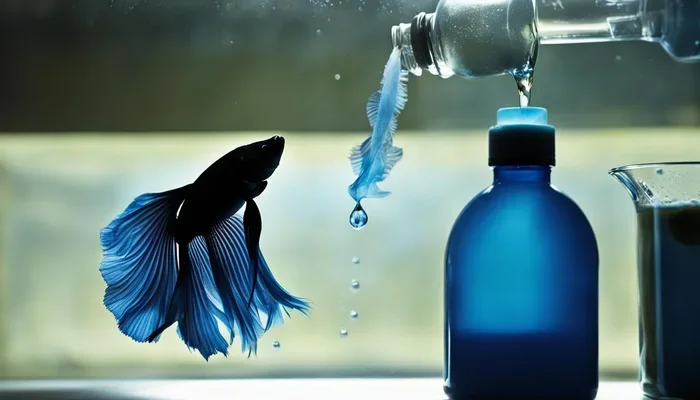
Using tap water for betta fish is possible, but it requires the right steps to remove harmful chemicals like chlorine and chloramine. This guide walks you through everything you need to know about treating, conditioning, and maintaining tap water so your betta stays healthy and happy. You will learn how to test water parameters, choose the best conditioner, and avoid common mistakes that could harm your fish.
Tap water is the most common water source for betta fish tanks. It is convenient, affordable, and widely available. But here is the catch — tap water contains chemicals that can be harmful to your betta. Chlorine and chloramine are added to municipal water supplies to make water safe for humans, but these same chemicals can damage your fish’s gills, stress their immune system, and even be fatal in high concentrations.
The good news is that using tap water for your betta is entirely doable. You just need to know the right steps. This guide covers everything from conditioning and dechlorinating to testing water parameters and performing safe water changes. Whether you are a beginner or a seasoned betta keeper, you will find practical tips that make the process simple and effective.
If you have ever wondered can you use tap water for your betta fish, the short answer is yes — as long as you treat it properly. Let us walk through exactly how to do that.
Key Takeaways
- Tap water needs treatment before use: Always condition tap water to remove chlorine, chloramine, and heavy metals before adding it to your betta tank.
- Water conditioner is essential: A quality water conditioner for betta fish neutralizes harmful chemicals quickly and safely.
- Test your water regularly: Monitoring pH, ammonia, nitrite, and nitrate levels helps you catch problems early and keep your betta thriving.
- Temperature matters: Match the tap water temperature to your tank water to avoid stressing your betta during water changes.
- Let water sit when needed: Sometimes letting tap water sit for 24 hours helps dissipate chlorine, but a conditioner is still the safest choice.
- Avoid common mistakes: Never add untreated tap water directly to the tank, and always follow conditioner dosing instructions carefully.
📑 Table of Contents
- Why Tap Water Needs Treatment for Betta Fish
- How to Prepare Tap Water for Your Betta Fish Tank
- How to Safely Use Tap Water for Regular Water Changes
- Common Mistakes to Avoid When Using Tap Water for Betta Fish
- Understanding Water Parameters for Betta Fish
- Expert Tips for Using Tap Water with Betta Fish
- When Tap Water Is Not the Best Choice
- Conclusion
Why Tap Water Needs Treatment for Betta Fish
Municipal water treatment plants add disinfectants to keep water safe for human consumption. While these chemicals work well for us, they pose serious risks to fish. Understanding what is in your tap water is the first step toward creating a safe environment for your betta.
Chlorine and Chloramine: The Hidden Dangers
Chlorine is a gas that water treatment facilities use to kill bacteria and pathogens. It is effective at disinfecting water, but it is equally effective at damaging the delicate gill tissue of fish. Chloramine is a combination of chlorine and ammonia. Many water treatment plants now use chloramine instead of chlorine alone because it lasts longer in the water supply.
The problem with chloramine is that it does not dissipate as easily as chlorine. Simply letting water sit out overnight will remove chlorine, but chloramine requires a dedicated water conditioner to break it down. When chloramine breaks down, it releases ammonia, which is also toxic to fish. This is why using a tap water conditioner is so important.
Heavy Metals and Other Contaminants
Beyond chlorine and chloramine, tap water can contain heavy metals like copper, lead, and zinc. These metals can accumulate in your tank over time and reach toxic levels for betta fish. Even small amounts can cause behavioral changes, loss of color, and long-term health problems.
The exact composition of your tap water depends on your local water supply. Some areas have softer water with fewer contaminants, while others have harder water with higher mineral content. This is why testing your water is a crucial step.
How to Prepare Tap Water for Your Betta Fish Tank
Preparing tap water properly is the single most important thing you can do for your betta’s health. The process is straightforward and takes just a few minutes. Here is exactly what you need to do.
Step 1: Get the Right Water Conditioner
A water conditioner is a liquid additive that neutralizes chlorine, chloramine, and heavy metals instantly. You can find water conditioners at most pet stores and online. Look for a conditioner that specifically addresses chloramine, not just chlorine.
Some popular options include Seachem Prime, API Tap Water Conditioner, and Tetra AquaSafe. These products are widely trusted in the betta community and work effectively at the recommended doses. You do not need to spend a lot of money, but avoid the cheapest options that only address chlorine and ignore chloramine and metals.
Step 2: Dose the Conditioner Properly
Follow the dosing instructions on the conditioner bottle. Most brands recommend one capful or one teaspoon per gallon of water. If you are treating a large bucket of water for a water change, make sure you dose it for the full volume, not just the water you are adding to the tank.
Quality conditioners work almost instantly. You can add the treated water directly to your tank without waiting. This makes the process much faster and more convenient compared to older methods like letting water sit for days.
Step 3: Match the Water Temperature
Betta fish are tropical fish and prefer warm water between 76 and 82 degrees Fahrenheit. If the tap water coming out of your faucet is cold, it can shock your betta when you add it to the tank. Use a thermometer to check the temperature of the tap water before adding it to your tank.
If the water is too cold, you can let it sit in a bucket at room temperature for a while or use a small heater to bring it up to the right temperature. Always aim for a close match to your tank’s current water temperature to minimize stress.
Step 4: Test the Water Parameters
After conditioning the water, it is a good practice to test it. You can use liquid test kits like the API Freshwater Master Test Kit to check pH, ammonia, nitrite, and nitrate levels. This gives you a baseline understanding of your tap water quality.
Most tap water has a neutral pH around 7.0, but this varies by location. Some areas have acidic water, while others have alkaline water. Knowing your starting point helps you make informed decisions about water changes and tank maintenance.
How to Safely Use Tap Water for Regular Water Changes
Regular water changes are essential for keeping your betta’s environment clean and healthy. Tap water is almost always the source for these water changes, so doing them correctly matters a lot.
How Often Should You Change the Water?
For a betta fish tank, a partial water change of 25 to 50 percent every one to two weeks is ideal. If you have a smaller tank or bowl, you may need to do more frequent changes because waste builds up faster in less water.
Consistency is key. Setting a regular schedule helps you stay on track and prevents the buildup of harmful substances like ammonia and nitrite. If you are unsure about frequency, check out our guide on how often to change water for betta fish for more specific recommendations.
The Step-by-Step Water Change Process
Here is a simple process you can follow for every water change:
- Prepare a clean bucket dedicated only to aquarium use. Never use a bucket that has had soap or chemical residue in it.
- Fill the bucket with tap water from your faucet.
- Add the appropriate dose of water conditioner based on the volume of water in the bucket.
- Let the water sit for a minute or two after adding conditioner to ensure full neutralization.
- Match the temperature of the new water to the tank water using a thermometer.
- Slowly pour the treated water into the tank. Avoid disturbing the substrate or decorations too much.
- Dispose of the old tank water safely. Never pour it down the drain with chemicals still present if you have a planted tank, but for betta-only tanks, this is usually fine.
This process takes about 10 to 15 minutes for a typical 5-gallon tank. Once you get into a rhythm, it becomes second nature.
What About Dechlorinating Water Without a Conditioner?
Some betta keepers prefer to dechlorinate water naturally instead of using a chemical conditioner. The most common method is letting tap water sit in an open container for 24 hours. Chlorine gas will dissipate into the air over time.
However, this method does not work for chloramine. And even for chlorine, it is not always reliable. Temperature, humidity, and air circulation all affect how quickly chlorine dissipates. For this reason, using a water dechlorinator is the safest and most efficient approach.
If you do let water sit, make sure the container is clean and free of any soap residue. Also, cover the container with a paper towel or mesh to prevent dust and debris from falling in while still allowing airflow.
Common Mistakes to Avoid When Using Tap Water for Betta Fish
Even experienced fish keepers make mistakes sometimes. Knowing what to avoid can save your betta from unnecessary stress and health problems.
Adding Untreated Tap Water Directly to the Tank
This is the most common and most dangerous mistake. Never add tap water directly to your betta tank without conditioning it first. The chlorine and chloramine in untreated water can cause immediate gill damage and severe stress. Even small amounts can weaken your betta’s immune system over time.
Using Too Much or Too Little Conditioner
Dosing matters. Using too little conditioner may not fully neutralize all the harmful chemicals. Using too much conditioner is generally safer than too little, as most conditioners are designed with a wide safety margin, but it is still best to follow the label instructions carefully.
If you are ever unsure about dosing, it is better to slightly overdose than to underdose. Most conditioners become ineffective if you use far too much, so stick to the recommended amounts.
Ignoring Water Temperature Differences
A sudden temperature change can shock your betta and lead to stress-related illness. Always check the temperature of both the new water and the tank water before performing a water change. If there is a noticeable difference, adjust the new water temperature before adding it to the tank.
Forgetting to Test Water After Changes
It is easy to set up a regular water change schedule and forget to test the water afterward. But testing helps you catch issues early. If you notice ammonia or nitrite spikes after a water change, your tap water may contain contaminants that your conditioner is not fully addressing.
Understanding Water Parameters for Betta Fish
Water parameters are the measurements that describe the chemical and physical properties of your aquarium water. Understanding these parameters helps you keep your betta healthy and catch problems before they become serious.
pH Levels
Betta fish do best in water with a pH between 6.5 and 7.5. Most tap water falls within this range, but it can vary. If your tap water is very alkaline (above 8.0) or very acidic (below 6.0), you may need to adjust it or consider an alternative water source.
Ammonia, Nitrite, and Nitrate
Ammonia and nitrite should always read zero in a healthy tank. Nitrate should be below 20 parts per million (ppm). Tap water usually contains zero ammonia, nitrite, and nitrate, which is one reason why regular water changes are so effective at keeping these levels in check.
If your tap water contains ammonia (as is the case with chloramine-treated water), your conditioner will neutralize it. But it is still good practice to test your tap water occasionally to understand what you are starting with.
Water Hardness (GH and KH)
Water hardness refers to the amount of dissolved minerals in the water. General hardness (GH) measures calcium and magnesium, while carbonate hardness (KH) measures bicarbonate levels. Betta fish prefer soft to moderately hard water. Very hard water can affect pH stability and make it harder to maintain ideal conditions.
If you live in an area with very hard tap water, you might consider using reverse osmosis water mixed with remineralization salts. This gives you more control over water parameters.
Expert Tips for Using Tap Water with Betta Fish
Here are some additional tips from experienced betta keepers that can help you get the best results with your tap water setup:
- Always use a dedicated aquarium bucket. Never use household buckets that have held soap, cleaning products, or food. Even trace residues can be harmful to fish.
- Let the tap water run for a minute before filling your bucket. This flushes out any standing water that may have higher concentrations of contaminants from sitting in your home pipes.
- Use a gravel vacuum during water changes. This removes waste and debris from the substrate while you siphon out old water. It makes the entire process more efficient.
- Keep a log of your water change dates and parameters. Tracking your maintenance routine helps you spot trends and catch potential problems early.
- Store your water conditioner in a cool, dark place. This preserves its effectiveness and ensures it works properly every time you use it.
- If in doubt, use bottled spring water for top-offs. While tap water is perfectly fine for water changes, spring water can be a good backup for small top-offs between changes.
Following these simple tips consistently will go a long way toward keeping your betta fish healthy and your tank water crystal clear. For more detailed guidance on preparing water, check out our article on how to prepare water for a betta fish.
When Tap Water Is Not the Best Choice
While tap water works well for most betta keepers, there are situations where it may not be the ideal choice. If you live in an area with very poor water quality, heavy industrial contamination, or extremely hard water, you might want to explore alternatives.
Options like spring water, reverse osmosis water, and filtered water can provide a cleaner starting point. These options remove more contaminants upfront, giving you more control over the final water quality in your tank.
That said, for most people, properly conditioned tap water is more than sufficient for keeping healthy, happy betta fish. The key is to treat the water consistently and test it regularly.
Conclusion
Using tap water for betta fish is simple, affordable, and effective — as long as you take the right steps. Always condition your tap water with a reliable water conditioner to remove chlorine, chloramine, and heavy metals. Match water temperatures before adding new water to the tank. Test your water parameters regularly to stay ahead of potential problems. And avoid common mistakes like adding untreated water or ignoring temperature differences.
Your betta fish depends on you to provide a safe and healthy environment. By following the guidelines in this article, you are giving your betta the best possible care. Treat your tap water properly, stay consistent with water changes, and enjoy watching your betta thrive in a clean, comfortable home.
Frequently Asked Questions
Can I use tap water directly for my betta fish without treatment?
No, you should never add untreated tap water directly to your betta tank. Tap water contains chlorine and chloramine that can damage your fish’s gills and cause serious health problems. Always use a water conditioner to neutralize these chemicals before adding the water to your tank.
How long should I let tap water sit before using it for my betta?
If you are only trying to remove chlorine, letting tap water sit for 24 hours in an open container can work. However, this method does not remove chloramine or heavy metals. Using a water conditioner is faster and more effective, and you can add treated water to the tank immediately.
What is the best water conditioner for betta fish?
Popular and effective options include Seachem Prime, API Tap Water Conditioner, and Tetra AquaSafe. Look for a conditioner that neutralizes chlorine, chloramine, and heavy metals. These products are widely available at pet stores and online and work quickly at the recommended doses.
How often should I change my betta’s tank water using tap water?
For most betta tanks, a partial water change of 25 to 50 percent every one to two weeks is recommended. Smaller tanks or bowls may need more frequent changes. Consistency with your water change schedule is key to maintaining stable water parameters and a healthy environment for your betta.
Does boiling tap water make it safe for betta fish?
Boiling tap water can remove chlorine, but it does not remove chloramine or heavy metals. It also does not cool the water back down to a safe temperature quickly. Using a dedicated water conditioner is a much more reliable and practical method for treating tap water for your betta fish tank.
Can I use a water filter instead of conditioner to make tap water safe for betta fish?
A water filter helps remove impurities and some chemicals, but it is not a substitute for a water conditioner when it comes to neutralizing chloramine and heavy metals. The best approach is to use both — a filter for your tank and a conditioner for any new tap water you add during water changes.