Why Do Betta Fish Sink to the Bottom

Betta fish may rest on the tank bottom for many reasons, from water quality issues to stress or illness. Understanding the signs and making simple adjustments—like checking temperature, oxygen levels, and tank mates—can quickly restore your fish’s normal swimming behavior.
Key Takeaways
- Water quality matters: Poor parameters often force bettas to the bottom.
- Temperature is critical: Betta fish need stable, warm water to stay active.
- Oxygen levels affect buoyancy: Low dissolved oxygen makes fish linger low.
- Stress triggers bottom‑dwelling: Aggressive tank mates, bright lights, or sudden changes can cause it.
- Illness signs are subtle: Look for clamped fins, loss of appetite, or faded colors.
- Simple fixes work fast: Partial water changes, a heater, or a gentle air stone often solve the problem.
- Regular monitoring prevents recurrence: Keep a log of temperature, pH, and feeding habits.
📑 Table of Contents
- Introduction: When Your Betta Hangs Out at the Bottom
- 1. Water Quality – The Foundation of a Happy Betta
- 2. Temperature Problems – Too Cold, Too Hot, or Fluctuating?
- 3. Oxygen Levels – When the Water Can’t “Breathe”
- 4. Stress Factors – The Hidden Culprits
- 5. Health Issues – When the Bottom Means “I’m Sick”
- 6. Natural Behaviors – Not All Bottom‑Dwelling Is Bad
- Putting It All Together – A Simple Checklist
- Conclusion: Keep Your Betta Swimming Strong
Introduction: When Your Betta Hangs Out at the Bottom
Imagine you’re watching your bright, fin‑flicking betta glide through the water, and suddenly you notice it spending most of its time glued to the tank floor. It can feel alarming, especially if you’re a new owner. The truth is, a betta that sinks to the bottom isn’t always a death sentence. More often, it’s a signal that something in its environment needs attention.
In this article we’ll explore the most common reasons why betta fish sink to the bottom, how to spot the difference between a harmless rest and a real health issue, and what you can do right now to help your fish feel better. By the end, you’ll have a handy checklist you can use whenever you see your betta “bottom‑dwelling.”
1. Water Quality – The Foundation of a Happy Betta
Why clean water matters
Betta fish are native to shallow, oxygen‑rich rice paddies and slow‑moving streams. In the wild, the water is constantly moving, slightly acidic, and free of harmful chemicals. In a home tank, the water can quickly become a cocktail of ammonia, nitrite, and carbon dioxide if not maintained properly. These compounds irritate gills and make the fish feel heavy, causing it to rest at the bottom.
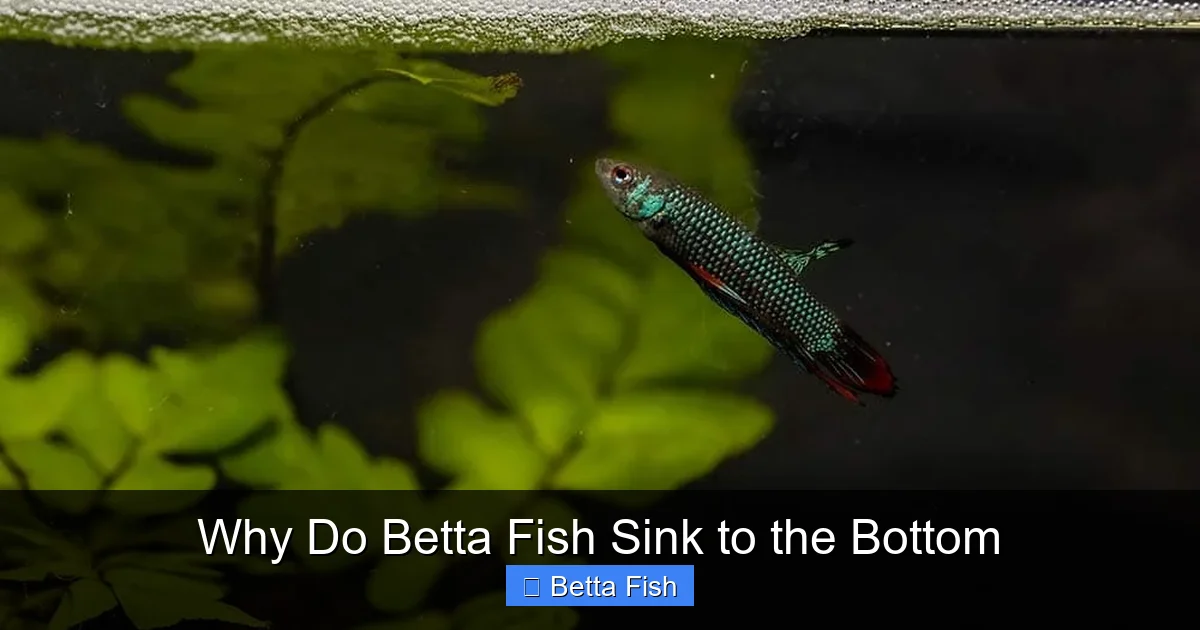
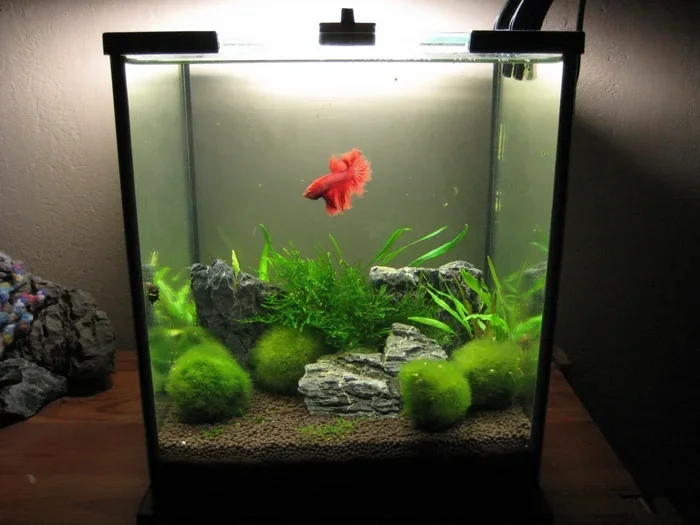
Visual guide about Why Do Betta Fish Sink to the Bottom
Image source: fishkeepingacademy.com
Key parameters to test
- Ammonia (NH₃): Should be 0 ppm. Even a trace can stress a betta.
- Nitrite (NO₂⁻): Should be 0 ppm. Nitrite blocks oxygen transport.
- Nitrate (NO₃⁻): Aim for under 20 ppm; higher levels can cause chronic stress.
- pH: Ideal range 6.5–7.5. Sudden swings are a red flag.
- Temperature: 76–82 °F (24–28 °C) is optimal.
Practical tip: The weekly water‑change routine
Changing 25–30 % of the water every week keeps ammonia and nitrate low. Use a water conditioner that removes chlorine and chloramines. When you do a water change, match the temperature of the new water to the tank to avoid shocking your betta.
2. Temperature Problems – Too Cold, Too Hot, or Fluctuating?
The sweet spot for bettas
Bettas are tropical fish. When the water temperature drops below 76 °F, their metabolism slows, and they become lethargic. Conversely, temperatures above 84 °F can increase stress and lower dissolved oxygen. Both extremes can make a betta linger near the bottom where the water is often a few degrees warmer or cooler.
How to keep temperature stable
- Invest in a reliable submersible heater with an adjustable thermostat.
- Use a thermometer placed at mid‑tank depth for accurate readings.
- Avoid placing the tank near windows, air conditioners, or heat vents.
Quick fix
If you notice a sudden dip in temperature, raise the heater a degree and monitor for the next 24 hours. A gradual increase prevents shock.
3. Oxygen Levels – When the Water Can’t “Breathe”
Why low dissolved oxygen makes bettas sink
Even though bettas can gulp air from the surface thanks to their labyrinth organ, they still rely on dissolved oxygen for normal activity. Warm water holds less oxygen, and a tank with no water movement can become oxygen‑poor. The fish will seek the bottom where the water may be slightly cooler and hold a bit more oxygen, or simply rest until it can surface.
Boosting oxygen without a powerhead
- Add a gentle air stone or a small sponge filter to create micro‑bubbles.
- Perform a short water change with slightly cooler water (about 2 °F lower) to increase oxygen saturation.
- Trim any fast‑growing plants that may consume too much oxygen at night.
4. Stress Factors – The Hidden Culprits
Tank mates and aggression
Although many owners keep bettas alone, some try community setups. Even a peaceful species can cause stress if it constantly swims near the betta’s territory. Stress leads to a “bottom‑cling” behavior as the fish tries to hide.
Read more about why betta fish need to be alone here.
Lighting and sudden changes
Bright, direct light can make bettas feel exposed. A sudden switch from a dark to a bright environment (or vice‑versa) can cause a temporary dip to the bottom. Provide a dimmable LED or a floating plant to create shade.
Frequent handling or tank moves
Every time you move the tank, the water chemistry shifts. If you’ve recently rearranged decorations, give the fish a few days to adapt before expecting normal swimming patterns.
5. Health Issues – When the Bottom Means “I’m Sick”
Common illnesses that cause bottom‑dwelling
- Swim bladder disorder: The organ that helps the fish stay upright can become infected or malformed, making it hard to control depth.
- Fin rot or fungal infections: Painful lesions cause the fish to rest.
- Dropsy: Swelling and bloating force the fish to the bottom; look for raised scales.
- Parasitic infections: Internal parasites can affect buoyancy.
Spotting the signs
Besides staying low, watch for clamped fins, loss of appetite, faded colors, or unusual swimming (spinning, sinking quickly). If you see any of these, act fast.
For a deeper dive into a related symptom, see why betta fish laying at bottom here.
First‑aid steps
- Isolate the fish in a hospital tank (2‑gal, same temperature, clean water).
- Perform a 25 % water change with treated water.
- Consider adding a pinch of aquarium salt (1 g per 5 gal) to reduce stress.
- Consult a vet or reputable online guide for medication specific to the diagnosis.
6. Natural Behaviors – Not All Bottom‑Dwelling Is Bad
Resting and sleeping
Bettas do sleep, and many prefer to rest near the bottom or under a leaf. If the fish is otherwise active during the day, a brief bottom pause at night is normal.
Exploring the tank bottom
Curious bettas love to investigate substrate, roots, and decorations. Providing smooth stones, driftwood, and live plants gives them safe places to explore without feeling exposed.
When to worry
If your betta spends more than 70 % of its day at the bottom, shows a lack of appetite, or has other health signs, it’s time to investigate the causes listed above.
Putting It All Together – A Simple Checklist
Whenever you notice your betta sinking, run through this quick list:
- Check water temperature – is it within 76‑82 °F?
- Test ammonia, nitrite, nitrate, and pH – any spikes?
- Observe oxygen – is there surface agitation or an air stone?
- Look for stressors – new tank mates, bright lights, recent moves?
- Inspect for illness – clamped fins, discoloration, bloating?
- Perform a 25 % water change and ensure proper filtration.
- Monitor for 24‑48 hours; if the behavior persists, consider a health check.
Conclusion: Keep Your Betta Swimming Strong
Seeing your betta fish sink to the bottom can feel like a red‑alert, but most of the time the issue is easy to fix. By maintaining clean, warm water, providing gentle oxygen flow, and minimizing stress, you give your betta the best chance to stay active and vibrant. Remember, a healthy betta will explore every corner of its tank, dart up to the surface for a quick gulp of air, and show off its dazzling fins. Keep an eye on the basics, act quickly if something seems off, and you’ll enjoy a thriving companion for years to come.
Frequently Asked Questions
Why does my betta fish suddenly sit on the tank bottom?
Sudden bottom‑dwelling is usually a response to a change in water quality, temperature, or oxygen levels. Checking these parameters first often reveals the cause.
Can low oxygen cause my betta to sink?
Yes. Warm water holds less dissolved oxygen, and without surface agitation the fish may stay low to find cooler, more oxygen‑rich water.
Is it normal for bettas to sleep at the bottom?
Bettas do rest near the substrate, especially at night. If they are active during the day and only bottom‑rest at night, it’s normal.
What should I do if my betta looks sick and stays at the bottom?
Isolate the fish in a hospital tank, perform a partial water change, and look for signs of disease such as clamped fins or bloating. Consult a vet if symptoms persist.
Can a sudden jump out of the tank cause my betta to sink?
Yes. A stressful jump can shock the fish, leading it to seek the bottom for safety. Learn how to prevent jumps here.
How often should I change the water to prevent bottom‑dwelling?
A 25–30 % water change each week, combined with regular testing, keeps ammonia and nitrate low and helps maintain stable temperature and oxygen levels.