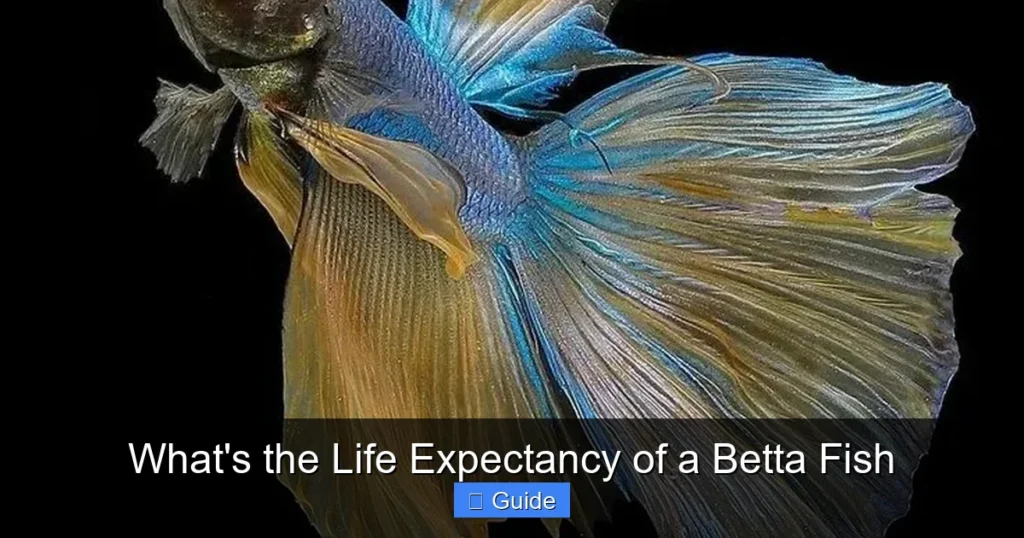
Betta fish change colors due to a fascinating mix of genetics, natural biological processes like marbling, environmental factors, and health status. While some shifts, like gradual marbling, are harmless and even desirable, sudden fading or dark spots can signal stress, poor water quality, or illness. Understanding these causes is key to providing optimal care and ensuring your betta’s vibrant appearance reflects true well-being.
Have you ever looked at your betta fish and felt a pang of confusion? That stunning royal blue you fell in love with seems to have softened into a muted gray. Or perhaps a vibrant red fin has developed mysterious new streaks of blue. You’re not imagining things. Betta fish changing colors is a common, and often puzzling, phenomenon for owners. It’s a topic shrouded in myth and misunderstanding. Is it a sign of happiness? A warning of disease? Or just a quirky, normal part of betta biology? The truth is, the answer encompasses all of those possibilities. A betta’s color is a dynamic canvas, influenced by its genes, its health, its environment, and even its age. Understanding this colorful language is one of the most important keys to becoming a confident, attentive betta keeper. This guide will walk you through every possible reason your betta might be changing its hues, from the wonderfully normal to the urgently concerning, and give you the practical knowledge to support your fish’s most vibrant, healthy self.
Key Takeaways
- Natural marbling is a genetic trait: Some bettas are “marbling” bettas, meaning their color patterns genetically shift and change over their entire lifespan, which is normal and not a cause for concern.
- Stress is a primary cause of fading: Poor water quality, incorrect temperature, aggressive tank mates, or a noisy environment can cause a betta’s colors to dramatically dull as a physiological stress response.
- Color changes can indicate health problems: Sudden development of white patches (columnaris), red streaks ( hemorrhagic sepsis), or velvet disease’s gold dust appearance are symptoms of specific infections requiring treatment.
- Diet directly impacts vibrancy: A diet rich in high-quality protein, natural carotenoids (from foods like brine shrimp or daphnia), and essential vitamins supports pigment development and intensity.
- Age can bring subtle shifts: As bettas mature, their base colors may deepen or soften slightly. A young, pale betta often “fills in” with richer hues as it reaches adulthood (around 4-6 months).
- Water parameters are non-negotiable: Consistently clean, warm (78-80°F/25.5-26.5°C), and ammonia-free water is the single most important environmental factor for maintaining a betta’s color and overall health.
- Genetics set the potential, care determines the outcome: A betta’s genetic blueprint provides its color palette, but optimal husbandry is what allows that potential to be fully and healthily expressed.
📑 Table of Contents
- The Canvas and the Palette: Understanding Betta Fish Coloration
- Natural and Benign Color Transformations
- Stress: The Great Color Dimmer
- Health Issues: When Color Change is a Cry for Help
- The Pillars of Prevention: Diet, Water, and Environment
- Genetics and Selective Breeding: The Art of the Possible
- Conclusion: Your Betta’s Color is a Conversation
The Canvas and the Palette: Understanding Betta Fish Coloration
Before we dive into the “why,” we need a quick primer on the “how.” A betta’s dazzling colors aren’t painted on; they’re a product of specialized pigment cells called chromatophores living in its skin. The three main types are:
- Melanophores: Produce black and brown pigments (melanin).
- Xanthophores: Produce yellow pigments.
- Iridophores: Contain crystalline plates that reflect light, creating blues, greens, and metallic sheens. These are structural colors, not pigments.
What you see is a combination and layering of these cells. The blue of a betta, for instance, isn’t a blue pigment at all—it’s the result of light reflecting off the iridophore layer. A black betta has an abundance of melanin. A red betta’s hue comes from erythrophores, a type of xanthophore. The interplay and density of these cells, controlled by the fish’s genetics and hormonal signals, create the infinite variety of betta colors we admire. When a betta changes color, it’s because these cells are responding to internal or external signals—expanding, contracting, multiplying, or even dying off.
Natural and Benign Color Transformations
Not all color changes are red flags. In fact, many are entirely natural parts of a betta’s life cycle or genetic programming. Recognizing these benign shifts will save you from unnecessary worry.
Visual guide about Why Do Betta Fish Change Colors
Image source: bettafishworld.com
The Marbling Phenomenon: A Living Work of Art
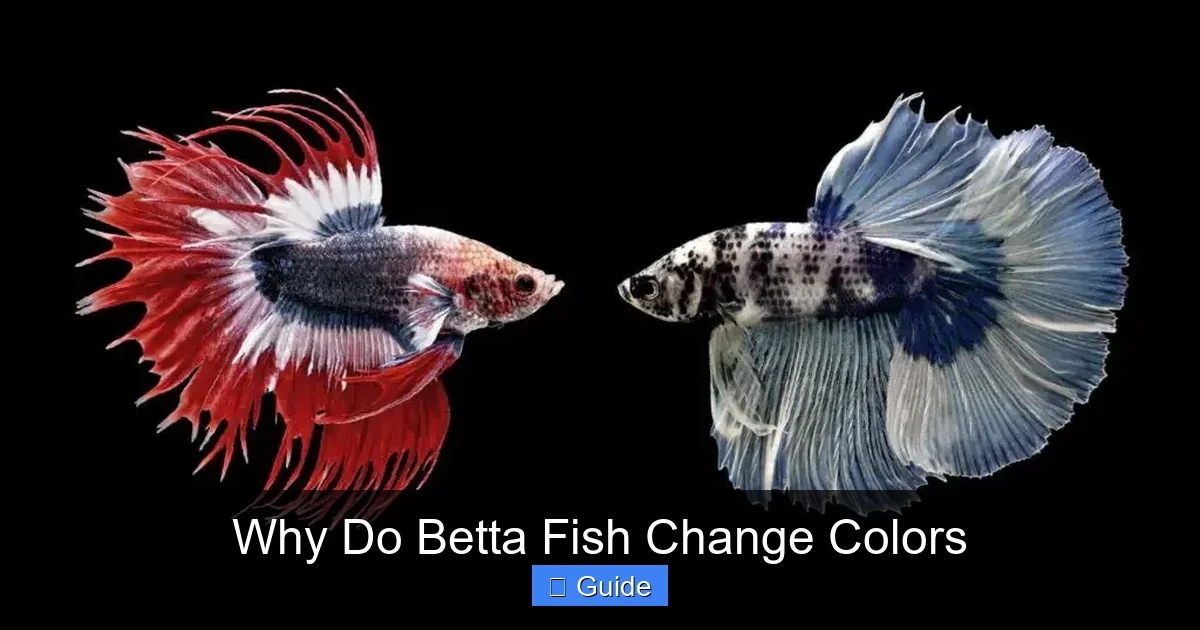
This is the most famous and dramatic type of color change. Some bettas carry a genetic trait known as the “marbling gene.” These fish are born with a certain pattern, but over weeks, months, or even years, their colors will swirl, spread, and reconfigure, sometimes dramatically. A solid blue betta might develop patches of red, or a red and blue butterfly pattern might fill in with black. This process can be slow or happen seemingly overnight.
What’s happening? The marbling gene causes melanophores (black/brown cells) to become active and migrate to new areas of the skin over time. It’s a random, ongoing genetic expression. Famous betta varieties like the Koi betta are selectively bred for strong marbling traits, with owners often documenting their fish’s ever-changing “paintings.” Key Point: Marbling is a slow, pattern-based change. It doesn’t typically involve a sudden overall fading or the appearance of sickly spots. The fish remains active, eating well, and its fins are pristine. It’s a sign of a genetically unique betta, not an unhealthy one.
Filling In: From Juvenile to Adult
Many young bettas, especially those from less specialized breeders, are born with relatively pale or incomplete coloration. As they mature (usually between 4-6 months of age), their full adult colors often “fill in.” A faint blush of blue becomes a deep sapphire. A hint of red becomes a fiery crimson. This is simply the final development of their chromatophores as they reach sexual maturity. It’s a positive sign of a healthy, growing fish. Be patient with a young betta; its best colors may still be on the way.
Stress: The Great Color Dimmer
If marbling adds color, stress is the great subtractor. A betta under duress will often lose its vibrancy, sometimes quite dramatically. This is one of the most common reasons for sudden, worrying color loss and is usually reversible with improved care.
Visual guide about Why Do Betta Fish Change Colors
Image source: articles.hepper.com
Environmental Stressors That Dull the Sparkle
Betta fish are sensitive to their surroundings. The following conditions trigger a physiological stress response that can cause chromatophores to contract or pigment production to slow:
- Poor Water Quality: This is the #1 culprit. Elevated ammonia, nitrite, or nitrate levels are toxic and cause immense stress. A betta in a dirty tank will often become lethargic and pale. Tip: Test your water weekly with a reliable kit. Perform regular 25-50% water changes with dechlorinated, temperature-matched water.
- Incorrect Temperature: As tropical fish, bettas require warm water (78-80°F or 25.5-26.5°C). Water that is too cold slows their metabolism and immune system, leading to faded colors and increased susceptibility to disease. Use a reliable aquarium heater and thermometer.
- Inadequate Tank Size & Setup: While they can survive in small containers, a betta in a bare, tiny bowl is chronically stressed. They need space (a minimum of 5 gallons is widely recommended), gentle filtration, and enrichment like plants, caves, and hiding spots to feel secure.
- Aggressive or Incompatible Tank Mates: A betta that is being harassed by a fin-nipping fish or is constantly flaring at its reflection will live in a state of high stress, leading to color loss.
Recognizing Stress-Induced Fading
The pattern is usually an overall dulling or “washing out” of the fish’s normal colors. It might look like someone turned down the saturation on a photograph. The fish may also exhibit other signs like clamped fins, lethargy, hiding, or loss of appetite. The good news? If you identify and correct the stressor—clean the water, adjust the temperature, provide more enrichment—your betta’s colors will often return to their full brilliance within days or weeks.
Health Issues: When Color Change is a Cry for Help
This is the most critical category. While stress causes general fading, specific diseases often cause very distinct, abnormal color changes. These are not shifts in the fish’s base pattern but the appearance of new, symptomatic colors or textures.

Visual guide about Why Do Betta Fish Change Colors
Image source: wordscr.com
Common Diseases and Their Color Signatures
- Columnaris (Cotton Wool Disease): This bacterial infection appears as white, fuzzy, cotton-like patches on the fins, body, or gills. It can start as small white spots that grow. The base color underneath may look inflamed or reddened.
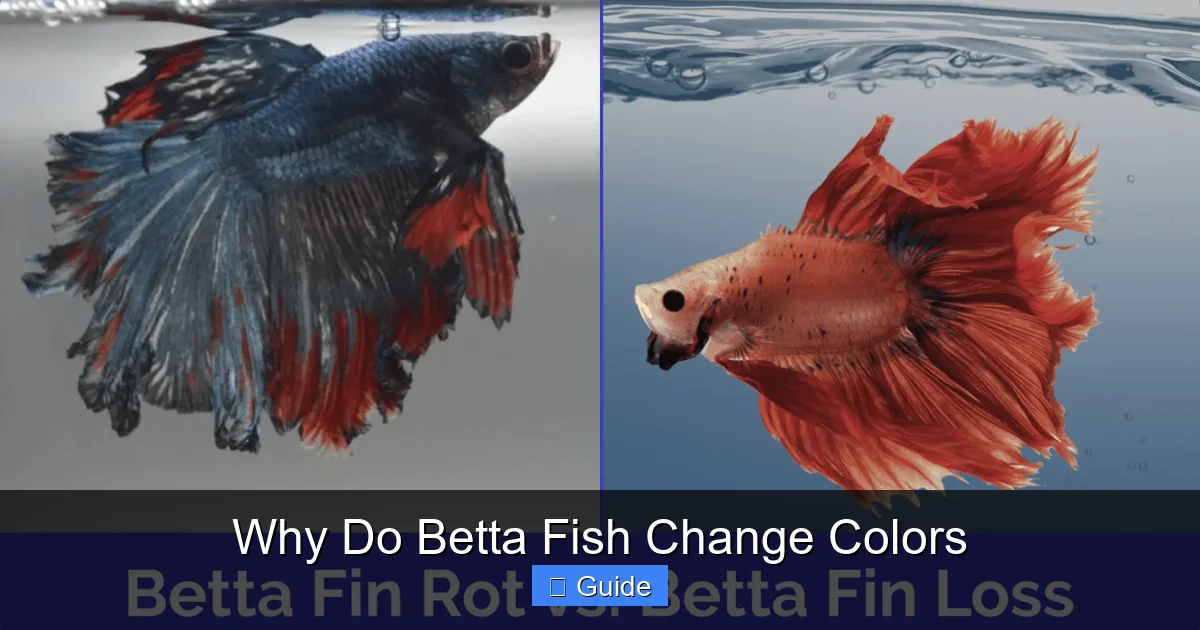
- Fin Rot: Caused by bacteria or fungi, fin rot is characterized by frayed, torn, or necrotic fin edges that turn white, black, or red (depending on the pathogen) and recede. The discoloration is localized to the fin tissue.
- Velvet Disease (Oodinium): A parasitic infection that gives the fish’s body and fins a fine, dusty, gold or rust-colored coating, as if it’s been sprinkled with gold dust. The fish will often flash or rub against objects due to irritation.
- Ich (White Spot Disease): The classic sign is the appearance of many tiny, distinct, salt-like white dots all over the body and fins. Each cyst is a separate parasite.
- Hemorrhagic Septicemia (Red Pest): This systemic bacterial infection causes vivid red streaks or spots (hemorrhages) to appear on the body, fins, and base of the tail. It’s a serious, often fatal condition.
- Fungal Infections: Appear as white, cottony growths, typically on areas where the slime coat is damaged (like after fin rot or an injury).
What to Do If You Suspect Disease
Immediate action is required. First, isolate the sick betta in a hospital tank. This prevents spreading pathogens to other fish and allows for precise medication dosing without harming beneficial bacteria in your main display tank. Research the symptoms carefully to identify the likely disease. Common treatments include antibiotics (like Kanamycin or Erythromycin for bacterial issues) or antiparasitics (like Malachite Green or copper-based treatments for velvet/ich). Always follow dosing instructions precisely. Improve water quality in the hospital tank with daily partial changes. In severe cases, consult a veterinarian specialized in fish.
The Pillars of Prevention: Diet, Water, and Environment
You have the power to heavily influence your betta’s coloration for the better. Providing optimal, stable conditions allows a betta to express its full genetic potential and stay healthy enough to maintain it.
Feeding for Vibrancy
A betta is a carnivore. Its diet should be high in animal protein. Quality is paramount.
- Staple Diet: Use a high-quality betta-specific pellet or granule as the base. Look for brands where the first few ingredients are whole fish or shrimp, not fillers like wheat or soybean meal.
- Color-Enhancing Foods: Incorporate foods rich in natural carotenoids (yellow, orange, red pigments) and astaxanthin (a powerful red pigment and antioxidant). Excellent options include:
- Frozen or live brine shrimp (enriched with astaxanthin is even better).
- Daphnia (water fleas), excellent for digestion and mild color.
- Bloodworms (a treat, not a staple, as they are hard to digest).
- Occasional blanched peas (for fiber, not color).
- Feeding Schedule: Feed small amounts 1-2 times daily, only what your betta can consume in 2-3 minutes. Overfeeding pollutes the water and causes health issues.
Water Quality: The Non-Negotiable Foundation
This cannot be overstated. Your betta’s water is its air, its home, and its bathroom all in one. It must be pristine.
- The Nitrogen Cycle: A cycled tank has beneficial bacteria that convert toxic fish waste (ammonia) into less harmful nitrates. An uncycled tank is a death sentence. Cycle your tank for at least 4-6 weeks before adding a betta, using a water test kit to monitor ammonia, nitrite, and nitrate.
- Water Changes: Perform a 25-50% water change weekly in a cycled, filtered tank. In an uncycled or small bowl, daily 100% changes are cruel and disruptive; a proper setup is the humane solution.
- Dechlorinator: Always treat tap water with a water conditioner that neutralizes chlorine and chloramines.
- Temperature Stability: Use a submersible heater with a thermostat. Avoid placing the tank in direct sunlight or near drafty windows/doors.
Tank Setup and Enrichment
A stressed betta is a pale betta. A secure betta is a vibrant betta.
- Tank Size: Provide a minimum of 5 gallons. More space means more stable water parameters and room to explore.
- Gentle Filtration: Use a filter with an adjustable flow. Bettas hate strong currents. Sponge filters are an excellent, gentle option.
- Hiding Places: Use live or silk plants, caves, and driftwood. These break line of sight and give the betta places to retreat, reducing stress.
- Lighting: Provide a consistent day/night cycle (8-10 hours of light). Avoid overly bright lights, which can stress the fish and promote algae growth. Some bettas may flare at their reflection in a brightly lit, empty tank—adding plants and decorations can break this up.
Genetics and Selective Breeding: The Art of the Possible
The incredible variety of betta colors we see today is the result of decades of selective breeding. Breeders pair fish with desired traits to enhance and fix those colors in future generations. This is why you see colors like metallic, copper, or multicolored “mustard gas” bettas that don’t exist in the wild.
Understanding “Color Types”: Common color categories include Solid (one uniform color), Bi-colored (two distinct colors, often with a clear dividing line), Butterfly (a solid body color with differently colored fin edges), Marble, and Koi (a type of marble with specific, desirable patterns). When you purchase a betta, you are buying an animal with a specific genetic potential. A “solid red” betta from a reputable breeder has a very low chance of suddenly developing blue patches (that would be marbling). A “Koi” betta, however, is expected to change. Ask your breeder or seller about the fish’s lineage and known color traits. This knowledge sets accurate expectations for how your betta’s colors may evolve over time.
Conclusion: Your Betta’s Color is a Conversation
Your betta fish’s changing colors are more than just a visual novelty; they are a form of communication. A slow, beautiful marbling process is your fish expressing a unique genetic story. A sudden fade is a quiet plea for cleaner water or a warmer home. A new spot or fuzz is an urgent alarm bell for illness. By learning to read these colorful messages, you move beyond being just an owner to becoming a true caretaker. The most vibrant betta is not one that simply has “good genes,” but one that thrives in a stable, clean, enriching environment with a nutritious diet. It’s the harmony between inherent potential and exceptional care that creates the living jewel you see before you. So, the next time you notice a shift, pause. Observe. Check the water. Consider the recent history. Your attentiveness to this dialogue is the greatest gift you can give your betta, ensuring its colors tell a long, healthy, and brilliant story.
Frequently Asked Questions
Is it normal for my betta fish to change color?
Yes, it is very common and often normal. Color changes can be due to natural marbling (a genetic trait), aging (filling in of juvenile color), or stress responses. However, sudden or specific changes like white patches, red streaks, or gold dust require immediate attention as they are signs of disease.
How can I make my betta fish more colorful?
Focus on optimal husbandry: maintain pristine, warm water with stable parameters; feed a high-quality, varied diet rich in animal protein and natural color enhancers like brine shrimp; provide a suitably sized, filtered tank with plants and hiding spots; and minimize stress from loud noises or aggressive tank mates. A healthy, stress-free betta will display its best colors.
What does it mean if my betta turns white or pale?
General paling or fading is most commonly a sign of stress, often from poor water quality, incorrect temperature, or illness. First, test your water for ammonia, nitrite, and nitrate. Check your heater. If the fish is also lethargic, not eating, or has frayed fins, it could be a sign of a serious disease like columnaris or velvet, and you should begin treatment in a hospital tank.
What are the white fuzzy spots on my betta?
White, cotton-like fuzz is almost certainly a fungal or bacterial infection, commonly Columnaris (cotton wool disease). This is a serious health issue. Immediately isolate the betta in a hospital tank and begin treatment with an appropriate antibacterial or antifungal medication, following product instructions carefully while maintaining immaculate water quality.
How often should I change my betta’s water?
In a properly cycled, filtered tank of 5 gallons or more, perform a 25-50% water change once a week. In an unfiltered container (not recommended), you would need to perform 100% daily changes, which is stressful and unsustainable. The goal is a stable, cycled ecosystem, not constant full changes.
Can betta fish change color overnight?
True genetic marbling usually happens over days or weeks, not literally overnight. However, a dramatic overnight change in appearance is most likely a sign of acute stress (e.g., a sudden drop in temperature, a chemical spill in the water) or the very rapid onset of a disease like velvet or severe columnaris. This requires immediate investigation and action.