Why Do Betta Fish Puff Their Gills

Betta fish puff their gills as a natural response to stress, excitement, or health issues. Understanding the reasons behind this behavior helps you create a calmer tank environment and spot early signs of disease. Follow our practical tips to keep your betta breathing easy and vibrant.
Key Takeaways
- Stress response: Sudden changes in water parameters or surroundings often trigger gill puffing.
- Territorial display: Male bettas may puff gills while flaring to intimidate rivals.
- Health indicator: Persistent puffing can signal parasites, bacterial infections, or poor water quality.
- Water quality matters: Ammonia spikes, low oxygen, or incorrect temperature are common culprits.
- Tank setup: Proper décor, hiding spots, and a stable environment reduce stress‑induced puffing.
- Observation is key: Quick action when you notice puffed gills can prevent serious illness.
- Helpful resources: Learn more about related behaviors like flaring, bubble making, and fin loss to become a better betta caregiver.
📑 Table of Contents
- Introduction: The Mystery Behind the Puffy Gills
- 1. The Biology of Betta Gills
- 2. Stress‑Induced Gill Puffing
- 3. Territorial Displays and Aggression
- 4. Health Issues Signaled by Persistent Puffing
- 5. Environmental Factors That Influence Gill Puffing
- 6. When to Seek Professional Help
- Conclusion: Keep an Eye on Those Puffy Gills
Introduction: The Mystery Behind the Puffy Gills
If you’ve ever watched a betta fish sit in its tank and suddenly see its gills expand like a tiny balloon, you’ve probably wondered, “why do betta fish puff their gills?” It’s a behavior that can look dramatic, a little alarming, and sometimes even funny. The good news is that most of the time this puffing is a normal, short‑lived reaction—not a death sentence.
In this article we’ll break down the science, the common triggers, and the steps you can take to keep your betta breathing easy. We’ll also link to related topics—like why bettas flare, make bubbles, or lose fins—so you’ll have a full toolbox for a happy, healthy fish.
1. The Biology of Betta Gills
How Gills Work
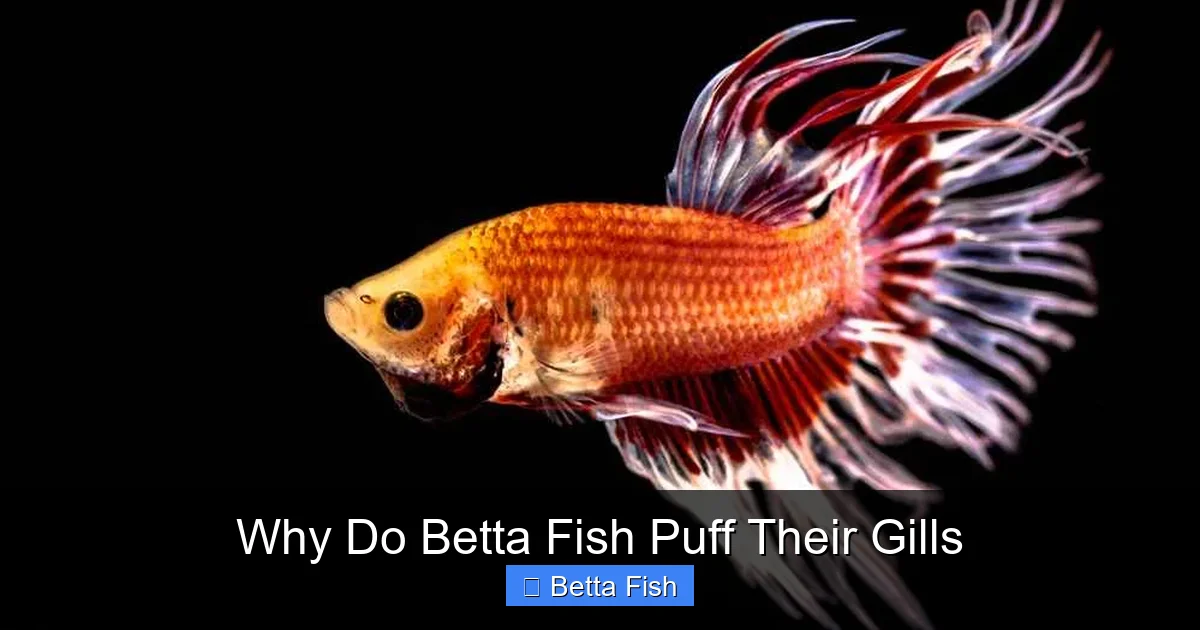
Betta fish, like all fish, extract oxygen from water using delicate filaments called gills. Blood flows through tiny capillaries, picking up oxygen and releasing carbon dioxide. The gill covers, or opercula, protect these filaments and can open or close to regulate water flow.
Visual guide about Why Do Betta Fish Puff Their Gills
Image source: efishkeeping.com
What “Puffing” Looks Like
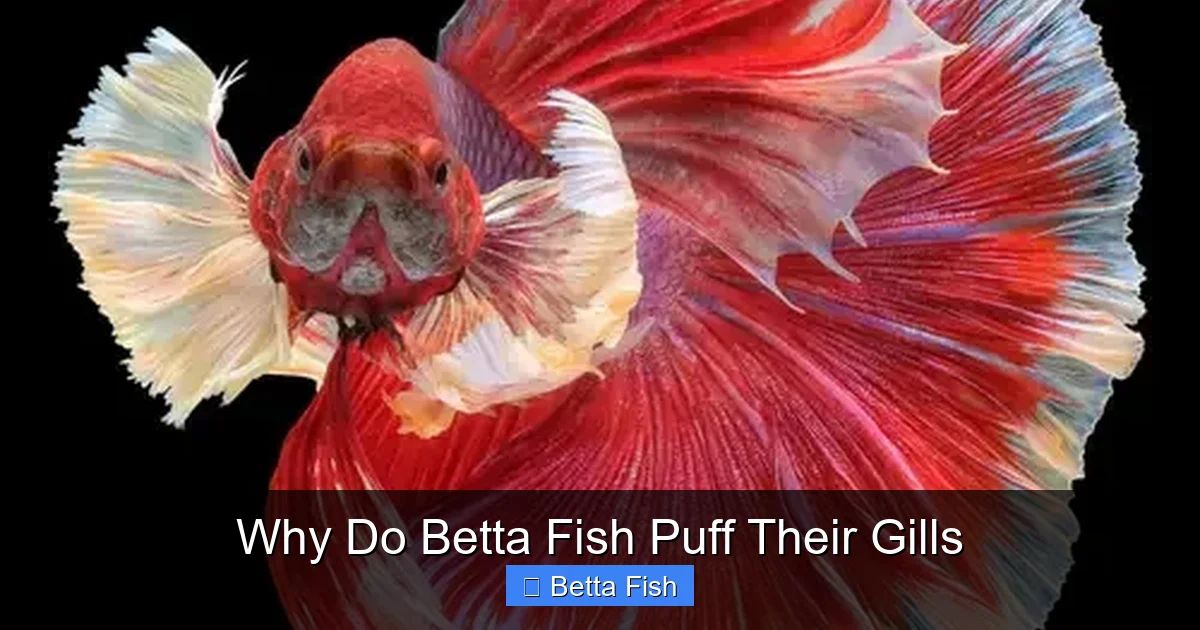
When a betta puffs its gills, the opercula flare outward and the gill filaments become more visible. It may last a few seconds or a few minutes. The fish often looks a bit more “inflated” around the head, and you may notice a slight change in color intensity as blood flow increases.
Why the Body Does It
The puffing action is essentially a rapid increase in water flow over the gills. This can happen for three main reasons: to boost oxygen intake, to display aggression or excitement, or as a symptom of disease.
2. Stress‑Induced Gill Puffing
Common Stress Triggers
- Water parameter changes: Sudden spikes in ammonia, nitrite, or pH can make the fish gasp for more oxygen.
- Temperature shock: Betta fish love stable warmth (76‑82°F). A rapid drop or rise forces the gills to work harder.
- Tank moves or vibrations: Relocating the tank or heavy foot traffic can startle a betta.
- Incompatible tank mates: Even though many keep bettas alone, a curious dwarf gourami or aggressive snail can cause stress.
Practical Tips to Reduce Stress
1. Test water weekly. Use a reliable test kit to keep ammonia below 0.25 ppm and pH stable around 6.5‑7.5.
Visual guide about Why Do Betta Fish Puff Their Gills
Image source: bettafishworld.com
2. Maintain temperature. A reliable heater set to 78°F keeps the environment cozy. (See our guide on Do Betta Fish Need Heaters In Their Tanks?)
3. Provide hiding spots. Live plants, silk nets, or smooth caves give your betta a place to retreat.
4. Limit sudden changes. When performing water changes, replace only 20‑30 % at a time and match temperature and parameters.
3. Territorial Displays and Aggression
Why Male Betta’s Puff Gills When They Flare
Male bettas are famously territorial. When they see a rival—real or reflected—they may flare their fins, spread their dorsal, and puff their gills. This is a visual warning that says, “Back off!” The puffed gills make the head look larger, enhancing the intimidation factor.
Link to Related Behavior
If you’re curious about the full flare routine, check out our article on Why Do Betta Fish Flare. Understanding the connection between flaring and gill puffing helps you recognize when a betta is merely showing off versus when it’s truly stressed.
Managing Aggression
- Use a solid background. Mirrors or reflective surfaces can trick a betta into thinking there’s another fish.
- Keep the tank size appropriate. A 5‑gal minimum gives enough space to swim without feeling cramped.
- Avoid bright, flashing lights. Sudden light changes can be misinterpreted as a threat.
4. Health Issues Signaled by Persistent Puffing
When Puffing Is More Than a Reaction
If your betta’s gills stay puffed for extended periods (more than a few minutes) or you notice other symptoms—loss of appetite, clamped fins, or white spots—consider a health problem.
Common Illnesses
- Ich (white spot disease): Tiny white cysts on the body and gills cause irritation, leading to puffing.
- Bacterial gill disease: Red, inflamed gills and excess mucus are classic signs.
- Parasitic infestations: Visible parasites on the gill filaments can trigger constant puffing.
Steps to Take
1. Quarantine the fish. Move it to a separate hospital tank with clean, warmed water.
2. Improve water quality immediately. Perform a 50 % water change and double‑check ammonia levels.
3. Consider medication. Over‑the‑counter treatments for ich or bacterial infections can be effective when used as directed.
4. Monitor eating. Offer high‑quality betta pellets or frozen brine shrimp to encourage feeding.
5. Environmental Factors That Influence Gill Puffing
Oxygen Levels
Even though bettas can breathe atmospheric air using their labyrinth organ, they still rely on gills for regular oxygen extraction. Low dissolved oxygen (DO) can force the gills to work overtime, causing puffing.
Improving Oxygenation
- Use a gentle air stone. A soft bubble stream adds oxygen without stressing the fish.
- Avoid over‑crowding. Too many fish or too many decorations can reduce water flow.
- Regular water changes. Fresh water brings in new oxygen.
Tank Décor and Flow
Sharp ornaments or rough plastic can scrape the delicate gill filaments, causing irritation. Opt for smooth, aquarium‑safe decorations. Also, ensure your filter’s flow isn’t too strong; bettas prefer a gentle current.
6. When to Seek Professional Help
Red Flags
Persistent puffing combined with any of the following warrants a vet visit:
- Clamped or torn fins (see Why Betta Fish Lose Their Fins)
- Visible white or black spots
- Rapid weight loss or emaciation
- Continual swimming near the surface without surfacing
Finding a Specialist
Look for a veterinarian who specializes in fish or exotic pets. Bring water test results and note any recent changes in the tank. Early intervention can save your betta’s life.
Conclusion: Keep an Eye on Those Puffy Gills
So, why do betta fish puff their gills? The answer is a blend of biology, environment, and emotion. A quick puff is often a harmless sign of excitement or a brief stress response. When it becomes frequent or lasts too long, it can be a warning bell for health problems.
By maintaining stable water conditions, providing a calm tank setup, and watching for other signs of distress, you can help your betta keep those gills relaxed and its colors vibrant. Remember, a healthy betta is a happy betta—so keep the water clean, the temperature steady, and the stress low, and you’ll enjoy a beautiful, lively fish for years to come.
Frequently Asked Questions
Why does my betta puff its gills when I approach the tank?
Approaching can create vibrations and shadows that the betta perceives as a threat. The puffing is a quick way to increase oxygen intake and appear larger.
Can low oxygen levels cause my betta to puff its gills?
Yes. If dissolved oxygen drops, the fish will puff its gills to pull more water over them. Adding a gentle air stone can help.
Is puffing the same as flaring?
They often happen together, but flaring mainly involves the fins and body posture, while puffing specifically refers to the gill opercula expanding.
How long is normal for a betta to keep its gills puffed?
Usually a few seconds to a minute. Anything longer than a couple of minutes should be investigated.
What water parameters should I check if my betta puffs its gills?
Test ammonia, nitrite, pH, and temperature. Keep ammonia below 0.25 ppm, pH between 6.5‑7.5, and temperature around 78°F.
Can disease cause constant gill puffing?
Yes. Bacterial gill disease, parasites, or ich can irritate the gills, leading to persistent puffing. Look for additional signs like spots, mucus, or loss of appetite.