Do Betta Fish Throw Up

No, betta fish cannot vomit in the way mammals do due to their unique digestive anatomy. What appears as “throwing up” is typically regurgitation of undigested food, often caused by constipation, poor water quality, or overfeeding. The solution lies in addressing the root cause, usually through fasting, a high-fiber diet like a pea, and meticulous tank maintenance. Understanding this distinction is crucial for providing proper care and ensuring your betta’s long-term well-being.
Key Takeaways
- Vomiting vs. Regurgitation: Bettas lack the physiological ability to vomit. The act you witness is almost always regurgitation of undigested or partially digested food from the esophagus.
- Primary Cause is Constipation: The #1 culprit is a blocked digestive tract from overfeeding, low-fiber diets, or dehydration, causing food to be pushed back out.
- Water Quality is Paramount: Poor water conditions (high ammonia/nitrite) stress the fish, disrupt digestion, and can lead to regurgitation as a secondary symptom.
- It’s a Symptom, Not a Disease: Regurgitation signals an underlying issue—typically dietary or environmental—that must be corrected for the betta to recover.
- Immediate Action is Fasting: The first and most important step is to stop feeding for 24-48 hours to allow the digestive system to clear completely.
- Prevention Through Routine: Consistent, small feedings of high-quality food, regular water changes, and monitoring water parameters prevent the problem from recurring.
- Observe Other Symptoms: Always check for lethargy, clamped fins, or bloating alongside regurgitation to rule out more serious internal parasites or infections.
📑 Table of Contents
- The Great Betta Mystery: Do They Really Throw Up?
- Betta Fish Anatomy 101: Why Vomiting is Physically Impossible
- Decoding the Evidence: What Does Betta Regurgitation Look and Mean?
- The Usual Suspects: Top Causes of Betta Regurgitation
- First Aid Protocol: What to Do The Moment You See It
- Prevention is the Best Medicine: Building a Healthy Routine
- Conclusion: Empathy and Action for Your Betta
The Great Betta Mystery: Do They Really Throw Up?
You’re sitting by your beautifully decorated betta tank, watching your vibrant Siamese fighting fish glide gracefully among the plants. Suddenly, you see it—a small, undigested pellet or a stringy white substance emerge from your betta’s mouth and float to the surface. Your heart sinks. “Did my betta just throw up?” you wonder, a wave of concern washing over you. It’s a common and alarming sight for any betta owner. The short, definitive answer is no, betta fish do not throw up in the traditional sense. But what you are seeing is very real, and it’s your fish’s way of sending a clear distress signal. This guide will unravel the mystery of betta regurgitation, explain exactly why it happens, and give you the actionable, step-by-step knowledge to help your finned friend feel better and stay healthy. We’re going to dive deep into betta fish digestion, separate myth from fact, and turn your worry into confident, effective care.
Understanding this behavior is a cornerstone of responsible betta ownership. These stunning fish are more than just pretty faces; they have specific, delicate biological needs. When those needs aren’t met, their bodies react in observable ways. That “throw up” is the most obvious one. By the end of this article, you won’t just know what to do if you see it happen—you’ll understand how to prevent it from ever happening again. Let’s get to the bottom of it.
Betta Fish Anatomy 101: Why Vomiting is Physically Impossible
To understand why your betta can’t vomit, we need to take a quick, friendly tour of its insides. Don’t worry, no biology degree is required! The key difference lies in the structure of their digestive tract and a very important little valve.

Visual guide about Do Betta Fish Throw Up
Image source: koiusa.co
The One-Way Street: The Esophageal Valve
In mammals like us, food travels down the esophagus into the stomach. If something is wrong—say, we ate something spoiled—powerful stomach contractions and a relaxed esophageal sphincter (the valve at the top of the stomach) can forcefully expel the contents back up. It’s a two-way street, regulated by our brain.
A betta fish’s anatomy is different. At the junction between their esophagus and stomach, they have a strong, muscular, one-way valve. This valve’s job is to let food pass down into the stomach for digestion and then firmly shut. It is not designed to open in reverse. There is no neurological “trigger” in a betta that says, “Open the valve and contract the stomach to push everything back up the esophagus.” The physical structure simply doesn’t allow for it. This is a fundamental biological fact. So, when you see something coming out of your betta’s mouth, it never came from the stomach. It got stuck before the stomach.
Where Does the “Vomit” Actually Come From?
The material you see is originating from the esophagus or the very front of the stomach. Think of it like this: if the esophageal valve is partially blocked or if food isn’t moving properly through the digestive tract, the betta’s body will try to mechanically push the obstruction back the way it came. It’s a last-ditch effort to clear a blockage from the entryway. The expelled matter is often undigested or only slightly digested food, sometimes mixed with a clear or white mucus. This process is called regurgitation. It’s the fish saying, “I can’t move this forward, so I’m getting rid of it entirely.” This distinction is critical because the treatment for regurgitation (clearing the front of the digestive tract) is very different from treatment for a stomach issue.
Decoding the Evidence: What Does Betta Regurgitation Look and Mean?
Now that we know the “how,” let’s become betta detectives and decode the “what.” Not all regurgitation looks the same, and the appearance can give you major clues about the underlying problem. Observing what comes out is your first diagnostic tool.
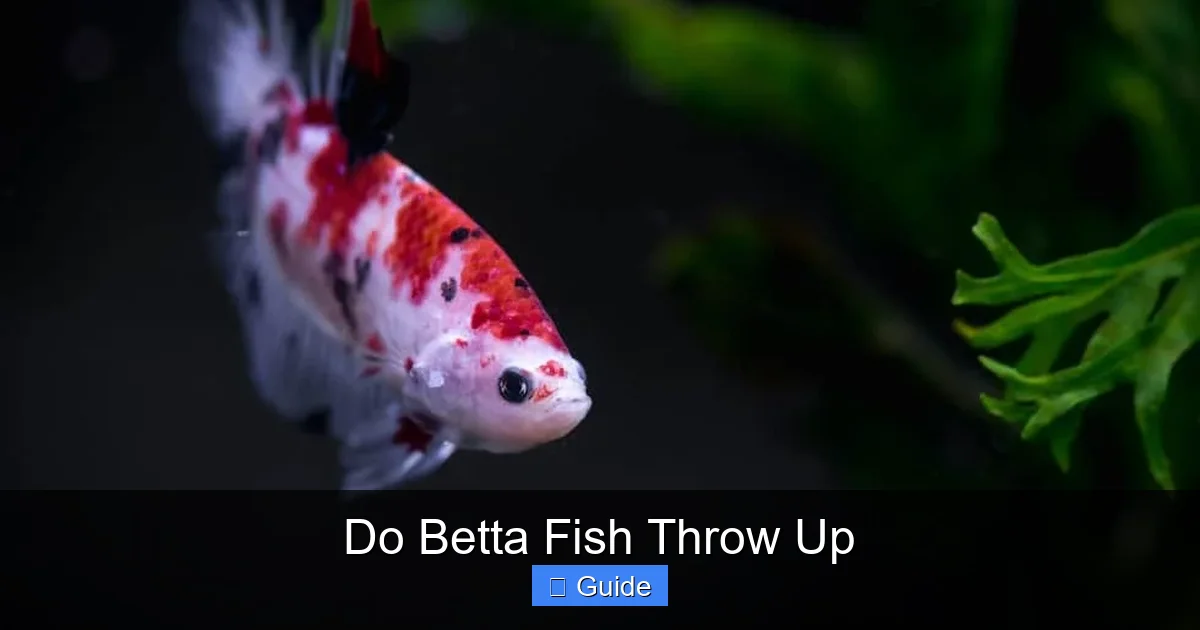
Visual guide about Do Betta Fish Throw Up
Image source: bettafishworld.com
The Classic Signs: Pellets, Strings, and Mucus
The most common sight is one or two perfectly formed, but dry-looking, pellets that the betta just ate a few hours ago. They often look just as they did when they went in. This is a dead giveaway for a simple blockage or overfeeding. The fish’s system said, “Nope, too much at once,” and reversed course.
Another frequent occurrence is a long, stringy, white or clear substance. This is a tangled mess of undigested food mixed with the fish’s own digestive mucus. It’s a sign of significant constipation or impaction further down the tract. The mucus is the body’s attempt to lubricate and move things along, but it’s getting tangled up with the food.
Sometimes, you might see a small amount of frothy or bubbly mucus alone. This can indicate severe irritation or inflammation in the esophagus, possibly from poor water quality (ammonia burns) or a bacterial infection. It’s less about food and more about the protective lining being compromised.
Associated Behaviors: The Full Picture
Regurgitation rarely happens in a vacuum. You need to be a holistic observer. Is your betta also:
- Lethargic and hanging at the bottom? This points to systemic stress, likely from water quality.
- Bloated or swollen-looking? This is a classic sign of severe constipation or, more seriously, internal parasites like Hexamita (which causes “hole-in-the-head” disease).
- Clamping its fins tightly? A universal sign of stress or illness in fish.
- Refusing all food for days on end? The digestive system is so upset it’s in full shutdown.
If regurgitation is paired with bloating and lethargy, your priority shifts from simple constipation to a potential parasitic infection requiring medication. If it’s paired with clamping and rapid breathing, you’re almost certainly looking at a water quality crisis. The “vomit” is just the most visible symptom.
The Usual Suspects: Top Causes of Betta Regurgitation
So, what puts your betta in this uncomfortable position? The causes are usually interconnected, forming a cascade of poor care. Let’s identify the villains.
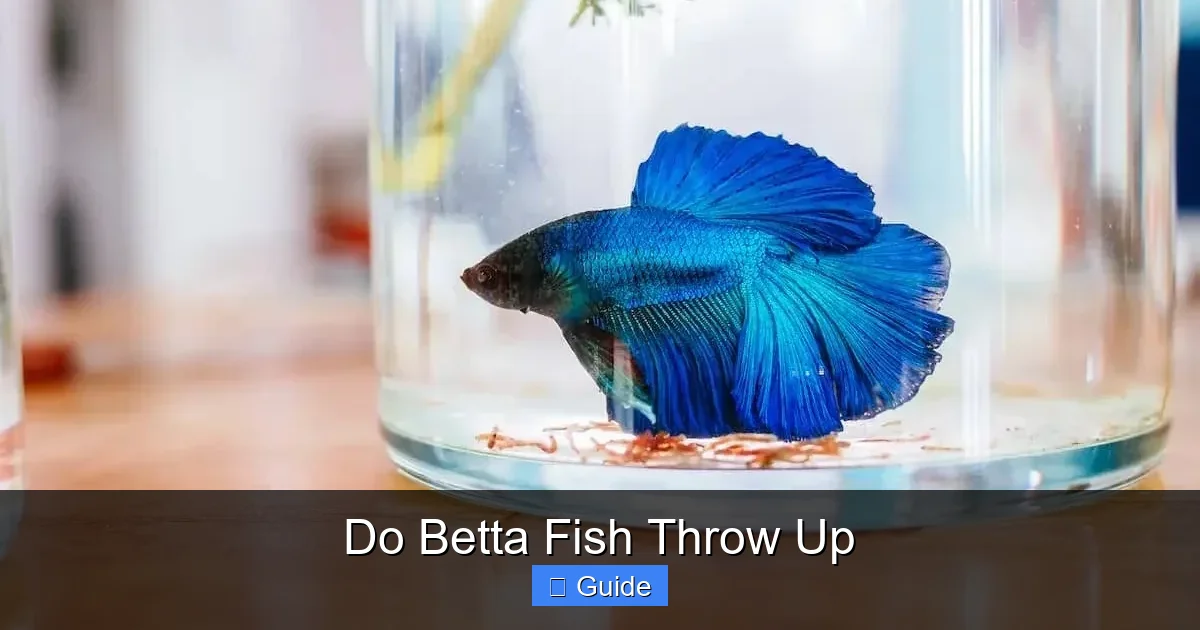
Visual guide about Do Betta Fish Throw Up
Image source: fishlab.com
1. Constipation: The #1 Offender
This is, by far, the most common cause. Betta fish have short, straight digestive tracts. They are built to process small, frequent meals of protein-rich insects in the wild. In captivity, we often make two big mistakes: overfeeding and feeding low-fiber diets.
Most commercial betta pellets are dense and packed with protein and fats. Without adequate roughage (fiber), this food can become a compacted mass in the intestine. Dehydration from slightly brackish or poor-quality water can exacerbate this. The compacted mass blocks the passage of new food, and the body’s peristaltic (squeezing) motions eventually push the blockage back up the esophagus. It’s a plumbing failure.
2. Poor Water Quality: The Silent Stressor
Ammonia, nitrite, and even high nitrate levels are toxic to fish. They burn gills, damage internal organs, and suppress the immune system. A stressed betta has a sluggish metabolism. Digestion slows dramatically. Food sits in the stomach and intestine longer than it should, fermenting and causing irritation. The irritated gut can trigger reverse peristalsis, leading to regurgitation. You might feed your betta perfectly, but if the water is bad, its body can’t process the food. This is why a water test kit is non-negotiable for any betta owner.
3. Overfeeding: Too Much of a Good Thing
Betta stomachs are about the size of their eye. Yet many owners dump in 5-10 pellets twice a day. Their tiny systems are overwhelmed. The food literally has no room to move and is forced back out. Overfeeding also leads to excess waste, which poisons the water, creating a vicious cycle. It’s the most common and easily preventable mistake.
4. Inappropriate or Low-Quality Food
Not all betta food is created equal. Cheap pellets often contain fillers like wheat, soy, and potato starch that bettas cannot digest properly. This indigestible material contributes directly to constipation. A diet lacking in variety—only pellets, no fibrous treats—is unbalanced. In the wild, bettas eat insects and their larvae, which have chitinous (fiber-like) exoskeletons. They need that roughage.
5. Internal Parasites
Parasites like flagellates (Hexamita, Trichomonas) or tapeworms can attach to the intestinal wall, causing inflammation, damage, and blockage. The betta’s body may try to expel the irritation by regurgitating. This is often accompanied by progressive emaciation (getting thinner while the belly may look swollen) and stringy, white feces (not just from the mouth). This requires specific medication like Metronidazole.
6. Bacterial or Viral Infections
A systemic infection can affect any organ, including the digestive tract. Inflammation from a bacterial infection can mimic severe constipation. Viral diseases, like Dropsy (which is actually a symptom of organ failure), can cause severe swelling and digestive shutdown. These are less common but must be considered if basic constipation treatment fails.
First Aid Protocol: What to Do The Moment You See It
Okay, you’ve seen the tell-tale pellet or string. Don’t panic. Your betta is not actively dying in that moment. It’s sending you a message. Here is your immediate, step-by-step action plan.
Step 1: Cease All Feeding Immediately
This is the single most important step. You must give the digestive system a complete rest. Remove any uneaten food from the tank with a net or gravel vacuum. Do not feed for 24-48 hours. This is not cruel; it’s therapeutic. It allows any partial blockage to soften and the gut to calm down. Your betta will be fine without food for this period. Its body will use stored energy.
Step 2: Perform a Major Water Change
While your betta is fasting, you must address the environment. A 50% water change is the fastest way to dilute any pollutants and improve water quality. Use a dechlorinator that treats both chlorine and chloramines. Ensure the new water temperature matches the tank water (within 1-2 degrees) to avoid thermal shock. This change alone can reduce stress and sometimes resolves the issue if poor water was the primary trigger.
Step 3: The Classic Remedy: The Cooked Pea
After the 24-48 hour fast, it’s time to introduce a gentle, high-fiber laxative. The #1 home remedy for betta constipation is a cooked, skinned green pea.
- Take a frozen or fresh green pea.
- Boil it for 1-2 minutes until soft.
- Remove the skin. The skin is indigestible and can make things worse.
- Mash a tiny piece—we’re talking a fragment smaller than a pea, about the size of a betta’s eye—between your fingers.
- Offer this single piece to your betta using tweezers or your fingers. It may take a day or two for them to eat it.
The pea acts as a bulk-forming laxative, adding soft fiber that pushes the compacted mass through the intestines. It’s gentle and effective.
Step 4: Monitor and Adjust
After offering the pea, continue to withhold other food for another 24 hours. Then, if the pea was eaten and no further regurgitation occurs, you can resume feeding one tiny, high-quality pellet per day for a few days. Watch the feces closely. You want to see a small, dark, firm (but not hard) string of waste. If the stool is still long and stringy/white, or if regurgitation returns, you must repeat the pea treatment or consider parasites.
When to Escalate: Signs It’s More Than Constipation
If you have followed the fasting, water change, and pea protocol for 5-7 days with no improvement, or if your betta is showing these signs, it’s time to escalate:
- Severe, persistent bloating that doesn’t go down.
- Rapid deterioration, extreme lethargy, loss of buoyancy (floating upside down).
- Stringy, white feces (not just from the mouth) that doesn’t firm up.
- Visible holes or sores on the head or body (sign of advanced Hexamita).
At this point, internal parasites or a severe bacterial infection are likely suspects. You will need to use a medication like Metronidazole (for parasites) or a broad-spectrum antibacterial like Kanamycin or Furan-2. Always research medications carefully for bettas, as they are sensitive to some treatments. A hospital/quarantine tank is highly recommended for medicating.
Prevention is the Best Medicine: Building a Healthy Routine
We’ve covered the emergency response. Now, let’s talk about building a fortress of health so this problem never happens again. Prevention is always easier, cheaper, and less stressful than cure.
Master the Art of Feeding: Less is More
This is the golden rule. A betta’s stomach is the size of its eyeball. Feed accordingly. A good guideline is 2-3 high-quality pellets per day, maximum. Even better, feed once a day. You can also implement a “fast day” once a week where you feed nothing. This gives the digestive system a regular break and mimics natural feeding patterns where food is scarce. Choose pellets with whole ingredients (e.g., krill, shrimp, insect meal) as the first few components, not fillers.
Diversify the Diet with Fiber
Incorporate fibrous foods 1-2 times a week. Besides the pea, excellent options are:
- Daphnia: Tiny crustaceans, excellent for digestion and protein.
- Bloodworms (frozen, not live): Good protein, but not a staple.
- Blanched Zucchini or Cucumber: Tiny, soft pieces provide plant fiber.
This variety ensures a balanced intake of nutrients and natural roughage, keeping the digestive tract moving smoothly.
Water Quality: The Non-Negotiable Foundation
You cannot have a healthy betta in bad water. Period.
- Test Your Water: Use a liquid test kit (API is the gold standard) to check Ammonia, Nitrite, Nitrate, and pH weekly. Ammonia and Nitrite must always be 0 ppm. Nitrate should be kept below 20 ppm.
- Religious Water Changes: Perform a 25-50% water change every week without fail. Use a gravel vacuum to remove detritus from the substrate. This removes waste products before they build up to toxic levels.
- Cycled Tank: Ensure your tank is fully cycled before adding your betta. A cycled tank has beneficial bacteria that convert toxic ammonia to less harmful nitrate. An uncycled tank is a death sentence for a betta.
- Temperature Stability: Keep the water between 78-80°F (25.5-26.5°C) with a reliable heater. Cold water slows metabolism and digestion.
Observation: Your Daily Check-Up
Spend 5 minutes a day just watching your betta. Is it active? Are its fins open and flowing? Is it eating eagerly? Is its body shape normal (not swollen)? This daily observation is the best early warning system. You’ll spot a change in appetite or behavior long before a full-blown health crisis occurs.
Conclusion: Empathy and Action for Your Betta
So, do betta fish throw up? The scientific answer is a firm no. But the practical answer, as a caring owner, is to recognize that the act you see is a vital form of communication. It’s your betta’s way of saying, “Something is wrong with my insides or my home.” This guide has equipped you with the knowledge to decode that message. You now understand the anatomy behind it, can identify the most likely culprits—with constipation and poor water at the top—and have a clear, compassionate action plan from immediate first aid to long-term prevention.
Remember, your betta’s health is a direct reflection of the environment you provide. By committing to impeccable water quality, a sparse and appropriate diet, and daily observation, you create a sanctuary where digestive distress is a rare anomaly, not a recurring nightmare. That little fish depends entirely on you. When you see that pellet float to the surface, don’t just see a mess to clean. See it as a prompt to be a better, more attentive caretaker. Your swift, informed response is what will keep your betta thriving, displaying those brilliant fins and curious personality for years to come. You’ve got this.
Frequently Asked Questions
Can betta fish vomit like humans?
No, betta fish cannot vomit. They have a one-way esophageal valve that prevents food from being expelled from the stomach. What appears as vomiting is actually regurgitation of undigested food from the esophagus.
What should I do if my betta spits out its food?
Immediately stop feeding for 24-48 hours. Perform a 50% water change with properly treated, temperature-matched water. After the fast, offer a tiny piece of skinned, cooked pea. Continue monitoring water quality closely.
Is it normal for a betta to spit out food once?
Occasional spitting of a single pellet might happen if the fish is startled or not hungry. However, repeated regurgitation of multiple pellets or stringy matter is not normal and indicates an underlying issue like constipation or poor water quality.
Can overfeeding really cause my betta to throw up?
Yes, absolutely. Overfeeding is the most common cause. A betta’s stomach is very small. Excess food cannot be digested and will be regurgitated. Always feed no more than 2-3 high-quality pellets per day.
How long does it take for a constipated betta to recover?
With proper treatment—fasting, a water change, and the pea remedy—you should see improvement within 3-5 days. The bloating should reduce, and normal, firm feces should appear. If there’s no change after a week, parasites may be the cause.
Should I change my betta’s food if it keeps regurgitating?
Yes. Switch to a high-quality pellet with whole-food ingredients as the first items. Avoid foods with lots of fillers like wheat or soy. Additionally, incorporate fiber sources like daphnia or a weekly pea to aid digestion long-term.