Can a Betta Fish Survive in a Bowl
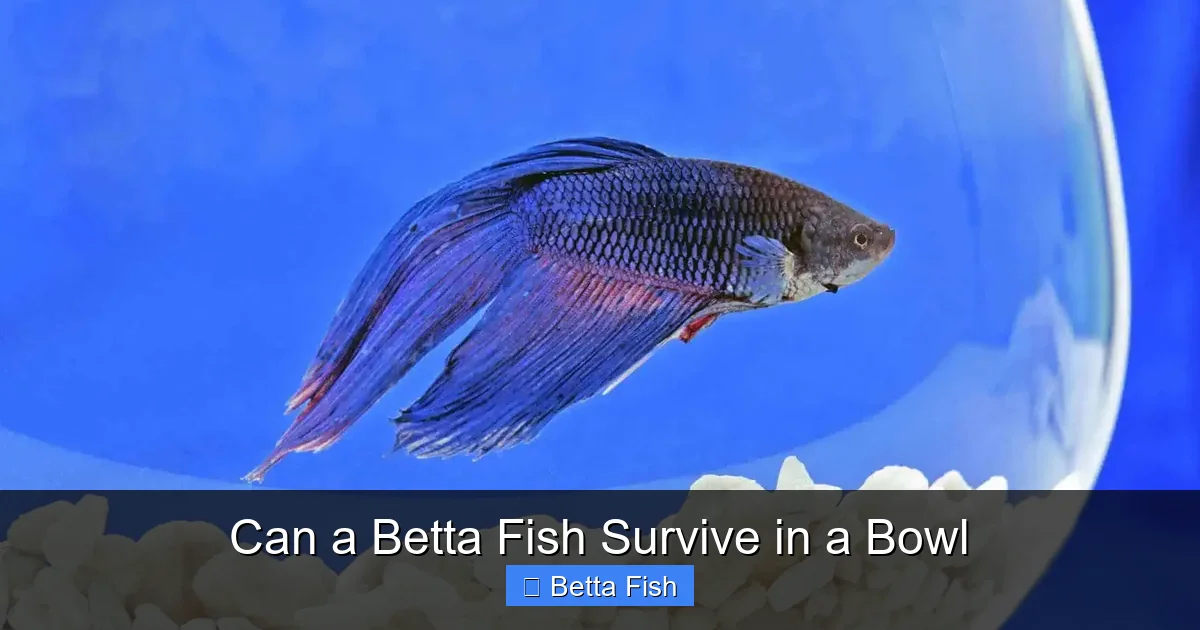
Betta fish can live in a bowl for a short time, but it’s not ideal for long‑term health. Without proper filtration, heating, and space, they quickly suffer stress, poor water quality, and stunted growth.
Key Takeaways
- Short‑term survival: A betta can survive a few weeks in a small bowl if water is changed daily.
- Long‑term health: Lack of filtration, heating, and space leads to disease and a shortened lifespan.
- Ideal environment: A minimum 5‑gallon tank with a heater, filter, and live plants is recommended.
- Water quality: Betta fish are sensitive to ammonia and nitrite spikes common in bowls.
- Temperature stability: Bowls cannot keep water at a steady 78‑80 °F, which stresses bettas.
- Behavioral needs: Bowls limit hiding spots, causing stress and aggression.
- Better alternatives: Use a small aquarium, a DIY “bowl‑tank” with a filter, or a betta‑specific nano tank.
📑 Table of Contents
- Introduction: The Classic Betta‑Bowl Myth
- 1. Understanding Betta Physiology
- 2. The Water Quality Equation
- 3. Temperature Control: The Heater Debate
- 4. Space Matters: How Much Is Enough?
- 5. Practical Tips for Bowls (If You Must Use One)
- 6. Why a Proper Tank Is the Best Choice
- Conclusion: Making the Right Choice
Introduction: The Classic Betta‑Bowl Myth
When you first see a bright, flowing fin, the idea of a tiny glass bowl looks perfect—simple, cheap, and “authentic.” Many new owners ask, “Can a betta fish survive in a bowl?” The short answer is yes, but only for a very limited time and under very careful conditions. In reality, a bowl is a temporary holding spot, not a permanent home.
In this article we’ll break down the science of water quality, temperature, and space, then give you step‑by‑step tips to keep your betta healthy whether you’re stuck with a bowl for a few days or ready to upgrade to a proper tank.
1. Understanding Betta Physiology
1.1 The “Labyrinth” Organ
Betta fish (Betta splendens) belong to the “labyrinth fish” family. Their special labyrinth organ lets them gulp air from the surface, which is why people think they can live in low‑oxygen containers. While this organ is a lifesaver in stagnant water, it does **not** replace the need for clean, stable water.
Visual guide about Can a Betta Fish Survive in a Bowl
Image source: bettasource.com
1.2 Temperature Sensitivity
Wild bettas thrive in warm, tropical waters of 78‑80 °F (25‑27 °C). In a bowl, temperature can swing dramatically from room‑temperature at night to a scorching heat‑trap in direct sunlight. Those swings weaken the immune system and make the fish prone to fungal infections.
1.3 Stress and Aggression
Betta males are territorial. Without enough room to establish a territory, they become stressed, which shows up as faded colors, frayed fins, and even sudden death. A bowl provides almost no hiding places, so stress levels stay high.
2. The Water Quality Equation
2.1 Ammonia, Nitrite, Nitrate
Even a single betta produces waste that quickly turns into ammonia. In a filtered aquarium, beneficial bacteria convert ammonia → nitrite → nitrate, keeping the water safe. A bowl lacks this biological filtration, so ammonia spikes within days.
Visual guide about Can a Betta Fish Survive in a Bowl
Image source: i.ytimg.com
2.2 Daily Water Changes
If you insist on using a bowl, change **at least 50 % of the water every 24 hours**. Use a water conditioner to remove chlorine and chloramine. For a step‑by‑step guide, see How To Change Water For Betta Fish In A Bowl.
2.3 pH and Hardness
Betta fish prefer a pH of 6.5‑7.5 and moderate hardness. Tap water can be too hard or too soft, and without a buffer, the pH can swing wildly. Test strips are cheap and worth the investment.
3. Temperature Control: The Heater Debate
3.1 Why a Heater Is Essential
Room temperature in most homes hovers between 65‑72 °F (18‑22 °C), far below a betta’s comfort zone. A submersible heater set to 78 °F will keep the water stable, preventing the stress that comes from cold shocks.
3.2 Bowls vs. Tanks for Heating
Because bowls have a large surface‑area‑to‑volume ratio, they lose heat quickly. Even with a heater, the water can become unevenly heated, creating hot spots that can burn delicate fins. A proper aquarium distributes heat more evenly.
4. Space Matters: How Much Is Enough?
4.1 Minimum Volume Recommendations
Most experts recommend **at least 5 gallons** for a single betta. This provides enough water volume to dilute waste, maintain stable temperature, and give the fish room to swim.
4.2 When a Bowl Might Work
A bowl can be a short‑term solution if you:
- Rescue a betta from a pet store and need a temporary home.
- Are moving and need a portable container for a few days.
- Can commit to daily 50 % water changes, temperature monitoring, and no decorations that trap debris.
For a deeper dive into the myth of “small bowls,” read Can You Keep Betta Fish In A Small Bowl.
4.3 Adding Plants and Hiding Spots
Live plants like Java fern or Anubias help absorb nitrates and provide cover. If you use a bowl, plant a single small sprig and secure it with a rock. Avoid plastic decorations that leach chemicals.
5. Practical Tips for Bowls (If You Must Use One)
5.1 Set Up a “Bowl‑Tank” Hybrid
Place a small sponge filter (without power) and a tiny heater in a 1‑gallon glass jar, then nest the jar inside a decorative bowl. This gives you filtration and heating while keeping the aesthetic of a bowl.
5.2 Monitoring Water Parameters
Invest in a digital thermometer and an ammonia test kit. Check the water twice daily for the first week. If ammonia reads above 0 ppm, perform an immediate water change.
5.3 Feeding Practices
Feed high‑quality betta pellets or frozen bloodworms once or twice a day. Remove uneaten food within two minutes to prevent waste buildup. Overfeeding leads to excess ammonia, a common cause of death in bowls.
5.4 Recognizing Stress Signs
Watch for faded color, clamped fins, lethargy, or frantic swimming at the surface. These are early warnings that water quality or temperature is off.
6. Why a Proper Tank Is the Best Choice
6.1 Long‑Term Health Benefits
In a filtered, heated tank, a betta can live 3‑5 years, sometimes longer. The stable environment supports a strong immune system, vibrant colors, and natural behaviors like flaring and exploring.
6.2 Cost‑Effective Over Time
While a bowl seems cheap, the recurring cost of water conditioners, heaters, and daily water changes adds up. A one‑time investment in a 5‑gallon tank, filter, and heater pays off in a healthier, happier fish.
6.3 Community Resources
For a complete guide on setting up a betta‑friendly aquarium, see Can Betta Fish Live In A Bowl Without Filter. It explains why a filter is non‑negotiable for long‑term care.
Conclusion: Making the Right Choice
The short answer to can a betta fish survive in a bowl? is **yes, but only temporarily and with intensive care**. Bowls lack the filtration, heating, and space that bettas need for a healthy, thriving life. If you truly love your betta, upgrade to a small aquarium, maintain stable water conditions, and give your fish the environment it deserves. Your betta will reward you with bright colors, graceful fins, and many happy years.
Frequently Asked Questions
Can a betta fish live in a bowl without a filter?
It can survive for a few days if you change the water daily, but lack of filtration quickly leads to toxic ammonia buildup. A filter is essential for long‑term health.
How often should I change the water in a betta bowl?
At minimum 50 % of the water should be replaced every 24 hours. More frequent changes are needed if the water looks cloudy or smells foul.
What temperature should I keep a betta bowl at?
Betta fish need 78‑80 °F (25‑27 °C). Use a reliable submersible heater and a thermometer to maintain this range, even in a bowl.
Can I add live plants to a betta bowl?
Yes, a single hardy plant like Java fern can help absorb nitrates and provide cover, but be careful not to overload the small space.
Will a betta become aggressive in a bowl?
Stress from limited space can increase aggression, leading to fin damage. Providing hiding spots and enough water volume reduces this risk.
How long can a betta survive without food?
Betta fish can survive about two weeks without food, but prolonged fasting weakens their immune system and shortens lifespan.