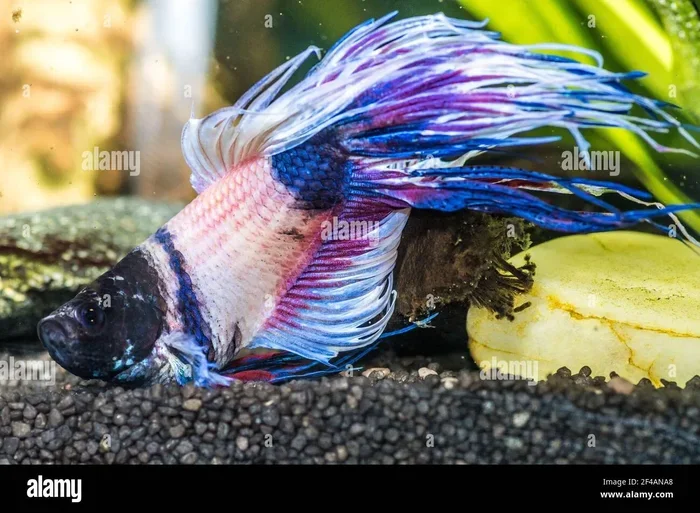
Why Do Betta Fish Flare
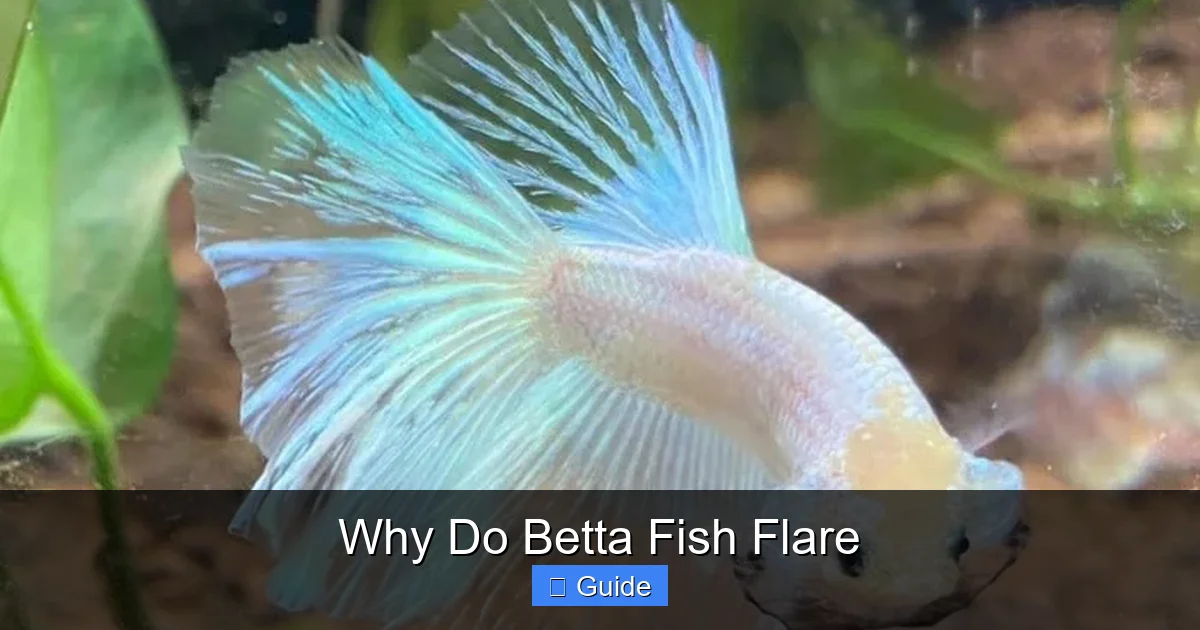
Betta fish flare, or extend their gill covers, as a natural form of communication and defense. This iconic behavior signals aggression, stress, courtship, or sometimes poor health. Understanding the specific trigger—be it a rival, a reflection, unsuitable tank mates, or water issues—is key to addressing the root cause. While occasional flaring is normal, constant flaring indicates an environmental problem that needs your attention to ensure your betta’s long-term health and happiness.
You’ve seen it. That dramatic, almost theatrical moment where your betta fish suddenly puffs up, its fins flare wide, and its gill covers extend like colorful, delicate fans. It’s one of the most mesmerizing and iconic behaviors in the aquarium hobby. But as a betta owner, that stunning display can also be a source of worry. Why is my betta flaring? Is it angry? Stressed? Sick? What does it mean? Welcome to the deep dive into betta behavior. This guide will unpack every possible reason behind the flare, transforming you from a concerned observer into a knowledgeable interpreter of your fish’s language.
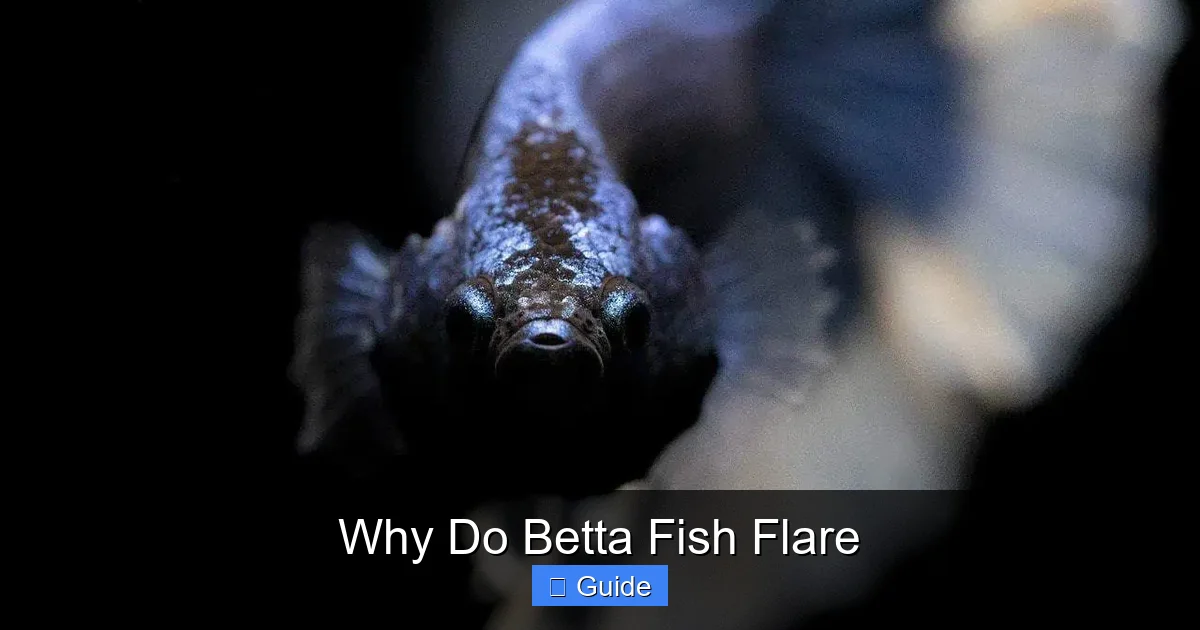
First, let’s demystify the act itself. Flaring, or gill flaring, is the forceful extension of the branchiostegal rays—the bony supports beneath the gill covers. When a betta flares, it’s forcibly pushing these rays outward, making its head appear significantly larger and more intimidating. It’s an evolutionary adaptation for survival in the shallow, contested waters of Southeast Asia. It’s not a random act of pettiness; it’s a calculated signal with a specific intended audience. That audience could be a rival male, a curious female, a mistaken reflection, or even a sign of internal discomfort. By learning to read the context, you can address the underlying need and create a truly peaceful home for your aquatic companion.
Key Takeaways
- Flaring is natural communication: Flaring is a betta’s primary way to appear larger and signal to other fish (or perceived threats). It’s not inherently bad but a clue to their emotional state.
- Territory is the #1 trigger: Betta fish are extremely territorial. They will flare at any intruder in their space, including reflections, other fish, or even your hand during tank cleaning.
- It’s a major stress indicator: Constant or chronic flaring means your betta is stressed. Stress weakens their immune system, making them susceptible to diseases like fin rot or velvet.
- Flaring has different contexts: The same flare can mean “back off!” to a rival, “hello handsome” to a potential mate, or “something’s wrong” due to poor water quality or illness.
- Your tank setup is the solution: Most flaring issues are fixed by improving the environment: providing ample space, hiding spots, removing reflections, and choosing peaceful, compatible tank mates.
- Never punish the behavior: Flaring is a reaction, not a choice. Yelling at or tapping the glass will only increase stress and worsen the problem.
- Observation is your best tool: Watch *when* and *at what* your betta flares. The pattern will reveal the exact cause, allowing you to make a targeted fix.
📑 Table of Contents
The Language of the Flare: Understanding the Core Reasons
To understand flaring, we must think like a betta. Their world is one of intense territoriality, visual cues, and survival. A flare is a multi-purpose tool in their behavioral toolkit. It’s not a one-note “I’m mad” signal. The intensity, duration, and target of the flare tell a different story. We can broadly categorize the reasons into four pillars: Territorial Defense, Stress Response, Reproductive Signaling, and Health Indicators. Let’s explore each in detail.
Territorial Defense: “This Is My Kingdom!”
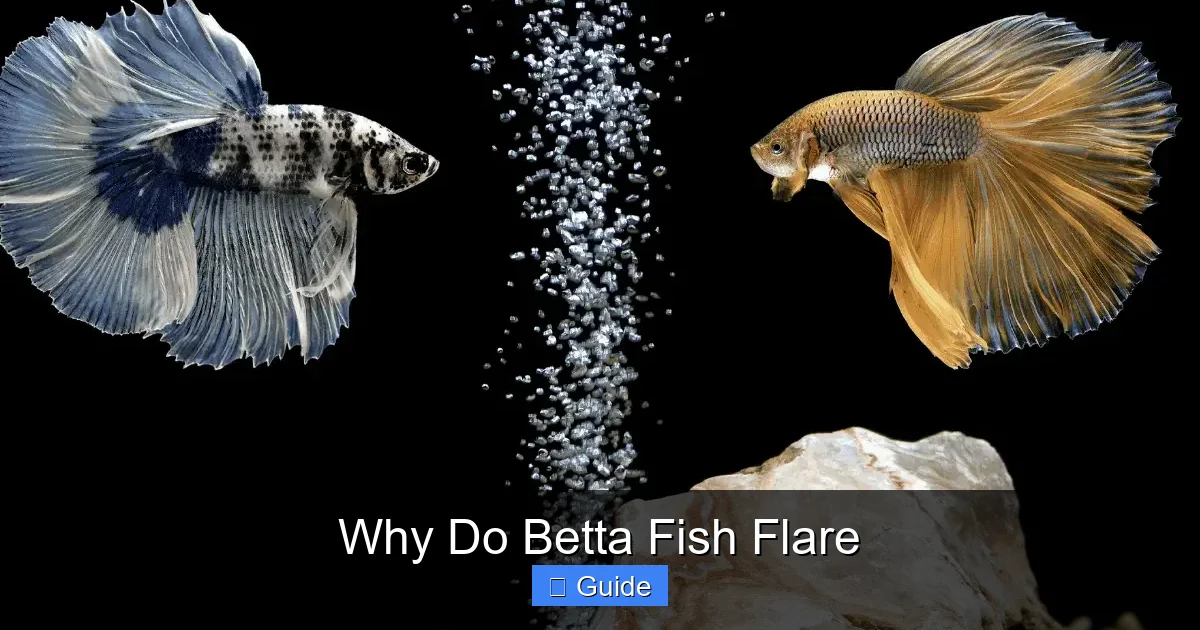
This is the most famous and common reason for flaring. Betta splendens earned the nickname “Siamese fighting fish” for a reason. In the wild, males hold small, prized territories around plants or debris. Any male intruder is met with a full-threat display: the flare. The goal is to appear so large and formidable that the rival retreats without a physical fight, which could be injurious for both.
- The Mirror Test: The classic example is your betta seeing its own reflection. It doesn’t recognize itself and interprets the image as a rival male invading its space. The ensuing flare-fest, while impressive, is incredibly stressful for the fish because the “intruder” never backs down. This is why you should never intentionally provoke your betta with a mirror for prolonged periods.
- Tank Mates: Introducing any other fish, especially other long-finned or brightly colored species (like guppies, fancy guppies, or other bettas), is a direct challenge. The betta will flare constantly at its new roommate, a clear sign of incompatibility.
- Your Hand/Shadow: During water changes or tank cleaning, your hand entering the water or a large shadow passing over the tank can be seen as a predator or giant intruder, triggering a defensive flare.
Stress & Environmental Triggers: “I’m Uncomfortable!”
Stress is the silent killer in aquariums, and flaring is one of its loudest vocal cords. A betta that is flaring frequently at nothing specific—seemingly at the walls, the filter, or just in a state of agitation—is almost certainly stressed. The sources of this stress are almost always environmental.
- Inadequate Space: The myth that bettas live in tiny puddles is just that—a myth. While they can survive in small volumes, they thrive in at least 5 gallons (19 liters) of filtered, heated water. A cramped vase or small bowl is a recipe for chronic stress and territorial frustration, manifesting as constant flaring.
- Poor Water Quality: High ammonia, nitrite, or nitrate levels are invisible irritants that burn a betta’s gills and skin. Flaring can be a reaction to this physical discomfort. A dirty tank is a health hazard.
- Lack of Hiding Spots: In the wild, bettas dart between plants for safety and territory definition. A bare tank with no plants (live or silk), caves, or décor leaves them exposed and anxious. They have no place to retreat, so they feel constantly on guard.
- Aggressive or Incompatible Tank Mates: Even if the other fish isn’t flaring back, a boisterous, fast-swimming tank mate (like some tetras or barbs) that constantly darts past the betta’s chosen spot can be a major stressor. The betta flares in a desperate attempt to establish a “keep out” zone.
- Sudden Changes: Drastic temperature swings, loud noises, vibrations from tapping the glass, or rapid changes in lighting can spike stress hormones, leading to flaring.
Courtship & Mating Behaviors: “Look at Me, Ladies!”
Yes, flaring is also part of the betta’s love language. When a male betta is in breeding condition and spots a receptive female (or sometimes even a female in a separate tank), he will perform an elaborate courtship dance that includes flaring. This flare is often more ritualized and less aggressive-looking than a territorial flare. He’s showing off his best colors and health to impress her. A female betta may also flare at a male, sometimes as a test of his persistence or as a sign she’s not yet ready. This context is most commonly seen during deliberate breeding attempts.
Health Concerns & Flaring: “Something Is Wrong!”
While flaring is primarily a behavioral response, it can be linked to physical ailments. The connection is usually indirect—the illness causes discomfort or weakness that makes the fish more irritable or less able to cope with its environment, lowering its threshold for flaring.
- Gill Issues: Parasites like flukes or bacterial infections directly affecting the gills can cause inflammation and physical discomfort. Flaring might be an attempt to relieve pressure or clear the gills, or simply a reaction to the pain.
- Systemic Illness: Diseases like fin rot, velvet, or dropsy make a fish feel generally unwell. A normally placid betta might start flaring at its favorite plant because it has zero tolerance for any disturbance. Chronic, unexplained flaring should always prompt a close health check.
- Swim Bladder Disorder: While not a direct cause, a betta struggling with buoyancy issues might flare more due to the stress and frustration of its impaired movement.
Deep Dive: Territorial Instincts in Detail
Let’s zoom in on the #1 cause. Your betta’s territorial nature isn’t a flaw; it’s a core part of its biology. In the wild, a male betta’s territory might be just a few square inches of dense vegetation. He defends it fiercely from other males because it contains his nest (a bubble nest he builds at the surface) and his food sources. That instinct is 100% intact in your aquarium.
Visual guide about Why Do Betta Fish Flare
Image source: petfishonline.com
How to Recognize a True Territorial Flare
A territorial flare is usually directed, sustained, and accompanied by other body language. You’ll see your betta orient its body directly toward the “intruder” (a fish, a reflection, your finger). It might also:
- Fluff up its body (make itself look rounder).
- Raise its caudal fin (tail) prominently.
- Display “fin nipping” motions toward the glass or divider.
- The flare is often rhythmic, pulsing on and off as the perceived threat moves.
The key is the target. If there’s a clear target, you’re dealing with territory.
Solutions for a Territorial Flarer
You cannot eliminate a betta’s territorial instinct, but you can manage it.
- Eliminate Reflections: This is the first and easiest fix. Use an aquarium background on the outside back and sides of the tank. Adjust your lighting so the room is brighter than the tank (reducing glass reflectivity). If the flare is at the front glass, consider a slightly tinted static-cling film for the front (testing for clarity first).
- Provide a “Fortress”: Stock the tank with live or silk plants, especially tall ones like Anubias or Java fern that reach the surface. Add caves, driftwood, and ceramic hideouts. This breaks lines of sight and gives your betta defined zones it can claim as its own core area, reducing the sense that the whole tank is under invasion.
- Consider a Divided Tank: If you absolutely must have another fish in the same system (which is often risky), use a solid, non-see-through divider in a long tank (20+ gallons). This allows water sharing but blocks visual contact, which is the primary trigger for flaring. The divider must be secure and escape-proof.
- Re-evaluate “Tank Mates”: If flaring is directed at another fish, they are incompatible. Common incompatible species include other male bettas, fancy guppies (long fins look like rival males), and most territorial cichlids or gouramis. Safe tank mates are generally small, fast, non-nippy schooling fish like neon tetras (in a large, planted tank), harlequin rasboras, or Kuhli loaches. But always have a backup plan—the betta may never accept them.
Stress & Environment: The Chronic Flare
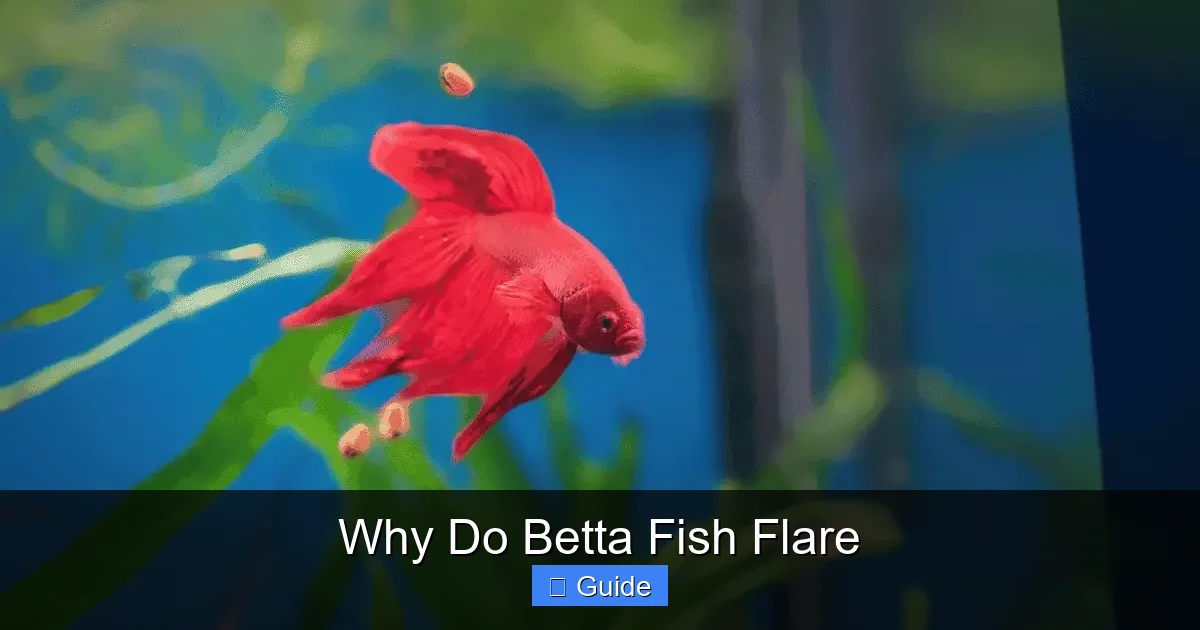
This is the flare that happens with no obvious target. Your betta might flare at the filter output, at a corner of the tank, or just sit flared at the surface. This is a red flag for poor welfare. The environment is failing to meet its basic needs, and it’s in a constant state of low-grade alarm.
Visual guide about Why Do Betta Fish Flare
Image source: petfishonline.com
The Non-Negotiables: Water & Space
Two factors are absolutely critical:
- Tank Size: A 5-gallon minimum is the widely accepted standard for a single betta. It provides enough space to establish a territory without feeling perpetually cornered. A 10-gallon is even better and allows for more compatible tank mates.
- Heater & Filter: Bettas are tropical fish from water around 78-80°F (25-27°C). A reliable, adjustable heater is essential. A gentle filter (like a sponge filter) is also crucial to cycle the tank and maintain water quality without creating a strong current that stresses the betta.
- The Nitrogen Cycle: A cycled tank has beneficial bacteria that convert toxic fish waste (ammonia) into less harmful nitrates. An uncycled tank is a chemical poison bath. Test your water with an API Freshwater Master Test Kit. Ammonia and nitrite should always be 0 ppm. Nitrates should be under 20 ppm.
Enrichment: The Mental Health of Your Betta
A betta needs more than just clean water; it needs a stimulating environment.
- Plants are Mandatory: They provide security, break up sight lines, and mimic the natural habitat. Use a mix of tall background plants, mid-ground plants, and floating plants (like frogbit or duckweed) which are especially loved by bettas as they mimic the surface vegetation of their native waters.
- Introduce Varied Décor: Change the layout occasionally (within reason). Add a new, safe decoration (a terracotta pot, a new type of rock) for exploration. This prevents boredom, which can itself lead to stress and stereotypical behaviors like constant flaring at nothing.
- Establish a Routine: Feed at the same times each day. Perform water changes on a schedule. This predictability reduces anxiety.
Courtship Flaring: A Special Case
If you are a breeder or have a male and female betta together (generally not recommended for long-term cohabitation), flaring takes on a different meaning. The male’s flare is part of an elaborate courtship dance to woo the female. He will flare, spread all his fins, and perform a sinuous “dance” before her. The female’s response is key: if she is receptive, she will darken in color, develop vertical breeding bars (like a tiger stripe), and may approach the male’s bubble nest. If she is not interested, she will flare back aggressively and may even attack the male. This is why introduction for breeding must be done with extreme caution and constant supervision.
Visual guide about Why Do Betta Fish Flare
Image source: bettasource.com
Health & Flaring: When to Be Concerned
While behavioral flaring is the norm, always rule out physical causes if the behavior is new, extreme, or accompanied by other symptoms (clamped fins, lethargy, loss of appetite, visible spots, sores, or torn fins).
The Diagnostic Checklist
If your betta is flaring constantly, run through this list:
- Test the Water: Immediately test for ammonia, nitrite, nitrate, and pH. Perform a 25-50% water change with dechlorinated, temperature-matched water if any parameters are off. This is the single most important step.
- Observe the Target: Is there a clear target? If yes, it’s likely territorial or social stress. If no, lean toward environmental/health stress.
- Check for Physical Symptoms: Examine your betta closely (using a cup or net if needed) for any spots, fuzz, redness, sores, or abnormal swelling. Look at its gills—are they red and inflamed?
- Review Recent Changes: Did you add a new plant (which could have hitchhikers)? A new fish? Change your food? Move the tank? A change, even seemingly good, can spike stress.
- Consider Tank Mates Again: Could a peaceful-looking fish actually be a stealthy nipper or a constant swimmer that invades the betta’s space?
When to Seek Help
If you’ve corrected all environmental factors (water, space, hiding spots, removed reflections) and the chronic flaring persists along with other signs of illness, it’s time to consult a veterinarian specialized in fish or a very experienced aquatic pet store. Early intervention is critical for treating internal parasites or bacterial infections.
How to RESPOND: Your Action Plan
Now that you know the “why,” here is your step-by-step action plan when you see flaring. Do not just watch; investigate and act.
Step 1: Identify the Target. Is it the glass? Another fish? A specific decoration? The filter? Nothing? This 30-second observation tells you 80% of the story.
Step 2: Eliminate the Obvious. If it’s a reflection, use a background. If it’s another fish, separate them immediately. If it’s your hand, try using a cup to move decorations during tank maintenance instead of your hand, and move slowly.
Step 3: Audit the Environment. Perform a full tank check. Is the heater working? Is the filter too strong? Is the water cloudy or smelly? Are there enough plants? Is the tank at least 5 gallons? Be brutally honest.
Step 4: Water Change & Test. Regardless of the cause, a clean tank is a healthy tank. Perform a 25-50% water change with properly treated water. Test the water parameters. Record the results.
Step 5: Provide Hiding Spots. If your tank is sparse, add more plants and caves immediately. You can even place a clay pot on its side as a quick, cheap hideout.
Step 6: Be Patient. Once you fix the trigger, it may take days or even weeks for the betta’s stress levels to normalize and the flaring to subside. Consistency in care is key. Do not revert to old habits.
Conclusion: The Flare as a Conversation
Your betta fish’s flare is not a sign of a “mean” or “difficult” pet. It is a profound, honest form of communication from a creature that cannot speak our language. It is saying, “This is mine,” or “I’m uncomfortable,” or “Look at me!” or “I don’t feel well.” Our job as caregivers is not to silence this communication but to listen to it and respond with empathy and action.
By providing a spacious, clean, plant-filled, and peaceful environment, you address the vast majority of flaring triggers. You transform a potentially stressful display into a rare and beautiful glimpse into the natural instincts of one of the world’s most captivating fish. When your betta flares less, it’s not because it has become docile; it’s because it finally feels safe, secure, and at home. And that is the ultimate goal of any responsible betta owner. Watch, learn, adjust, and enjoy the calm, confident beauty of a betta that has nothing to flare about.
Frequently Asked Questions
Is flaring always a sign that my betta is angry?
No. While flaring is an aggressive display, the emotion behind it is more accurately “alarm” or “defensiveness.” It can be triggered by excitement during courtship, discomfort from poor water, or even a reflexive reaction to a sudden shadow. Context is everything.
How can I stop my betta from flaring at its own reflection?
The most effective solution is to eliminate the reflection. Use an aquarium background on the tank’s exterior walls. Adjust your room lighting so it’s brighter than the tank light. You can also use a very light, static-cling window tint on the front glass (ensure it doesn’t distort your view).
Can constant flaring harm or kill my betta fish?
The flaring itself won’t cause physical harm, but the chronic stress that causes constant flaring is extremely detrimental. Stress suppresses the immune system, making the betta highly susceptible to diseases like ich, velvet, and fin rot, which can be fatal if not treated.
My betta flares at me when I put my hand in the tank. What should I do?
This is a normal territorial reaction. To reduce it, move more slowly and deliberately. Try using a cup or tool to move decorations instead of your hand. You can also offer a small treat (like a bloodworm) after you finish your task to create a positive association, but never reward the flaring behavior itself.
Are there any tank mates that will stop my betta from flaring so much?
Compatible, peaceful tank mates in a large, heavily planted tank (10+ gallons) can sometimes reduce overall stress by breaking up the betta’s focus and providing a more natural environment. However, if the betta is already highly territorial, adding any fish may increase flaring initially. The primary solution is always improving the betta’s own environment first.
My betta flares constantly but seems healthy otherwise. What is wrong?
This is a classic sign of chronic environmental stress. The most likely culprits are: a tank that is too small (less than 5 gallons), poor or unstable water quality, lack of plants/hiding spots, a strong filter current, or an unseen reflection. Systematically check and improve each of these factors starting with a full water test and change.